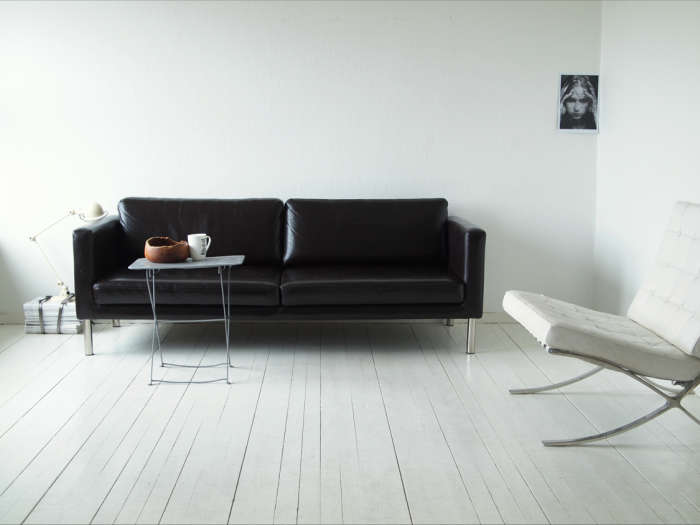

Oslo has never been the loudest city in the design room. Copenhagen often gets the chair-obsessed applause, Stockholm gets the clean-lined retail polish, and Helsinki gets the poetic glassware. Oslo, meanwhile, has been standing near the window, calmly adjusting the light, choosing a better timber finish, and quietly asking whether the whole thing can be made with fewer emissions. Very Norwegian. Very effective.
Today, that quiet confidence is turning into a clear creative identity. A new design voice from Oslo is emerging across architecture, furniture, interiors, public space, material innovation, and cultural design. It is not just “Scandinavian minimalism” wearing a warmer sweater. It is more layered than that: practical, democratic, tactile, nature-aware, and surprisingly experimental when you look closely.
This new Oslo design movement is shaped by fjord light, long winters, public trust, sustainable thinking, and a healthy resistance to showing off. It favors usefulness over drama, but it is not boring. It can be soft, strange, elegant, rugged, and even a little mischievous. In short, Oslo has found its voiceand it speaks in wood grain, recycled aluminum, open libraries, generous public buildings, and furniture that looks calm enough to lower your blood pressure.
What Makes Oslo’s New Design Voice Different?
The phrase “Nordic design” is often flattened into a familiar checklist: pale wood, white walls, clean shapes, cozy blankets, and possibly a candle that costs more than dinner. Oslo’s new design voice includes some of those elements, but it moves beyond the usual showroom shorthand.
Contemporary Norwegian design is deeply connected to landscape. Designers in Oslo often work with the reality of living close to forests, mountains, water, darkness, snow, and rapidly changing light. The result is design that feels less like decoration and more like adaptation. A chair, lamp, building, or public square is not simply asked to look good. It is asked to survive weather, age gracefully, reduce waste, welcome people, and make daily life a bit more humane.
That practicality gives Oslo design its backbone. Its personality comes from contrast. The city is urban but close to wilderness. It is modern but culturally protective. It is minimalist but not sterile. It respects tradition but does not freeze it behind glass. The best new work from Oslo feels like it has one foot in a workshop, one foot on a hiking trail, and one eye on the future.
The Oslo Design Ethos: Calm, Useful, and Not Trying Too Hard
Oslo’s design culture is built around an idea that sounds simple but is remarkably difficult to execute: good design should improve life without demanding constant attention. This is visible in the city’s public architecture, product design, urban planning, and furniture culture.
Design for Real Life
Oslo designers tend to avoid unnecessary visual noise. Instead, they focus on clarity, comfort, durability, and honest materials. A bench should invite strangers to sit without turning into a sculpture contest. A lamp should shape atmosphere without screaming, “Look at me, I went to design school.” A library should feel open to everyone, not just people who already know which architect designed it.
This practical generosity is one reason Oslo’s design voice feels increasingly relevant. In a world full of overdesigned objects and trend cycles that move faster than common sense, Oslo offers something steadier. It asks whether beauty can be useful, whether sustainability can be elegant, and whether public design can be warm instead of bureaucratic.
Nature Without the Cliché
Nature is everywhere in Norwegian design, but not always in the obvious “put a pinecone on it” way. The influence appears in curves inspired by terrain, materials chosen for tactility, color palettes pulled from stone and moss, and lighting strategies that respond to the drama of Nordic seasons.
Oslo designers understand that light is not just illumination. It is mood, rhythm, architecture, psychology, and sometimes survival. When winter gives you short days and long shadows, you learn to make interiors glow rather than glare. That sensitivity is one of the city’s strongest design exports.
Public Buildings Are Leading the Conversation
One of the best ways to understand Oslo’s design transformation is to look at its public architecture. The city has invested heavily in cultural spaces that do more than house collections or services. They act as civic living rooms.
Deichman Bjørvika: The Library as Urban Living Room
Oslo’s main public library, Deichman Bjørvika, is a powerful example of the city’s design values. Located near the waterfront, the library brings books, cultural programming, study spaces, technology, social zones, and public life into one open, inviting building. Its architecture encourages movement and discovery, but it does not feel like a maze designed by a caffeine-fueled genius with a ruler collection.
The building’s generous interior, dramatic cantilevers, and carefully managed natural light show how Oslo is rethinking civic space. A library here is not a quiet storage box for books. It is a democratic platform: a place to read, meet, learn, rest, experiment, and belong. That is Oslo design at its bestbeautiful because it is useful to many people.
The National Museum: A Monument That Chooses Restraint
The National Museum in Oslo brings art, architecture, and design together under one roof, giving Norway a major cultural landmark with a calm, durable presence. Rather than relying on flashy architectural theatrics, the building emphasizes material depth, long-term use, and quiet authority.
That restraint matters. Oslo’s new design voice does not confuse spectacle with significance. The museum’s role is not just to impress visitors from the outside. It creates a framework for experiencing Norwegian and international culture, including design history, craft, fine art, and architecture. In a city shaping its global creative identity, that kind of institutional confidence is essential.
MUNCH and the Waterfront Effect
The MUNCH museum has also changed Oslo’s design map. Its vertical form, recycled aluminum cladding, low-carbon construction strategies, and waterfront location make it part of a larger urban story. Bjørvika has become a visible stage for Oslo’s cultural ambition, connecting the opera house, library, museums, housing, public space, and the fjord.
This waterfront development is not without debateno growing city escapes arguments about scale, cost, and identitybut it has made one thing clear: Oslo is using design as a public language. Buildings are not isolated objects. They are part of a civic conversation about access, memory, sustainability, and how a capital city should feel in the 21st century.
Sustainability Is Not a Side NoteIt Is the Plot
Many cities talk about sustainable design. Oslo increasingly treats it as a working requirement. That does not mean every project is perfect, and it certainly does not mean every chair has personally hugged a tree. But the city’s design culture is unusually serious about materials, reuse, carbon, and long-term thinking.
Material Reuse Becomes Design Intelligence
Projects in Oslo have shown how reused building components can move from niche experiment to architectural strategy. Offices and public buildings using reclaimed materials challenge the old idea that “new” automatically means better. In this mindset, waste is not just a problem to hide behind a loading dock. It is a design resource waiting for a second act.
This approach changes the designer’s job. Instead of beginning with unlimited choice, the designer begins with existing materials, imperfect dimensions, previous lives, and environmental responsibility. The result can be more visually complex and more meaningful. Reuse introduces texture, history, and a bit of charming irregularitythe architectural equivalent of a good story told by someone with excellent eyebrows.
Furniture with a Conscience
Norway’s furniture and product design scene also reflects this shift. Brands and designers connected to Oslo and the wider Norwegian design ecosystem are exploring recycled metals, responsible timber, modular systems, repairability, and outdoor furniture built for public use. Companies such as Vestre have helped push sustainable urban furniture into international conversations, while designers and studios continue to refine a distinctly Norwegian balance of warmth, function, and environmental awareness.
The key is that sustainability is not treated as a visual style. It is not simply beige, rough, and virtuous-looking. Oslo’s better design work proves that responsible materials can be colorful, refined, comfortable, and commercially strong. The future does not need to look like a punishment.
DOGA and the Infrastructure Behind the Creativity
A design scene does not grow on talent alone. It needs institutions, exhibitions, public support, manufacturers, education, export channels, and places where designers can meet people who understand both creativity and production. In Oslo, Design and Architecture Norway, commonly known as DOGA, plays an important role in that ecosystem.
DOGA works as a national center for design and architecture, supporting sustainable innovation, design-led development, and collaboration across creative fields, business, and the public sector. That kind of structure matters because it helps move Norwegian design beyond beautiful prototypes and into real-world impact.
Through exhibitions, awards, programs, and international showcases, Oslo’s design community gains visibility outside Norway. Events such as Oslo Design Fair and international presentations like Norwegian Presence have helped introduce contemporary Norwegian designers, manufacturers, and material experiments to broader audiences. These platforms show that Norway is not merely an appendix to Danish or Swedish design. It has its own vocabulary.
From Scandinavian Minimalism to Norwegian Character
For years, Norwegian design was sometimes overshadowed by its Nordic neighbors. Denmark had the famous chairs. Sweden had mass-market global reach. Finland had iconic glass and pattern traditions. Norway had plenty of design talent, but its international identity was less neatly packaged.
That may now be an advantage. Oslo’s new design voice does not feel trapped by one narrow historical image. It can combine folk craft, industrial production, outdoor culture, digital tools, sustainable research, and architectural experimentation. The result is less predictable than the old Scandinavian design stereotype.
Craft Meets Technology
New Norwegian design often has a strong material intelligence. Designers experiment with wood, aluminum, wool, stone, ceramics, glass, and textiles, but they are also comfortable with digital fabrication, modular production, and advanced manufacturing. This combination gives Oslo design a productive tension: it respects the hand without rejecting the machine.
That matters for global buyers, architects, and design lovers. Objects with a strong material story feel more valuable in an age of anonymous production. A table, lamp, or textile becomes more compelling when it carries evidence of place, process, and purpose.
Less Gloss, More Soul
Oslo’s design voice is polished, but rarely glossy in a shallow way. It often prefers matte surfaces, tactile finishes, balanced proportions, and soft contrasts. There is room for color, but it tends to be grounded. There is room for experimentation, but usually with a practical reason attached.
This makes Oslo design especially appealing for interiors that need calm without becoming bland. Homes, offices, hotels, libraries, and public spaces can borrow from this approach by combining natural materials, clean forms, warm lighting, flexible furniture, and a few pieces with visible craftsmanship.
Key Examples That Define the New Oslo Mood
The new design voice from Oslo is not one project, one studio, or one trend. It is a pattern visible across different scales.
Snøhetta and the Global Oslo Mindset
Snøhetta, founded in Oslo, helped put Norwegian architecture on the global map with projects that blend architecture, landscape, interiors, and public experience. The firm’s work is known for collaboration, generosity, and a refusal to repeat one fixed visual style. That attitude has influenced how many people understand Norwegian design: not as a rigid look, but as a way of working.
Norwegian Presence and Emerging Designers
Norwegian Presence has spotlighted designers and manufacturers who bring material experimentation, sustainability, and craft into contemporary product design. These exhibitions have helped younger voices reach international audiences and show that Norwegian design can be playful, refined, and commercially relevant at the same time.
Oslo’s Public Spaces
From waterfront promenades to cultural buildings, Oslo’s public realm increasingly reflects design as a shared resource. The city’s best spaces encourage walking, sitting, reading, gathering, and looking at the fjord as if it personally paid rent. This emphasis on access gives Oslo’s design culture a democratic quality that feels especially fresh today.
How to Bring Oslo Design Ideas Into a Home or Project
You do not need to live beside a fjord or own a heroic collection of wool socks to borrow from Oslo’s design language. The principles translate well into homes, offices, hospitality spaces, and creative studios.
Choose Materials That Age Well
Start with wood, wool, stone, linen, metal, leather, ceramic, and glass. These materials do not need to be precious, but they should feel honest. The goal is not perfection. It is longevity, touch, and character.
Use Light as a Design Tool
Layer lighting instead of relying on one ceiling fixture that makes everyone look like they are being questioned by airport security. Combine soft ambient light, focused task light, and a few warm accent lights. Oslo-inspired interiors understand that atmosphere is built in layers.
Keep the Room Calm, Not Empty
Minimalism does not mean removing every object until the room looks like it is waiting for a real estate photographer. Oslo design is more human than that. Keep what is useful, beautiful, or meaningful. Let negative space do some work, but allow warmth, books, textiles, art, and personal objects to stay in the conversation.
Prioritize Flexible Furniture
Choose pieces that can move, adapt, and serve more than one purpose. Modular seating, stackable chairs, durable tables, and outdoor-friendly benches all reflect the practical intelligence of Norwegian design. Good furniture should not panic when life changes.
Why Oslo’s Design Voice Matters Now
Oslo’s design culture feels timely because it answers several urgent questions at once. How can design be beautiful without being wasteful? How can public buildings feel welcoming rather than monumental in the wrong way? How can interiors support well-being without turning into wellness clichés? How can local identity become global without losing its accent?
The city’s answer is not a single formula. It is a mindset: design should be responsible, tactile, democratic, and emotionally intelligent. It should respect resources. It should make room for people. It should look good, yes, but it should also behave well over time.
That is why the new design voice from Oslo deserves attention. It is not chasing trends. It is building a durable design culture from the inside out. And in a noisy global market, quiet confidence can be surprisingly powerful.
Experiences Inspired by A New Design Voice from Oslo
To truly understand Oslo’s new design voice, imagine spending a few days moving through the city not as a tourist with a checklist, but as a design observer with comfortable shoes and a dangerously high interest in chairs. The experience begins at the waterfront, where Oslo’s cultural buildings sit close to the fjord. The air feels open, the light shifts quickly, and the city seems to understand that architecture should have a relationship with weather.
Walking through Bjørvika, you notice how public space is treated as part of daily life rather than leftover space between buildings. People sit outside even when the weather is not exactly sending handwritten invitations. They walk, bike, read, meet friends, and drift between the opera house, library, museum, cafés, and the water. The design lesson is immediate: a city becomes more beautiful when people can actually use it.
Inside a modern Oslo interior, the experience changes but the logic remains. Rooms often feel calm without feeling cold. There may be pale timber, muted color, soft wool, black metal, ceramic pieces, and carefully placed lamps. Nothing appears desperate for attention. Instead, the objects seem to cooperate. A table has enough strength to be useful, a chair has enough comfort to keep you there, and the lighting is gentle enough to make you reconsider every harsh bulb you have ever owned.
Another memorable experience is discovering how seriously Oslo treats public access to culture. A library is not merely a place to borrow books. A museum is not only a container for masterpieces. A design center is not just a professional clubhouse. These spaces are built around participation. They invite students, families, professionals, travelers, and locals to share the same environment. That democratic spirit gives Oslo design its emotional weight.
The city also teaches patience. Oslo design is not always instantly dramatic. It often reveals itself slowly, through details: a handrail that feels good to touch, a window placed to catch winter light, a bench positioned exactly where someone would want to pause, a material chosen because it can be repaired instead of replaced. The longer you look, the more generous the design becomes.
For homeowners, designers, and creative professionals, the biggest takeaway is that Oslo’s design voice is not about copying a look. It is about adopting a set of values. Buy fewer things, but choose better ones. Let materials show their nature. Make rooms useful before making them impressive. Consider how light changes across the day. Think about comfort as seriously as style. And when possible, choose designs that will still make sense ten years from now.
That may be the most valuable experience Oslo offers: the reminder that design does not need to shout to be memorable. Sometimes it only needs to be thoughtful, durable, warm, and quietly brave. Add a good lamp and a sensible chair, and frankly, civilization is already improving.
Conclusion
A new design voice from Oslo is shaping the future of Scandinavian design with unusual grace. It is rooted in nature but not trapped in rustic nostalgia. It is minimalist but not empty. It is sustainable but not joyless. It is public-minded, materially intelligent, and increasingly international.
From landmark cultural buildings to furniture, lighting, public spaces, and emerging design showcases, Oslo is proving that good design can be calm and ambitious at the same time. The city’s creative identity is not built on noise. It is built on trust, usefulness, beauty, and responsibility. That may not sound flashy, but it is exactly why Oslo’s design voice feels so fresh.
Note: This article is original editorial content based on synthesized research from reputable public information about Oslo, Norwegian design, contemporary architecture, cultural institutions, sustainability-focused projects, and modern Scandinavian design trends.