
Note: This article is for educational and informational purposes only. It is not financial advice, a prediction, or a personal recommendation to buy or sell securities. The stock market does not accept calendar invitations, and it rarely rings a bell at the bottomthough investors keep checking the doorbell anyway.
Introduction: The Question Every Investor Asks Too Early
“When will the stock market bottom?” is one of those questions that sounds simple until you try to answer it with real money on the line. It is like asking, “When will this toddler stop screaming in Target?” There may be clues, there may be patterns, but certainty is not part of the package.
A stock market bottom is the point where prices stop falling, sellers run out of emotional fuel, and buyers begin stepping in with enough confidence to push the market higher. The frustrating part is that market bottoms are usually obvious only after they have already happened. By the time the headlines say, “The bottom is in,” the market may have already staged a powerful rally and left nervous investors standing on the platform with a half-eaten granola bar and a brokerage app full of regret.
As of mid-2026, the question is especially interesting because the market is not acting like a classic disaster movie. U.S. stocks have been trading near record levels, earnings expectations remain strong, and economic growth has not collapsed. At the same time, inflation is still uncomfortable, interest rates remain restrictive, hiring has slowed, and valuations are not exactly sitting in the bargain bin next to expired Halloween candy. In other words, the market is not screaming “bottom,” but it is whispering “be careful.”
The Short Answer: Nobody Knows the Exact Date
The honest answer is this: no one can consistently predict the exact stock market bottom. Not Wall Street strategists, not TV pundits, not your cousin who bought one semiconductor stock and now refers to himself as “macro-focused.”
What investors can do is watch the conditions that tend to appear around durable bottoms. A bottom usually forms when bad news stops getting worse, valuations become more reasonable, investor sentiment turns deeply pessimistic, and forward-looking buyers decide the next six to twelve months may look better than the last six. The market is a discounting machine, which is a fancy way of saying it reacts to tomorrow’s expectations, not yesterday’s headlines.
This is why bottoms often happen before the economy feels good. During recessions, stocks may begin recovering while unemployment is still rising, earnings are still weak, and the news still looks like it was edited by a raccoon with a grudge. Waiting for everything to feel safe can mean missing a large part of the rebound.
What Counts as a Stock Market Bottom?
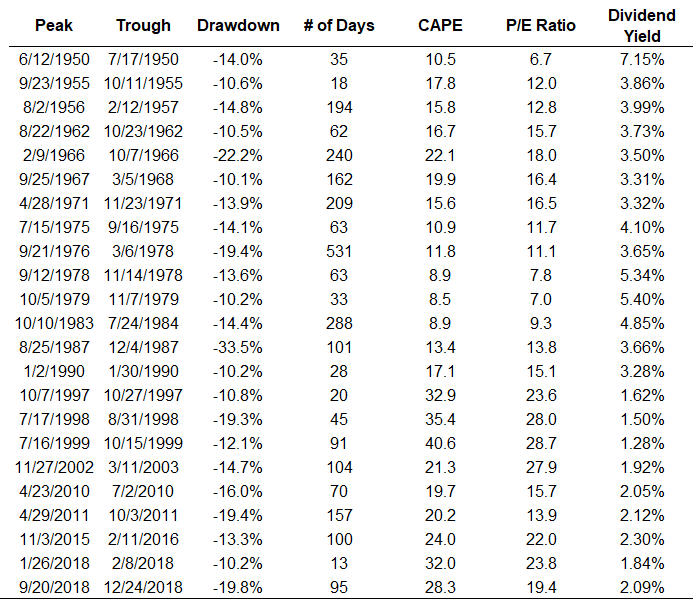
A stock market bottom can mean different things depending on the size of the decline. A short-term correction bottom may occur after a 10% pullback. A bear market bottom usually refers to the low point after a decline of 20% or more in a major index such as the S&P 500. A crash bottom is the panic version, when prices fall fast, volatility spikes, and everyone suddenly becomes an expert on canned beans, gold, and “getting out while you still can.”
Not all bottoms are created equal. Some are sharp and dramatic, like March 2020, when markets plunged and recovered with stunning speed. Others are long, grinding, and emotionally exhausting, like 2008–2009, when the financial system itself was under pressure. Some bottoms happen quietly through sector rotation, where expensive leaders fall while cheaper areas improve beneath the surface.
Current Market Context: Why 2026 Is Complicated
The 2026 stock market backdrop is a mixed plate. On one side, corporate earnings expectations have been strong. FactSet reported that analysts expected all eleven S&P 500 sectors to post year-over-year revenue growth for the second quarter of 2026, with full-year earnings growth projected above 20%. Schwab also noted that 2026 earnings estimates had surged, with S&P 500 earnings growth estimates around 25% as of late May.
On the other side, the macroeconomic picture is not perfectly smooth. The Bureau of Labor Statistics reported that U.S. CPI was up 4.2% over the 12 months through May 2026, while the unemployment rate stood at 4.2% in June and nonfarm payrolls increased by only 57,000. The Bureau of Economic Analysis estimated that real GDP grew at a 2.1% annual rate in the first quarter of 2026. The Conference Board’s Leading Economic Index rose slightly in May, but consumer expectations remained a drag.
That combination matters. Strong earnings can support stock prices, but sticky inflation can keep the Federal Reserve cautious. Slower hiring can raise recession concerns, but positive GDP growth can delay panic. Elevated valuations can limit upside, but strong profit growth can make those valuations easier to defend. Welcome to investing: the world’s most expensive group project.
Five Signs the Stock Market May Be Near a Bottom
1. Earnings Estimates Stop Falling
One of the clearest clues is the direction of earnings expectations. Stock prices usually fall when investors believe future profits are being revised lower. A durable bottom often forms when analysts stop cutting estimates or when companies guide conservatively and the stocks stop going down anyway.
This “bad news, good reaction” pattern is important. If a company reports weak results and the stock rises, the market may be saying, “We already knew this was ugly.” That can be a bottoming signal. If companies report decent numbers and stocks still fall, the market may be saying, “Not good enough, bring snacks.”
2. The Federal Reserve Becomes Less of a Headwind
Interest rates influence stock valuations, borrowing costs, housing, credit, and investor psychology. A market bottom often becomes more durable when investors believe the Fed is done tightening or preparing to ease. That does not mean stocks always wait for the first rate cut. Markets often move before policy changes become official.
However, if inflation remains too high, the Fed may keep rates restrictive, which can pressure valuations. In 2026, inflation has remained above the Fed’s 2% target, making the rate outlook a major variable for investors watching for the next meaningful market low.
3. Investor Sentiment Turns Extremely Bearish
Markets tend to bottom when investors are not asking, “Should I buy?” but rather, “Why did I ever open a brokerage account?” Extreme pessimism can be a contrarian signal because many sellers may have already sold. When cash levels rise, bearish surveys spike, and financial media becomes a parade of doom graphics, the ingredients for a rebound may be forming.
That said, sentiment alone is not enough. Investors can be bearish for good reasons. A truly useful bottoming signal combines pessimistic sentiment with improving fundamentals, better market breadth, and stabilizing credit conditions.
4. Market Breadth Improves
A rally led by only a handful of mega-cap stocks can be powerful, but it may not be healthy. A more convincing bottom often includes broad participation: small caps improving, cyclical sectors stabilizing, equal-weighted indexes participating, and more stocks rising above their moving averages.
Market breadth is like checking whether the whole team is playing or whether one superstar is dragging everyone else down the court. A market can rise for a while on narrow leadership, but durable recoveries usually need more players involved.
5. Credit Markets Calm Down
Credit markets often provide early warnings. When corporate bond spreads widen sharply, banks tighten lending, and liquidity dries up, stocks usually struggle. When credit spreads stabilize, high-yield bonds stop falling, and financing conditions improve, equity investors may regain confidence.
In plain English: if companies can still borrow money without promising their firstborn office printer, the market has a better chance of finding support.
Recession vs. Non-Recession Bottoms
One of the most important questions is whether the stock market decline is tied to a recession. Research from CFA Institute found that non-recessionary bear markets have historically been shallower and shorter than recessionary bear markets. The median non-recession bear market drawdown was around 22%, while recessionary bear markets saw a median decline closer to 35%.
This difference matters because investors should not treat every selloff the same way. If the economy avoids recession, the market may bottom after a valuation reset and a shift in sentiment. If recession arrives, the bottom may require deeper earnings cuts, a clearer policy response, and signs that economic contraction is nearing its end.
The tricky part is that official recessions are dated after the fact. The National Bureau of Economic Research looks at a broad range of economic activity measures when determining peaks and troughs. By the time a recession is officially announced, markets may already be well into the declineor even recovering.
Historical Examples: How Bottoms Actually Feel
The 2009 Bottom
The March 2009 bottom did not feel like a party. Banks were under pressure, unemployment was rising, and investors were exhausted. Yet that was precisely when the market began one of the strongest bull runs in history. The lesson: bottoms often arrive when the news still looks terrible, but the rate of deterioration begins to slow.
The 2020 Bottom
The 2020 pandemic bottom was fast and violent. Stocks collapsed in weeks, then rebounded with help from massive monetary and fiscal support. Investors who waited for economic clarity waited too long. The lesson: when policy response is overwhelming and uncertainty peaks quickly, bottoms can form before most people can emotionally process the decline.
The 2022 Low
The 2022 bear market was driven largely by inflation, aggressive rate hikes, and valuation compression. The low formed when investors began to believe inflation might cool and the Fed might eventually slow its tightening cycle. The lesson: when rates are the main problem, the market watches inflation data like a hawk with a spreadsheet.
What Could Make the Market Bottom in 2026?
If the U.S. stock market were to form a meaningful bottom in 2026, it would likely require one of three setups.
Scenario 1: A Normal Correction Bottom
In this scenario, the economy avoids recession, earnings remain resilient, and stocks pull back because valuations became too enthusiastic. The bottom might occur after a 10% to 15% decline, especially if inflation improves and investors regain confidence in earnings growth.
Scenario 2: A Mild Recession Bottom
Here, hiring weakens further, consumer spending slows, and earnings estimates fall. The market could decline more deeply before bottoming when investors see signs of Fed flexibility, credit stability, and earnings revisions reaching a trough.
Scenario 3: A Shock-Driven Bottom
A geopolitical event, energy spike, credit accident, or AI-related earnings disappointment could trigger a faster selloff. In this case, the bottom would depend on how quickly the shock is contained and whether policymakers or corporate earnings can restore confidence.
What Investors Should Do Instead of Guessing the Exact Bottom
Trying to call the exact bottom is emotionally tempting but practically dangerous. A better approach is to build a plan that works even if the market bottom arrives earlier or later than expected.
Use Dollar-Cost Averaging
Dollar-cost averaging allows investors to buy gradually instead of betting everything on one perfect entry point. It removes some pressure from the timing decision and turns volatility into a schedule rather than a panic attack.
Rebalance Your Portfolio
Rebalancing forces discipline. If stocks fall and your allocation drops below target, rebalancing may push you to buy when prices are lower. If stocks surge and risk becomes too concentrated, rebalancing may help protect gains.
Keep a Cash Reserve
Cash is not exciting. Cash will not impress anyone at brunch. But cash can prevent forced selling during a downturn. For retirees or anyone with short-term spending needs, a cash reserve can be the difference between patience and panic.
Focus on Quality
During uncertain markets, companies with strong balance sheets, durable cash flow, pricing power, and reasonable valuations tend to deserve extra attention. Speculative companies can soar in rebounds, but they can also evaporate faster than motivation on a Monday morning.
Avoid Leverage
Leverage turns market declines from uncomfortable to catastrophic. If your plan requires the market to behave politely, it is not a plan. It is a wish wearing a necktie.
Common Mistakes Investors Make Near Market Bottoms
Selling After the Big Decline
One of the most damaging mistakes is selling after the market has already fallen sharply. Fidelity has warned that investors who sell during corrections risk locking in losses and missing the recovery. The emotional relief of selling can be expensive if the market rebounds soon after.
Waiting for Perfect Clarity
Perfect clarity is usually available only at much higher prices. By the time inflation is calm, earnings are rising, unemployment is stable, and headlines are cheerful, the market may have already recovered significantly.
Buying Too Aggressively Too Early
The opposite mistake is throwing all available cash into the first dip. Markets can fall 10%, then 20%, then continue falling because the economy is still deteriorating. Buying gradually helps reduce regret and preserves flexibility.
Confusing a Rally With a Bottom
Bear market rallies can be fierce. Some of the strongest short-term rallies happen inside longer downtrends. A real bottom usually needs follow-through: improving breadth, stabilizing fundamentals, and fewer new lows.
Experience-Based Lessons: What Market Bottoms Teach Real Investors
Experience teaches investors that the stock market bottom is rarely a single magical moment. It is more like a messy process. There is the first drop, the denial phase, the “maybe this is fine” phase, the “nothing is fine” phase, and eventually the “why did I not buy when everything was on sale?” phase.
The first practical lesson is to keep an investment journal. Write down why you are buying, selling, or holding. During a selloff, emotions rewrite history. A journal reminds you whether your decision is based on a plan or on a headline that made your coffee taste like fear.
The second lesson is to build a watchlist before the market falls. When prices are collapsing, your brain is not at peak performance. It is busy imagining worst-case scenarios and refreshing charts like a lab rat with Wi-Fi. A prepared watchlist of quality companies, index funds, or asset classes can help you act rationally when opportunities appear.
The third lesson is that you do not need to be a hero. You do not have to buy the exact low. Capturing a reasonable price in a long-term plan is often more valuable than trying to win the imaginary trophy for “Best Bottom Caller.” Spoiler: there is no trophy. There is only tax paperwork.
The fourth lesson is to separate money by time horizon. Money needed in the next one to three years should not depend on a stock market rebound. Long-term money can tolerate volatility better. This simple separation can prevent panic selling and make downturns emotionally survivable.
The fifth lesson is that market bottoms feel obvious only in old charts. Looking backward, the low appears clean and dramatic. Living through it feels foggy, noisy, and uncomfortable. Investors who accept uncertainty are better prepared than those waiting for certainty to arrive in a pressed suit with a PowerPoint deck.
The sixth lesson is to respect valuation without worshiping it. Cheap markets can get cheaper. Expensive markets can get more expensive. Valuation is a compass, not a stopwatch. It helps estimate long-term opportunity but does not reliably identify next Tuesday’s bottom.
The seventh lesson is to avoid making portfolio decisions based only on politics, social media, or viral fear. Markets are influenced by policy, but they are also driven by earnings, productivity, liquidity, innovation, demographics, and investor positioning. A single dramatic narrative can blind investors to the full picture.
The eighth lesson is that doing nothing can be an action. Holding a diversified portfolio through volatility may feel passive, but it often requires more discipline than frantic trading. Vanguard has emphasized that recoveries typically follow dramatic losses and that bull market advances have historically been longer and stronger than the bear markets that came before them.
The ninth lesson is to define your rules before the next decline. For example: “If the market falls 10%, I will invest one-third of my cash reserve. If it falls 20%, I will invest another third. If earnings stabilize, I will rebalance.” Rules reduce the chance that fear becomes your unofficial financial advisor.
The final lesson is humility. The market is bigger than any forecast. It can stay expensive, cheap, irrational, euphoric, or miserable longer than expected. The goal is not to predict every turn. The goal is to survive downturns, participate in recoveries, and avoid turning temporary volatility into permanent damage.
Conclusion: So, When Will the Stock Market Bottom?
The stock market will bottom when sellers are exhausted, expectations have reset, earnings fears are mostly priced in, and investors begin looking past the current trouble toward future recovery. That bottom may come during gloomy headlines, before economic data looks clean, and long before everyone agrees it is safe.
In 2026, the market backdrop does not point to a simple answer. Strong earnings expectations and positive GDP growth argue against assuming a major bear market is inevitable. Sticky inflation, slower job growth, elevated valuations, and policy uncertainty argue against complacency. The most sensible approach is not to guess the exact bottom, but to prepare for multiple outcomes.
For long-term investors, the better question may not be “When is the bottom?” but “What will I do if stocks fall 10%, 20%, or 30%?” A clear plan beats a perfect prediction because perfect predictions are rare, but market volatility is not. The bottom will be obvious later. Your discipline has to show up earlier.