50 Posts From ‘Anti Consumption’ That Show Exactly What’s Wrong With The World

Some corners of the internet make you laugh. Others make you close your laptop, stare into the middle distance, and wonder why a banana needs three layers of plastic armor. The “Anti Consumption” movement sits somewhere between comedy, environmental therapy, and a group intervention for a society that keeps buying tiny gadgets to organize the bigger gadgets it bought last month.
The phrase “anti consumption” does not mean living in a cave, wearing a potato sack, and judging your neighbor for owning a toaster. It means questioning the modern habit of buying more than we need, replacing things before they are broken, accepting waste as normal, and letting advertising convince us that every minor inconvenience requires a new product. The popular Anti Consumption community online captures these frustrations through photos, memes, screenshots, and real-life examples of consumer culture at its most ridiculous.
From individually wrapped fruit to mountains of returned clothing, from subscription traps to “limited edition” products nobody asked for, these posts expose a world where convenience has become a lifestyle, waste has become invisible, and common sense is apparently on backorder.
What Is the Anti Consumption Movement?
Anti consumption is a social and environmental response to overconsumption. It encourages people to buy less, use what they already own, repair items, share resources, reduce waste, and resist the pressure to treat shopping as a personality trait. It overlaps with minimalism, frugal living, zero waste habits, right-to-repair advocacy, slow fashion, sustainable consumption, and the growing “underconsumption” trend seen across social media.
But anti consumption is not just about personal budgeting. It is also a critique of systems that push people to consume constantly. Companies design products with short lifespans. Apps make canceling subscriptions feel like escaping a haunted corn maze. Influencers promote weekly “must-haves” that become next week’s donation pile. Packaging grows larger while the product inside gets smaller, a corporate magic trick known to consumers as “Why is this box 80% air?”
The best Anti Consumption posts work because they are instantly understandable. You see a photo of a single peeled orange in a plastic clamshell and think, “Nature already invented packaging. It was called the peel.” No doctoral thesis required.
Why These 50 Anti Consumption Posts Hit So Hard
The power of these posts is not that they reveal one shocking problem. It is that they reveal the same problem in 50 different outfits. Overconsumption shows up at the grocery store, in the closet, on the phone, inside the garage, and buried in the fine print of “free trials.” It is not one monster. It is a hydra wearing a sale sticker.
1. Excess Packaging That Insults Human Intelligence
One of the most common examples in Anti Consumption communities is unnecessary packaging. Think plastic-wrapped bananas, tiny snacks inside individual wrappers inside a larger bag, or online orders shipped in boxes large enough to house a small emotional support raccoon.
Packaging can protect products, improve food safety, and reduce damage during shipping. The problem begins when packaging becomes absurdly disproportionate. A USB cable does not need a box, a sleeve, a plastic shell, twist ties, and a cardboard insert that looks like it was designed by someone preparing it for royal burial.
Plastic waste remains one of the clearest symbols of overconsumption because it is visible, durable, and everywhere. Even when consumers recycle correctly, local recycling systems vary widely, and many plastics are difficult or uneconomical to process. Anti Consumption posts remind us that recycling is not a magical portal. The best waste is the waste that never had to exist.
2. Food Waste in a World Where People Still Go Hungry
Food waste is another recurring theme. Photos of overflowing bakery bins, discarded produce, and untouched catered meals hit a nerve because they show a painful contradiction: abundance and scarcity existing side by side.
In the United States, government estimates have placed food waste at roughly 30% to 40% of the food supply. That means land, water, labor, fuel, refrigeration, packaging, and money are all spent producing food that never gets eaten. Then, when food decomposes in landfills, it contributes to methane emissions. Congratulations, society: we found a way to waste dinner twice.
Anti Consumption posts about food waste often show how much of the problem is structural. Retailers reject “ugly” produce. Restaurants over-prepare to avoid running out. Consumers misunderstand date labels. Households buy aspirational vegetables that slowly transform into drawer-based compost. The villain is not always laziness; often, it is a culture that treats excess as a sign of success.
3. Fast Fashion and the Closet That Became a Landfill With Hangers
Fast fashion appears frequently in anti-consumption discussions because it compresses the entire problem into one cheap polyester blouse. Trends change quickly, prices stay low, quality often suffers, and the consumer is nudged to buy more, more often.
The environmental cost is not limited to the moment of purchase. Clothing requires raw materials, dyeing, manufacturing, shipping, washing, and eventual disposal. U.S. textile waste has reached millions of tons annually, and recycling rates for textiles remain low compared with the volume produced. Many garments are difficult to recycle because they contain blended fibers, elastic, zippers, coatings, or mystery materials that feel like they were invented during a science experiment nobody supervised.
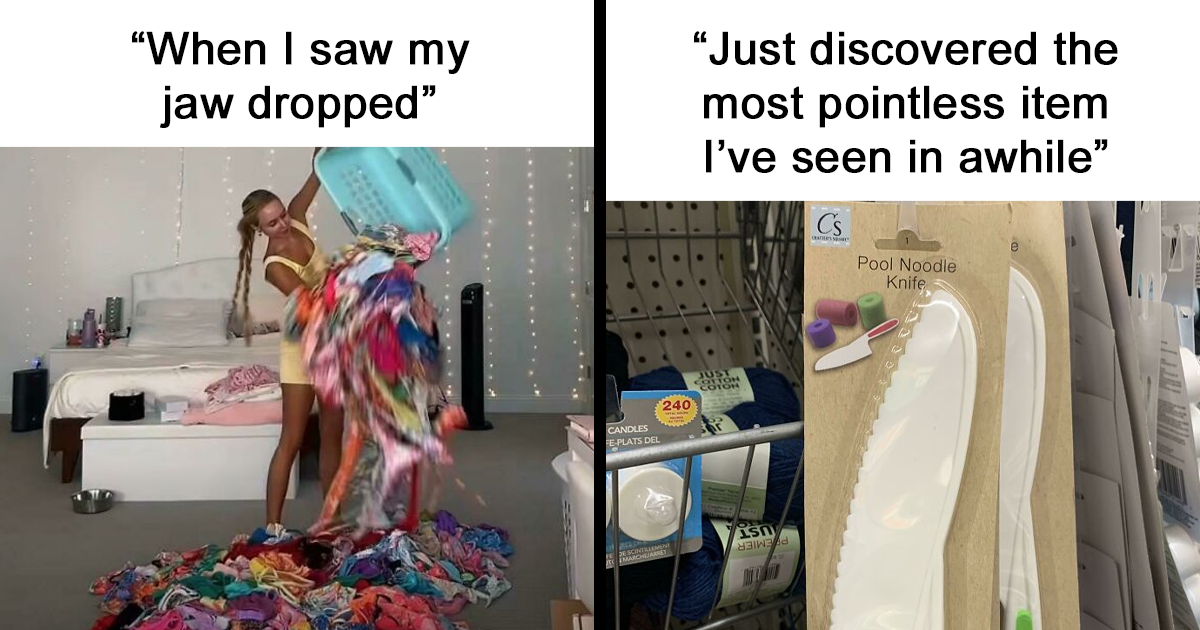
Anti Consumption posts often mock “haul culture,” where creators buy piles of clothes for content. The joke lands because many viewers recognize the cycle: buy, unbox, pose, forget, donate, repeat. The algorithm gets fed. The closet gets crowded. The planet gets the receipt.
4. Planned Obsolescence and the Right-to-Repair Fight
Another major theme is the frustration of owning products that are hard or impossible to repair. A phone battery weakens, but replacing it is expensive. A printer refuses third-party ink like it is defending a royal bloodline. A small plastic part breaks, and the manufacturer suggests buying a whole new unit.
This is where anti consumption connects directly with the right-to-repair movement. Consumers increasingly object to repair restrictions that limit access to parts, tools, manuals, software, or independent repair services. When repair is blocked, replacement becomes the default, and replacement creates more waste.
The Anti Consumption community turns these moments into proof that individual responsibility has limits. You can be the most careful consumer on Earth, but if your laptop is glued together like a government secret, your options shrink fast.
5. E-Waste: The Drawer of Dead Chargers Has Entered the Chat
Every household seems to have one: a drawer full of old phones, tangled cables, mystery adapters, and earbuds that may or may not belong to a device last seen during the Obama administration. E-waste is a serious issue because electronics contain valuable materials as well as substances that can create environmental and health risks when handled poorly.
Anti Consumption posts about electronics often highlight how quickly “new” becomes “obsolete.” A device still works, but software support ends. A charger changes shape. A repair costs more than replacement. A company announces a slightly improved model, and suddenly last year’s perfectly functional gadget is treated like a fossil.
The smarter path is not rejecting technology. It is designing products to last longer, supporting repair, standardizing accessories where possible, and creating responsible recycling systems. Also, maybe not buying a smart version of every object in the house. Your toothbrush does not need Bluetooth. It has one job.
The 50 Types of Posts That Reveal What’s Wrong With Consumer Culture
Instead of copying any specific post, here are 50 common themes that Anti Consumption communities frequently spotlight. Together, they form a painfully accurate museum of modern waste.
Wasteful Packaging and Product Design
1. Fruit wrapped in plastic despite having natural skins.
2. Tiny items shipped in comically oversized boxes.
3. “Eco-friendly” products packaged in unrecyclable plastic.
4. Single-use cutlery included when customers did not ask for it.
5. Beauty products with more container than cream.
6. Snack packs that create a wrapper for every two bites.
7. Disposable decorations for one-day events.
8. Cheap holiday merchandise designed to be thrown away.
9. Promotional freebies nobody wants but everyone receives.
10. Products labeled “green” while encouraging more consumption.
Shopping Habits That Went Off the Rails
11. Influencer shopping hauls treated as entertainment.
12. People buying duplicates because they forgot what they own.
13. Trend cycles that make clothes feel outdated in weeks.
14. Limited-edition items created only to trigger urgency.
15. Overpriced “organization” products bought to manage overbuying.
16. Seasonal décor collections that change every year.
17. Viral gadgets solving problems nobody had.
18. Subscription boxes full of random clutter.
19. “Buy more, save more” deals that encourage unnecessary spending.
20. Luxury status items marketed as self-worth in handbag form.
Corporate Practices That Deserve a Side-Eye
21. Products made difficult to repair.
22. Devices with non-replaceable batteries.
23. Ink cartridges that cost more than printers.
24. Software updates that slow older devices.
25. Subscription services that are easy to start and hard to cancel.
26. Hidden fees revealed only at checkout.
27. Shrinkflation disguised with redesigned packaging.
28. Greenwashing campaigns with vague environmental claims.
29. Loyalty programs that mostly collect personal data.
30. Disposable products marketed as lifestyle upgrades.
Food, Fashion, and Everyday Waste
31. Grocery stores discarding edible food.
32. Buffets throwing out untouched trays.
33. Consumers buying produce with good intentions and no meal plan.
34. Closets full of clothes with tags still attached.
35. Returned fashion items that cannot be resold.
36. Ultra-cheap garments falling apart after a few washes.
37. Fast furniture abandoned after one move.
38. Disposable party supplies replacing reusable basics.
39. Coffee cups used for 12 minutes and lasting for years.
40. Bottled water sold where tap water is safe and available.
Digital Consumerism and Psychological Pressure
41. Ads following users across every platform like needy ghosts.
42. Apps using countdown timers to manufacture urgency.
43. “Only 2 left” messages that may or may not be true.
44. Influencers turning every routine into a product list.
45. Children targeted with collectible toys and in-app purchases.
46. Smart devices requiring subscriptions for basic features.
47. Free trials that become paid plans by stealth.
48. Dark patterns that make opting out confusing.
49. Social pressure to upgrade before anything breaks.
50. The belief that every bad day can be fixed by buying something.
The Psychology Behind Overconsumption
Overconsumption is not just a shopping problem. It is a psychological design problem. Modern marketing is built to locate discomfort and offer a product-shaped solution. Tired? Buy this supplement. Disorganized? Buy 17 matching bins. Lonely? Buy a lifestyle. Bored? Buy a mystery box full of objects that will become tomorrow’s clutter.
Many purchases are emotional. People buy because they want control, comfort, status, identity, novelty, or relief. That does not make consumers foolish. It makes them human. The issue is that companies understand these emotional triggers extremely well and use them with surgical precision.
Anti Consumption posts are effective because they interrupt the spell. They turn the camera around and ask, “Wait, why are we doing this?” Sometimes the answer is practical. Sometimes the answer is “because a website yelled SALE in red letters and my brain briefly became a raccoon near a shiny object.”
Why Individual Choices Matter, But Are Not Enough
It is tempting to reduce anti consumption to personal lifestyle tips: carry a reusable bottle, buy secondhand, repair your jeans, meal plan, compost, avoid impulse purchases. These actions matter. They save money, reduce waste, and build healthier habits.
However, the Anti Consumption conversation becomes more powerful when it also asks bigger questions. Why are repair parts unavailable? Why are products designed for disposal? Why do companies use confusing cancellation processes? Why is food waste built into retail systems? Why are sustainable options often more expensive or less convenient than wasteful ones?
Personal responsibility works best when systems support it. A consumer can choose better, but companies must design better, governments must regulate better, and communities must build better reuse and repair infrastructure. Otherwise, the burden lands entirely on individuals while corporations continue selling disposable everything with a leaf icon on the package.
How to Practice Anti Consumption Without Becoming Miserable
The goal is not to hate every purchase. Buying things is part of life. People need food, clothes, tools, phones, transportation, furniture, and the occasional deeply unnecessary but emotionally important novelty mug. The goal is to become more intentional.
Start by pausing before buying. Ask whether the item solves a real problem, duplicates something you already own, or creates future clutter. Wait 24 hours before impulse purchases. Keep a wish list instead of a cart. Borrow tools you rarely use. Repair before replacing. Buy used when it makes sense. Choose durable products over trendy ones. Unsubscribe from marketing emails that treat your inbox like a shopping mall with no exits.
For food, plan a few flexible meals instead of buying ingredients for an imaginary version of yourself who makes homemade soup on a Wednesday night after work. Store leftovers visibly. Freeze food before it becomes a science project. Learn date labels. Use the humble “leftover bowl,” humanity’s greatest culinary technology after fire.
For clothing, define your actual style instead of chasing every trend. A smaller wardrobe that fits your life beats a crowded closet full of fantasy identities. You do not need six versions of yourself hanging in there, including “coastal grandmother,” “urban detective,” and “person who definitely attends garden parties.”
of Real-Life Experience: What Anti Consumption Teaches Us
The most relatable part of anti consumption is that nearly everyone has experienced the quiet embarrassment of owning too much. It might happen during a move, when you discover three unopened phone cases for a phone you no longer own. It might happen while cleaning the pantry, when you find a dusty bag of quinoa purchased during a brief “new year, new me” era. It might happen when a package arrives and you cannot remember what you ordered, which is less a delivery and more a cardboard accusation.
One practical experience many people share is the “use what you have” challenge. For one month, you avoid buying nonessential items and focus on using what is already in your home. At first, it feels restrictive. Then it becomes oddly satisfying. You rediscover half-used notebooks, forgotten cleaning supplies, perfectly good clothes, unread books, and enough tote bags to supply a small conference. The home starts to feel less like a storage unit for past impulses and more like a place where things have purpose.
Another common experience is repairing something instead of replacing it. Sewing a button, patching jeans, fixing a chair leg, replacing a battery, sharpening a knife, or cleaning an appliance filter can feel surprisingly empowering. Modern consumer culture often teaches us that broken means finished. Repair teaches the opposite: broken may simply mean “needs attention.” That shift changes how you see objects. They stop being disposable strangers and become useful companions with a little more story.
There is also a financial wake-up call. Many people who try anti consumption discover they were not buying luxuries; they were leaking money through small, forgettable purchases. A coffee here, a novelty item there, a subscription hiding in the account like a raccoon in the attic. None of it seems dramatic alone. Together, it becomes a monthly tribute paid to boredom and convenience. Cutting back does not always feel like sacrifice. Sometimes it feels like getting your paycheck back from a very persuasive vending machine.
The emotional side is even more interesting. Buying less can reveal how often shopping is used to manage stress, sadness, insecurity, or boredom. That realization can be uncomfortable, but it is also useful. Instead of asking, “What should I buy?” you begin asking, “What do I actually need right now?” The answer might be rest, connection, exercise, creativity, a clean room, or a meal that did not come from a panic scroll through delivery apps.
Anti consumption is not about perfection. Nobody wins a medal for owning the fewest spoons. The real goal is awareness. When you notice waste, you can reduce it. When you notice manipulation, you can resist it. When you notice that your life does not improve every time you buy something, you can stop outsourcing happiness to the checkout button.
That is why these posts resonate. They are funny, but the humor has teeth. They show a world where too much stuff has made people poorer, homes messier, landfills fuller, and choices more confusing. They also suggest a better way: slower, smarter, less wasteful, and maybe a little less ridiculous.
Conclusion: The Problem Is Not Stuff, It Is the System of More
The best “Anti Consumption” posts do more than shame wasteful habits. They reveal a culture built around endless wanting. They show how convenience can become carelessness, how novelty can become clutter, and how corporations profit when people confuse buying with living.
But the message is not hopeless. Every absurd package, broken gadget, wasted meal, and overstuffed closet is also an invitation to rethink the default. Buy less. Choose better. Repair more. Waste less. Question urgency. Ignore fake scarcity. Support policies and businesses that make sustainable choices easier.
In a world constantly shouting “Add to cart,” anti consumption whispers something far more radical: maybe you already have enough.
Note: This article synthesizes real public information from reputable U.S. government, consumer protection, environmental, retail, and research sources, including data and themes related to waste, recycling, food loss, textile waste, repair restrictions, consumer spending, and deceptive digital design.