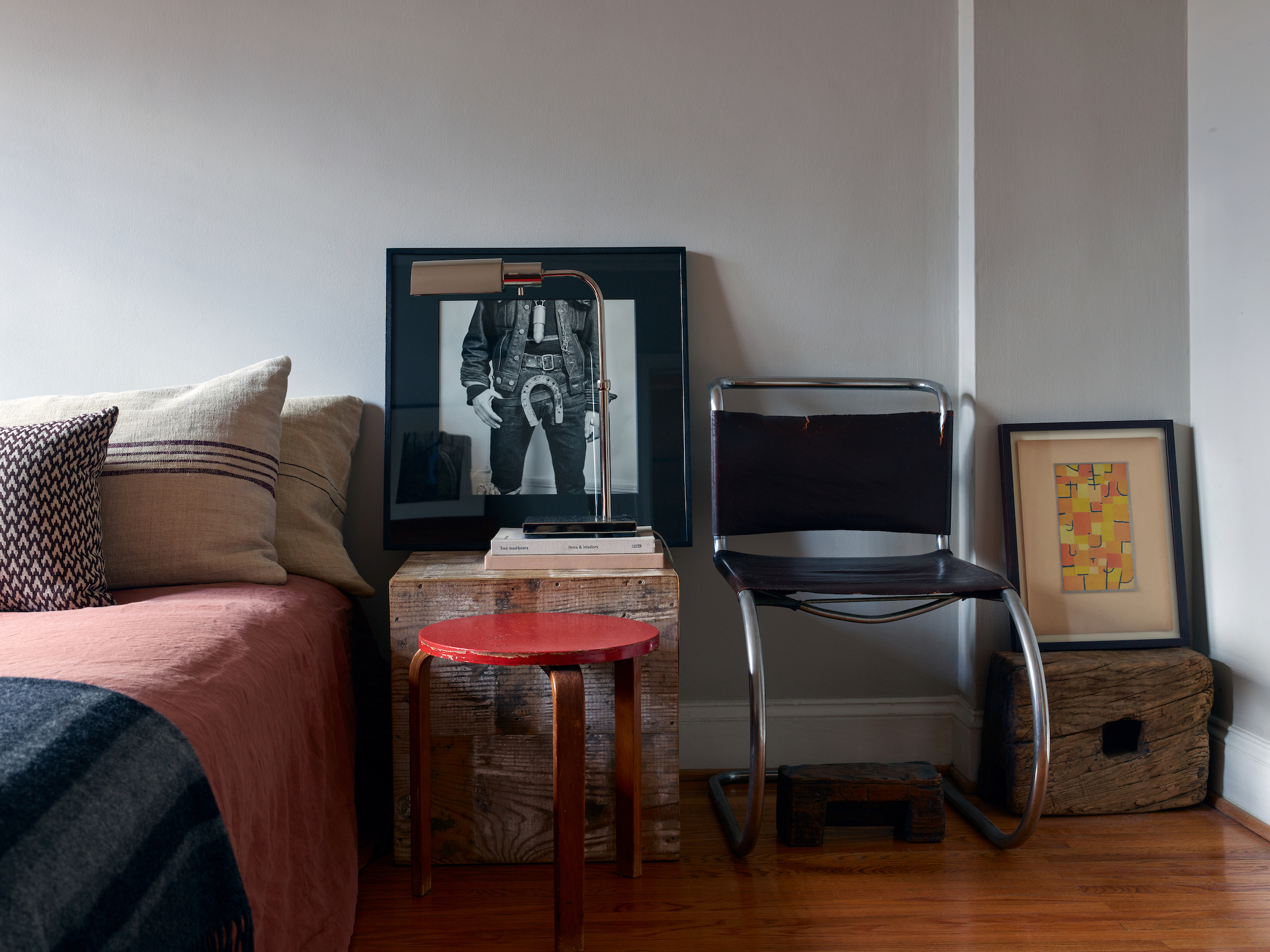

Every few years, the design world collectively looks at a perfectly nice neutral sofa and decides it has become a little too well-behaved. That moment is here again. Today’s most exciting designers are moving beyond the spotless, beige, algorithm-approved room and toward interiors with a pulse: richer colors, handmade details, expressive furniture, moody lighting, vintage pieces, and materials that practically beg to be touched.
The current design mood is not about following one strict style. It is about building homes that feel collected, personal, useful, and slightly surprising. Think of it as an antidote to the copy-and-paste interior. Instead of trying to make every room resemble a luxury hotel lobby, designers are creating spaces that hold stories, support real life, and look good even when someone leaves a book, a blanket, and three coffee cups on the table.
Across American design coverage, one theme keeps appearing: personality is back. Designers are embracing saturated colors, layered patterns, natural materials, ornamentation, and rooms that feel emotionally specific rather than broadly inoffensive. In other words, the era of “I do not want anyone to know I live here” is fading fast.
Why Designers Are Obsessed With More Personality
For years, minimalism dominated interiors because it promised calm. White walls, pale wood, tidy shelves, and one carefully selected ceramic bowl made life seem beautifully under control. The problem was that many homes began to look like they were waiting for a real person to move in.
Designers are now chasing warmth, character, and a stronger sense of place. That does not mean every room needs a leopard-print ceiling or a chandelier large enough to require its own ZIP code. It means that rooms are being designed with more emotional range. A dining room can feel dramatic. A powder room can be playful. A kitchen can be elegant enough to blend into the living area instead of announcing itself with a row of stainless-steel appliances.
Current interiors are also responding to how people actually live. Homes are expected to host work, rest, family dinners, quiet hobbies, screen time, guests, and the occasional panic-clean before company arrives. Designers are therefore favoring flexible layouts, tactile comfort, hidden storage, and furniture that earns its floor space. The goal is not perfection. The goal is a room that works hard without looking like it has a badge and a clipboard.
The Current Obsessions Shaping Designer Homes
1. Saturated Color That Behaves Like a Neutral
Designers are treating deep green, oxblood, plum, smoky blue, terracotta, and muted coral as the new foundation colors. These shades do not merely decorate a room; they give it atmosphere. A dark olive wall can make brass lighting glow. A dusty rose sofa can make a walnut coffee table feel more modern. A deep blue kitchen can feel just as timeless as white cabinetry, but with considerably more charisma.
The key is restraint within boldness. Instead of scattering ten loud colors around a room like party confetti, designers often choose one dominant hue and support it with wood, stone, upholstery, art, and softer accents. Rich color works best when it has friends. Nobody enjoys being the only dramatic person at brunch.
2. Material Drenching Instead of Color Drenching
Color drenching remains popular, but material drenching is becoming the more sophisticated cousin. Rather than covering a room in one paint shade, designers are using one material repeatedly across surfaces. Imagine a powder room wrapped in warm stone, a library lined in wood paneling, or a bedroom softened by fabric walls, upholstered headboards, and layered curtains.
This approach gives a space visual calm without making it bland. Repeating a material creates continuity, while changes in texture, finish, and light keep the room from feeling flat. Honed marble, weathered oak, brushed metal, woven wool, handmade tile, and plaster all bring depth. The room does not need to shout when the surfaces are doing the storytelling.
3. Craft That Looks Human, Not Factory-Perfect
Handmade objects are having a serious moment, and not only because everyone is tired of buying a lamp that appears in forty-seven apartments on social media. Designers are drawn to ceramics, woven textiles, carved wood, hand-troweled plaster, patchwork, and pieces with small irregularities that reveal the maker’s hand.
This renewed interest in craft is also about emotional durability. A handmade bowl, a vintage quilt, or a locally made chair often becomes more meaningful over time than a trendy decorative object purchased on a whim. Contemporary American craft is increasingly celebrated as both functional and expressive, bringing identity, cultural history, and material experimentation into everyday spaces.
4. Collectible Furniture With a Sense of Humor
Furniture is becoming more sculptural, more playful, and less interested in blending politely into the background. Designers are favoring curvy lounge chairs, chunky tables, unexpected lighting, hand-built stools, and pieces that live somewhere between useful object and small-scale art.
This does not mean every homeowner needs to finance a museum-grade chair that cannot survive a toddler, a cat, or a mildly enthusiastic dinner party. It means adding one distinctive object to anchor a room. A dramatic lamp, unusual side table, vintage cabinet, or handmade bench can make a familiar space feel far more individual.
Collectible design is increasingly driven by limited-run lighting, sculptural seating, experimental materials, and objects with strong visual narratives. The most memorable pieces tend to combine craftsmanship with a touch of delight, because a room should occasionally make you smile before you have had coffee.
5. Decorative Details Are Back From Their Long Vacation
Arches, fluted surfaces, patterned moldings, scalloped edges, decorative plaster, skirted furniture, and more substantial window treatments are all returning to contemporary interiors. These details help newer homes gain depth and give renovated spaces a stronger sense of architecture.
The appeal is simple: decoration creates shadow, rhythm, and visual interest. A plain room can feel instantly more intentional with picture-frame molding, a textured ceiling, or a tailored curtain that actually reaches the floor. Designers are rediscovering that a wall does not need to remain blank just because it is technically functioning as a wall.
Traditional details are being used with a modern eye rather than copied as historical costume. A streamlined arch, a simplified cornice, or a pattern-heavy textile can add personality without turning a home into a stage set for a period drama.
6. The Invisible Kitchen
Kitchens are becoming quieter visually, especially in open-plan homes. The current obsession is the “invisible kitchen,” where appliances, storage, and utility zones are integrated into cabinetry so the kitchen reads more like furniture than a commercial prep station.
Paneled refrigerators, appliance garages, concealed pantries, integrated ventilation, and warm wood finishes help the kitchen feel connected to nearby living and dining areas. This style is especially appealing to people who want their home to feel relaxed after dinner rather than like a television cooking competition is about to begin.
The smartest invisible kitchens still prioritize function. Hidden storage must be easy to reach, surfaces must be durable, and the cook should not need a treasure map to locate the coffee mugs. The best designs hide the mess, not the usability.
7. Flexible Rooms With Real Emotional Range
Designers are creating rooms that can shift between solitude and socializing. A guest room may include a writing desk and reading chair. A dining room may double as a library. A living room may include several seating zones instead of one giant sofa aimed at a television like it is delivering a keynote speech.
Hospitality design is influencing residential spaces, encouraging designers to create environments that offer comfort, choice, sensory richness, and a sense of belonging. The home is becoming less about one fixed function per room and more about making people feel welcome in different moods and moments.
8. Slow Decorating and the Anti-Impulse Home
One of the healthiest current obsessions is slow decorating. Rather than furnishing an entire house in one frantic weekend, designers are encouraging homeowners to collect gradually. Start with strong foundational pieces, live with the space, notice what is missing, and make room for objects with history.
Slow decorating makes homes more personal and often more sustainable. It leaves room for antiques, repaired furniture, vintage lighting, inherited objects, and locally made pieces. It also reduces the pressure to buy everything immediately, which is excellent news for both the budget and the dining chair currently holding your laundry.
Design professionals are increasingly connecting long-term design value with reuse, adaptable spaces, lower-waste material choices, and products designed for a longer life cycle. The most stylish room is not necessarily the newest one; it is the one that continues to feel useful and loved.
The Designers Defining the Mood
What makes this design moment especially interesting is that it is not being driven by one aesthetic dictator. The conversation is broader, more multicultural, and more willing to mix high design with accessible ideas.
Kelly Wearstler remains a major influence because her work treats interiors as immersive compositions rather than simple collections of furniture. Her projects often combine unexpected forms, strong materials, vintage references, and a fearless approach to contrast. Her recent collaborations continue to show how expressive design can reach beyond private luxury interiors and enter more everyday spaces.
Sheila Bridges continues to prove that pattern, history, and accessibility can coexist. Her work is known for its intelligence, humor, and cultural resonance, demonstrating that decorative design can carry real meaning without becoming overly precious. Her recent home collection work reinforces the idea that great design should not require a secret handshake at the showroom door.
Meanwhile, institutions such as Cooper Hewitt are recognizing a wider range of creative voices. The 2026 National Design Awards honored figures and studios across architecture, interior design, fashion, climate action, product design, and communication design. Notable honorees included Charlap Hyman & Herrero for interior design, Frida Escobedo Studio for architecture, Mattaforma as an emerging designer, and Robert Earl Paige as a design visionary. That breadth reflects a larger truth: today’s design conversation is about more than pretty rooms. It is about culture, climate, accessibility, craft, and everyday life.
How to Borrow These Designer Obsessions Without Rebuilding Your Entire House
You do not need a full renovation, a demolition permit, or a chandelier with its own publicist to bring these ideas home. Start by choosing one obsession that genuinely fits your life.
- Try color: Paint a small room, bookshelf, or cabinet in a deep, warm shade.
- Add tactile contrast: Pair a smooth table with woven chairs, linen curtains, or a wool rug.
- Buy one handmade piece: A ceramic lamp, woven basket, carved stool, or local artwork can shift the whole mood.
- Move furniture away from the walls: Floating a sofa or chair slightly can create a more intimate and functional seating area.
- Mix old and new: Balance modern upholstery with a vintage mirror, antique chest, or inherited object.
- Design for real habits: Put a reading lamp where you actually sit, add storage where clutter gathers, and choose surfaces that can survive your household.
The secret is not to make a room look expensive. It is to make it look considered. A home should feel like a place where life has been happening, not a showroom where nobody is allowed to put down a glass of water.
Design Experiences: What These Obsessions Feel Like in Real Rooms
Picture walking into a living room at the end of a long day. The walls are a muted olive green, not bright enough to shout and not dark enough to swallow the light. A vintage wood sideboard holds a slightly crooked ceramic vase filled with branches from the yard. The sofa is soft, the rug is textured, and there is a lamp with a shade warm enough to make everyone in the room look like they slept eight hours. This is the feeling designers are chasing: not perfection, but relief.
In a well-designed room, the experience begins before anyone notices a specific chair or paint color. You notice that you want to sit down. You notice that the light feels good. You notice that the room seems to understand what it is for. A reading corner invites reading. A dining table invites staying for dessert. A kitchen allows people to gather without trapping the cook in a brightly lit appliance warehouse.
One of the most useful experiences in current design is the rediscovery of contrast. A room feels richer when smooth surfaces meet rough ones, when something old sits beside something new, and when one polished object is balanced by something handmade. A glossy table becomes more interesting next to a woven chair. A formal antique mirror becomes less serious when paired with a playful lamp. The room develops a conversation instead of a matching-set monologue.
Color changes the experience too. A deep blue hallway can make the walk from bedroom to kitchen feel cinematic. A terracotta dining room can make a Tuesday-night meal seem more intentional. A plum velvet chair can become the best seat in the house, even if the person sitting in it is only scrolling through grocery delivery options. Good color does not merely make a room prettier; it changes the emotional temperature.
Then there is the experience of living with objects that have a story. A table bought from a local maker may show small signs of the hand that shaped it. A repaired chair may be more interesting after the repair than before it. A family photograph, travel souvenir, or old book can carry more design power than a dozen perfectly coordinated accessories. These objects help a room feel rooted. They remind people that home is not a trend report. It is an archive in progress.
Designers also understand that comfort is not only physical. A room can be comfortable because it is forgiving. It has a basket for blankets, a place for shoes, a table that can handle homework, and enough lighting to make people feel awake without feeling interrogated. The best spaces support messy, ordinary life while still offering a little beauty. They do not demand that you become a different person to deserve them.
That may be the biggest current obsession of all: homes that feel deeply personal. Not perfect. Not copied. Not frozen in time for a photograph. Personal spaces grow slowly, gather character, and make room for the people inside them. That is why the designers are reaching for color, craft, texture, flexibility, and history. They are not simply decorating rooms. They are designing a better place to live.
Conclusion
The current design obsessions are less about chasing a single trend and more about refusing to live in generic spaces. Designers are embracing bolder color, handmade craft, expressive furniture, decorative detail, layered materials, adaptable rooms, and more thoughtful approaches to buying and reusing objects.
The result is a home that feels warmer, smarter, and more alive. So keep the beige sofa if you love it. Just give it a little company: a sculptural lamp, a moody wall, a vintage table, a handmade bowl, or a curtain that finally touches the floor. Your room does not need to be flawless. It only needs to feel like yours.
Note: This article synthesizes current design reporting and professional guidance from Architectural Digest, ELLE Decor, House Beautiful, Veranda, Dwell, Gensler, Cooper Hewitt, the American Institute of Architects, the U.S. Green Building Council, and Design Milk.