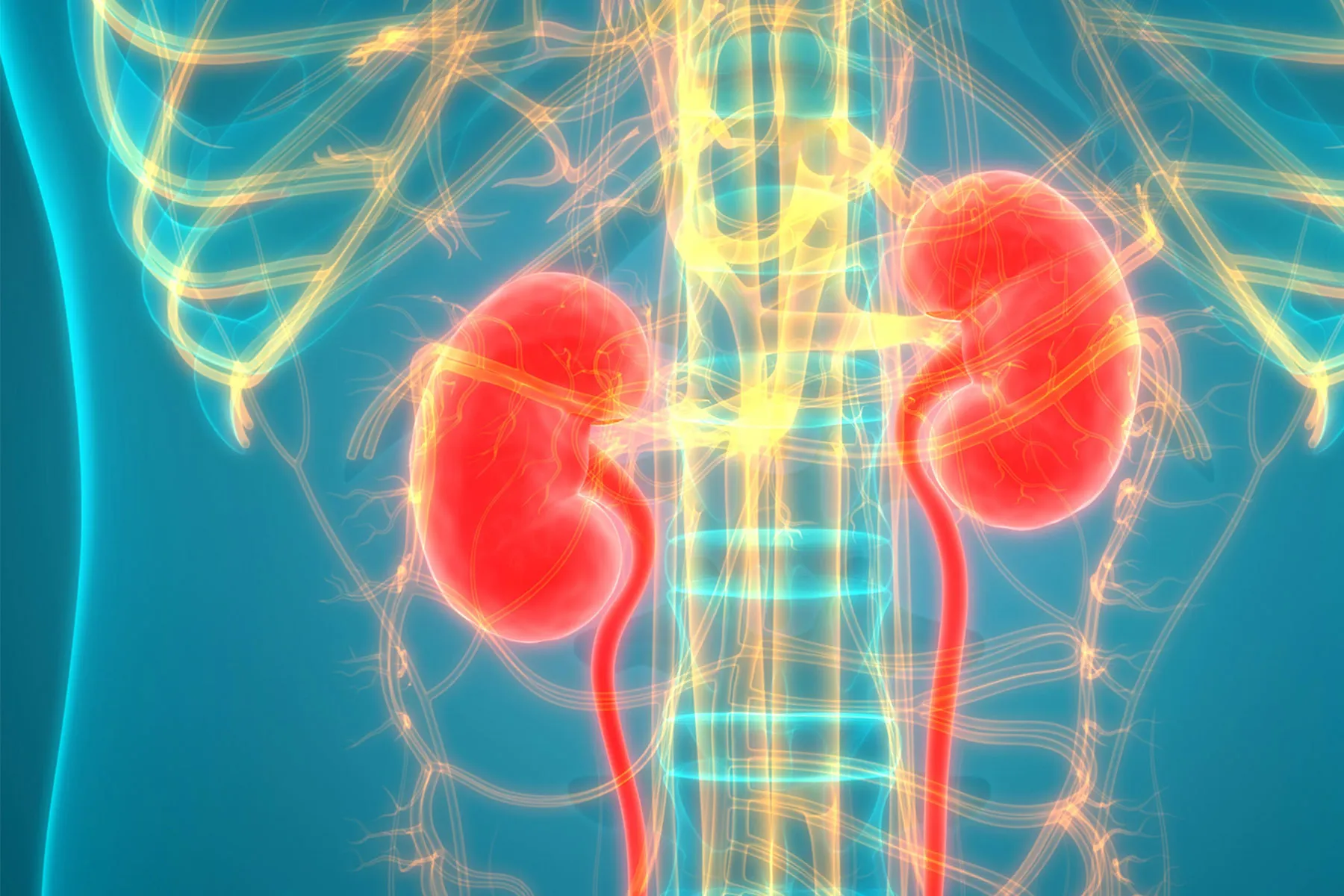

Bartter syndrome is a rare inherited kidney disorder with a surprisingly simple starting point: the kidneys have trouble reclaiming salt. From there, however, the plot becomes considerably more complicated. Sodium and chloride escape into the urine, water follows them, potassium levels fall, hormones become overactive, and the body begins working overtime to maintain fluid balance.
The condition may appear before birth, during infancy, in childhood, orless commonlyin adulthood. Some forms are severe enough to cause premature delivery and dangerous dehydration in newborns, while milder forms may first appear as poor growth, frequent urination, muscle cramps, fatigue, or an unusually enthusiastic relationship with the salt shaker.
What Is Bartter Syndrome?
Bartter syndrome is a group of genetic salt-wasting disorders affecting the kidney tubules. Most forms interfere with salt transport in the thick ascending limb of the loop of Henle, a section of each nephron that normally reabsorbs sodium, potassium, and chloride while helping the kidneys concentrate urine.
When this transport system does not work properly, excessive salt is lost in the urine. The resulting reduction in circulating fluid activates the renin-angiotensin-aldosterone system. Renin and aldosterone levels rise, encouraging the kidneys to retain sodium farther along the nephronbut potassium and hydrogen ions are sacrificed in the process. The typical laboratory result is hypokalemic metabolic alkalosis: low blood potassium combined with blood that is more alkaline than normal.
Despite elevated renin and aldosterone, most people with Bartter syndrome have normal or low blood pressure because they continue losing salt and water. The condition can resemble the effects of taking a loop diuretic, except the “water pill” effect is built into the kidney’s transport machinery rather than coming from a medication.
How Rare Is Bartter Syndrome?
The exact prevalence is uncertain, but estimates commonly suggest that Bartter syndrome affects roughly one person per million worldwide. Because mild cases may be overlooked or confused with other electrolyte disorders, the real number could be somewhat higher. It remains considerably less common than Gitelman syndrome, another inherited salt-wasting tubulopathy.
What Causes Bartter Syndrome?
Bartter syndrome is usually caused by disease-related variants in genes that provide instructions for ion channels and transport proteins in the kidneys. These proteins work together like a microscopic relay team, moving sodium, potassium, and chloride across kidney cells. When one runner drops the baton, the entire salt-reabsorption process can slow down or fail.
Most established forms follow an autosomal recessive inheritance pattern. This means an affected child generally inherits one altered copy of the relevant gene from each parent. The parents are usually healthy carriers. When both parents carry variants in the same recessive gene, each pregnancy typically has a 25% chance of producing an affected child, a 50% chance of producing a carrier, and a 25% chance of producing a child who inherited neither variant.
A less common, transient antenatal form is associated with the MAGED2 gene and follows an X-linked inheritance pattern. Naming systems have changed as researchers have discovered additional genes, so a patient’s report may use gene-based terminology, numbered types, or descriptions such as antenatal, neonatal, or classic Bartter syndrome.
Major Genetic Types
| Type | Commonly Associated Gene | Typical Pattern |
|---|---|---|
| Type 1 | SLC12A1 | Often begins before birth or during the newborn period; may cause polyhydramnios, prematurity, severe salt loss, and nephrocalcinosis. |
| Type 2 | KCNJ1 | Usually antenatal or neonatal and often clinically similar to type 1. |
| Type 3 | CLCNKB | Often called classic Bartter syndrome; commonly appears in infancy or childhood and may be milder. |
| Type 4A | BSND | Usually severe and early-onset; associated with sensorineural hearing loss. |
| Type 4B | CLCNKA and CLCNKB | Similar to type 4A and may include congenital hearing loss. |
| Transient antenatal form | MAGED2 | Can cause severe prenatal salt wasting but may improve substantially during infancy or early childhood. |
Some medical references also discuss calcium-sensing receptor disorders as Bartter-like syndromes. Because the classification is still evolving, genetic results should be interpreted by a clinician familiar with inherited kidney tubule disorders.
Bartter Syndrome Symptoms
Symptoms vary according to the gene involved, the amount of remaining transporter activity, the patient’s age, and how quickly fluid and electrolyte losses are replaced. Even siblings with the same genetic change may not experience identical symptoms.
Symptoms Before Birth
Severe antenatal forms can cause the fetus to produce unusually large amounts of urine. This increases the amount of amniotic fluid, producing polyhydramnios. The uterus becomes overdistended, increasing the risk of contractions and premature birth. Fetal growth restriction may also occur.
Polyhydramnios has many possible causes, so it does not automatically mean a fetus has Bartter syndrome. However, severe unexplained polyhydramniosparticularly when accompanied by signs of fetal polyuria, prematurity, or a family history of salt-wasting diseasemay lead clinicians to consider genetic testing.
Symptoms in Newborns and Infants
- Very frequent urination
- Persistent thirst or unusually high fluid needs
- Dehydration
- Episodes of unexplained fever
- Vomiting or feeding difficulties
- Poor weight gain or failure to thrive
- Premature birth
- Low muscle tone or weakness
- Excessive calcium in the urine
- Calcium deposits in the kidneys
- Hearing loss in certain genetic types
Infants may become dehydrated rapidly because their kidneys cannot conserve salt and water efficiently. A feeding schedule that would be perfectly ordinary for another baby may not provide enough fluid or electrolytes for an infant with severe Bartter syndrome.
Symptoms in Children and Adults
- Frequent urination, including nighttime urination
- Excessive thirst
- Salt cravings
- Muscle cramps, spasms, or weakness
- Fatigue and reduced exercise tolerance
- Constipation
- Dizziness, especially when standing
- Low or low-normal blood pressure
- Poor growth or short stature
- Delayed development in severe childhood cases
- Kidney stones or nephrocalcinosis
- Heart palpitations when potassium becomes very low
Mild hypokalemia may produce few noticeable symptoms. More severe potassium depletion can interfere with muscle, nerve, digestive, and heart function. Warning signs can include pronounced weakness, fainting, paralysis, or an abnormal heart rhythm.
Why Does Bartter Syndrome Cause So Many Problems?
Salt loss is the first domino. Water follows sodium into the urine, creating chronic volume depletion and stimulating renin and aldosterone. Aldosterone helps recover some sodium but increases urinary potassium and hydrogen loss. That creates hypokalemia and metabolic alkalosis.
The damaged salt-transport system also weakens the kidney’s ability to build the concentration gradient needed to conserve water. The result is dilute, high-volume urine and relentless thirst. In several Bartter types, calcium loss rises as well. Calcium can collect in kidney tissue, causing nephrocalcinosis, or contribute to kidney stones. Chronic electrolyte imbalance and inadequate nutrition may interfere with growth and bone health.
Type 4 disease can affect hearing because the related chloride channels are needed not only in the kidneys but also in the inner ear. The kidneys and ears may seem like unlikely roommates, but genetics occasionally enjoys unconventional architecture.
How Bartter Syndrome Is Diagnosed
Diagnosis begins with the clinical pattern. A doctor may suspect Bartter syndrome in a premature infant with polyhydramnios and severe urine output, or in a child with poor growth, thirst, frequent urination, low potassium, and metabolic alkalosis.
Blood Tests
Blood testing may show low potassium, low chloride, and elevated bicarbonate consistent with metabolic alkalosis. Magnesium, calcium, phosphate, kidney function, renin, and aldosterone may also be measured. Renin and aldosterone are typically elevated even though blood pressure is not high.
Urine Tests
Urine testing commonly reveals inappropriate losses of chloride, sodium, and potassium. Urinary calcium may be normal or high, depending on the genetic form. A urine calcium-to-creatinine ratio can help distinguish Bartter syndrome from Gitelman syndrome, which more often causes low urinary calcium and significant magnesium deficiency.
Imaging and Other Tests
A kidney ultrasound may be used to look for nephrocalcinosis or stones. An electrocardiogram may be ordered when potassium is very low or the patient has palpitations, weakness, or fainting. Hearing tests are important when type 4 disease is suspected.
Genetic Testing
Genetic testing can confirm the diagnosis, identify the subtype, guide family screening, and provide more accurate reproductive counseling. A negative test does not always rule out the condition because some patients may have variants that current panels do not detect or changes in genes that have not yet been clearly associated with the disease.
Conditions That Can Resemble Bartter Syndrome
Doctors must rule out other causes of low potassium and metabolic alkalosis. These include vomiting, laxative misuse, diuretic use, Gitelman syndrome, mineralocorticoid disorders, cystic fibrosis, congenital chloride diarrhea, and certain medication-related tubular injuries.
Urine chloride is particularly helpful. Repeated vomiting usually produces low urine chloride because the body is desperately attempting to conserve chloride. Bartter syndrome generally causes persistently elevated urine chloride because the kidneys continue wasting it. A medication history and, when necessary, a urine diuretic screen can help identify diuretic exposure.
Bartter Syndrome Treatment
There is currently no routine treatment that repairs the underlying genetic transporter defect. Management focuses on replacing what the kidneys lose, reducing excessive urinary losses, supporting growth, and preventing complications. Treatment is usually long-term and must be adjusted to the patient’s age, genetic type, laboratory results, symptoms, kidney function, and ability to tolerate medications.
1. Fluid and Salt Replacement
Patients may require increased fluid and sodium intake, especially during infancy, hot weather, exercise, fever, vomiting, or diarrhea. The precise amount must be individualized. Too little replacement can worsen dehydration, while excessive sodium may increase urine volume in patients who have a severe concentrating defect.
2. Potassium Chloride
Potassium chloride is commonly used to treat potassium and chloride depletion. Doses are often divided throughout the day because the kidneys continue losing potassium and a single large dose may cause gastrointestinal discomfort or produce wide swings in blood levels.
Potassium should never be self-prescribed based solely on symptoms. Too much potassium can also disrupt the heart rhythm, particularly if kidney function changes or interacting medications are introduced.
3. Magnesium Supplements
Magnesium may be prescribed when blood levels are low. Correcting magnesium deficiency can make hypokalemia easier to treat. Some magnesium products cause diarrhea, which is especially inconvenient in a disorder already famous for fluid-management problems, so clinicians may adjust the formulation or divide the dose.
4. Nonsteroidal Anti-Inflammatory Drugs
Some patients receive an NSAID such as indomethacin or ibuprofen. Bartter syndrome can increase kidney prostaglandin production, which contributes to salt wasting, high urine output, and elevated renin. Reducing prostaglandin activity may decrease polyuria, improve electrolyte control, and support growth.
This treatment is not the same as casually taking an over-the-counter pain reliever. Long-term or high-dose NSAIDs can cause stomach ulcers, gastrointestinal bleeding, changes in kidney function, and other complications. They require specialist selection, dosing, and monitoring. Acid-suppressing treatment may be considered for some patients.
5. Other Medications
Potassium-sparing medications, ACE inhibitors, or angiotensin receptor blockers have been used in selected patients to reduce potassium loss or hormonal activation. However, evidence is limited, and these drugs can worsen low blood pressure, dehydration, or kidney function. They are not automatic additions to every Bartter syndrome treatment plan.
6. Nutritional and Growth Support
Infants and children need careful monitoring of calories, protein, fluid intake, height, and weight. Correcting chronic dehydration and electrolyte losses may allow catch-up growth. Growth hormone is sometimes considered for carefully selected children with persistent severe short stature, usually after nutritional and metabolic problems have been addressed.
Monitoring and Long-Term Care
Follow-up commonly includes blood pressure, growth measurements, kidney function, electrolytes, acid-base balance, urinary calcium, and medication side effects. Kidney ultrasound may be repeated periodically to monitor nephrocalcinosis or stones. Patients with hearing-associated types need audiology care.
Many people achieve good symptom control and can participate in school, work, travel, and exercise with appropriate planning. However, severe dehydration, recurrent hypokalemia, nephrocalcinosis, growth impairment, and chronic kidney disease can occur. Long-term studies suggest that kidney complications affect a minority rather than every patient, which is why regular monitoring should continue even when someone feels well.
When Is Bartter Syndrome an Emergency?
Urgent medical evaluation is appropriate when a person with Bartter syndrome develops:
- Fainting, confusion, or unusual drowsiness
- Chest pain or persistent heart palpitations
- Severe muscle weakness or inability to move normally
- Repeated vomiting or diarrhea
- Very low urine output despite usual polyuria
- Inability to drink or keep supplements down
- Rapid breathing, severe dizziness, or signs of shock
- Marked dehydration, including dry mouth, sunken eyes, or poor responsiveness
Sudden severe hypokalemia can cause dangerous arrhythmias or paralysis. Infants and young children may deteriorate particularly quickly during gastrointestinal illness or hot weather.
Practical Experiences and Lessons From Daily Life
The following experience-based section is a composite educational scenario drawn from common challenges described in clinical care. It is not the story of one identifiable patient.
A family caring for a child with Bartter syndrome often discovers that treatment is less like taking one daily vitamin and more like managing a small, highly opinionated chemistry laboratory. Potassium, sodium, magnesium, fluid intake, meals, school schedules, and laboratory appointments must coexist without causing rebellion from either the child or the digestive system.
Mornings may begin with divided supplements rather than one heroic dose. Families often learn that a large potassium dose taken on an empty stomach can cause nausea, while magnesium may bring an unwanted side effect: diarrhea. Working with the care team to adjust timing, formulation, and food pairings can improve adherence considerably. The best schedule is not merely the one that looks tidy on paper; it is the one the patient can follow consistently.
Hydration becomes a daily skill. A child may need a water bottle at school, unrestricted bathroom access, and permission to drink more frequently than classmates. Teachers sometimes interpret repeated bathroom trips as avoidance or distraction until the family explains that high urine output is part of the disorder. A simple written school health plan can prevent awkward negotiations every time the student raises a hand.
Illness days require extra caution. A routine stomach virus can remove fluid and electrolytes through vomiting or diarrhea while prescribed supplements are being missed or expelled. Experienced caregivers usually keep written instructions explaining when to call the clinic, which symptoms require emergency care, and whether laboratory testing is needed. They do not independently double medication doses, even when the temptation to “replace what was lost” feels logical.
Older children and adults frequently become experts in recognizing their own warning signs. Muscle heaviness, unusual fatigue, constipation, dizziness, intense thirst, or palpitations may signal that potassium or fluid balance has changed. Symptoms alone cannot reveal the exact electrolyte level, but they can provide an early reason to contact the medical team.
Travel adds another layer of strategy. Patients may carry extra medication in original labeled containers, copies of prescriptions, a diagnosis summary, recent laboratory results, and enough supplies to cover delays. Supplements are divided between bags so one misplaced suitcase does not become a medical plot twist. Hot climates, long flights, and strenuous sightseeing may require a more deliberate hydration plan.
Emotional adjustment matters too. Because Bartter syndrome is rare, patients may repeatedly explain it to new clinicians, teachers, employers, and relatives. Some people feel frustrated that they can appear healthy while managing a demanding condition every day. Connecting with a rare-disease organization, renal dietitian, genetic counselor, or another affected family can reduce that sense of isolation.
The most valuable practical lesson is consistency rather than perfection. One unusual laboratory result does not define the entire future, and one missed dose does not erase months of good care. Long-term success usually comes from recognizing patterns, communicating early, keeping appointments, and adjusting treatment with the clinical team. Bartter syndrome may require extra planning, but with appropriate management, many patients can grow, study, work, travel, and build a life that is much larger than their laboratory chart.
Conclusion
Bartter syndrome is a rare genetic kidney disorder that causes excessive loss of salt, potassium, water, and sometimes calcium or magnesium. Its presentation ranges from severe prenatal disease to milder childhood or adult symptoms. Frequent urination, thirst, poor growth, dehydration, muscle weakness, low potassium, metabolic alkalosis, and normal-to-low blood pressure are important clues.
Diagnosis typically combines blood tests, urine electrolyte measurements, kidney imaging, exclusion of similar conditions, and genetic testing. Treatment may include fluid, sodium, potassium, and magnesium replacement, nutritional support, and carefully monitored medications that reduce prostaglandin activity or potassium loss. Early recognition and regular nephrology follow-up can greatly improve electrolyte stability, growth, and quality of life.