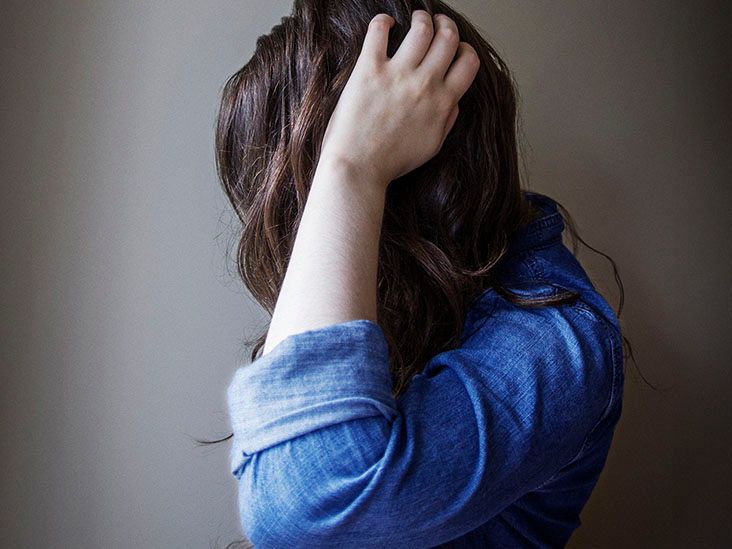

Finding bumps on the scalp can feel oddly dramatic. One minute you are washing your hair like a responsible adult; the next, your fingers discover a mysterious lump and your brain immediately opens a detective agency. Is it a pimple? A cyst? A bug bite? A hair product rebellion? The good news is that most scalp bumps are common, manageable, and not dangerous. The less fun news is that the scalp is a crowded neighborhood of hair follicles, oil glands, sweat, styling products, microbes, and sun exposure, so many different problems can look surprisingly similar.
This guide explains the most common causes of bumps on the scalp, the symptoms that help tell them apart, and the treatment options that may help. It is written for everyday readers, but with medically grounded detail. Think of it as a practical map for your scalp mysterynot a replacement for a dermatologist, but a very useful first clue.
What are bumps on the scalp?
Bumps on the scalp are raised areas that may appear as pimples, sores, lumps, cysts, scaly patches, blisters, or tender knots under the skin. They can be tiny and itchy, large and painful, soft and movable, crusty and flaky, or firm and persistent. Some appear suddenly after sweating, shaving, coloring your hair, or trying a new shampoo. Others grow slowly over months or years.
The scalp is packed with hair follicles, and each follicle can become clogged, irritated, inflamed, or infected. That is why scalp bumps often involve folliculitis, acne-like breakouts, ingrown hairs, cysts, dandruff-related inflammation, fungal infections, or allergic reactions. In some cases, a bump may be unrelated to the follicle itself, such as a skin cancer lesion, an abscess, or a swollen area caused by trauma.
Common causes of bumps on the scalp
1. Scalp folliculitis
Folliculitis happens when hair follicles become inflamed, often because of bacteria, yeast, friction, sweat, shaving, occlusive hair products, or irritation. On the scalp, it may look like small red bumps, white-headed pimples, tender spots, or crusty sores. The bumps may itch, burn, or feel sore when you brush your hair.
Mild folliculitis may improve with gentle washing, warm compresses, and avoiding heavy oils or tight hats. A doctor may prescribe topical antibiotics, antifungal products, antiseptic washes, or oral medication if the condition is widespread, painful, recurrent, or not improving. One important rule: do not pick or squeeze the bumps. Your scalp is not a bubble-wrap sheet, and popping can spread infection or cause scarring.
2. Scalp acne
Scalp acne is similar to acne on the face, chest, or back. It forms when pores or follicles become clogged with oil, dead skin cells, sweat, bacteria, or product buildup. It often appears along the hairline, crown, or back of the head. People who use heavy pomades, dry shampoo, leave-in conditioners, helmets, or tight headwear may notice more flare-ups.
Symptoms may include small pimples, tender bumps, blackheads, whiteheads, or deeper painful nodules. Treatment often starts with noncomedogenic hair products, regular cleansing after sweating, and acne-fighting ingredients such as salicylic acid or benzoyl peroxide in scalp-safe formulas. Severe or cystic scalp acne may need prescription treatments from a dermatologist.
3. Pilar cysts and epidermoid cysts
Cysts are among the classic “I found a lump on my head” discoveries. Pilar cysts are especially common on the scalp and often feel like smooth, round, firm bumps under the skin. They usually grow slowly and may be painless. Epidermoid cysts can also occur on the scalp and may contain keratin, a thick protein material.
Most cysts are benign, but they can become painful if inflamed, ruptured, infected, or repeatedly irritated by combing and scratching. Treatment is not always necessary if the cyst is small and quiet. If it grows, hurts, drains, becomes red, or bothers you cosmetically, a healthcare professional can evaluate it. Removal usually requires a minor procedure; squeezing it at home is a terrible idea with excellent potential for regret.
4. Seborrheic dermatitis and dandruff-related bumps
Seborrheic dermatitis is a common inflammatory skin condition that often affects oily areas, especially the scalp. It can cause stubborn dandruff, greasy scales, redness, itching, and irritated patches. When inflammation is strong, the scalp may feel bumpy or sore, and scratching can create small scabs or raised irritated spots.
Mild cases may improve with medicated dandruff shampoos containing ingredients such as ketoconazole, selenium sulfide, zinc pyrithione, salicylic acid, or coal tar. More persistent cases may need prescription antifungal shampoos, anti-inflammatory scalp solutions, or short courses of topical steroids. Since seborrheic dermatitis tends to come and go, maintenance care matters. Your scalp may not want drama, but it does appreciate consistency.
5. Scalp psoriasis
Scalp psoriasis is an immune-related inflammatory condition that causes thick, scaly plaques. These patches can feel raised or bumpy and may extend beyond the hairline to the forehead, neck, or behind the ears. The scales may look silvery-white on lighter skin or gray, purple, or darker brown on deeper skin tones. Itching can range from mild to intense.
Treatment depends on severity. Options include medicated shampoos, scale softeners, salicylic acid, coal tar products, topical corticosteroids, vitamin D analogs, light therapy, or systemic medications for more severe psoriasis. Picking at the plaques may cause bleeding, soreness, or temporary hair shedding, so gentle scale removal is safer than aggressive scratching.
6. Ringworm of the scalp, also called tinea capitis
Despite the name, ringworm is not a worm. It is a fungal infection, which is slightly less horrifying but still very contagious. Tinea capitis is more common in children, though adults can get it too. It may cause round or irregular scaly patches, itching, broken hairs, hair loss, black dots where hairs have snapped, swelling, tenderness, or crusting. In more inflammatory cases, a painful boggy swelling called a kerion may develop.
Scalp ringworm usually requires prescription oral antifungal medication because topical creams cannot adequately reach the infection inside hair shafts. Antifungal shampoos may help reduce spread but typically do not cure it alone. Household members and pets may need evaluation if reinfection keeps happening.
7. Contact dermatitis from hair products
If bumps, itching, burning, or a rash appear after using a new shampoo, hair dye, fragrance, gel, oil, relaxer, or styling product, contact dermatitis may be the culprit. This reaction can be irritant-based or allergic. Hair dye allergies, especially reactions to certain dye ingredients, can cause intense itching, swelling, redness, oozing, or bumps around the scalp, hairline, ears, and neck.
The first step is to stop using the suspected product. Gentle washing, cool compresses, fragrance-free products, and avoiding scratching may help mild irritation. A clinician may recommend topical steroids or other anti-inflammatory treatments for more severe reactions. If there is facial swelling, trouble breathing, or widespread hives, seek urgent care.
8. Head lice
Head lice are tiny insects that live on the scalp and attach eggs, called nits, to hair shafts. The most common symptom is itching, caused by an allergic reaction to bites. Scratching can create red bumps, sores, crusting, or secondary infection, especially around the ears and back of the neck.
Treatment usually involves over-the-counter or prescription lice medications, careful use according to directions, and sometimes repeat treatment depending on the product. Combs can help remove lice and nits. Lice are not a sign of poor hygiene, so nobody needs to panic-clean the entire universe. Focus on treating the scalp, checking close contacts, and washing items that had recent head contact.
9. Boils, abscesses, and infected bumps
A boil or skin abscess is a deeper pocket of infection that fills with pus. On the scalp, it may feel like a painful, warm, swollen lump. It may enlarge, drain fluid, or become increasingly tender. Fever, spreading redness, chills, or feeling unwell can suggest a more serious infection.
Warm compresses may help small boils drain naturally, but do not cut, squeeze, or dig into the area. Larger abscesses may require professional drainage and sometimes antibiotics. This is especially important for people with diabetes, weakened immune systems, recurrent infections, or rapidly worsening symptoms.
10. Ingrown hairs and irritation from shaving or tight styles
Ingrown hairs occur when hair grows back into the skin or becomes trapped under the surface. They can cause small itchy or painful bumps, especially after shaving the scalp, wearing tight braids, using close clippers, or applying friction-heavy headwear. These bumps may resemble acne or folliculitis.
Prevention includes shaving in the direction of hair growth, using clean blades, avoiding extremely close shaves, reducing friction, and giving irritated areas time to heal. If bumps become pus-filled, painful, or recurrent, a dermatologist can check for folliculitis, pseudofolliculitis, or other scalp conditions.
11. Shingles on the scalp
Shingles is caused by reactivation of the varicella-zoster virus, the same virus that causes chickenpox. On the scalp or face, shingles may begin with burning, tingling, or pain before a blistering rash appears. It usually affects one side of the body or face. Scalp shingles can be very painful and may feel like bumps, blisters, or crusted sores.
Early medical care matters because antiviral medication works best when started promptly. Shingles near the eye is urgent because it can threaten vision. Older adults and people with weakened immune systems should be especially cautious.
12. Skin cancer or precancerous scalp lesions
Most scalp bumps are not cancer, but the scalp is a sun-exposed area that is easy to overlook. Skin cancer on the scalp may appear as a sore that does not heal, a scaly patch, a pearly or shiny bump, a bleeding spot, a wart-like growth, a changing mole, or a tender crusted lesion. Bald spots and thinning hair increase sun exposure, but anyone can develop scalp skin cancer.
Warning signs include a new or changing growth, uneven color, bleeding, crusting, rapid growth, persistent tenderness, or a sore that heals and returns. Because hair can hide suspicious lesions, regular scalp checks are useful. A barber, hairstylist, partner, or dermatologist may notice what you cannot easily see.
Symptoms that help identify the cause
| Symptom or appearance | Possible causes | What to consider |
|---|---|---|
| Small itchy pimples | Folliculitis, scalp acne, product irritation | Look for sweat, friction, new products, or clogged follicles. |
| Firm round lump under the skin | Pilar cyst, epidermoid cyst | Often slow-growing and painless unless inflamed. |
| Greasy flakes and redness | Seborrheic dermatitis | May improve with medicated dandruff shampoo. |
| Thick silvery or scaly plaques | Scalp psoriasis | May extend beyond the hairline or occur with psoriasis elsewhere. |
| Patchy hair loss with scaling | Tinea capitis | Needs medical diagnosis and usually oral antifungal treatment. |
| Severe itching near ears or neck | Head lice | Check for nits attached to hair shafts. |
| Painful warm lump with pus | Boil or abscess | May need professional drainage; do not squeeze. |
| Blisters on one side with burning pain | Shingles | Seek care quickly, especially near the eye. |
| Non-healing sore or changing growth | Skin cancer or precancerous lesion | Needs prompt professional evaluation. |
How are scalp bumps diagnosed?
A healthcare provider or dermatologist usually starts with a visual exam and symptom history. They may ask when the bump appeared, whether it hurts or itches, if it drains fluid, whether you have hair loss, and whether you recently changed hair products, medications, hairstyles, helmets, or grooming routines.
Depending on the suspected cause, diagnosis may involve looking closely with a dermatoscope, taking a sample for fungal testing, swabbing drainage for bacteria, checking for lice or nits, or performing a biopsy of a suspicious lesion. A biopsy sounds intimidating, but it is often a small, quick procedure that can provide important answers.
Treatment options for bumps on the scalp
At-home care for mild bumps
For mild, short-lived scalp bumps, basic care can help. Wash the scalp gently with a non-irritating shampoo. Avoid scratching, picking, or popping. Apply warm compresses to tender follicle bumps or small boils. Pause heavy oils, waxes, pomades, and fragranced products. Clean hats, pillowcases, combs, brushes, and helmets. If sweating triggers bumps, shampoo after workouts and let the scalp dry before wearing tight headwear.
However, home care has limits. If a bump is painful, spreading, draining pus, causing hair loss, or lasting more than a couple of weeks, professional evaluation is the smarter move.
Over-the-counter treatments
Over-the-counter products may help depending on the cause. Anti-dandruff shampoos can help seborrheic dermatitis. Salicylic acid may help remove scale and unclog pores. Benzoyl peroxide can help acne-like bumps, but it may bleach towels, pillowcases, and hair, so use carefully. Lice treatments are available without prescription, though instructions must be followed closely.
Be cautious with “natural” remedies. Tea tree oil, apple cider vinegar, essential oils, and harsh scrubs may irritate the scalp or worsen dermatitis. Natural does not always mean gentle; poison ivy is natural too, and nobody invites it to brunch.
Prescription and medical treatments
A dermatologist may prescribe topical or oral antibiotics for bacterial folliculitis, antifungal pills for tinea capitis, prescription shampoos for seborrheic dermatitis, topical steroids for inflammatory conditions, or antiviral medication for shingles. Cysts may be injected, drained, or surgically removed. Abscesses may need incision and drainage. Suspicious lesions may require biopsy and treatment based on the diagnosis.
The right treatment depends on the cause. Using acne medication on ringworm, dandruff shampoo on shingles, or antibiotic ointment on allergic dermatitis may delay proper care. Matching the treatment to the condition is the whole game.
When should you see a doctor?
Make an appointment with a healthcare provider or dermatologist if scalp bumps are painful, recurring, spreading, filled with pus, bleeding, crusting, or not improving after two to three weeks. Also seek care if you notice patchy hair loss, swollen lymph nodes, fever, a rapidly growing lump, or a rash that appears after a new medication.
Seek urgent care if you have severe pain, fever, red streaking, swelling around the eyes, shingles symptoms near the eye, a severe allergic reaction, or signs of a serious infection. Any new, changing, bleeding, or non-healing scalp growth should be checked to rule out skin cancer.
How to prevent scalp bumps
Prevention starts with a scalp-friendly routine. Wash regularly enough to remove sweat, oil, and product buildup. Choose noncomedogenic or lightweight hair products if you are acne-prone. Avoid sharing combs, hats, towels, and hair accessories. Clean clippers and razors. Protect thinning areas from sun exposure with hats or scalp sunscreen. Avoid tight hairstyles that pull on follicles, and give your scalp breaks from heavy styling products.
If you have chronic conditions such as seborrheic dermatitis or psoriasis, prevention may mean maintenance treatment rather than a one-time cure. Using medicated shampoo once or twice weekly after symptoms improve may help prevent flares. For recurrent folliculitis or cysts, a dermatologist can look for triggers and create a plan that is more precise than “try random shampoo number seven.”
Real-world experiences: what people often notice before getting help
Many people first notice scalp bumps by touch rather than sight. The scalp is not exactly easy to inspect unless you own three mirrors, flexible shoulders, and the patience of a museum restorer. A common experience is discovering a tender pimple-like bump while shampooing. It may feel sore for a few days, especially after wearing a hat, sweating at the gym, or using dry shampoo several days in a row. In mild cases, switching to a gentler routine, washing after workouts, and avoiding heavy styling products may reduce the problem.
Another familiar story involves a slow-growing lump that seems to sit under the skin for months. It may not itch, bleed, or hurt, but it becomes annoying when combing hair. This pattern often makes people think of cysts. While many cysts are harmless, the experience can become stressful when the lump grows or becomes inflamed. People sometimes try to squeeze it, only to make it red, angry, and far more dramatic. A dermatologist can usually tell whether it looks like a cyst and discuss whether removal is worth it.
Parents often encounter scalp bumps in a different way: a child scratches constantly, and then small sores appear around the back of the head or behind the ears. The cause may be lice, ringworm, eczema, or irritation, so guessing can be tricky. Lice may come with visible nits attached to hair shafts, while ringworm may cause scaling and patchy hair loss. Because scalp ringworm needs oral medication, children with scaly hair-loss patches should be evaluated instead of treated only with over-the-counter creams.
Adults with dandruff may describe bumps as part of a cycle: itching leads to scratching, scratching leads to scabs, and scabs make the scalp feel bumpy. This can happen with seborrheic dermatitis or psoriasis. The emotional frustration is real because flakes show up on dark clothing at exactly the wrong time, usually right before a meeting, date, or photo. A steady medicated-shampoo routine and prescription care when needed can make a major difference.
There is also the “new product regret” experience. Someone tries a trendy scalp oil, hair dye, fragrance-loaded shampoo, or styling cream, and within days the scalp itches, burns, or develops bumps. In that situation, stopping the suspected product is often the first clue. If swelling, oozing, or intense discomfort appears, medical care is important.
Finally, some people discover a scalp spot because a barber, hairstylist, or family member notices it. This is especially important for non-healing sores, bleeding bumps, or changing growths hidden by hair. The scalp deserves the same skin-check attention as the face and arms. Hair is helpful, but it is not a force field.
Conclusion
Bumps on the scalp can come from many causes, including folliculitis, scalp acne, cysts, seborrheic dermatitis, psoriasis, ringworm, lice, contact dermatitis, boils, shingles, ingrown hairs, and less commonly skin cancer. The best treatment depends on the pattern: itchy flakes need a different plan than a firm cyst, a painful abscess, or a scaly patch with hair loss.
For mild bumps, gentle cleansing, warm compresses, avoiding irritating products, and using the right over-the-counter treatment may help. But persistent, painful, spreading, bleeding, draining, or changing bumps should be evaluated by a healthcare professional. Your scalp may be hidden under hair, but it still deserves attention, care, and the occasional “let’s not squeeze that” moment of wisdom.