
Wheat beer is the bright, lively overachiever of the beer world. While some beers stroll in wearing crisp bitterness and a serious face, wheat beer tends to show up with a fluffy head, a refreshing finish, and a personality that says, “Relax, I brought citrus, spice, and good vibes.” At its core, wheat beer is any beer made with a meaningful portion of wheat in the grain bill instead of relying mostly on barley alone. That one change can have a big effect on the final pint, shaping everything from texture and haze to aroma and foam.
If you have ever taken a sip of something cloudy, lightly fruity, softly bready, and suspiciously easy to finish, chances are you have already met wheat beer. But this category is bigger than one hazy summer pour. It includes classic German hefeweizen, citrusy Belgian witbier, cleaner American wheat ales, and several other styles that prove wheat is not just an ingredient. It is a whole mood.
What exactly makes a beer a wheat beer?
A wheat beer is brewed with wheat as a substantial part of its fermentable grains. That does not mean it is made entirely from wheat. In fact, most wheat beers still use barley too. The difference is that wheat plays a starring role rather than being stuck in the background like an unpaid extra. Depending on the style, brewers may use malted wheat, unmalted wheat, or a combination of wheat and barley to create a beer that feels softer, brighter, and often more aromatic than many standard ales or lagers.
Because wheat behaves differently from barley, it can give beer a pillowy mouthfeel, a creamy head, and a light grainy or bready note. It also tends to contribute to haze, which is why many wheat beers look cloudy instead of polished and crystal clear. That haze is not a flaw. In many styles, it is part of the charm. Wheat beer basically said, “I do not need to be perfectly transparent to be memorable,” and honestly, that is inspiring.
How does wheat change the flavor?
The easiest way to understand wheat beer is to think of wheat as a texture-and-freshness booster. It often brings a soft bread-dough quality, a faint tart snap, and a fuller foam cap. It can make beer feel smoother and more rounded while still staying refreshing. In many wheat styles, the grain itself is only part of the story. Yeast also matters a lot.
In German wheat beers, yeast is the celebrity. That is where the famous banana-and-clove character often comes from. In Belgian witbier, yeast shares the spotlight with spices such as coriander and orange peel, creating a citrusy, peppery, almost brunch-friendly profile. In American wheat beer, the yeast is usually cleaner and more restrained, which lets the grain and hops speak more clearly. Same broad family, very different personalities.
Main types of wheat beer
Hefeweizen and weissbier
If wheat beer had a mascot, it would probably be hefeweizen. This traditional German style is known for its cloudy appearance, high carbonation, fluffy white head, and unmistakable yeast-driven aromas. Expect notes of banana, clove, and sometimes hints of vanilla or bubblegum, all floating over a soft wheat backbone. It is refreshing without being bland and flavorful without being heavy, which is probably why so many people try one and suddenly become suspicious of every boring beer they drank before it.
The term hefeweizen literally points to yeast and wheat. “Hefe” means yeast, while “weizen” means wheat. These beers are commonly unfiltered, which is why they stay hazy. They are usually lightly hopped, so bitterness remains low and the finish stays smooth, spritzy, and drinkable.
Witbier
Belgian witbier is another famous member of the wheat beer family, but it tastes quite different from hefeweizen. While a German wheat beer often leans into banana-and-clove yeast character, witbier usually heads in a more citrusy, herbal, and gently spicy direction. It is commonly brewed with unmalted wheat and may include oats for softness. Coriander and orange peel are classic additions, giving the style its refreshing orange-zest-and-spice identity.
Witbier often feels crisp, elegant, and lightly tart, with a pale, milky haze that looks almost like the beer equivalent of a soft-focus filter. It is the sort of beer that makes people say, “Wait, beer can taste like this?” Usually right before they order another one.
American wheat beer
American wheat beer takes the wheat concept and gives it a cleaner, more straightforward accent. Compared with hefeweizen, American wheat beer usually uses a more neutral yeast and often shows more hop character. That means fewer banana-and-clove notes and more grainy, bready freshness with a crisp finish. Depending on the brewer, it can range from easygoing and soft to bright and gently hoppy.
This style helped turn wheat beer into a major player in U.S. craft brewing. It offered an approachable, refreshing option that sat somewhere between a blonde ale and a classic European wheat beer. In other words, it became the “I like flavor, but I do not want my tongue tackled by bitterness” choice for a lot of drinkers.
Other wheat beer styles worth knowing
Once you start exploring, the wheat beer family gets even more interesting. Dunkelweizen is a darker German wheat beer with toastier, nuttier malt character layered over the usual fruity-spicy yeast profile. Weizenbock is a stronger, richer wheat beer that brings more body and intensity. Kristallweizen is a filtered version of wheat beer that pours clearer than hefeweizen. And some sour styles, such as Berliner Weisse and gose, also use wheat, showing that the grain can work in tart, bright, highly refreshing beers too.
Is wheat beer always cloudy?
No, but cloudiness is very common. Many wheat beers are intentionally hazy because of proteins from wheat and the presence of yeast in suspension. In styles like hefeweizen and witbier, that cloudy look is part of the expected presentation. It signals softness, texture, and the classic character of the style.
That said, not every wheat beer is supposed to look like morning fog. Kristallweizen is filtered and clear, and some American wheat beers can range from brilliant to hazy depending on the brewery’s approach. So yes, haze is common. No, haze is not mandatory. Wheat beer is flexible like that.
How is wheat beer brewed?
The brewing process for wheat beer is not wildly different from brewing other beer, but the ingredient choices matter a lot. Brewers start with water, grain, hops, and yeast, just as they would with most beer. The twist is that a notable percentage of the grain bill includes wheat. In some styles, the wheat is malted. In others, especially witbier, the wheat may be unmalted. The choice affects flavor, body, haze, and mouthfeel.
Then comes fermentation, where style identity really takes shape. German weizen yeast can create fruity and spicy aromas that define hefeweizen. Cleaner American ale yeast keeps the profile more neutral. Belgian witbier strains help create a delicate balance of fruit, spice, and refreshing dryness. Hops usually play a supporting role in wheat beer, although American versions may bring them forward more than classic European examples.
The final result is usually high in carbonation, lively in the glass, and built for freshness. Wheat beers are often best when enjoyed relatively young, especially the hazy, yeast-forward ones. This is not always a style meant for hiding in a cellar like a dramatic mystery novel. It wants to be opened, poured, and appreciated while its bright character is still singing.
What does wheat beer taste like?
That depends on the style, but a few themes show up again and again. Wheat beer often tastes soft, bready, lightly sweet, and refreshing. It may carry notes of fresh dough, cereal grain, citrus zest, clove, banana, pepper, herbs, or a faint tang. It is usually low to moderate in bitterness, which makes it feel approachable even to people who do not love aggressively hoppy beer.
If you are trying to imagine the spectrum, think of it this way: a classic hefeweizen may taste like bread crust, banana, clove, and foam in the best way possible. A witbier may taste like orange peel, coriander, pale grain, and a gentle crisp snap. An American wheat beer may give you grainy freshness, a clean finish, and a mild hop lift. Same family, different accents, all refreshingly drinkable.
How should wheat beer be served?
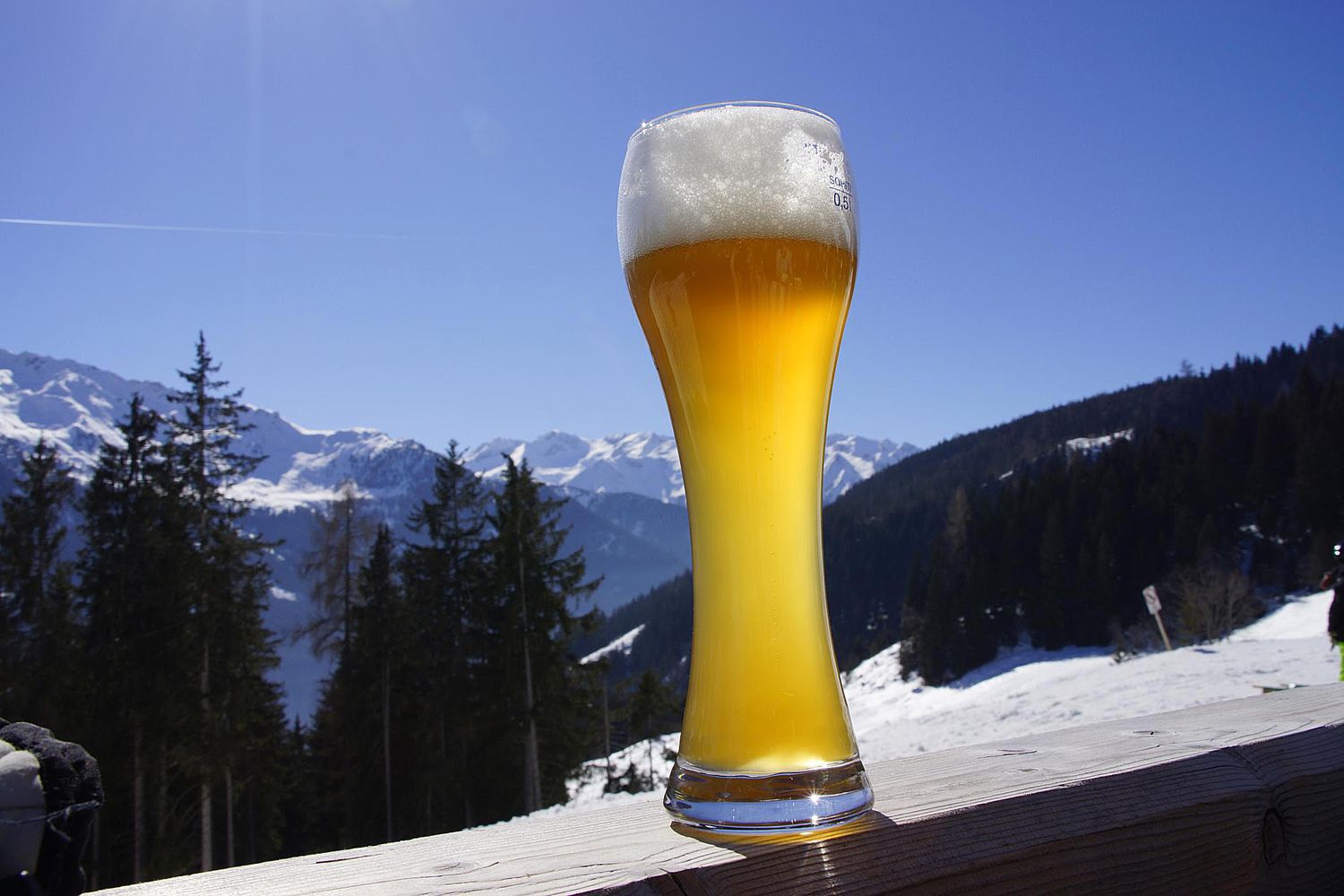
Wheat beer generally shines when served cold, but not ice-dead. Too cold and the aromas hide under the blanket. Slightly warmer than refrigerator-frigid lets the yeast, grain, spice, and citrus notes open up. Many wheat beers are served in tall, curving glasses designed to show off their towering foam and lively carbonation. And yes, the head matters here. Wheat beer wears foam like a crown.
Some people like a lemon wedge with hefeweizen. Others consider that move a personal attack on the beer. In practice, it comes down to preference, but purists usually skip the garnish and let the beer speak for itself. If the bottle-conditioned yeast has settled at the bottom, some drinkers swirl the last bit before finishing the pour to bring that yeast character back into the glass.
What foods pair well with wheat beer?
Wheat beer is one of the friendliest styles at the table. Its carbonation and moderate bitterness help it work with a wide range of dishes without bulldozing the food. Hefeweizen is excellent with sausages, seafood, salads, goat cheese, and lightly spiced dishes. Witbier works beautifully with mussels, grilled fish, roast chicken, fresh cheeses, citrus desserts, and brunch foods that are just fancy enough to deserve a beverage with personality.
American wheat beer is a flexible all-rounder. It can handle pizza, grilled chicken, fish tacos, soft pretzels, lighter barbecue, and picnic food without breaking a sweat. In short, wheat beer is not just a “sit on a patio and stare at the sky” drink. It can absolutely show up for dinner too.
Why wheat beer remains so popular
Wheat beer survives trends because it solves a very simple problem: people like flavorful beer that does not feel exhausting. It is aromatic without being harsh, refreshing without being watery, and varied enough that different styles can appeal to very different drinkers. Some people love the yeasty fireworks of hefeweizen. Others prefer the orange-and-coriander sparkle of witbier. Others want the cleaner finish of American wheat. There is room for all of them.
It also serves as a gateway style. For newcomers, wheat beer is often easier to love than highly bitter IPA or deeply roasted stout. For experienced drinkers, it still offers nuance, brewing tradition, and plenty of room for comparison. That is a rare trick. Very few beer families manage to be both beginner-friendly and endlessly discussable. Wheat beer does, with suspicious ease.
Experiences with wheat beer: what it feels like in real life
Wheat beer is one of those styles that tends to create memories almost as easily as it creates foam. Ask people about their first encounter with a good wheat beer and you often get an oddly vivid answer. They remember the glass. They remember the haze. They remember expecting “just beer” and getting something that smelled like bread, spice, fruit, and summer air all at once. It is not always love at first sip, but it is usually a moment. Wheat beer makes an impression.
For many drinkers, the experience starts with surprise. The beer arrives cloudy instead of clear, crowned with a thick white head that seems almost theatrical. The first aroma can feel playful: banana, clove, orange peel, coriander, fresh grain, maybe a little vanilla. It is beer, yes, but it is also a little sneaky because it does not behave like the bitter, sharply hopped idea of beer some people expect. It feels softer. Friendlier. Less like a challenge and more like an invitation.
That is probably why wheat beer shows up in so many warm-weather memories. It is the patio beer, the backyard beer, the after-the-lawn-is-finally-mowed beer, the “we found a table outside and nobody is rushing us” beer. A good wheat beer has a way of matching relaxed settings without becoming forgettable. It cools you down, wakes up your palate, and still leaves enough flavor behind to keep things interesting. It is easygoing, but not boring. That is a very hard balance to hit.
Then there is the social side. Wheat beer is one of the styles most likely to convert someone who says they “do not really like beer.” Hand an IPA skeptic a well-made witbier with citrus and spice, or pour a silky hefeweizen for someone who thinks all beer tastes the same, and suddenly the conversation changes. The reaction is often less “I understand beer now” and more “Hang on, what is this?” That curiosity is part of the fun.
There is also a small ritual element that makes the experience more memorable. The special glassware, the slow pour, the swirl of yeast at the end, the dramatic foam, the debate over lemon garnish, the little pause before the first sip. Wheat beer invites a bit of ceremony without becoming fussy. It feels casual, but still special. Like wearing linen on purpose.
And perhaps that is the best way to describe the experience of wheat beer overall: it feels generous. Generous in aroma, generous in texture, generous in refreshment, generous in personality. Whether you prefer the banana-and-clove charm of hefeweizen, the citrus-and-spice zip of witbier, or the crisp grainy ease of American wheat beer, the style tends to meet you in a good mood. It does not ask you to work hard to appreciate it. It just asks you to notice a little more. That is probably why wheat beer keeps winning people over, one cloudy, lively, delicious glass at a time.
Final thoughts
So, what is wheat beer? It is not one single flavor or one rigid style. It is a broad family of beers brewed with a substantial amount of wheat, known for lively carbonation, a lasting head, soft texture, and a wide range of refreshing flavor profiles. Depending on the style, it can be fruity, spicy, citrusy, creamy, crisp, lightly tart, or gently hoppy. What it almost never is, however, is dull.
If you want a beer category that combines history, drinkability, and character without leaning too hard on bitterness, wheat beer is an excellent place to start. And if you already know your way around the category, there is still plenty to explore. Hefeweizen, witbier, American wheat, dunkelweizen, weizenbock, and beyond all prove the same point: wheat beer may look soft and approachable, but it has range for days.