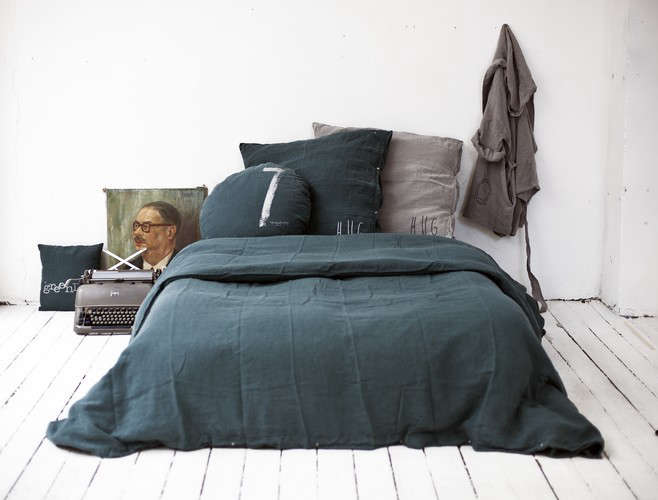

Some bedding brands sell you a “set.” Bed & Philosophy sells you a moodand then hands you the paint swatches.
The whole idea is delightfully French: linen that looks lived-in (not neglected), colors that feel like they were stolen from a spice market,
and a mix-and-match approach that says, “Yes, your bed can be stylish… and still nap-friendly.”
If you’ve ever looked at a perfectly styled bedroom and thought, “Beautiful, but I’m afraid to sit on it,” you’re in the right place.
Let’s break down what makes Bed & Philosophy’s mix-and-match linen vibe work, why French linen is such a big deal, and how to build a bed
that looks curated without requiring a daily pep talk and a lint roller.
What Is Bed & Philosophy, Exactly?
Bed & Philosophy is a French home-linens brand founded in 2009 by designer Sonia Provost.
The brand is known for a bohemian-chic, relaxed aestheticwashed linen, soft textures, and colors that invite you to layer instead of match perfectly.
While it’s often associated with the bedroom, the line stretches beyond it into cushions, throws, and other home textiles (and even sofa covers in the same spirit).
In English-language design coverage, the brand’s mix-and-match identity is front and center: linens designed to be combined across colors (and sometimes finishes)
to create a bed that feels personal, not showroom-staged. The palette has been described as bold and playfulthink saffron, persimmon, and bright pinks
alongside calmer neutrals and deeper tones, making it easy to go subtle or full “French art-student loft,” depending on your caffeine level.
The brand’s not-so-secret ingredient: washed linen
Washed (or “pre-washed”) linen is linen that’s been softened before it ever hits your bed. It tends to drape more easily, feel less crisp out of the package,
and lean into that signature linen rumple that reads “effortless” rather than “I forgot laundry day.” It also tends to get softer with use over time
the rare household item that improves as you live with it.
Why Linen (and Why French Linen Gets a Fan Club)
Linen is made from the fibers of the flax plant. In bedding, that matters because flax fibers are naturally breathable and good at managing moisture,
which is a fancy way of saying: linen is often a lifesaver for warm sleepers and humid climates.
Many guides also point out linen’s durability and the way it softens over repeated washes, trading initial crispness for a more relaxed, broken-in feel.
“French linen” usually points to European flax origins and a tradition of linen production concentrated in Western Europe.
Some brands and retailers emphasize European flax as a quality and sourcing signal (and you’ll sometimes see it paired with safety/testing labels like OEKO-TEX).
Translation: not all linen is identical, and sourcing plus finishing can affect softness, weight, and longevity.
Benefits people actually notice (not just brochure benefits)
- Temperature comfort: Linen tends to feel airy and breathable, making it popular in warm weather and for hot sleepers.
- Moisture management: Many bedding guides describe linen as moisture-wicking, helping reduce that “sticky” feeling overnight.
- Durability: Linen is often positioned as a long-term buymore upfront cost, but it can hold up well when cared for.
- The “intentional rumple” look: Linen wrinkles, yesbut in a way many people now consider part of the charm.
One important, slightly liberating note: thread count is not the hero metric for linen.
With linen, handfeel, weave, weight, and finishing tend to matter more than chasing a big number on the label.
The Mix-and-Match Method: How to Look Eclectic (Not Chaotic)
Mix-and-match bedding can go one of two ways: “designer cool” or “I got dressed in the dark.”
The good news is that designers share a few consistent rules for making a layered bed look intentionalespecially when you’re working with color.
Rule #1: Choose one or two unifying colors
One of the simplest styling strategies is to repeat one or two colors across different pieces (sheets, pillowcases, quilt, throw).
You can mix prints or textures, but the shared color thread keeps it visually pulled together.
Think of it as a group chat: everyone can have a personality, but they all need the same topic.
Rule #2: Build from a “base layer” that calms the room
If you’re nervous about color, start with a neutral foundation (white, ivory, flax/natural, soft gray).
Then add your “personality” pieces on toppillowcases in a brighter shade, a contrasting duvet cover, or a throw that ties everything together.
This works especially well with linen, because texture adds depth even when colors stay quiet.
Rule #3: Mix texture before you mix pattern
Linen already gives you textureslubby, matte, softly crinkledso you can make a bed feel layered even with solid colors.
Add a quilted coverlet, a chunky knit throw, or crisp cotton percale sheets under a linen duvet if you like a cooler, smoother feel against your skin.
Texture is the safest form of drama.
Rule #4: Layer like you mean it
A “bedscape” looks rich because it’s built in layers: fitted sheet, top sheet (optional), duvet + cover, coverlet or quilt,
throw blanket, then pillows in a few sizes. Designers often recommend thinking about the bed the way you’d style an outfit:
base, mid-layer, outer layer, accessories.
Color Pairings That Feel Very Bed & Philosophy
Bed & Philosophy is frequently described as offering mixable colorsfrom soft blushes and natural linen tones to deeper shades and bold brights.
Here are a few “starter recipes” that capture that French-linen-from-a-creative-studio vibe without turning your bedroom into a paint store aisle.
1) The Parisian Neutral (with a tiny wink)
- Base: Natural/flax or soft white sheets
- Main layer: Duvet in warm taupe, sand, or light gray
- Accent: One unexpected colorink blue, olive, or terracottain pillowcases or a throw
Why it works: The neutrals keep it calm; the accent makes it look chosen.
2) The Saffron Sunset
- Base: Off-white or pale blush
- Main layer: Curry/saffron duvet cover
- Accent: A deeper grounding tonecharcoal, cocoa, or inky navyon shams or a quilt
Why it works: Warm brights look sophisticated when you anchor them with something moody.
3) The Modern Monochrome (Not Boring Edition)
- Base: White sheets
- Main layer: Graphite or black duvet cover
- Accent: One soft contraststone, oatmeal, or pale graythrough a coverlet or extra pillows
Why it works: Linen adds texture so a simple palette still feels dimensional.
4) The “I’m Not Afraid of Color” Combo
- Base: Neutral fitted sheet (so you can sleep peacefully even if your eyes are bold)
- Main layer: Bright duvet cover (pink, persimmon, tealchoose your hero)
- Accent: A second bright in a smaller dose (pillowcases), plus one neutral throw to calm it down
Why it works: One big color + one small color + one neutral = intentional, not accidental.
Smart Shopping: What to Look for When You Want Linen That Lasts
Pay attention to weight and finishing
Linen can be airy and lightweight or more substantial and heavy. Pre-washed/washed finishes often feel softer sooner,
while other linens may start crisper and relax over time. If you like that “vintage shirt” softness, pre-washed is usually a safer bet.
Ignore thread count, focus on feel
Linen doesn’t follow the same thread-count obsession as cotton sheets. A better approach is to look for notes about weave, softness,
and how the fabric is finished. If you can’t touch it in person, read the product description like you’re decoding a menu:
“crisp” and “structured” are different from “drapey” and “washed.”
Look for reputable safety/sourcing signals (when available)
Labels like OEKO-TEX are often used to indicate textile testing standards for harmful substances.
“European flax” language is commonly used by brands to describe the origin of flax fiber in Western Europe.
These labels don’t guarantee you’ll love the color, but they can be useful in narrowing the fieldespecially if skin sensitivity matters to you.
Care & Keeping: How to Treat Linen So It Gets Better (Not Crunchier)
Linen is tough, but it appreciates a gentle lifestyle. Most quality care guidance comes down to the same basics:
don’t cook it in hot water, don’t drown it in harsh chemicals, and don’t leave it baking in high dryer heat like a forgotten pizza.
A simple linen care routine
- Wash cold or cool on gentle: Cold water helps preserve fibers and color, and gentle cycles reduce friction.
- Use mild detergent: Strong detergents can be hard on natural fibers over time.
- Avoid bleach: Bleach can damage fibers and alter colorespecially with dyed linens.
- Skip fabric softener (most of the time): Softener can leave residue and interfere with absorbency on some fabrics; many bedding-care guides recommend avoiding it for best performance.
- Dry low or line dry: Low heat helps prevent overdrying; line drying can extend life if your space allows.
How often should you wash linen bedding?
Many sleep and home-care experts suggest weekly washing as a practical baseline for sheets, with more frequent washing if you have allergies,
sweat heavily, or share the bed with pets. (Your dog doesn’t pay rent, but it does contribute “environmental particles.”)
Bonus: The duvet cover “burrito” method
If you’ve ever wrestled a duvet insert and lost, there’s a popular rolling technique often called the “burrito method”
that makes changing a duvet cover dramatically easier. It’s one of those rare internet tips that can actually improve your day.
Styling the Rest of the Room: Make the Bed the Star (But Give It a Supporting Cast)
Mix-and-match bedding looks best when the room gives it room to breathe. You don’t need a minimalist monastery,
but it helps to repeat your palette elsewhere in small ways:
- A bedside lamp shade that echoes your accent color
- A rug that picks up one of your bedding tones
- Artwork above the bed that “introduces” the color story
- One textured element (woven basket, linen curtain, boucle chair) to match the relaxed linen vibe
Designers often point out that pattern and color don’t have to live only on the bed itself; bringing them into a nearby rug,
nightstand styling, or wall art helps the bed feel like part of a cohesive room rather than a standalone performance.
Bed & Philosophy in One Sentence: The Bedroom as a Living Space
The brand’s ethos shows up not only in color and fabric, but in the idea that the bedroom is more than a place to “sleep and leave.”
It’s where you read, think, scroll, snack carefully (emphasis on carefully), and hang out. Mix-and-match linens support that:
they’re flexible, forgiving, and designed to look good even when real life happens.
In other words, your bed can be beautiful without requiring you to treat it like an untouchable museum display.
French linen is already relaxed by nature; Bed & Philosophy simply gives it permission to be playful.
Experiences: Real-Life Moments With Mix-and-Match French Linens
“Experiences” with bedding sound dramaticlike your duvet is going to teach you a life lessonbut in real homes,
it’s the small moments that make linen worth it. Here are a few common, very human scenes that capture why people fall for the
Bed & Philosophy-style mix-and-match approach (and why it keeps working long after the first perfectly styled photo).
The first-night surprise: You make the bed, step back, and realize the colors don’t “match” in the traditional sense
and yet it looks better than the matched set you had before. The contrast does the decorating work for you.
A warm saffron duvet with pale sheets suddenly feels like sunlight in fabric form. You didn’t redesign the room;
you just gave it a personality.
The “messy bed” glow-up: Linen’s rumpled look turns an unmade bed into something that feels intentional.
When you’re running late, the bed still has that cozy, artsy vibemore “effortless European morning” and less “laundry avalanche.”
A throw draped at the foot becomes your five-second styling trick. (Ten seconds if the cat claims it first.)
The seasonal switch without the seasonal shopping spree: Mix-and-match bedding makes it easy to rotate accents.
In warmer months, you lean into lighter toneswhite, natural linen, soft bluesand keep layers minimal.
When it cools down, you add a quilt, deepen the palette with charcoal or cocoa, and suddenly the same bed feels warmer without buying an entirely new set.
It’s the design equivalent of swapping sneakers for boots.
The guest-room confidence: With mix-and-match, you can make a guest bed look thoughtful even if you pulled pieces from different places.
Two pillowcase colors? Looks curated. A neutral base with one bright accent? Looks intentional.
Guests don’t see “leftovers”; they see “styled.” You’ll still pretend it was effortless.
The texture moment: Linen is a sensory fabric. People notice how it drapes, how it breathes, how it feels cooler at bedtime and softer over time.
There’s a specific satisfaction in pulling a linen duvet up and feeling it settlenot clingy, not slippery, just comfortably substantial.
It’s the kind of detail you don’t fully appreciate until you go back to something that feels overly crisp or oddly synthetic.
The laundry learning curve (and the payoff): Linen does best with a gentle routinecool washes, mild detergent, and kinder drying.
The first time you wash it, you might think, “That’s it?” because linen doesn’t become cloud-soft overnight.
But a few cycles later, you get why people say it improves with age. It’s a slow-burn romance, except with fewer texts and more pillowcases.
The “this is me” bed: The biggest experience is identity. A matched set can look nice,
but a layered bed in colors you choseone that mixes warm and cool tones, light and deep shades, matte linen and a quilted throwfeels personal.
It looks like someone lives there. Someone interesting. Someone who might have a book on the nightstand and snacks nearby (responsibly packaged).
That’s the quiet magic of Bed & Philosophy’s mix-and-match spirit: it’s less about perfection and more about creating a bed that supports real life.
A bed that looks welcoming on your best daysand still looks charming on the days when your “styling” is basically just pulling the duvet up and hoping for the best.
Conclusion
Bed & Philosophy’s French linen story is ultimately about freedom: freedom to mix colors, freedom to layer texture, and freedom to let your bed look lived-in
without looking careless. If you take one thing away, make it this: mix-and-match works when you repeat a small color story, lean on texture,
and layer thoughtfully. Linen does the restbreathing, softening, and making everyday life look a little more design-forward.