
One day your curls are bouncing around like they have their own theme music. The next day, after one too many passes with a flat iron, they are hanging there like overcooked noodles at a sad buffet. If you have ever looked in the mirror after straightening and whispered, “Excuse me, where did my curls go?” you are definitely not alone.
The good news: curls can often be encouraged back with the right recovery routine. The slightly less glamorous news: if the hair has serious heat damage, the curl pattern may not snap back overnight. Hair is not a rubber band with a memory foam warranty. Heat can weaken the outer cuticle, dry out strands, and disrupt the protein structure that helps curls spring into shape. Still, with moisture, gentle styling, strategic protein, and some patient trimming, many people can revive limp curls and make their hair look softer, healthier, and more defined.
This guide breaks down 3 ways to get curls back after straightening, whether your curls are only temporarily stretched or dealing with heat damage from repeated straightening. Think of it as curl rehabbut with better conditioner and fewer dramatic speeches.
Why Curls Disappear After Straightening
Before fixing the problem, it helps to understand what happened. Straightening curly hair changes how the strands sit. Temporary straightening with a blow dryer or flat iron uses heat and tension to smooth the hair shaft. If done carefully and occasionally, your curls may bounce back after the next wash. But if the heat is too high, used too often, or applied without protection, the results can be more stubborn.
Curly hair is naturally more prone to dryness because scalp oils have a harder time traveling down bends and spirals. When heat removes moisture or roughens the cuticle, curls may become frizzy, limp, stringy, uneven, or straight at the ends. In more serious cases, sections of hair may stay stretched even after washing. That usually means the hair has experienced heat damage.
Another common culprit is using a flat iron on damp or not-quite-dry hair. That sizzling sound may feel like salon drama, but it is usually your hair begging for legal representation. Wet hair is more fragile, and applying direct heat can make damage worse. Chemical treatments, bleaching, tight brushing, and rough towel drying can pile on additional stress.
So, can you get your curl pattern back after straightening? Sometimes, yes. If your curls are simply dehydrated or stretched, the right routine may bring them back quickly. If the bonds and structure of the hair have been permanently damaged, the goal becomes improving appearance, reducing breakage, and growing out the damaged sections.
Way 1: Rehydrate Your Hair With a Moisture-First Wash Day
The first step in getting curls back after straightening is moisture. Dry curls do not clump well. They frizz, flop, separate, and act like they have never met a curl cream in their life. A moisture-first wash day helps restore flexibility and encourages your natural curl pattern to show up again.
Start With a Gentle Cleanse
Use a moisturizing, sulfate-free shampoo or gentle cleanser if your hair feels dry after straightening. The goal is to remove product buildup, heat protectant residue, sweat, and oil without stripping the hair. If your curls feel coated or unusually limp, a clarifying shampoo may help once in a while, but avoid using it too often because it can make dry hair feel even drier.
Focus shampoo on the scalp and let the lather rinse through the lengths. You do not need to scrub the ends like you are cleaning a frying pan. Curly ends are usually the oldest and most fragile part of your hair, so treat them like VIP guests.
Deep Condition Like You Mean It
A rich deep conditioner or hair mask is one of the most reliable ways to revive curls after straightening. Look for ingredients that help soften and moisturize, such as aloe vera, glycerin, shea butter, fatty alcohols, panthenol, honey, avocado oil, argan oil, or coconut-derived conditioning agents. Apply generously from mid-lengths to ends, then use your fingers or a wide-tooth comb to distribute the product.
Let the treatment sit for the recommended time on the label. For extra softness, cover your hair with a shower cap while the conditioner works. Gentle warmth from your body heat can help the product spread more evenly through the hair. After rinsing, your strands should feel smoother, more flexible, and less rough.
Use the “Squish to Condish” Method
After applying conditioner, cup sections of wet hair in your hands and gently squeeze upward toward the scalp. This technique, often called “squish to condish,” helps water and conditioner work into the hair while encouraging curl clumps. You may hear a soft squishing sound, which is much better than the scary sizzle of a flat iron on damp hair.
When rinsing, leave a tiny amount of conditioner behind if your hair is very dry, unless the product label says to rinse completely. This can help curls feel softer and more cooperative during styling.
Apply Leave-In Conditioner on Soaking Wet Hair
Once you step out of the shower, do not immediately rough-dry your hair with a regular towel. Instead, apply a leave-in conditioner while your hair is still very wet. Curly hair usually responds well to styling products applied with plenty of water because water helps curls clump and distribute product evenly.
Use prayer hands, raking, or scrunching depending on your curl type. Waves may prefer a lightweight leave-in spray or milk. Tighter curls and coils may need a richer cream. The right amount should make your hair feel slippery and hydrated, not greasy or coated.
Way 2: Rebuild Bounce With Protein, Bond Care, and Smart Trimming
Moisture makes curls soft, but protein helps curls feel stronger and springier. After straightening, especially repeated heat styling, some curls need both. The trick is balance. Too little protein can leave hair mushy, limp, and overly soft. Too much protein can make it stiff, dry, and crunchy in a very “breakfast cereal, but make it hair” way.
Look for Signs Your Hair Needs Protein
Your curls may benefit from a protein treatment if they feel overly soft, stretched out, weak, or unable to hold shape after washing. Another sign is excessive breakage or curls that used to spring back but now hang loosely. Protein treatments can temporarily reinforce the hair shaft and improve elasticity, making curls appear more defined.
Common protein-related ingredients include hydrolyzed keratin, hydrolyzed wheat protein, silk amino acids, collagen amino acids, and rice protein. These ingredients do not magically erase damage, but they can help the hair feel stronger and look smoother.
Use Protein Treatments Carefully
If your hair is mildly damaged, try a light protein conditioner or strengthening mask every two to four weeks. If your curls are severely heat damaged, you may need a more structured repair routine, but do not panic-buy every protein product in the beauty aisle. More is not always better. Your hair is not a gym bro trying to hit a protein goal.
After using protein, follow with moisture. Many people get the best results when they alternate strengthening treatments with hydrating masks. For example, you might deep condition weekly and use a protein treatment once or twice a month. Pay attention to how your hair feels afterward. If it becomes stiff or brittle, reduce protein and increase moisturizing care.
Consider Bond-Building Products
Bond-building treatments are popular for heat-damaged and chemically treated hair because they are designed to support the internal structure of the strand. They are not all the same, so follow product instructions closely. Some are used before shampooing, some after shampooing, and others as leave-in treatments.
Bond care can be helpful if your curls feel weak, frizzy, or fragile after straightening. However, it is not a time machine. If a section of hair is permanently straight from heat damage, bond care may improve texture and reduce breakage, but it may not fully restore the original curl pattern. That is where trimming becomes important.
Trim the Ends That Refuse to Cooperate
Sometimes the most effective way to get curls back after straightening is to let go of the ends that are no longer curling. This does not always mean a dramatic chop. Small, regular trims can gradually remove damaged sections while keeping your length.
Pay attention to the ends. If they are straight, see-through, rough, splitting, or tangling constantly, they may be weighing down the rest of your curl pattern. Removing even half an inch can make curls look bouncier because healthier hair is not being dragged down by damaged ends.
If you are nervous about cutting, ask a stylist experienced with curly hair for a dusting or curl-by-curl trim. A good curly cut can reshape your hair so the curls stack better and look fuller without sacrificing more length than necessary.
Way 3: Style Without Heat and Train Your Curl Pattern Back
Once your hair is clean, conditioned, and strengthened, styling is where the curl comeback gets exciting. The goal is to encourage your natural pattern without adding more heat stress. This is the part where you and your curls rebuild trust after the flat iron incident.
Scrunch, Don’t Stretch
After applying leave-in conditioner, add a curl cream, mousse, or gel based on your hair type. Scrunch upward from the ends toward the roots. This motion encourages curls to form instead of pulling them straight. If your hair is wavy, a mousse or lightweight gel may be enough. If your hair is curly or coily, a cream plus gel may help lock in definition.
Avoid brushing after styling products are applied unless you are using a brush specifically for curl definition. Random brushing can separate curl clumps and create frizz. If you need to detangle, do it in the shower with conditioner and a wide-tooth comb.
Try Finger Coiling or Curl Training
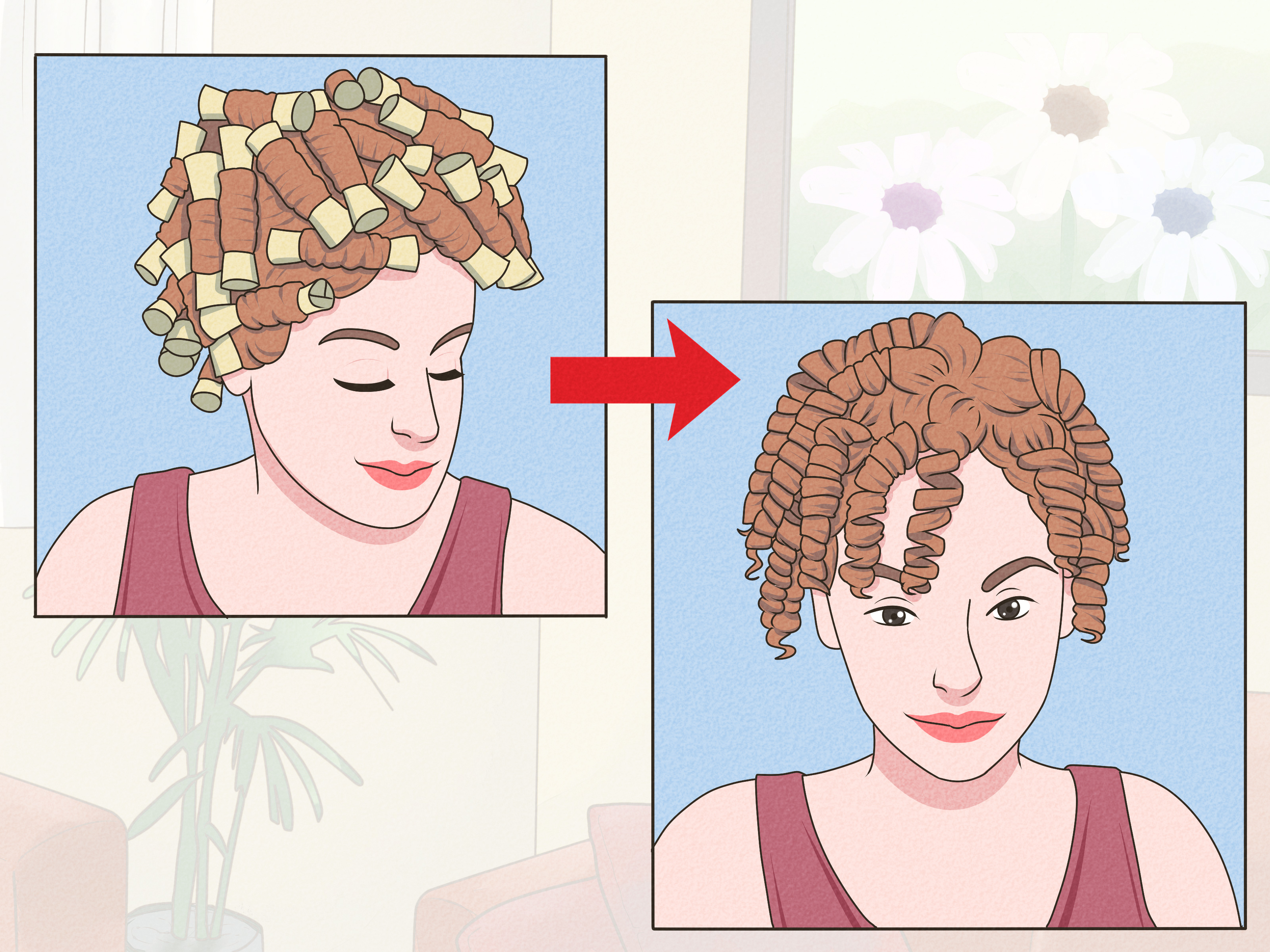
For stubborn sections that stay limp after straightening, finger coiling can help. Take a small section of wet, product-coated hair and wrap it around your finger in the direction it naturally wants to curl. Hold for a moment, release, and scrunch gently. This works especially well around the front pieces and ends, where heat damage often shows first.
You can also use the “twist and scrunch” method. Divide damp hair into sections, twist each section loosely, then scrunch upward. Let it dry completely before separating. This helps remind stretched curls where the party is.
Use Heatless Styling Methods
Heatless styling can help create shape while your natural curls recover. Try braids, twists, flexi rods, satin rollers, foam rollers, or a loose bun set. These methods can disguise uneven curl patterns and reduce the urge to grab the flat iron again.
For looser curls or waves, try plopping with a cotton T-shirt or microfiber towel. Lay the towel flat, flip your wet hair into it, and wrap it gently so curls sit piled on top of your head. Leave it for 10 to 20 minutes, then air-dry. Plopping can improve curl clumps and reduce frizz.
Diffuse Only on Low Heat If Needed
Air-drying is the gentlest option, but not everyone has four business days to wait for their roots to dry. If you need a diffuser, use low heat and low speed. Keep the dryer moving, avoid touching the hair too much, and stop before your hair feels hot or crispy.
Do not stretch your curls with a brush while diffusing. Instead, cup the curls in the diffuser bowl and lift gently toward the scalp. Once dry, scrunch out any gel cast with a small amount of lightweight oil or serum.
A Simple Curl Recovery Routine After Straightening
If you want a practical routine, here is a simple weekly plan:
Wash Day
Cleanse gently, deep condition, detangle with conditioner, rinse, apply leave-in on soaking wet hair, then style with curl cream and gel. Scrunch well and air-dry or diffuse on low.
Midweek Refresh
Mist hair with water until slightly damp. Add a small amount of leave-in conditioner or curl refresher. Scrunch and let dry. For flat roots, clip the roots while drying to add lift.
Every Two to Four Weeks
Use a protein or bond-building treatment if your hair feels weak or limp. Follow with moisture. Trim ends as needed, especially if they are splitting or refusing to curl.
Common Mistakes That Keep Curls From Coming Back
The biggest mistake is straightening again too soon. If your curls are struggling, give them a break from hot tools. Repeated heat before the hair recovers can turn temporary stretching into long-term damage.
Another mistake is using heavy products on fine or wavy hair. Thick butters and oils can weigh curls down, making them look straighter. On the other hand, very tight curls may need richer products to prevent dryness. Match the product weight to your texture.
Skipping trims is also common. Many people hold onto length even when the ends are damaged, but those ends can make the entire style look less curly. A small trim can make a big difference.
Finally, avoid sleeping on rough cotton pillowcases if your curls are fragile. Satin or silk pillowcases, bonnets, or scarves can reduce friction and help preserve curl definition overnight.
How Long Does It Take to Get Curls Back?
The timeline depends on the condition of your hair. If your curls are only stretched from one straightening session, they may bounce back after one to three wash days. If your hair is dehydrated, it may take a few weeks of deep conditioning and gentle styling. If there is true heat damage, the affected strands may never fully return to their original curl pattern, and recovery may involve trimming while new healthy hair grows in.
That may sound discouraging, but it is not the end of your curl story. Hair grows. Routines improve. And many people are surprised by how much better their curls look after consistent moisture, protein balance, heat-free styling, and a shape-up cut.
Real-Life Experiences: What Curl Recovery Actually Feels Like
Getting curls back after straightening is not always a neat before-and-after transformation. In real life, it often looks like three good curl days, one confusing wash day, and a bathroom counter covered in products you swore you would not buy. Curl recovery is part science, part patience, and part learning how your hair communicates. Unfortunately, hair does not send emails. It sends frizz.
One common experience is the “straight ends, curly roots” phase. The roots begin growing in with their natural pattern, while the ends remain loose, limp, or nearly straight. This can make styling awkward because the top of the hair wants volume while the bottom wants to cosplay as spaghetti. In this stage, twist-outs, braid-outs, and roller sets can help blend the textures. Small trims every six to eight weeks can also slowly remove the damaged ends without creating a major length shock.
Another common moment is discovering that your old products no longer work the same way. Before straightening damage, maybe a lightweight mousse gave you perfect definition. After heat stress, your curls may need a leave-in conditioner underneath, a stronger gel on top, or a weekly mask to behave. This does not mean your hair is impossible. It means your hair’s needs have changed. Think of it like updating your phone software, except the phone is on your head and occasionally gets mad at humidity.
Many people also notice that the front pieces are the hardest to revive. That is usually because the hair around the face gets the most heat, brushing, touching, coloring, sun exposure, and styling tension. If your front curls are looser than the back, finger coiling can help create a more uniform look. You can also use tiny rollers or pin curls on those pieces while they dry. Over time, gentle handling and regular trims can make the front sections look healthier.
There is also the emotional side of curl recovery. It can feel frustrating when your hair does not bounce back immediately, especially if you loved your natural curls before straightening. The best approach is to stop treating every wash day like a final exam. Some days your curls will look great. Some days they will look like they are still considering their options. That is normal. Track what works: how much product you used, whether you styled soaking wet or damp, how long you deep conditioned, and whether your hair liked protein or ran away from it.
A helpful experience-based tip is to take photos after each wash day. Not for social media, not for judgment, and definitely not for zooming in at 1 a.m. like a curl detective. Photos help you see progress that is hard to notice day by day. Maybe your ends are still loose, but your roots have more bounce. Maybe your frizz has reduced. Maybe your curls are clumping better. Small improvements matter.
Another practical lesson: do not compare your recovery timeline to someone else’s. Curl type, hair density, porosity, previous color treatments, straightening frequency, and heat temperature all affect recovery. Someone who straightened once on low heat may bounce back quickly. Someone who used high heat weekly for years may need months of trims and careful care. Both journeys are valid.
The most successful curl recovery routines are usually boring in the best way: gentle cleansing, deep conditioning, leave-in conditioner, curl styling, low manipulation, satin protection at night, and trims when needed. No panic. No punishment. No flat iron “just for the front pieces” five minutes before leaving the house. That little front-piece touch-up is how many curl recovery plans mysteriously disappear.
In the end, getting curls back after straightening is about rebuilding consistency. Treat your hair like it is recovering, not misbehaving. Give it water, conditioning, strength, and time. Your curls may not return perfectly overnight, but with the right routine, they can look softer, springier, and far more alive. And when that first good curl clump appears again? Celebrate it. That tiny spiral has been through things.
Conclusion
Getting curls back after straightening starts with understanding what your hair needs most. If it is dry, focus on deep moisture. If it feels weak or limp, add careful protein or bond support. If the ends are damaged beyond saving, trim gradually and style with heatless methods while healthier hair grows in.
The best curl recovery routine is not complicated, but it does require consistency. Cleanse gently, deep condition regularly, style on wet hair, protect your curls at night, and give hot tools a vacation. Your flat iron had its moment. Now it is the curls’ turn to take the spotlight again.