
Container gardening is proof that you do not need a sprawling backyard, an inheritance from a wealthy botanist, or even a particularly cooperative patch of soil to grow something beautiful. A sunny balcony, narrow porch, apartment windowsill, or forgotten corner of a patio can become a productive miniature landscape with the right pots and plants.
The best container garden ideas combine appearance with practicality. A successful arrangement should suit the available sunlight, provide enough root space, drain freely, and group plants with similar moisture needs. Once those basics are covered, the container itself becomes a creative canvas. You can grow dinner, feed butterflies, create privacy, perfume a seating area, or build a tiny desert that looks as though it charges admission.
The following ten ideas offer adaptable examples for patios, decks, balconies, front steps, and small yards. Each one can be scaled up, simplified, or customized for your climate and gardening style.
Before You Plant: Four Rules That Prevent Container Chaos
Choose a container with drainage
Healthy roots require both moisture and oxygen. Use pots with unobstructed drainage holes so excess water can escape. Adding a thick layer of rocks beneath the soil does not improve drainage and may leave saturated soil sitting above the stones. If a decorative pot has no hole, place a smaller nursery pot inside it and remove that inner pot when watering.
Use potting mix rather than garden soil
Ordinary yard soil can become dense and compacted inside a container. A quality potting mix is lighter, holds an appropriate amount of moisture, and leaves air spaces around roots. For succulents, orchids, or other specialized plants, use a mix formulated for their particular needs.
Match plants by light and water requirements
A cactus and a moisture-loving impatiens may look adorable together for approximately eleven minutes. After that, their conflicting care requirements become a horticultural custody dispute. Combine plants that prefer similar sunlight, soil moisture, and growing conditions.
Expect to water and feed more often
Containers dry more quickly than in-ground beds, especially in hot, windy weather. Check the soil regularly and water thoroughly until moisture exits the drainage holes. Because frequent watering gradually carries nutrients from the potting mix, container plants may also need periodic fertilizer according to the product label and the needs of the plants.
1. Create an Edible Salad Bowl
Turn a wide, shallow planter into a living salad bar. Loose-leaf lettuce, arugula, spinach, radishes, chives, parsley, and compact nasturtiums can share a container during cool weather. The different leaf shapes create an attractive arrangement even before lunch becomes involved.
How to arrange it
Place taller parsley or chives near the center or back of the container. Fill the middle with lettuce and arugula, then sow radishes near the edges. Let nasturtiums trail over the rim, where their edible leaves and flowers add color without taking up much soil space.
Harvest outer lettuce leaves while leaving the center intact so the plant can continue growing. Sow a small quantity of new seed every couple of weeks for a longer harvest rather than planting everything at once and receiving forty salads on Tuesday.
2. Build a Pollinator Pit Stop
Even a small balcony can provide nectar, pollen, and host plants for beneficial insects. A pollinator container works best when it includes several flower shapes and a succession of blooms rather than one spectacular plant that closes for the season after a brief celebrity appearance.
Plants to consider
Compact salvia, zinnias, pentas, alyssum, verbena, thyme, chives, lavender, and nasturtiums are useful candidates, depending on your region. Dill, parsley, and fennel can also serve as host plants for black swallowtail caterpillars. Do not panic if a caterpillar eats some foliage; that is not vandalism. It is the garden functioning as intended.
Choose plants suited to your local climate and avoid pesticide use while flowers are open. A shallow dish filled with pebbles and clean water can provide a landing place, but refresh the water frequently so it does not become a mosquito condominium.
3. Grow a Vertical Herb Tower
When floor space is scarce, garden upward. A tiered planter, wall-mounted pocket system, stacked pot arrangement, or sturdy ladder shelf can hold several herbs in the footprint of one conventional container.
Group herbs thoughtfully
Place moisture-loving herbs such as basil, parsley, and cilantro together. Mediterranean herbs such as rosemary, thyme, sage, and oregano generally prefer faster drainage and slightly drier conditions. Mint deserves its own pot because it spreads aggressively and behaves as though property boundaries are merely suggestions.
Position larger herbs on lower shelves or in the widest section of a tower. Keep the structure stable, particularly on windy balconies, and confirm that water draining from the upper pots will not continuously soak plants below.
4. Design a Thriller, Filler, and Spiller Showpiece
The classic thriller-filler-spiller formula remains popular because it creates an arrangement that looks full from several angles. The thriller supplies height and drama, fillers create body around the center, and spillers soften the edge by cascading over the rim.
A sunny example
Use a compact canna, ornamental grass, dwarf dahlia, or upright salvia as the thriller. Add coleus, lantana, marigolds, or compact petunias as fillers. Finish with sweet potato vine, calibrachoa, trailing verbena, or creeping Jenny as spillers.
A shady example
Try an upright fern or caladium for height, begonias or coleus for fullness, and trailing ivy or creeping Jenny around the edge. Limit the color palette to two or three dominant colors if you want a polished look. Use more colors if your design philosophy is “birthday party hosted by hummingbirds.”
5. Make a Tabletop Succulent Landscape
A broad bowl or low trough can become a miniature desert filled with rosette-shaped succulents, upright accents, smooth stones, and contrasting textures. This idea is well suited to sunny tables, dry climates, and gardeners who sometimes remember watering only after receiving a strongly worded message from a fern.
Design for drainage
Use a container with drainage holes and a fast-draining cactus or succulent mix. Combine plants with similar light and water requirements. Echeveria, haworthia, sedum, sempervivum, and compact aloes offer varied shapes, although cold tolerance differs significantly among species.
Leave visible space between young plants rather than packing the bowl completely. The gaps emphasize each plant’s form and provide room for growth. Decorative gravel can create a finished appearance, but it should not be used to disguise chronically wet soil.
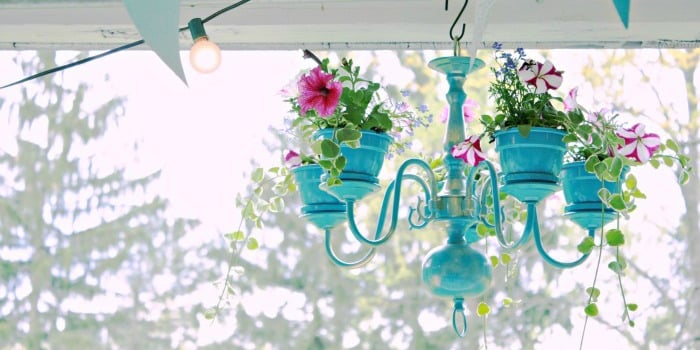
6. Turn a Repurposed Object Into a Statement Planter
Galvanized tubs, wooden crates, old drawers, enamel bowls, toolboxes, wheelbarrows, and sturdy baskets can become memorable planters. The best recycled container garden ideas preserve the original character of the object while making the necessary adjustments for plant health.
Prepare the container safely
Clean the object thoroughly, add drainage holes, and consider lining porous wooden containers to slow deterioration while preserving drainage. Avoid using containers that previously held toxic chemicals. For vegetables and herbs, choose materials that are clean and suitable for food-growing applications.
A vintage wheelbarrow planted with trailing flowers can become a movable focal point. A set of mismatched metal buckets can form a cheerful herb collection. Just remember that creative charm does not cancel physics: secure lightweight objects before the first serious windstorm sends your basil on a regional tour.
7. Plant a Portable Privacy Screen
Large containers can help define a seating area, soften a railing, or screen an unattractive view. Tall ornamental grasses, clumping bamboo varieties, compact evergreens, and vines grown on trellises provide vertical structure without requiring a permanent landscape renovation.
Choose stable pots
A privacy planting is top-heavy, so use a broad, durable container that can support the mature plant. On balconies and rooftops, verify weight restrictions before filling oversized planters with wet potting mix. Fiberglass and high-quality plastic containers are lighter than stone or thick ceramic, but they may need to be secured in windy locations.
For seasonal screening, grow compact morning glories, black-eyed Susan vine, mandevilla, or climbing nasturtium on a narrow trellis. For a modern effect, arrange three matching containers with upright ornamental grasses and repeat the same plant in each one.
8. Create a Fragrant Evening Garden
A container placed beside a chair, doorway, or outdoor dining area can offer fragrance as well as color. Choose plants whose scent is noticeable during the hours when you use the space most often.
Build around scent and soft color
Depending on your climate and available light, consider lavender, scented geraniums, heliotrope, sweet alyssum, dianthus, jasmine, gardenia, nicotiana, or moonflower. White, silver, pale pink, and light yellow flowers remain visible after sunset and can create a calm evening display.
Do not combine too many heavily scented plants in one small space. Fragrance should drift through the air, not tackle guests at the door. Place strongly scented flowers near seating while keeping thorny or irritating plants away from walkways.
9. Assemble a Portable Pizza Garden
A pizza garden is an edible container planted with compact ingredients commonly used on homemade pizza. It is especially appealing to families, beginner gardeners, and anyone who believes vegetables become more persuasive when cheese is involved.
What to grow
Use a large pot for a patio or dwarf tomato variety, then add basil near the edge. Grow oregano or thyme in a neighboring container because their preferred watering conditions may differ from those of tomatoes. Compact peppers can provide additional color and flavor.
Tomatoes need generous root space, strong sunlight, regular moisture, and support from a cage or stake. Avoid overcrowding the pot simply to fit every topping into one photograph. A group of two or three coordinated containers is healthier and often more attractive than one congested planter.
10. Plan a Four-Season Container Display
Instead of rebuilding every pot from scratch each season, begin with a long-lasting structural plant and rotate smaller companions around it. A compact evergreen, dwarf conifer, ornamental grass, or hardy shrub can serve as the permanent centerpiece where local conditions allow.
Rotate the supporting cast
Use pansies, violas, and spring bulbs during cool weather. Replace them with warm-season annuals in summer, then add ornamental kale, sedum, small pumpkins, or decorative branches for fall. In winter, evergreen boughs, pinecones, weather-resistant ornaments, and colorful stems can keep the container attractive even when active growth has paused.
Perennials and shrubs in exposed pots are more vulnerable to cold than the same plants growing in the ground. In freezing climates, choose weather-resistant containers and provide appropriate winter protection, such as moving pots to a sheltered location or insulating them.
Practical Experience Notes: What a Season of Container Gardening Usually Teaches
A realistic container-gardening season often begins with optimism, a cart full of plants, and a serious underestimation of how heavy a large ceramic pot becomes after it is filled. The first lesson is therefore logistical: position large containers before adding moist potting mix. A plant dolly or wheeled caddy is useful when a pot must be moved to follow seasonal sunlight or escape extreme weather.
The second lesson is that sunlight is more complicated than a label saying “sunny balcony.” A space may receive bright morning light in spring but become shaded by a nearby tree in summer. Conversely, reflective walls and windows can intensify afternoon heat. Observing the location for several days before buying plants prevents many problems. A simple note recording when direct sun arrives and disappears is more useful than guessing.
Watering becomes the central routine once summer heat arrives. Small terracotta pots may dry quickly, while large glazed or plastic containers hold moisture longer. Wind can pull moisture from leaves and potting mix even when the temperature is moderate. The most dependable habit is checking the soil rather than watering solely according to the calendar. If the upper portion feels dry and the container is noticeably lighter, water slowly and thoroughly until excess moisture drains away.
Another common discovery is that more plants do not automatically create a better design. Newly planted containers can look sparse, which tempts gardeners to add three more petunias and possibly a small tree. Within several weeks, healthy plants expand and begin competing for light, water, and airflow. Leaving reasonable growing room usually produces a fuller, healthier display by midsummer.
Mixed containers also reveal the importance of compatible plant choices. A successful arrangement is not merely a collection of attractive plants; it is a small community. Pairing drought-tolerant rosemary with constantly thirsty basil creates an unnecessary maintenance puzzle. Grouping rosemary with thyme or sage, while giving basil and parsley their own moisture-retentive pot, makes routine care far easier.
Fertilizer is another area where restraint matters. Container plants need nutrients, but applying extra fertilizer does not force a struggling plant to become enthusiastic. A plant suffering from poor drainage, excessive heat, root crowding, or inadequate sunlight needs the underlying problem corrected. Fertilizer should be applied at the recommended rate, not poured in as an emotional support beverage.
By late summer, grooming makes a visible difference. Removing faded flowers can encourage many annuals to continue blooming. Trimming stretched stems, removing damaged foliage, and rotating containers can restore balance. This maintenance takes only a few minutes when done regularly but becomes a small expedition when postponed for six weeks.
Perhaps the most satisfying lesson is that container gardening rewards experimentation. A disappointing combination lasts only one season, while a successful one can be repeated, divided, propagated, or improved. Photographs are useful records because they show which colors worked together, when the arrangement reached its peak, and which plant quietly attempted to conquer the entire pot. Each container becomes a manageable experiment rather than a permanent landscaping decision.
Conclusion
Creative container gardening is less about following a perfect recipe and more about making thoughtful choices within the space you have. Start with reliable drainage, good potting mix, suitable sunlight, and compatible plants. Then choose a purpose: fresh food, pollinator habitat, privacy, fragrance, seasonal color, or pure visual drama.
A single well-designed pot can transform an entrance, while a coordinated collection can turn a bare patio into an outdoor room. Begin with one idea, observe how the plants respond, and adjust as the season progresses. Gardens are allowed to evolve. In fact, they usually insist on it.