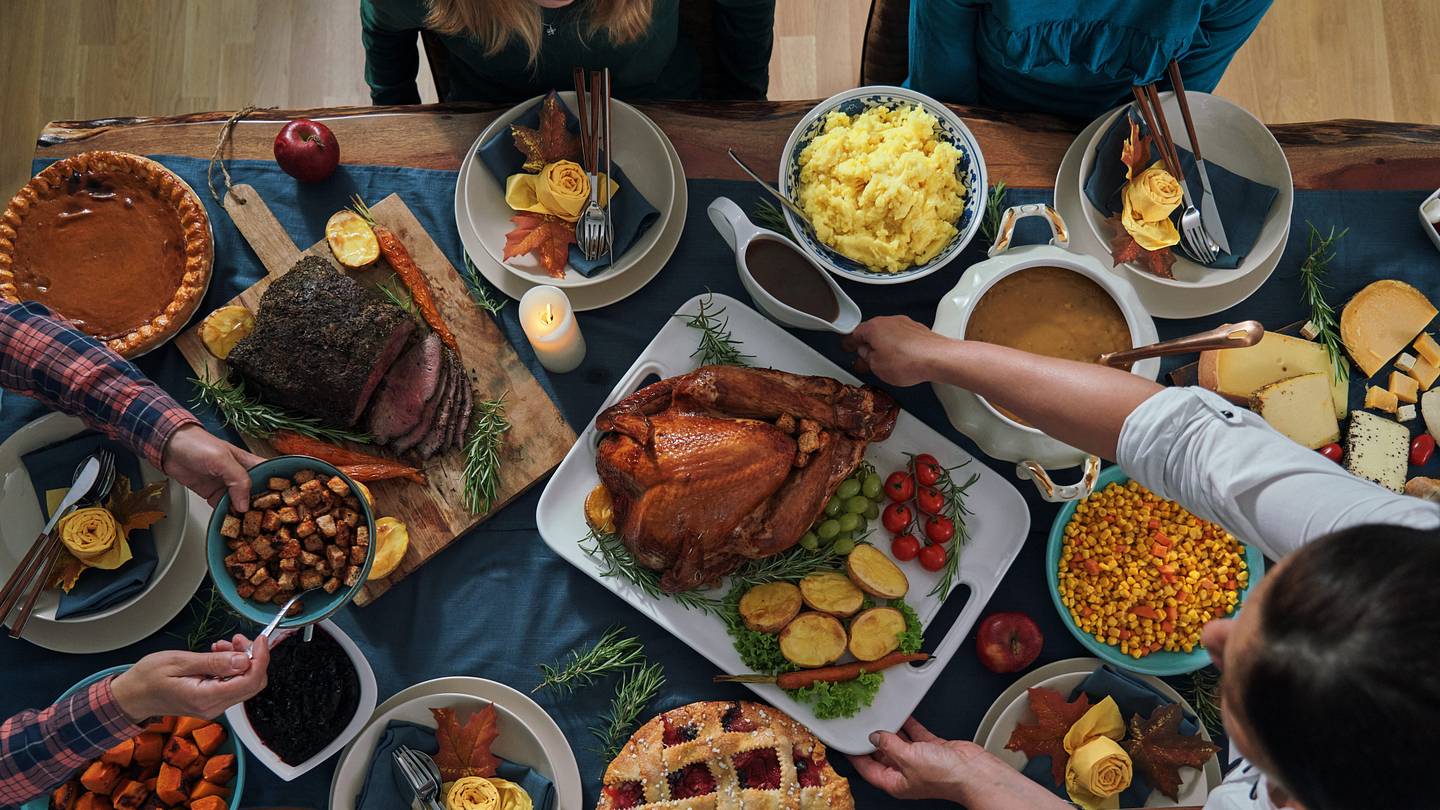

Thanksgiving is a beautiful holiday built on gratitude, family, football, and the quiet panic of wondering whether the green bean casserole will survive a 35-minute car ride. If you have ever balanced a turkey pan on your lap, prayed over a sloshing container of gravy, or arrived at Grandma’s house with cranberry sauce decorating the trunk, you already know this truth: cooking the Thanksgiving feast is only half the mission. Getting it there safely is the other half.
Packaging and transporting a Thanksgiving feast takes more than tossing foil over a casserole and hoping the traffic lights stay green. Turkey, stuffing, mashed potatoes, gravy, pies, salads, and side dishes all need the right containers, the right temperatures, and a plan that does not involve “just hold this for a second” becoming a full-contact sport. Food safety matters, too. Perishable foods should not linger in the temperature “danger zone,” and leftovers need to be cooled and stored properly so the holiday memories do not include a group text about stomach trouble.
The good news? With smart Thanksgiving food transport tips, you can move your holiday meal like a calm, organized culinary professionaleven if your kitchen currently looks like a sweet potato tornado passed through it. Below are 10 practical tips for packaging, protecting, and transporting a Thanksgiving feast without spills, soggy sides, or food-safety drama.
Why Packaging Thanksgiving Food Properly Matters
Thanksgiving dishes are not ordinary leftovers. They are hot, heavy, saucy, delicate, creamy, and often made in quantities large enough to feed a marching band. Poor packaging can lead to three major problems: spills, texture loss, and unsafe temperatures.
Hot foods such as turkey, stuffing, casseroles, and gravy should stay hot if they are being served soon. Cold dishes such as deviled eggs, cranberry relish, whipped cream desserts, and salads should stay cold. When foods sit too long between cold and hot temperatures, bacteria can multiply quickly. That is why insulated carriers, shallow containers, coolers, ice packs, and food thermometers are not “extra.” They are the holiday support team.
Packaging also protects the meal’s quality. Crisp toppings become sad and steamy when sealed too soon. Gravy leaks when placed in weak containers. Pies crack when stacked under heavier dishes. And mashed potatoes, though emotionally sturdy, should not be treated like construction material. A little preparation keeps every dish tasting as close to fresh-from-the-kitchen as possible.
10 Tips for Packaging and Transporting a Thanksgiving Feast
1. Make a Transportation Plan Before You Start Cooking
The best time to plan Thanksgiving food transportation is not when the oven timer is screaming and someone is asking where the serving spoon went. Before cooking day, list every dish you plan to bring and decide whether it should travel hot, cold, or at room temperature.
For example, roasted turkey, stuffing, gravy, macaroni and cheese, mashed potatoes, and casseroles usually need temperature control. Pumpkin pie, cream pies, deviled eggs, and dairy-based desserts should stay chilled. Rolls, cookies, cornbread, and some fruit pies are easier travelers because they can often handle room temperature for a reasonable period.
Once you know the travel category for each dish, assign the right container. Hot foods need insulated carriers or tightly wrapped heat-safe dishes. Cold foods need coolers with ice packs. Sauces need leakproof containers. Fragile desserts need flat, stable boxes. Think of it as making a seating chart, except the guests are turkey, gravy, and pieand gravy is absolutely not allowed to sit next to the white tablecloth.
2. Use Shallow Containers for Faster Cooling
If you cook dishes ahead of time, cool them safely before transport. Large, deep containers may look convenient, but they cool slowly. That gives bacteria more time to grow in the warm center of the food. Instead, divide big batches of turkey, stuffing, mashed potatoes, and casseroles into smaller, shallow containers.
Shallow containers help food cool evenly and quickly in the refrigerator. They also make Thanksgiving meal transport easier because smaller containers are lighter, stack better, and reduce the disaster potential of one enormous pan sliding around in the car. If you are bringing turkey, carve it before chilling rather than transporting a whole bird unless you can keep it safely hot or cold. Sliced turkey also reheats more evenly at your destination.
For best results, use containers with tight-fitting lids. If the food is still steaming, let heat escape briefly before sealing and refrigerating. Once chilled, cover securely and label each dish. A simple “TurkeyThursday” or “StuffingReheat” label can prevent confusion when the refrigerator is crowded with ten containers and one mysterious bowl nobody wants to claim.
3. Keep Hot Foods Hot During Short Trips
For hot Thanksgiving dishes that will be served soon after arrival, the goal is to keep them at 140°F or above. Insulated food carriers, thermal bags, and casserole carriers are helpful for this job. If you do not have one, wrap the hot dish tightly in foil, then in thick towels, and place it in a sturdy insulated box or cooler used for heat instead of ice.
Pack hot dishes right before leaving. The less time food spends waiting on the counter, the better. Keep lids closed during the trip because every peek lets heat escape. Yes, the macaroni and cheese looks wonderful. No, it does not need sightseeing.
Slow cookers can be useful for soups, gravy, meatballs, or warm dips if they have secure locking lids. However, do not assume a slow cooker is spillproof just because it has handles. Wrap the lid, place the cooker on a flat surface, and keep it upright. If possible, plug it in immediately when you arrive so the food stays hot until serving.
4. Keep Cold Foods Cold With a Real Cooler Setup
Cold Thanksgiving foods should stay at 40°F or below. A cooler is your best friend here, but only if it is packed correctly. Chill the food thoroughly before it goes into the cooler. Then pack it with frozen gel packs, ice packs, or ice sealed in bags to prevent watery chaos.
Place the coldest items near the ice packs and fill empty spaces with towels, newspaper, or extra cold packs. Air pockets make coolers less efficient. Keep the cooler closed until you reach your destination. If the drive is long, use a thermometer inside the cooler so you can check whether the temperature stays in the safe zone.
Cold foods that deserve special care include deviled eggs, creamy salads, dairy-based dips, custard pies, whipped toppings, cheesecakes, and anything with cooked meat or seafood. If a dish makes you think, “This probably should not sit in a warm car,” trust that instinct. Your instinct has excellent holiday manners.
5. Choose Leakproof Containers for Gravy, Sauces, and Soups
Gravy is the liquid gold of Thanksgiving, which is exactly why it should never travel in a loose-lidded bowl. Use leakproof jars, thermoses, or containers with locking lids for gravy, cranberry sauce, soup, dressings, and pan juices. Before packing, test the container with water. Shake it gently over the sink. If it leaks, it has failed Thanksgiving training camp.
For extra protection, wrap sauce containers in plastic wrap or place them inside zip-top bags. Then put them upright in a small box or cooler so they cannot tip over. If the gravy is hot, a wide-mouth insulated thermos can help keep it warm for a short trip. If it is chilled, transport it cold and reheat it at the destination.
Never place liquids on top of fragile foods. A container of gravy resting on pumpkin pie is not “efficient packing.” It is dessert suspense with a tragic ending.
6. Protect Casseroles From Sliding, Sogging, and Smashing
Casseroles are Thanksgiving heroes, but they can be tricky travelers. Many have crispy toppings, creamy centers, and enough weight to shift suddenly when the car turns. Start with a sturdy baking dish that has a tight lid if possible. If there is no lid, cover the dish first with parchment or foil, then add another layer of foil over the top.
To prevent soggy toppings, consider packing crispy elements separately. Fried onions, toasted breadcrumbs, nuts, and bacon crumbles can be added after reheating. This keeps the texture fresh instead of steamed into submission.
Place casserole dishes in a box, roasting pan, or laundry basket lined with towels. The towels help stabilize the dish and absorb minor spills. Put heavier dishes on the bottom and lighter dishes on top. Avoid stacking anything directly on a casserole unless the lid is strong enough to handle weight. Thanksgiving is not the time to test structural engineering with sweet potato soufflé.
7. Package Turkey in Portions Instead of One Giant Bird
A whole roasted turkey looks magnificent on the table, but it is not always the easiest or safest traveler. If you are cooking the turkey at home and serving it elsewhere, consider carving it before transport. Slice breast meat, separate legs and wings, and place portions in shallow containers. Add a little broth to keep the meat moist during reheating.
Transport carved turkey either hot in an insulated carrier for a short trip or cold in a cooler for reheating later. If you are transporting it cold, chill the turkey promptly after carving. When reheating, the food should reach 165°F throughout. A food thermometer is the simplest way to know when it is ready.
If the host wants the dramatic whole-bird presentation, another option is to cook the turkey at the destination. This avoids the challenge of holding a large bird at a safe temperature during travel. It also gives everyone the joy of smelling turkey in the oven, which is basically Thanksgiving’s official background music.
8. Give Pies and Desserts Their Own Safe Zone
Desserts may look harmless, but they need smart packaging too. Fruit pies, cookies, brownies, and rolls are usually easier to transport than cream pies, custard pies, cheesecakes, or desserts with whipped cream. Refrigerated desserts should travel in a cooler, especially if the trip is longer than a quick drive across town.
Use pie carriers, cake boxes, or shallow boxes that keep desserts level. If you do not have a pie carrier, place the pie plate in a box slightly larger than the dish and add folded towels around the edges to stop movement. Avoid stacking desserts unless they are firm and fully protected.
For whipped cream, toppings, sauces, and garnishes, pack them separately. Add them after arrival for a fresher look. This is especially helpful for pumpkin pie, pecan pie, apple crisp, trifles, and layered desserts. Nobody wants whipped cream that slid sideways and now looks like it tried to escape.
9. Pack the Car Like a Food-Safety Professional
Once the food is packaged, the car becomes your temporary catering vehicle. Choose the flattest, most stable surface available. The floor of the back seat is often better than a slanted seat. The trunk can work if the weather is mild and the food is well insulated, but avoid putting cold foods in a hot trunk or hot foods where they will cool too fast.
Use boxes, bins, towels, and non-slip mats to prevent dishes from sliding. Keep hot foods together and cold foods together. Do not pack pets next to food containers, even if the dog insists he is “just supervising.” Keep raw ingredients separate from ready-to-eat foods if you are bringing anything uncooked.
Drive smoothly, brake early, and take turns like you are transporting a sleeping baby made of gravy. If possible, ask one passenger to monitor the food. Their job is not to hold a blazing-hot casserole on their lap, but to make sure containers stay upright and stable.
10. Reheat, Serve, and Store Leftovers Safely After Arrival
When you arrive, move food to the right place immediately. Hot foods should go into an oven, slow cooker, warming tray, or chafing dish if they are not being served right away. Cold foods should go into the refrigerator or stay in a cooler with ice packs until serving time.
Reheat cooked leftovers and make-ahead dishes to 165°F. Stir thick foods such as mashed potatoes, gravy, and casseroles during reheating so the heat spreads evenly. Do not rely on steam alone as proof that food is safe. Steam is dramatic, but a thermometer is honest.
After the meal, refrigerate leftovers within two hours. Divide large portions into shallow containers and store them covered. Most Thanksgiving leftovers are best eaten within three to four days when refrigerated. If you know your family will not finish everything, freeze portions early. Future-you will be delighted to find turkey soup ingredients waiting in the freezer.
Best Containers for Thanksgiving Food Transport
The right container depends on the dish. For casseroles, use lidded baking dishes, foil pans with reinforced bottoms, or sturdy glass containers with locking lids. For soups and gravy, choose leakproof jars or insulated thermoses. For cold dishes, use airtight containers that fit easily in a cooler. For pies, use pie carriers, bakery boxes, or firm containers that keep the dessert flat.
Avoid flimsy disposable containers for heavy foods unless they are supported by a sheet pan or sturdy box. Foil pans can bend at the worst possible moment, usually when someone is wearing nice shoes. If you use disposable pans, double them up for strength and place them on a tray before lifting.
Thanksgiving Food Transport Checklist
- Food thermometer
- Insulated bags or casserole carriers
- Cooler with ice packs or frozen gel packs
- Leakproof containers for gravy and sauces
- Shallow airtight containers for leftovers
- Foil, parchment paper, and plastic wrap
- Towels for insulation and spill control
- Labels and markers
- Non-slip mats or boxes for car stability
- Serving utensils packed separately
Common Thanksgiving Transport Mistakes to Avoid
One common mistake is packing food too early. Hot foods lose heat, and cold foods warm up when they sit around waiting. Pack right before you leave whenever possible. Another mistake is sealing hot food too tightly before cooling it. This can trap heat and slow safe chilling. Use shallow containers and refrigerate promptly.
Many people also forget to pack serving tools. The stuffing arrives safely, but nobody has a spoon large enough to serve it. Pack utensils, oven mitts, extra foil, paper towels, and labels. A small “transport kit” can save the day.
Finally, do not let the holiday mood override common sense. If a dish has been sitting out too long, smells unusual, or traveled at an unsafe temperature, throw it out. Wasting food feels bad, but food poisoning feels much worseand it has terrible timing.
Experience-Based Advice: What Actually Works When Moving a Thanksgiving Feast
After helping move more than a few holiday meals from one kitchen to another, one lesson becomes very clear: Thanksgiving food has personality. Gravy is sneaky. Rolls are cooperative. Casseroles are loyal but heavy. Pies are elegant until someone places a bag of potatoes beside them. The secret is not perfection; it is preparation.
The most useful experience is to pack by serving order. Foods needed immediately should be easiest to reach. Appetizers, cold salads, and desserts can go in one zone. Hot dishes for the main meal can go in another. Leftover containers, garnishes, and extra sauces should be grouped together. This prevents the classic arrival scene where six people are standing around asking, “Where is the gravy?” while the gravy is quietly hiding under a towel.
Another practical lesson is to bring fewer giant containers and more medium containers. Large pans feel efficient in the kitchen, but they are hard to chill, hard to lift, and hard to fit into a crowded refrigerator. Medium containers stack better and allow the host to reheat only what is needed. This is especially helpful for mashed potatoes, stuffing, roasted vegetables, and sliced turkey. If you want a beautiful serving presentation, transfer the food to a platter after arrival.
For long drives, cold transport is often easier and safer than trying to keep everything hot. Cook the food ahead, chill it properly, pack it in coolers, and reheat at the destination. This approach reduces stress because you are not racing the clock with hot dishes cooling in traffic. It also helps preserve texture when dishes are reheated carefully. Add crispy toppings after reheating, not before.
For short drives, insulated carriers work well, but only when they are prepped. A warm casserole packed in a cold carrier loses heat quickly. Warm the carrier with hot towels or place the hot dish inside right away after cooking. Wrap it tightly, place towels around it, and avoid opening it until serving. The same principle works in reverse for cold foods: chill the cooler first if possible, then load already-cold dishes with plenty of ice packs.
One small habit that makes a big difference is labeling. Write the dish name, heating instructions, and whether it contains common allergens such as nuts, dairy, eggs, wheat, or shellfish. Thanksgiving gatherings often include guests with dietary needs, and labels prevent awkward guessing. A label that says “Sweet potatoescontains pecansreheat covered” is simple, thoughtful, and extremely useful.
Another real-world trick is to pack a “save the feast” bag. Include paper towels, foil, plastic wrap, zip-top bags, a marker, extra lids, a clean kitchen towel, disposable gloves, and a small instant-read thermometer. This little bag has rescued spilled cranberry sauce, loose casserole lids, forgotten labels, and one memorable container of gravy that tried to become a floor mat.
Finally, remember that transporting Thanksgiving dinner is a team activity. Tell the host what you are bringing and what you need when you arrive. Do you need oven space? Refrigerator space? A burner for gravy? A serving bowl? A calm corner where the pie will not be attacked by enthusiastic children? Clear communication prevents kitchen traffic jams.
The best Thanksgiving feast is not just delicious; it arrives safely, looks inviting, and lets everyone relax. With sturdy containers, smart temperature control, and a plan for reheating and storage, you can bring the holiday meal across town without turning the car into a casserole crime scene. And when the turkey is warm, the pie is intact, and the gravy is still in its container, you deserve the first slice of dessert. Consider it a transportation bonus.
Conclusion
Packaging and transporting a Thanksgiving feast is part food safety, part organization, and part holiday survival skill. The most important rules are simple: keep hot foods hot, keep cold foods cold, use shallow containers for cooling, choose leakproof packaging, stabilize dishes in the car, and refrigerate leftovers promptly. Whether you are carrying a full turkey dinner across town or just bringing Grandma’s famous stuffing, the right plan helps protect flavor, texture, and everyone’s stomach.
Thanksgiving should be remembered for laughter, gratitude, and second helpingsnot for spilled gravy or questionable leftovers. Pack carefully, travel safely, and give every dish the grand entrance it deserves.