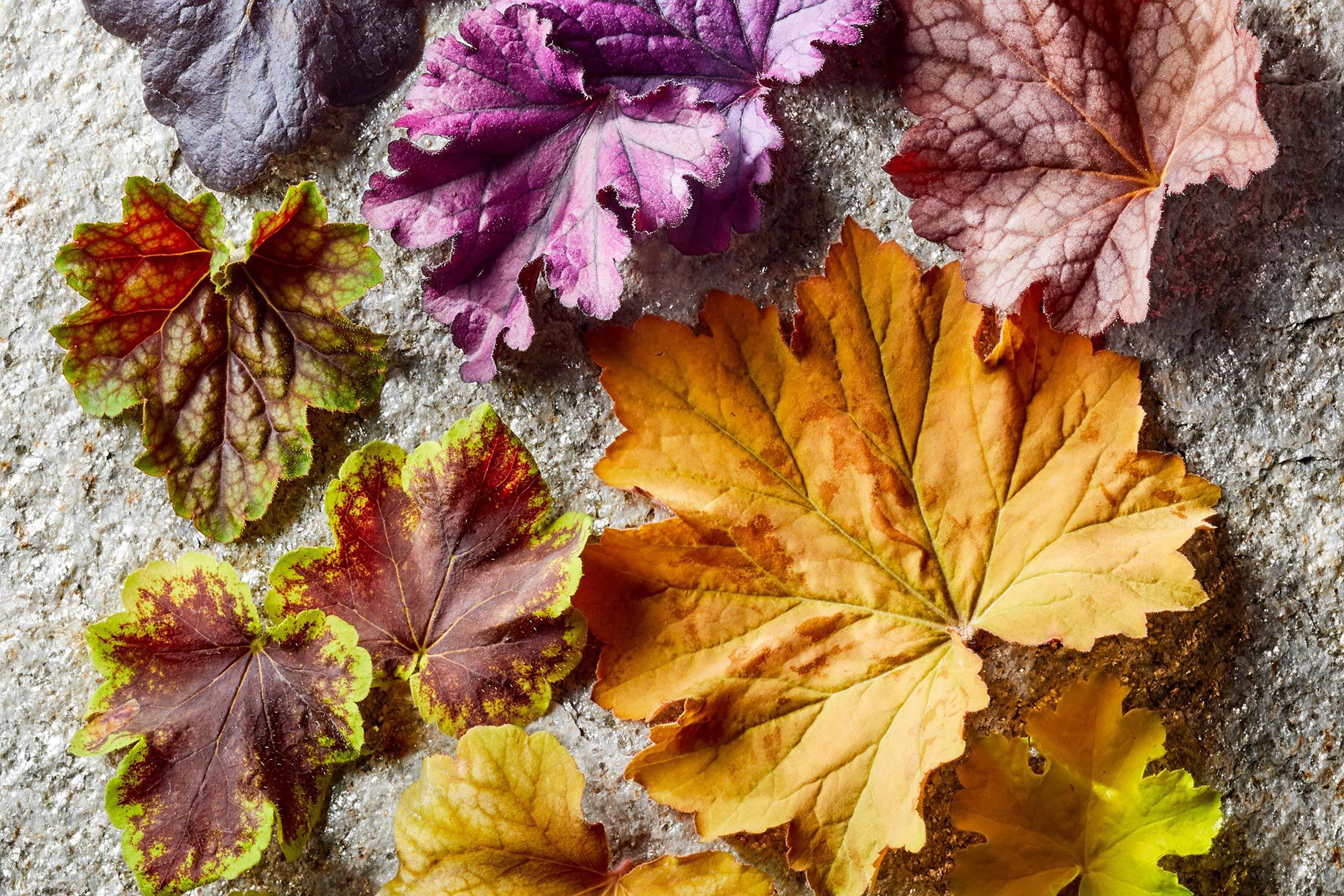

If your garden feels a little too green-green and not enough wow, colorful foliage plants are the fastest way to fix it. Flowers are wonderful, of course. But flowers are also a bit like fireworks: dramatic, beautiful, and sometimes over before you have finished admiring them. Leaves, on the other hand, stick around and do the hard work day after day. They bring color in spring, texture in summer, depth in fall, and, in some cases, drama all season long without demanding center-stage treatment.
The secret to a brighter garden is mixing plants with colorful leaves in different shapes, heights, and textures. Think lime green spilling from a container, velvety purple tucked into a border, silvery foliage cooling down a hot bed, and striped leaves adding a little “who invited the tropical vacation?” energy. Whether your space gets full sun, dappled shade, or that classic tricky patch where nothing seems happy, there is a foliage plant ready to clock in and make your garden look better.
Below are 12 standout plants with colorful leaves for brightening up your garden, along with practical tips for using them well. Some are annuals, some are perennials, and a few are shrubs or small trees, which means you can build layers of color instead of relying on one-season wonders.
Why colorful foliage plants deserve more attention
Colorful foliage does more than fill space between flowers. It creates structure, contrast, and consistency. In a shade garden, foliage often matters more than blooms because leaves stay visible longer and handle lower light better. In sunny beds, bold leaf color helps anchor bright flowers so the whole design does not turn into visual confetti.
Another bonus: many foliage plants are excellent in containers, where you can move them around and play with combinations. Mix chartreuse with burgundy, silver with deep green, or striped leaves with round ones, and suddenly even a simple patio pot starts looking like it had a professional stylist.
12 colorful foliage plants to brighten your garden
1. Coleus
Coleus is the all-star when gardeners want instant color without fuss. Its leaves can be burgundy, lime, copper, pink, orange, cream, or a wild mash-up of all of the above. Some varieties are frilly, some are smooth, and some look like they were painted by a caffeinated artist.
This plant works in containers, borders, window boxes, and shady corners that need a pulse. Many modern coleus varieties can handle both sun and shade, though color intensity often changes depending on the light. To keep plants lush, pinch off flower spikes when they appear. Think of it as redirecting the plant from wedding planning back to leaf production.
2. Caladium
Caladium brings tropical flair with heart-shaped leaves splashed in pink, white, red, and green. If your garden needs something soft but still attention-grabbing, this is it. Caladiums are especially good for brightening shady beds, porch planters, and tucked-away spots that can otherwise feel dull.
They pair beautifully with ferns, begonias, and hostas. Some newer cultivars tolerate more sun, but in many gardens caladium still performs best with part shade and steady moisture. The effect is lush, colorful, and just dramatic enough to make the neighbors pretend they were always planning something similar.
3. Coral Bells (Heuchera)
Coral bells prove that perennials can be just as flashy as annuals. Their leaves come in shades of purple, caramel, peach, silver, chartreuse, and near-black. Even better, they hold their shape neatly, making them excellent edging plants, fillers in mixed borders, or year-round interest in milder climates.
Heuchera shines in part shade, especially where hot afternoon sun is intense. Darker-leaved varieties tend to handle more sun than lighter, more delicate colors. Use coral bells when you want a polished look with very little chaos. They are the tailored blazer of the foliage world.
4. Hosta
Hostas are famous for shade gardening, and with good reason. Their leaves can be blue-green, gold, chartreuse, deep green, or variegated with creamy white margins and bright centers. They add volume fast, which makes them ideal for filling beds and creating a rich, layered look.
What makes hosta especially useful is contrast. A broad, gold hosta next to narrow grassy foliage or silver leaves looks intentional and sophisticated. Most prefer shade or morning sun, plus evenly moist soil. Just remember that slugs also appreciate hostas. Apparently, great taste is not limited to humans.
5. Japanese Forest Grass
If your garden leans woodland, Japanese forest grass deserves a spot. Its arching leaves flow like a fountain, often in green-and-gold variegation or warm golden tones. It adds movement, which is important when a bed has lots of broad leaves and starts feeling visually heavy.
This plant looks especially beautiful spilling over the edge of a path, wall, or container. It prefers part shade and soil that stays consistently moist but drains well. Use it to soften hard edges and to bring a graceful, glowing quality to darker areas of the garden.
6. Rex Begonia
Rex begonia is all about leaf pattern. Swirls of silver, plum, green, burgundy, black, and pink make each leaf look almost hand-painted. While many gardeners grow rex begonias as houseplants, they also work beautifully outdoors in containers, covered patios, and shady summer displays.
These plants are frost tender, so they are usually treated as seasonal stars in most climates. The payoff is huge visual texture. A single pot of rex begonias can look more interesting than an entire border of mediocre flowers, which is a little rude to the flowers, but still true.
7. Persian Shield
Persian shield is one of the most striking purple foliage plants you can grow. Its iridescent leaves shimmer with silvery-purple tones, especially when light hits them at an angle. In the garden, that means it catches attention even from several feet away.
It thrives in warm weather and is often grown as an annual outside tropical regions. Persian shield loves rich soil, regular moisture, and some protection from harsh midday conditions. Combine it with chartreuse foliage or orange flowers for a color pairing that feels bold without becoming messy.
8. Dusty Miller
Not every colorful foliage plant needs to shout. Dusty miller brings a soft silver-gray tone that cools down hot color schemes and makes nearby flowers or darker leaves pop. Its velvety, cut foliage adds texture even when the plant is standing still doing absolutely nothing dramatic.
Use dusty miller in sunny borders, containers, or edging where you need contrast. It is especially good with purple foliage, red flowers, blue grasses, or white blooms. Silver foliage acts almost like a neutral in garden design, which means it can rescue combinations that might otherwise feel too loud.
9. Ornamental Sweet Potato Vine
Sweet potato vine is the plant you use when your container needs a spiller and your garden needs a shot of energy. Leaves may be chartreuse, deep purple, bronze, or blackish, and the trailing habit helps soften the edges of pots, raised beds, and borders.
It grows fast, handles heat well, and adapts to sun or shade, though leaf color is usually richer in brighter light. Pair chartreuse forms with dark coleus or purple canna for contrast that looks purposeful and lively. This plant has no interest in being subtle, and honestly, good for it.
10. Canna
Canna earns its place not only for flashy flowers but also for its spectacular leaves. Some varieties have bold stripes, bronze tones, or richly colored foliage that gives the whole planting a tropical, high-summer feel. If your goal is drama, canna arrives already wearing sequins.
Use it as a focal point in beds or large containers. Cannas love warmth, sun, and moisture, and they make an especially strong statement when planted in groups. In colder climates, the rhizomes can be lifted and stored over winter. Yes, it is extra work, but the payoff is also extra.
11. Blue Fescue
Blue fescue is proof that foliage color does not have to be loud to be effective. Its blue-gray blades form tidy, rounded clumps that look crisp and modern in borders, rock gardens, and drought-friendly plantings. The fine texture also contrasts beautifully with bold leaves like hosta or canna.
This ornamental grass likes full sun and sharply drained soil. It is a strong choice for gardeners who want cool-toned color and clean structure. Think of it as the calm, stylish friend who somehow makes everyone else look more put together.
12. Japanese Maple
For long-term color and elegance, Japanese maple is hard to beat. Depending on the cultivar, leaves may be burgundy, red, gold, green, or variegated, and many shift beautifully through the seasons. The branching structure also adds interest even after leaves fall.
Japanese maples work as specimen plants near patios, entries, or quiet seating areas where you can appreciate their detail up close. In many gardens they prefer moist, well-drained soil and some protection from harsh afternoon sun. If you want your garden to feel more refined without becoming stiff, this is the move.
How to design a brighter garden with foliage color
Use contrast on purpose
The easiest way to make colorful leaves stand out is to put opposites together. Pair chartreuse with purple, silver with burgundy, or gold with deep green. The contrast creates definition, which makes each plant look more vivid.
Mix leaf sizes and textures
A good planting combines big leaves, narrow leaves, soft leaves, shiny leaves, and maybe one plant that looks like it belongs in a fancy hat. Broad hosta next to blue fescue, or caladium beside Japanese forest grass, creates movement and keeps the eye interested.
Repeat colors across the garden
If you use one purple-leaved plant in a single corner, it can feel random. Repeat that color somewhere else, even in a container or nearby bed, and the garden starts to feel connected. Repetition is what turns a collection into a design.
Do not ignore containers
Containers are ideal for colorful foliage plants because they let you experiment without committing an entire bed. Try a thriller, filler, spiller formula using canna or coleus as the focal point, coral bells or rex begonia as the filler, and sweet potato vine as the spiller. Suddenly your porch looks suspiciously magazine-ready.
Common mistakes to avoid
The biggest mistake is treating every foliage plant the same. A blue fescue that loves sun and dry drainage will not appreciate being handled like a caladium that prefers richer, moister conditions. Another common issue is overpacking beds with too many competing colors. Yes, all the plants are pretty. No, they do not all need to live in the same four square feet.
Also watch light levels closely. Some plants with colorful leaves become greener in too much shade, while others scorch in hot afternoon sun. The label matters, and so does observing your site. Gardens are part science, part art, and part accepting that one plant will always behave like it did not read the instructions.
What it is actually like to garden with colorful foliage plants
One of the best things about growing plants with colorful leaves is that the garden starts feeling alive even when very little is blooming. Early in the morning, chartreuse foliage almost glows. In late afternoon, purple and burgundy leaves deepen and become moodier. After rain, silver leaves can look polished, while variegated ones seem brighter than they did the day before. You begin to notice that foliage is not static at all. It changes with weather, angle of light, and even what is planted nearby.
There is also a more practical kind of satisfaction. A shady side yard that once looked flat suddenly feels layered after adding hostas, Japanese forest grass, and a pot of rex begonias. A sunny patio softens when sweet potato vine spills over the edge of containers. A bed that used to rely on a short flower show becomes attractive for months because coleus, dusty miller, and coral bells keep showing up to work without asking for applause.
Gardeners often talk about bloom time, but foliage changes how you experience the space between blooms. You stop waiting for the “good season” and start enjoying the garden more consistently. Even quick chores feel nicer when you are walking past a Japanese maple with glowing leaves or a drift of blue fescue catching the light. There is a visual rhythm to it: large leaves, fine leaves, dark tones, bright splashes, silver pauses. The garden feels composed instead of accidental.
There are, of course, lessons. Everyone eventually puts a shade-loving plant in too much sun or gives a sun lover a spot that is too dim. Some coleus varieties get leggy if you ignore them. Caladiums may sulk when temperatures are still too cool. Cannas can go from “statuesque” to “why is this taking over the patio?” in what feels like one humid weekend. But even those moments are part of the fun, because foliage plants respond quickly and teach you fast.
Another experience many gardeners notice is how colorful leaves affect mood. Bright greens and golds feel cheerful and fresh. Deep purples and bronzes add richness and calm. Silver tones cool everything down. In a way, foliage lets you decorate outdoors the same way you would decorate a room, except the throw pillows are alive and occasionally need deadheading.
Perhaps the most surprising part is how these plants make the garden feel finished. Flowers can be seasonal accents, but foliage is what gives a space body and continuity. Once you start designing with leaf color, you see opportunities everywhere: a dull corner that needs a gold hosta, a container that needs dark trailing leaves, a path edge that could use the soft fountain shape of Japanese forest grass. After that, it is difficult to go back to an all-green garden without thinking, “Nice, but where is the personality?”
Conclusion
If you want to brighten up your garden, do not wait for flowers to do all the work. Build color into the bones of the space with foliage plants that offer contrast, texture, and long-lasting interest. Mix annuals with perennials, tuck bold leaves into containers, and use shrubs or small trees like Japanese maple to add structure. When you get the balance right, your garden looks fuller, richer, and more intentional from spring through fall.
The best part is that there is no single formula. You can go tropical, moody, cottage-style, modern, or woodland-soft depending on the plants you choose. Just remember: in a truly memorable garden, the leaves are not background extras. They are the cast, the lighting crew, and, on many days, the star of the show.