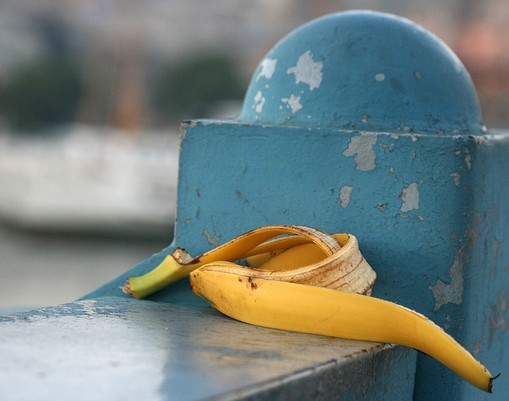
#147 When Those Little Stringy Things Come Off With the Banana Peel – 1000 Awesome Things

There are big victories in life: landing the job, catching the flight, finding the last parking spot near the entrance during a rainstorm. And then there are tiny victories so small they almost require a microscope, a snack break, and a suspiciously dramatic soundtrack. One of those underrated miracles is this: peeling a banana and watching those little stringy things come off neatly with the peel.
Yes, we are talking about banana strings. The clingy, pale, noodle-like threads that sometimes stay glued to the fruit like they have unpaid rent. When they come off cleanly with the banana peel, the universe briefly feels organized. Your snack is smooth. Your hands are clean. Your inner perfectionist puts on sunglasses and nods slowly.
Inspired by the joyful spirit of 1000 Awesome Things, this article celebrates the humble moment when a banana opens like a dream and the stringy bits disappear without negotiation. It is part food science, part everyday gratitude, and part love letter to one of the least dramatic fruits that somehow still manages to create emotional plot twists.
What Are the Little Stringy Things on a Banana?
Those stringy things are not banana flaws, fruit cobwebs, or tiny edible shoelaces. They are called phloem bundles. In simple terms, they are part of the banana plant’s internal transport system. They help move nutrients through the fruit while it grows, which means the banana strings are not random freeloaders. They had a job before they became your breakfast inconvenience.
Think of phloem bundles as the banana’s delivery network. While the fruit is developing, these fibers help distribute sugars, minerals, and other nutrients. By the time the banana reaches your kitchen counter, the bundles are still there, quietly reminding you that plants are far more engineered than they look. A banana may seem like a soft yellow snack, but inside, it has infrastructure. Tiny infrastructure, but still.
Are Banana Strings Safe to Eat?
Yes, banana strings are safe to eat. They may not win any beauty contests, and they are unlikely to become the next trendy salad topping, but they are edible. Their texture can be slightly fibrous or dry compared with the soft banana flesh, which is why many people prefer to peel them off. Still, if a few remain on your banana, there is no need to panic, call a botanist, or throw the entire fruit into exile.
In fact, since phloem bundles are part of the fruit’s natural structure, eating them is basically eating a little extra plant fiber. The amount is small, so nobody should start marketing banana strings as a miracle superfood. But they are not harmful, and they are certainly not a sign that the banana has gone bad.
Why It Feels So Satisfying When They Come Off With the Peel
The magic of this moment is not only about bananas. It is about frictionless living. A banana that peels perfectly gives you something rare: an everyday process that goes exactly as planned.
Most small tasks contain tiny annoyances. The tape sticks to itself. The phone charger is just out of reach. The cereal bag tears down the side like it is trying to escape. But when you peel a banana and every stringy thing leaves with the skin, it feels like the snack gods have approved your application for a better day.
This is why the moment belongs in the world of awesome little things. It is not flashy. It will not trend for six weeks. Nobody gives a trophy for “Cleanest Banana Peel of the Morning.” But the pleasure is real. It is neatness, convenience, and surprise rolled into one yellow package.
The Joy of a Clean Banana Peel
A clean banana peel is satisfying because it removes effort. You do not have to scrape. You do not have to pinch off each string like you are performing fruit surgery. You do not have to deal with that one stubborn strand that refuses to detach and swings around like a tiny jungle vine.
Instead, the peel opens, the strings follow, and the banana is ready. Smooth. Tidy. Elegant. For a fruit commonly eaten while rushing to school, work, the gym, or the car, that kind of cooperation feels luxurious.
The Science Behind a Better Banana Peel
Not every banana peels the same way. Ripeness, variety, storage conditions, and handling all affect how easily the peel separates from the fruit. A slightly ripe banana with yellow skin and a few brown freckles often peels more cleanly than a firm green banana. That is because the fruit’s starches and cell walls change as it ripens, making the inside softer and the peel easier to remove.
Green bananas are firmer and starchier. Their strings may cling more tightly because the fruit has not softened enough. Very ripe bananas, on the other hand, may peel easily but can also become mushy, which introduces a new snack problem: banana fingers. Nobody wants banana fingers. Banana fingers are why napkins were invented.
Why Ripeness Matters
Bananas continue ripening after harvest. As they ripen, starch converts into sugar, the peel changes color, and the texture becomes softer. This is why a green banana tastes less sweet and feels firmer, while a yellow banana with light speckles tastes sweeter and peels more gracefully. If you want the stringy things to come off with the banana peel, aim for the sweet spot: ripe, but not collapsed into pudding.
That perfect banana stage is a narrow window. One day it is green and stubborn. The next day it is glorious. Two days later, it is auditioning for banana bread. Timing matters.
Why Bananas Became the Perfect Everyday Snack
Bananas are popular for a reason. They come in their own packaging, require no washing, and can be eaten without utensils. They are portable, affordable, and friendly to nearly every lunchbox on Earth. In a world where snacks often require wrappers, crumbs, and mysterious orange powder, the banana keeps things refreshingly simple.
Nutritionally, bananas are known for potassium, vitamin B6, vitamin C, carbohydrates, and fiber. They are often eaten before or after workouts because they provide quick, easy energy. They also work well in smoothies, oatmeal, pancakes, muffins, peanut butter toast, and emergency “I forgot breakfast” situations.
But the banana’s real genius is emotional. It is familiar. It is low-pressure. Nobody has to read instructions before eating a banana. Unless, of course, they are debating which end to peel first, in which case the internet will happily turn breakfast into a courtroom.
Should You Peel a Banana From the Stem or the Bottom?
Many people peel bananas from the stem because it feels obvious. The stem looks like a handle, and humans love handles. But some banana fans argue that peeling from the bottom is cleaner and may reduce stringy leftovers. This method is often called the “monkey method,” though actual animal behavior is more varied than internet trivia usually admits.
To try it, pinch the bottom tip of the banana gently until the peel splits, then pull the peel downward. This can sometimes make the banana open more easily, especially if the stem is stubborn. It may also help remove some of the phloem bundles along with the peel. Is it guaranteed? No. Bananas are fruit, not software updates. But it is worth testing if stringy bits bother you.
Best Way to Reduce Banana Strings
For a smoother banana experience, choose bananas that are fully yellow with a few small brown speckles. Avoid very green bananas if you dislike stubborn strings. Peel slowly instead of yanking the skin down like you are starting a lawn mower. If strings remain, run the inside of the peel lightly along the fruit to lift them away. This trick feels oddly professional, like you have attended a secret banana seminar.
The Tiny Psychology of Awesome Things
The reason this topic works so well is that it captures something bigger than fruit. Life is packed with micro-moments that can either irritate us or delight us. A banana string coming off with the peel is a small sign of cooperation from the universe. It is the snack equivalent of a green light when you are already late.
These moments matter because they train us to notice good things that do not announce themselves loudly. Not every happy moment has fireworks. Sometimes happiness is a zipper that does not jam, a spoon that does not fall into the soup, or a banana that peels cleanly on the first try.
That is the charm of the 1000 Awesome Things mindset. It turns everyday life into a scavenger hunt for small wins. Suddenly, ordinary events become little celebrations. The goal is not to pretend life is perfect. The goal is to notice when, for five seconds, something goes beautifully right.
Banana Strings as a Symbol of Small Annoyances
Banana strings are harmless, but they are annoying because they interrupt expectation. You expect a smooth fruit. Instead, you get clingy threads. It is a tiny betrayal, like opening a drawer and finding one sock, or clicking a pen that has no ink.
But when those strings come off with the peel, the opposite happens. The banana exceeds expectations. It gives you less work than you prepared for. That is why it feels so good. The bar was low, the fruit cleared it, and suddenly breakfast has emotional range.
The Beauty of Zero Cleanup
Part of the pleasure is cleanliness. Food often creates evidence: crumbs, wrappers, peels, drips, stains, sticky fingers. A perfectly peeled banana keeps the evidence contained. The peel becomes a neat little jacket holding all the parts you do not want. Toss it in compost or the trash, and the fruit is ready without drama.
There is something deeply satisfying about food that behaves. A banana that peels cleanly is polite. It respects your schedule. It does not make you chase strings around the fruit like a raccoon with office responsibilities.
Fun Ways to Enjoy Bananas Without Overthinking Them
A cleanly peeled banana is wonderful on its own, but bananas are also culinary team players. Slice one over oatmeal with cinnamon. Blend it into a smoothie with milk, yogurt, or a dairy-free alternative. Mash it into pancake batter for natural sweetness. Freeze banana slices and blend them into a creamy dessert. Pair banana with peanut butter for a snack that tastes like childhood packed a lunch.
Overripe bananas deserve respect, too. Once the peel turns heavily spotted and the fruit softens, banana bread enters the chat. Muffins, waffles, cookies, and quick breads all welcome bananas that missed their fresh-snack deadline. In this way, bananas are forgiving. Even when they fail as a tidy handheld fruit, they can still become dessert. That is character development.
How to Pick Bananas for the Best Peel Experience
If you want the best chance of seeing those little stringy things come off with the banana peel, shopping matters. Look for bananas that are firm but not hard, yellow rather than green, and free of deep bruises. A few brown freckles are usually fine and often signal sweetness. If you are buying for the whole week, choose a mix: some yellow for now, some slightly green for later.
At home, keep bananas at room temperature. Refrigerating them too early can darken the peel, though the fruit inside may still be fine. To slow ripening once they reach your preferred stage, you can place ripe bananas in the refrigerator. The peel may look dramatic, but the inside often stays usable longer. Bananas are theatrical like that.
Why This Little Moment Deserves Celebration
Celebrating banana strings may sound silly, but silliness is underrated. Tiny joys give the day texture. They make ordinary routines feel less automatic. When you notice the clean peel, you are not just eating fruit. You are practicing attention.
That attention can shift your mood. A good banana peel will not solve your inbox, fold your laundry, or explain why there is always one missing food container lid. But it can give you a brief, bright moment of order. And sometimes that is enough to start the morning with a slightly better attitude.
So the next time you peel a banana and the phloem bundles come away perfectly with the skin, pause for one second. Admire the clean fruit. Appreciate the lack of manual string removal. Give the peel the respectful farewell it deserves. Then enjoy your banana like a person who has just witnessed a tiny miracle in produce form.
Personal Experiences With Banana Strings and Tiny Kitchen Victories
There is a very specific kind of morning when this banana moment matters most. It is the morning when everything is moving faster than you are. The alarm was rude. The coffee is taking too long. Your bag is somehow both packed and missing everything important. Then you grab a banana because it is the only breakfast that does not require a bowl, a toaster, or emotional commitment.
You snap the stem, pull down the peel, and there it is: perfection. The stringy things come away cleanly. No dangling threads. No fuzzy little strips stuck to the fruit. No need to stand over the sink picking at your breakfast like a detective dusting for fingerprints. In that moment, the banana becomes more than food. It becomes a small act of mercy.
I have seen people react to banana strings in completely different ways. Some eat them without noticing. These are probably the same people who can sleep on airplanes and assemble furniture without sighing. Others remove every single strand with intense focus, turning snack time into a precision sport. For them, a clean-peeling banana is not just nice. It is victory.
One of the funniest things about banana strings is how personal they feel. Nobody is truly harmed by them, yet they can inspire dramatic opinions. A single string left on the fruit can make a perfectly normal person whisper, “Absolutely not,” and begin peeling it away with the seriousness of a surgeon. Another person will shrug and eat the whole thing, string included, while everyone else watches like they have just done a magic trick.
The best banana experiences often happen when expectations are low. Maybe the banana has one suspicious bruise. Maybe it has been rolling around in a backpack beside a notebook and a questionable granola bar. You expect trouble. You expect strings. You expect mild disappointment. Then the peel opens cleanly, and the fruit underneath is smooth, sweet, and ready. It feels like finding money in an old jacket, except the money is potassium and the jacket is yellow.
There is also something nostalgic about it. Many people first learned to eat bananas as children, when the fruit seemed almost cartoonish: bright, curved, easy to hold, and funny by design. Banana strings were part of the experience, like juice boxes that sprayed too hard or orange slices at soccer games. When the strings came off with the peel, it felt like getting the good spoon, the corner brownie, or the cereal prize before your sibling noticed.
Even as adults, we still appreciate food that behaves. Life gets complicated, but a clean banana peel is simple. It asks for nothing. It provides a snack, a tiny dopamine sparkle, and a reminder that small conveniences are worth noticing. Not every awesome thing needs to be rare. Some are sitting in a fruit bowl, slowly ripening, waiting to make your morning one string-free second better.
That is why this moment deserves its place among awesome things. It is modest, funny, practical, and oddly satisfying. It proves that joy does not always arrive with a grand entrance. Sometimes it arrives quietly, attached to the inside of a banana peel, leaving behind a smooth fruit and a person who is just a little more ready for the day.
Conclusion
When those little stringy things come off with the banana peel, it is not just a cleaner snack. It is a tiny celebration of convenience, timing, and food science working together. The phloem bundles did their job while the banana grew, and then, if luck is on your side, they exit politely with the peel. That is the kind of small, satisfying moment that makes ordinary life feel surprisingly delightful.
Bananas may be common, but this experience is special because it reminds us to enjoy the little wins. A perfect peel. A smooth bite. A snack with no extra work. In the grand story of daily life, that is wonderfully, ridiculously awesome.
Note: This article is fully original, written in standard American English, and based on real botanical and nutrition information about bananas, phloem bundles, ripening, and everyday food habits.