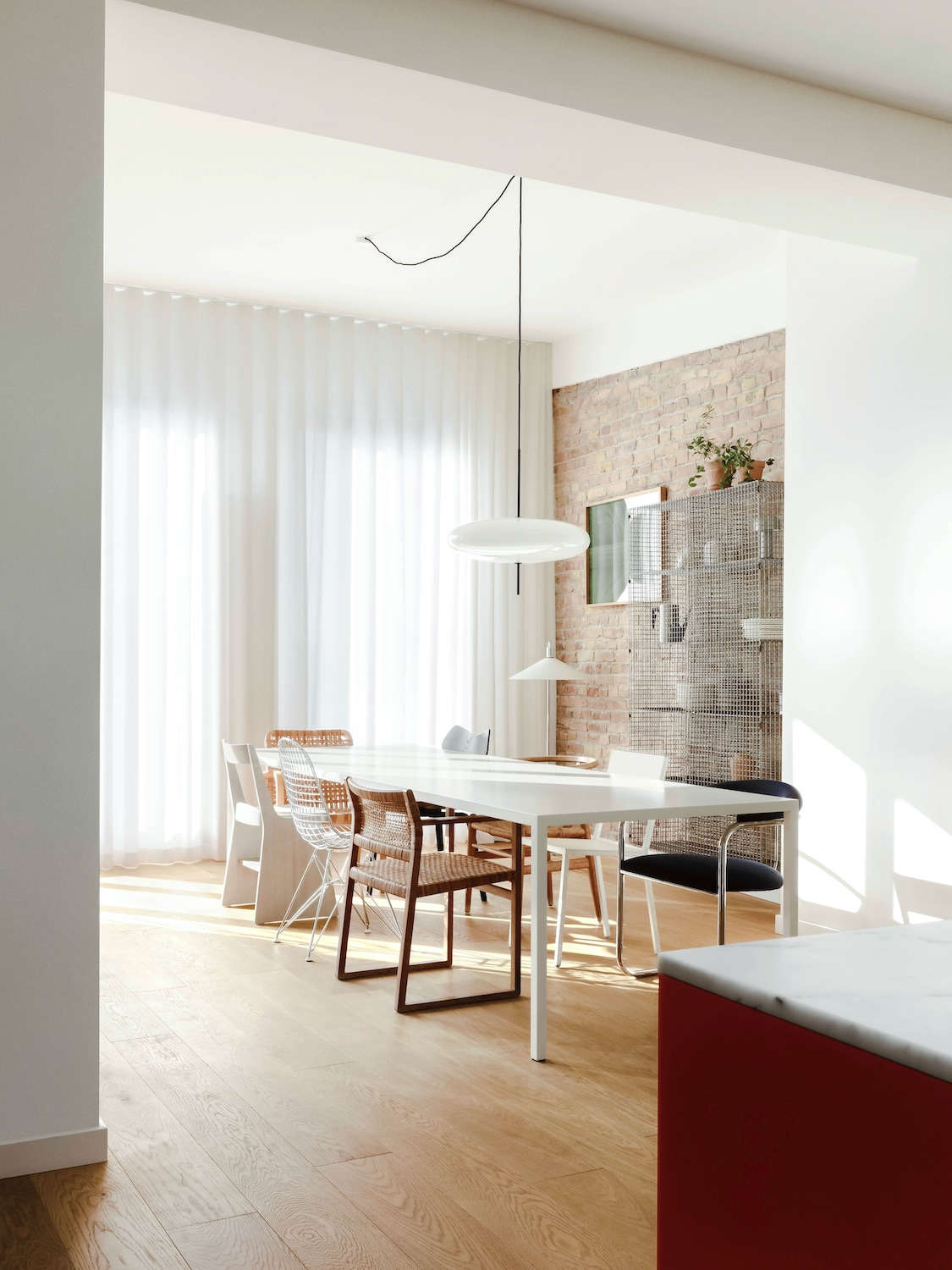

The 2065 Suspension Lamp is one of those rare lighting designs that looks quiet at first, then slowly takes over the room like the best-dressed guest at a dinner party. It does not shout. It does not sparkle like a chandelier trying to win a talent show. Instead, it floats with a calm, sculptural confidencepart mid-century icon, part futuristic cloud, part “yes, I definitely have excellent taste.”
Designed by Italian lighting master Gino Sarfatti in 1950 and later reintroduced by Astep, the Model 2065 remains a fascinating example of how great design can feel both historic and modern. Its flattened, saucer-like silhouette, opaline diffuser, and lightweight construction make it a favorite among fans of Italian modern lighting, minimalist interiors, and statement pendant lamps that do more than merely keep people from bumping into furniture.
In this guide, we will explore the history, design details, materials, practical uses, styling tips, and buying considerations for the 2065 Suspension Lamp. Whether you are designing a dining room, upgrading a living space, or simply falling down the beautiful rabbit hole of modern pendant lighting, this lamp deserves a closer look.
What Is the 2065 Suspension Lamp?
The 2065 Suspension Lamp, also known as the Model 2065 Pendant Lamp, is a suspended ceiling light originally created by Gino Sarfatti during a period when many lighting designers still relied heavily on glass. Sarfatti, always curious and not exactly the type to say, “Well, everyone else is doing it this way,” experimented with methacrylate, a lightweight plastic material that offered a soft, opaline glow while being lighter and more resistant than traditional glass.
The lamp is built around two joined saucer-shaped diffusers. Together, they form an elegant elliptical body that appears to hover in the air. A slim stem passes through the center, connecting the diffuser to the ceiling canopy and cable above. The result is minimal, graphic, and balancedlike a UFO that went to design school in Milan and graduated with honors.
Modern versions by Astep use opaline methacrylate or Green Cast PMMA, a recycled and recyclable material designed to preserve the visual quality of the original while improving the sustainability profile. The lamp is typically paired with multiple LED bulbs, creating a wide, diffused illumination that works beautifully in dining rooms, lounges, offices, entryways, and high-ceiling interiors.
The Story Behind Gino Sarfatti and Model 2065
To understand the 2065 Suspension Lamp, it helps to know a little about Gino Sarfatti. Born in Venice, Sarfatti became one of the most important figures in 20th-century Italian lighting design. In 1939, he founded Arteluce, a company that helped redefine modern lighting by treating lamps not just as decorative objects but as technical, architectural, and artistic tools.
Sarfatti was not formally trained as a designer in the traditional sense, which may be part of what made him so inventive. He approached lighting with the curiosity of an engineer and the eye of an artist. During his career, he created hundreds of lamps, experimenting with new forms, new materials, and new lighting technologies. His designs often feel simple, but that simplicity is carefully engineered. In other words, they are not “simple” in the same way a sandwich is simple. They are simple in the way a perfect watch movement is simple: everything has a reason.
The Model 2065 was designed in 1950, at a moment when postwar design culture was embracing innovation. New synthetic materials were becoming available, and designers were exploring how these materials could reshape domestic interiors. Sarfatti’s use of methacrylate was especially forward-thinking. Instead of treating plastic as a cheap substitute for glass, he used it as a design opportunity. The result was a lamp that felt lighter, more modern, and more sculptural than many fixtures of its time.
Design Analysis: Why the 2065 Suspension Lamp Still Looks Modern
The staying power of the 2065 Suspension Lamp comes from a few smart design decisions. First, the shape is clean but memorable. The flattened globe profile has enough personality to act as a centerpiece, yet it avoids visual clutter. This makes it surprisingly versatile. It can sit comfortably in a mid-century modern home, a Scandinavian-inspired apartment, a contemporary loft, or even a more traditional room that needs one confident modern note.
Second, the lamp plays with lightness. The diffuser looks large enough to matter, but it does not feel heavy. That is the magic of its material and proportions. Glass can be beautiful, but a large glass shade often carries visual weight. The 2065’s opaline methacrylate gives it a softer, almost floating quality. It appears substantial without feeling bulky.
Third, the lamp uses contrast wisely. In some versions, the black upper surface creates a crisp graphic line against the white diffuser. In all-white versions, the effect is more cloudlike and subtle. In champagne-finished options, the lamp takes on a warmer, more refined character. These variations allow the same basic design to suit different interiors without losing its identity.
Key Features of the 2065 Suspension Lamp
1. Opaline Diffuser for Soft, Even Light
The opaline diffuser is one of the lamp’s most important features. It softens the light and spreads it evenly, reducing harsh glare. This makes the lamp especially effective above dining tables, seating areas, and other spaces where people gather. Nobody wants dinner under lighting that makes everyone look like they are being interrogated. The 2065 avoids that problem gracefully.
2. Lightweight PMMA Construction
The lamp’s PMMA or methacrylate diffuser helps it achieve its floating look. Modern Green Cast PMMA versions also support a more eco-conscious approach because the material is recycled and recyclable while retaining the aesthetic qualities associated with the original design.
3. Multiple Bulb Configuration
The Model 2065 typically uses multiple bulbs inside the diffuser, arranged to create a balanced glow. Depending on the market and version, specifications may vary, so buyers should always check bulb base type, wattage limits, voltage compatibility, and dimming options before purchase. For U.S. homes, it is especially important to confirm whether a UL-listed or U.S.-compatible version is available.
4. Iconic Mid-Century Italian Style
Many pendant lamps claim to be “timeless,” which sometimes means they are beige and hoping nobody notices them. The 2065 actually earns the word. Its 1950 design language still feels relevant because it avoids trendy decoration and focuses on proportion, material, and light quality.
Where the 2065 Suspension Lamp Works Best
The 2065 Suspension Lamp is versatile, but it is not shy. It has a clear presence, so placement matters. Think of it less as background lighting and more as a sculptural anchor.
Dining Rooms
Above a dining table, the 2065 is an obvious star. Its broad, horizontal shape echoes the shape of many tables, creating a balanced composition. Over a round table, it becomes a soft central moon. Over a rectangular table, it provides contrast by adding curves to the room. Hang it low enough to feel intimate but high enough that guests can make eye contact without ducking like they are entering a submarine hatch.
Living Rooms
In a living room, the lamp can serve as a central pendant, especially in spaces with enough ceiling height. It pairs well with low-profile sofas, clean-lined coffee tables, walnut furniture, textured rugs, and soft neutral walls. Because the diffuser produces gentle light, it works best when layered with floor lamps, table lamps, or wall sconces.
Entryways and Foyers
An entryway is a great place for a design-forward pendant because it sets the tone immediately. The 2065 says, “Welcome, we appreciate good lighting here.” In taller foyers, its floating form can make the vertical space feel more intentional.
Home Offices and Studios
For creative workspaces, the lamp offers a clean, inspiring presence without visual chaos. It looks especially strong in rooms with built-in shelving, minimal desks, and carefully chosen art. However, for task-heavy work, pair it with a desk lamp. The 2065 is excellent at ambiance, but it is not trying to be your accountant’s spreadsheet spotlight.
How to Style the 2065 Suspension Lamp
Styling the 2065 Suspension Lamp is partly about giving it room to breathe. Because the design is graphic and sculptural, it benefits from open space around it. Avoid crowding it with overly busy ceiling beams, competing chandeliers, or decorative elements that fight for attention.
Pair It with Mid-Century Furniture
The lamp naturally works with mid-century modern pieces: walnut dining tables, molded chairs, leather lounge seating, low credenzas, and tapered legs. But try not to turn the room into a museum exhibit labeled “1957 Called and Wants Its Cocktail Cart Back.” Mix in contemporary textiles, art, and plants to keep the space alive.
Use Contrast in Minimalist Rooms
In a minimalist room, the black-and-white version adds visual punctuation. It can break up an all-white interior without making the space feel heavy. The all-white version, on the other hand, is ideal when you want the lamp to feel soft and architectural.
Balance It with Organic Materials
Because the 2065 has a precise geometric shape, it pairs beautifully with organic textures. Think wood grain, linen curtains, wool rugs, ceramic vases, and leafy plants. This balance keeps the room from feeling too sterile. A little texture is the design equivalent of seasoning your food.
2065 Suspension Lamp vs. Other Modern Pendant Lights
Compared with many glass globe pendants, the 2065 feels broader and more architectural. It is not just a glowing orb; it has a flattened, aerodynamic profile that gives it movement. Compared with multi-arm chandeliers, it is quieter and cleaner. Compared with fabric drum pendants, it feels more collectible and design-specific.
Its closest competitors are other iconic modern suspension lamps from brands such as Flos, Louis Poulsen, Artemide, and Herman Miller’s design retail ecosystem. However, the 2065 stands apart because of its unique material story and its connection to Sarfatti’s experimental design philosophy. It is not merely a lamp that looks mid-century; it is an actual mid-century design reintroduced for contemporary interiors.
Buying Considerations Before Choosing a 2065 Suspension Lamp
Check the Dimensions
The 2065 is visually light, but it is not tiny. Its diameter is a little over 21 inches, and the fixture height is also substantial enough to matter. Measure your space carefully. Above a small breakfast nook, it may feel dramatic; above a large dining table, it may feel perfectly balanced.
Confirm Ceiling Height
Suspension lamps need proper hanging height. For dining rooms, many designers recommend positioning the bottom of a pendant roughly 30 to 36 inches above the tabletop, depending on ceiling height and fixture size. For open walking areas, make sure there is enough clearance so taller guests do not experience a surprise meeting with Italian design.
Review Electrical Compatibility
If you are buying in the United States, confirm whether the lamp is available in a UL-listed version or compatible with U.S. electrical standards. Also check bulb base type, recommended wattage, maximum wattage, dimmer compatibility, and installation requirements.
Choose the Right Finish
The white version is calm and versatile. The black-and-white version is bolder and more graphic. Champagne hardware can feel warmer and more luxurious. Choose based on your room’s palette, ceiling color, hardware finishes, and the level of contrast you want.
Maintenance and Care
The 2065 Suspension Lamp is easier to maintain than many delicate glass fixtures, but it still deserves gentle care. Use a soft cloth for dusting. If the diffuser needs more cleaning, a lightly damp cloth with mild soap is usually safer than harsh chemicals. Avoid alcohol-based cleaners or solvents, which may damage plastic surfaces. Also, turn off the power before changing bulbs or cleaning near electrical parts. That last tip may sound obvious, but electricity has a dramatic personality and should not be challenged.
Because the diffuser has a smooth opaline surface, fingerprints and dust can be visible in strong daylight. A regular light wipe keeps the lamp looking fresh. If installed above a kitchen or dining area, occasional cleaning may be needed to remove airborne grease or dust buildup.
Is the 2065 Suspension Lamp Worth It?
The 2065 Suspension Lamp is not a budget impulse buy. It belongs in the category of investment lighting: pieces chosen for design history, craftsmanship, atmosphere, and long-term visual value. If you simply need a basic ceiling light, there are cheaper options. If you want a pendant lamp with heritage, presence, and a genuinely distinctive silhouette, the 2065 becomes much more compelling.
Its value is strongest for homeowners, designers, collectors, and design lovers who appreciate authentic modern classics. It is also a smart choice for interiors where lighting plays a major role in the overall mood. A good lamp does not just illuminate a room; it changes how the room feels. The 2065 does that with unusual elegance.
Experiences Related to the 2065 Suspension Lamp
Living with a lamp like the 2065 Suspension Lamp is different from installing a generic pendant and forgetting about it. This is a fixture that becomes part of the daily rhythm of a room. During the day, it reads almost like a sculptural object. The flattened diffuser catches natural light softly, and the slim central stem gives it a quiet architectural line. It does not need to be switched on to contribute to the space, which is one of the signs of a truly strong lighting design.
In a dining room, the experience is especially satisfying. The lamp creates a clear focal point above the table without overwhelming the conversation below it. Guests tend to notice it, but not in the “What on earth is that?” way. More often, it earns the slower kind of attentionthe double take, the compliment after the second glass of iced tea, the “Where did you find that?” question from someone who pretends not to care about interior design but absolutely does.
The light quality is another part of the experience. Because the diffuser softens the bulbs inside, the illumination feels gentle and flattering. This matters more than people think. Harsh overhead lighting can make even a beautiful room feel like a convenience store at midnight. The 2065, by contrast, brings a warmer and more relaxed feeling when paired with the right bulbs. Choosing warm white LED bulbs, often around 2700K, can help create a comfortable residential glow. If the version and bulbs support dimming, adding a compatible dimmer gives the lamp even more flexibility.
One practical experience worth noting is scale. In product photos, the 2065 can look airy and almost delicate. In person, it has real presence. That is a good thing, but it means the surrounding room should be planned thoughtfully. In smaller rooms, it may become the main visual feature. In larger rooms, it can anchor a seating or dining zone beautifully. The trick is not to compete with it. Let the lamp have its moment. It has been waiting since 1950, after all.
Another experience is how well it bridges old and new. In a room with vintage chairs and a wooden table, it feels historically appropriate. In a sleek contemporary apartment, it feels clean and futuristic. In a transitional home, it can act as the one modern piece that makes everything else look intentional. This is why designers often love reissued classics: they bring a sense of history without looking dusty.
Installation is the one area where enthusiasm should meet professionalism. Because the lamp is suspended, wired, and visually precise, proper installation matters. The canopy should sit cleanly, the cable should hang straight, and the height should be carefully chosen. A great lamp installed at the wrong height is like a tailored suit with sneakers that squeak. Still stylish, but something is off.
Overall, the experience of the 2065 Suspension Lamp is about atmosphere, proportion, and quiet pleasure. It is the kind of object that rewards attention over time. You may buy it because it looks beautiful, but you keep appreciating it because it makes the room feel calmer, smarter, and more complete.
Conclusion
The 2065 Suspension Lamp is more than a modern pendant light. It is a piece of Italian design history, a study in material innovation, and a practical source of soft, diffused illumination. Designed by Gino Sarfatti in 1950 and thoughtfully reintroduced for contemporary interiors, it proves that a great lighting idea can remain relevant for generations.
With its opaline saucer-shaped diffuser, lightweight construction, and elegant floating profile, the Model 2065 works beautifully in dining rooms, living rooms, foyers, and design-conscious workspaces. It is not the cheapest way to light a room, but it may be one of the most graceful. And in a world full of forgettable fixtures, graceful is a very good thing.
Note: This article is based on current manufacturer details, reputable modern lighting retailers, and established information about Gino Sarfatti, Astep, materials, dimensions, styling, and real-world use considerations. The content has been rewritten in an original, publication-ready style without source-link insertion.