
Note: This article is written as original, publication-ready HTML body content with no unnecessary citation artifacts or source-code explanation.
Great curb appeal is the home improvement version of a firm handshake, a friendly smile, and shoes that are not secretly held together with tape. Before anyone steps through your front door, your exterior has already started talking. The lawn, walkway, porch, lighting, paint, plants, mailbox, and even the house numbers are all whisperingor shoutingsomething about your home.
The good news? You do not need a mansion, a landscape architect on speed dial, or a bank account that cries every time you visit the garden center. Many curb appeal ideas are affordable, weekend-friendly, and surprisingly powerful. A freshly painted front door, trimmed shrubs, clean windows, layered lighting, and a neat path can make a home look cared for, welcoming, and more valuable.
Whether you are preparing to sell, impress the neighbors, or simply stop your house from looking like it is still recovering from a long winter nap, these 25 curb appeal ideas will help your home look polished from the street.
Why Curb Appeal Matters
Curb appeal is not just decoration. It is the first impression of your property, and first impressions are stubborn little creatures. Buyers often use the exterior to judge how well a home has been maintained. Guests notice whether the path is clear, the porch feels inviting, and the entrance looks intentional. Even if you are not selling, a beautiful exterior can make coming home feel better every day.
The most effective exterior upgrades usually combine three things: cleanliness, cohesion, and charm. Cleanliness says, “Someone cares.” Cohesion says, “This design was not assembled during a midnight panic scroll.” Charm says, “Come on in, we probably have coffee.”
25 Curb Appeal Ideas to Transform Your Home
1. Paint the Front Door
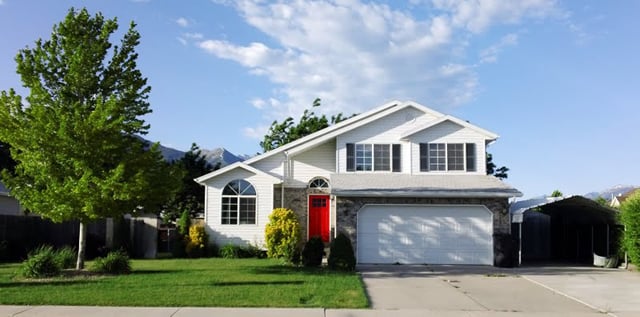
A fresh front door color is one of the fastest ways to boost curb appeal. Classic black, navy, deep green, cheerful red, warm terracotta, or sunny yellow can turn a plain entry into a focal point. The trick is choosing a color that complements the siding, trim, roof, and overall style of the home.
2. Upgrade Door Hardware
Old, scratched, or faded hardware can make even a beautiful door look tired. Replace the handle, lockset, knocker, kick plate, or doorbell with finishes that match your exterior lighting. Matte black, aged bronze, brass, and brushed nickel all work well when used consistently.
3. Add Large Planters by the Entry
Two planters flanking the front door create instant symmetry and polish. Use evergreens for year-round structure, then add seasonal flowers for color. Think boxwood with pansies in spring, ornamental grasses in summer, mums in fall, and small conifers in winter.
4. Refresh the Welcome Mat
A worn-out mat says, “Welcome, but please ignore the crumbs of 2019.” Choose a durable outdoor mat that fits the width of the door. For a designer look, layer a patterned outdoor rug underneath a simple coir mat.
5. Install Modern House Numbers
House numbers are small, but they matter. They help guests, delivery drivers, and emergency responders find your home. Choose numbers that are visible from the street and match your home’s style. Floating metal numbers, backlit plaques, or a custom wood-and-metal display can make a subtle but stylish statement.
6. Power Wash the Exterior
Before spending money on new features, clean what you already have. Power washing siding, steps, walkways, patios, and driveways can remove mildew, dirt, pollen, and stains. It is like giving your house a spa day, minus the cucumber water.
7. Clean the Windows
Clean windows make a home look brighter and better maintained. Wash the glass, wipe down the trim, and remove cobwebs around the frames. If screens are torn or bent, repair or replace them. Sparkling windows quietly say, “Adults live here.”
8. Trim Overgrown Shrubs
Landscaping should frame your home, not swallow it whole like a suburban jungle documentary. Trim shrubs away from windows, walkways, and the front door. Keep plants in proportion to the house, and remove anything dead, diseased, or aggressively plotting to block the mailbox.
9. Add Fresh Mulch
Mulch is the magic concealer of landscaping. It covers bare soil, reduces weeds, helps retain moisture, and gives beds a finished appearance. Choose natural wood mulch, pine straw, gravel, or bark depending on your region and design style.
10. Edge the Lawn and Walkways
Sharp edges around the lawn, driveway, and garden beds create a crisp, maintained look. Edging is inexpensive, but the visual payoff is big. It is the exterior equivalent of a clean haircut.
11. Repair Cracked Walkways
Walkways guide visitors to the front door, so they should feel safe and intentional. Patch cracks, level uneven pavers, and remove weeds growing between stones. For more character, consider brick, flagstone, gravel, or concrete pavers bordered with low plants.
12. Create a Clear Path to the Front Door
A confusing entry path makes guests feel like they are solving a yard-based escape room. Make sure the route from the street or driveway to the front door is obvious, well-lit, and free of clutter. Curved paths can add softness, while straight paths feel formal and classic.
13. Upgrade Outdoor Lighting
Good lighting improves safety, security, and atmosphere. Add sconces near the front door, path lights along walkways, and subtle uplighting for trees or architectural details. Warm white bulbs usually look more inviting than harsh, bluish light.
14. Add Solar Path Lights
Solar lights are a budget-friendly way to brighten walkways without complicated wiring. Place them evenly, not randomly, unless your design goal is “airport runway after a raccoon attack.” Keep fixtures clean and replace weak units when they stop shining properly.
15. Make Over the Mailbox
A leaning, rusty, or faded mailbox can drag down the entire front yard. Paint the post, replace the box, add new numbers, or plant flowers around the base. A simple mailbox garden with low-maintenance perennials can turn a forgotten corner into a charming detail.
16. Paint or Replace Shutters
Shutters add dimension when they suit the architecture and are correctly sized. Paint faded shutters in a color that coordinates with the front door or trim. Avoid shutters that are too small for the windows, because they look less like design and more like decorative postage stamps.
17. Update the Garage Door
Garage doors often take up a large portion of the front exterior. A fresh coat of paint, decorative hardware, window inserts, or a full replacement can dramatically improve curb appeal. Choose a style that supports the architecture instead of competing with it.
18. Add Window Boxes
Window boxes bring color, texture, and charm to the exterior. They work especially well on cottages, farmhouses, Cape Cod homes, and traditional facades. Use trailing plants, herbs, or seasonal flowers, and make sure boxes are properly secured and easy to water.
19. Bring in Porch Seating
If you have a front porch, use it. A pair of chairs, a small bench, or a porch swing can make the home feel friendly and lived-in. Add outdoor cushions in weather-resistant fabric, but keep the look tidy. Nobody wants to see a porch chair cushion that has become a squirrel timeshare.
20. Use a Cohesive Color Palette
A strong curb appeal plan uses colors that work together. Coordinate siding, trim, shutters, doors, roof tones, planters, and hardware. You do not need everything to match, but the colors should feel like they attended the same meeting.
21. Add Native Plants
Native plants are adapted to local soil and climate, which often makes them easier to maintain. They can also support pollinators and local wildlife. Use a mix of evergreens, flowering perennials, ornamental grasses, and small shrubs for year-round interest.
22. Plant a Small Tree
A well-placed tree adds shade, structure, and long-term beauty. Choose the right size for the space, and consider mature height and root spread before planting. Flowering trees, Japanese maples, dogwoods, redbuds, and crepe myrtles are popular choices in many regions.
23. Hide Utility Areas
Trash cans, hoses, utility boxes, and air-conditioning units are necessary, but they do not need to headline your curb appeal story. Use lattice screens, fencing, shrubs, or attractive storage solutions to hide eyesores while leaving enough access for maintenance.
24. Repair or Paint Fences and Railings
Peeling paint, loose railings, and broken fence boards make a home look neglected. Sand, stain, paint, or repair these elements so they support the overall exterior. Railings should be secure, clean, and suited to the home’s style.
25. Add Seasonal Decor Carefully
Seasonal decor can make a home feel warm and current, but restraint is your friend. A wreath, a few pumpkins, a simple winter planter, or tasteful holiday lights can look lovely. Thirty-seven inflatable snowmen, however, may suggest that your front yard has joined the circus.
Budget-Friendly Curb Appeal Tips
If your budget is tight, focus first on cleaning, trimming, edging, and painting. These projects usually deliver the biggest visual improvement for the lowest cost. A clean driveway, sharp lawn edges, a freshly painted door, and healthy plants can make a modest home look beautifully maintained.
Next, replace small visible details: house numbers, porch lights, mailbox hardware, planters, and the welcome mat. These updates may seem minor, but they work together to create a polished exterior. Think of them as the accessories that finish the outfit. Your house already has pants; now give it a decent belt.
Curb Appeal Ideas That Help When Selling a Home
If you are preparing to list your home, curb appeal becomes a marketing tool. Buyers often decide how they feel before they even reach the front door. A clean, fresh, well-lit exterior suggests that the inside has also been cared for.
Prioritize repairs over personality. Fix peeling paint, broken steps, cracked walkways, dead plants, sagging gutters, and damaged trim. Then add broad-appeal touches: neutral planters, fresh mulch, clean windows, bright lighting, and a welcoming entry. The goal is not to show buyers your entire personality. The goal is to help them imagine their own life there without mentally calculating repair costs.
Common Curb Appeal Mistakes to Avoid
Ignoring Maintenance
Beautiful decor cannot distract from obvious neglect. If the gutters are sagging and the shrubs are blocking the windows, a cute wreath will not save the day.
Choosing Plants That Grow Too Large
Always check mature plant size. A tiny nursery shrub can become a window-blocking monster in a few years. Plant with the future in mind.
Using Too Many Styles
Modern lights, rustic shutters, tropical plants, farmhouse signs, and Victorian railings may all be lovely separately. Together, they can look like your house is having an identity crisis.
Overdecorating the Porch
A welcoming porch should still have room for people. Keep furniture, plants, and decor balanced so visitors do not need parkour skills to reach the door.
Real-Life Experience: What Actually Works When Improving Curb Appeal
From practical experience, the most successful curb appeal projects are rarely the most expensive ones. They are the ones that make the house look cared for, balanced, and easy to approach. Homeowners often begin with big dreams: a new stone walkway, custom landscaping, upgraded siding, maybe a dramatic porch renovation worthy of a magazine cover. Those projects can be fantastic, but the first round of improvement should usually be much simpler.
Start by standing across the street and looking at the house as if you are seeing it for the first time. This little exercise is humbling. Suddenly, you notice the faded door, the crooked planter, the shrub that has grown into a leafy bodyguard, and the driveway stain shaped suspiciously like a small country. Take photos from the street, driveway, and sidewalk. Photos make clutter and imbalance easier to see because they remove the emotional filter of “I have been meaning to fix that since last spring.”
In many homes, the biggest transformation comes from cleaning and editing. Remove broken pots, faded flags, old seasonal decorations, unused furniture, and anything that has become “temporary” for three years. Trim plants away from the house, sweep the porch, wash the windows, and refresh mulch. This alone can make the exterior look calmer and more intentional.
After that, focus on the entry. The front door area is where the eye naturally lands. A fresh door color, clean hardware, matching planters, and a good light fixture can change the entire personality of a home. I have seen plain houses look instantly more expensive after nothing more than a painted door, two tall planters, new house numbers, and a freshly edged walkway. It is not magic; it is visual order.
Lighting is another upgrade people underestimate. A house that looks nice during the day can disappear at night if the entry is dark. Warm porch lights and low path lights make the home feel safer and more welcoming. They also show off the work you did instead of letting it vanish after sunset.
One helpful rule is to repeat materials and colors. If your porch light is black, consider black house numbers or black planter stands. If your home has warm brick, choose plant colors and mulch tones that complement it. Repetition makes the design feel deliberate, even when the budget is modest.
Finally, do not copy a curb appeal idea just because it looks good online. A desert-style gravel garden may be beautiful in Arizona but odd in a rainy traditional neighborhood. Tropical plants may look amazing in Florida and deeply confused in Minnesota. The best curb appeal respects the home’s architecture, climate, and neighborhood while still adding personality. In other words, dress your house for the occasionand maybe do not send it to a beach party in a snowstorm.
Conclusion
Curb appeal is the art of making your home look welcoming, maintained, and full of quiet confidence. You do not need to complete all 25 ideas at once. Start with the basics: clean the exterior, trim the landscaping, refresh the front door, update small details, and add lighting. Then layer in plants, seating, color, and character as your budget allows.
The best curb appeal ideas work because they make the home easier to see, easier to approach, and easier to love. Whether you are selling soon or staying for years, a polished exterior gives your property more pride, personality, and value. And yes, your neighbors may notice. Try to act humble when they ask for your secret.