
Want brown hair without marching straight into the land of permanent dye, developer, and that mysterious salon smell that follows you home like a tiny cloud? Good news: you can color your hair brown naturally using simple plant-based and kitchen-friendly ingredients such as coffee, black tea, henna, indigo, walnut hull powder, sage, and cocoa. Even better, these methods are gentle, affordable, and surprisingly funas long as you accept one important truth: natural hair color is more like watercolor than wall paint.
In other words, natural brown hair dye usually creates soft, buildable tones instead of dramatic overnight transformations. If your hair is light brown, dark blonde, gray, or naturally warm, you may see rich brunette depth after a few applications. If your hair is very dark, the results may be more about shine, tone, and subtle dimension. If your hair is platinum blonde, proceed carefully unless you enjoy surprises that deserve their own reality show.
Below are three easy ways to color your hair brown naturally, plus practical safety tips, examples, mistakes to avoid, and real-life experience notes to help you get a more realistic, pretty, “yes, I meant to do this” result.
Before You Start: What Natural Brown Hair Dye Can and Cannot Do
Natural hair coloring works by depositing pigment on the outside of the hair shaft or binding plant pigments to the hair over time. It does not bleach, lift, or permanently change your natural color the way conventional chemical color can. That means natural methods can darken, warm up, deepen, or tone your hair, but they will not turn black hair into caramel brown or dark brown hair into honey blonde.
Best Candidates for Natural Brown Hair Color
These methods tend to work best on gray hair, white strands, light brown hair, dark blonde hair, medium brown hair, and hair that already has warm undertones. They are also useful for refreshing faded brunette color, softening harsh highlights, blending early grays, or adding a coffee-colored gloss between salon visits.
Important Safety Rules
Natural does not automatically mean irritation-proof. Plants, powders, essential oils, coffee, tea, and herbs can still bother sensitive skin. Always do a patch test on a small area of skin and a strand test on a hidden section of hair before applying any mixture to your whole head. Wear gloves, protect your hairline with a little petroleum jelly or thick conditioner, and use an old towel unless you want your bathroom to look like it was redecorated by a very ambitious espresso machine.
Also, avoid “black henna.” Pure henna is typically reddish-orange or coppery; products sold as black henna may contain strong additives that can cause serious reactions. For brown tones, choose body-art-quality or hair-grade pure henna and pure indigo powder from reputable brands, and read ingredient labels carefully.
Way 1: Use Coffee and Black Tea for a Soft Brown Tint
If you want the easiest, lowest-commitment way to color your hair brown naturally, start with coffee and black tea. This method is ideal for beginners because the ingredients are inexpensive, easy to find, and unlikely to create a dramatic color disaster. Think of it as a brunette gloss: subtle, temporary, and buildable.
Best For
Coffee and black tea work best for light brown, dark blonde, medium brown, and gray hair. They can slightly darken hair, reduce the appearance of scattered grays, and add a warm brown cast. On very dark hair, the effect may mostly appear as shine and richness.
What You Need
- 2 cups strong brewed coffee, cooled
- 2 black tea bags or 2 tablespoons loose black tea
- 1 tablespoon plain conditioner or aloe vera gel
- Shower cap
- Gloves and an old towel
How to Do It
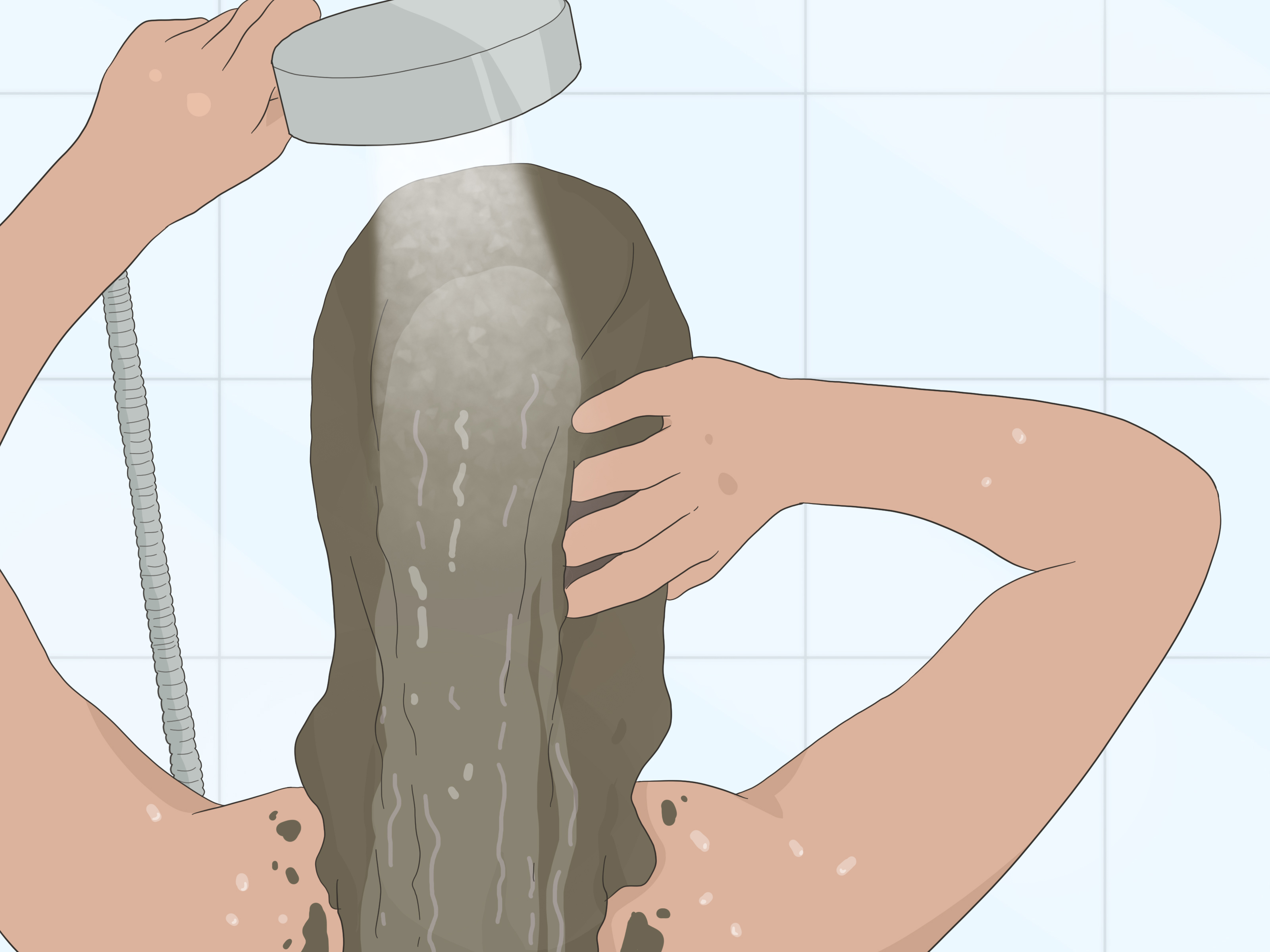
Brew very strong coffee and black tea, then let the liquid cool completely. Mix the liquid with a small amount of conditioner or aloe vera gel to help it cling to your hair. Apply the mixture to clean, damp hair, focusing on the mid-lengths, ends, and any gray areas. Cover your hair with a shower cap and let it sit for 45 minutes to 2 hours. Rinse with cool water. Skip shampoo immediately afterward if possible, because shampoo can remove much of the fresh tint.
For stronger results, repeat this process two or three times in one week. Natural coffee hair dye is not permanent, so expect the color to fade after several washes. That is not failure; that is the coffee politely leaving the party.
Tips for Better Color
Use dark roast coffee for a richer tone. Add a teaspoon of cocoa powder if you want a warmer chocolate-brown effect. If your hair is dry, mix in a little conditioner rather than using coffee alone. If your hair is gray and resistant, let the mixture sit longer and repeat regularly. Gray hair can be stubborn, like a cat refusing to move from your keyboard.
Way 2: Use Henna and Indigo for Longer-Lasting Brown Hair
Henna and indigo are the power couple of natural brunette coloring. Henna alone usually gives copper, auburn, or reddish tones. Indigo alone can look blue-green on light hair. But when used together in the right balance, they can create warm brown, medium brown, chestnut, chocolate brown, or deep brunette shades.
This method lasts longer than coffee or tea and can build beautifully over time. However, it also requires more patience and precision. If coffee is a casual brunch, henna and indigo are a dinner reservation. Still funjust show up prepared.
Best For
Henna and indigo are best for people who want more noticeable brown color, better gray blending, or a natural alternative to permanent brunette dye. They work especially well on gray, white, light brown, and medium brown hair. The final shade depends on your starting color, hair porosity, timing, and ratio of henna to indigo.
Basic Brown Formula
- For warm light brown: 2 parts henna to 1 part indigo
- For medium brown: 1 part henna to 1 part indigo
- For dark brown: 1 part henna to 2 parts indigo
What You Need
- Pure henna powder
- Pure indigo powder
- Warm distilled water or strong black tea
- Non-metal bowl and spoon
- Gloves
- Shower cap
- Old shirt and old towel
How to Do It
Mix henna powder with warm water or strong black tea until it forms a yogurt-like paste. Let it sit for several hours so the dye can release. In a separate bowl, mix indigo with warm water shortly before application, because indigo releases dye quickly and does not need to sit as long. Combine the henna and indigo pastes according to your desired brown shade.
Apply the paste to clean, dry or slightly damp hair in sections. Saturation matters. If you casually slap it on like sandwich spread, you may get patchy results. Cover your hair with a shower cap and leave it on for 1 to 3 hours. Rinse thoroughly with water until the water runs mostly clear. Avoid shampoo for 24 to 48 hours if you can, because the color continues to oxidize and deepen after rinsing.
How to Avoid Orange or Green Tones
Orange tones usually mean the mix had too much henna or not enough indigo. Greenish tones can happen if indigo is used alone on very light or gray hair. To get brown, henna gives the warm base and indigo adds cool depth. They need each other. It is basically a botanical buddy system.
If your hair is very gray or very light, consider a two-step process: apply henna first, rinse, then apply indigo or a henna-indigo mix afterward. This can help create a stronger brown result and reduce odd tones.
Way 3: Use Walnut, Sage, and Cocoa for a Rich Brunette Rinse
Walnut hull powder, sage, and cocoa can create a natural brunette rinse that adds depth and softness. This method is especially useful for people who want a richer brown tone but do not want the stronger commitment of henna and indigo. It is also a nice option for refreshing dull brown hair.
Best For
This method works best on medium brown, light brown, dark blonde, and gray hair. It may help blend grays gradually, deepen faded brown hair, and create a soft earthy tone. Results are usually temporary and improve with repeated use.
What You Need
- 2 tablespoons walnut hull powder
- 1 tablespoon dried sage
- 1 tablespoon unsweetened cocoa powder
- 2 cups hot water
- Fine strainer or cheesecloth
- Spray bottle or applicator bottle
How to Do It
Add walnut hull powder, dried sage, and cocoa powder to hot water. Let the mixture steep for at least 30 minutes, then strain very well. Once cool, pour it into a spray bottle or applicator bottle. Apply to clean, damp hair, making sure the liquid reaches the areas you want to darken. Leave it on for 30 to 60 minutes, then rinse with cool water.
For more intensity, use the rinse several times per week. You can also simmer the mixture for 10 to 15 minutes to create a stronger infusion. Just remember to cool it completely before applying. Your scalp is not a soup pot.
Extra Tips
Walnut hull can stain skin, fabric, counters, and anything else that stands still long enough. Use gloves and protect your workspace. If you have nut allergies, avoid walnut-based color recipes and choose coffee, tea, or henna-indigo instead after testing carefully.
How to Make Natural Brown Hair Color Last Longer
Natural color fades faster than permanent dye, but a few habits can help your brown tone last longer. Wash your hair less often, use cool or lukewarm water, and choose a gentle sulfate-free shampoo. Hot water opens the hair cuticle and encourages color to fade faster. Sun exposure can also fade color, so wear a hat when you spend long hours outside.
Deep conditioning once a week can help your hair look smoother and shinier, which makes brown tones appear richer. If your natural dye looks dull after a few washes, refresh it with a coffee rinse or tea rinse. For henna and indigo, wait a few weeks before reapplying unless your strand test suggests your hair can handle another round without becoming too dark.
Common Mistakes to Avoid
Skipping the Strand Test
A strand test is your preview trailer. It shows how your hair reacts before you commit your entire head. Test a hidden piece of hair, let it dry, and check it in natural light. Brown hair can look different indoors, outdoors, wet, and dry.
Expecting Instant Salon-Level Results
Natural dyes are usually gradual. Coffee and tea may need several applications. Henna and indigo may deepen over 48 hours. Walnut and sage rinses often work best when repeated. Patience is part of the recipe, right next to “wear gloves.”
Using Random “Natural” Products Without Reading Labels
Some products marketed as natural may still contain metallic salts, synthetic dyes, fragrance, or other additives. Read ingredient lists carefully. Choose pure powders when possible, especially with henna and indigo.
Natural Brown Hair Color: Realistic Shade Examples
If your hair is dark blonde, coffee and tea may create a soft mocha tint. Henna and indigo may turn it medium brown or chestnut. Walnut and sage may add earthy brown depth.
If your hair is light brown, coffee can refresh richness, while henna and indigo can create chocolate or chestnut tones. Walnut rinses may make the overall shade look deeper and glossier.
If your hair is gray, coffee and tea may stain lightly but often fade quickly. Henna and indigo usually provide stronger coverage, though very resistant grays may need a two-step process. Walnut and sage can help blend gray strands gradually rather than fully cover them.
If your hair is black or very dark brown, natural brown dye will not lighten it. You may notice warmth, shine, or subtle dimension in sunlight, but not a major color change.
Experience Notes: What It Is Really Like to Color Your Hair Brown Naturally
The first thing most people learn about natural hair coloring is that the process is slower than expected. Coffee smells great in a mug, but when it is dripping down your neck under a shower cap, the glamour level drops slightly. Still, the results can be worth it. A coffee and black tea rinse often gives hair a soft, glossy finish that looks especially pretty in daylight. It may not create a dramatic brunette transformation, but it can make faded brown hair look refreshed, like it finally got eight hours of sleep and remembered where it put its confidence.
Henna and indigo feel more serious. The paste is thick, earthy, and messy. Application takes patience, especially if your hair is long or dense. The smell is grassy and herbal, which some people love and others describe as “wet lawn with ambition.” But once rinsed and dried, the color can look impressively rich. The most surprising part is that the shade may continue to change for a day or two. Hair that looks slightly warm on day one can settle into a deeper brown by day three.
One common experience is learning that natural dye rewards preparation. Sectioning the hair before applying color makes a huge difference. So does protecting the bathroom counter, wearing an old shirt, and keeping a damp cloth nearby for quick cleanup. The people who enjoy natural coloring the most usually treat it like a self-care ritual rather than a rushed chore. They brew the tea, mix the paste, put on music, and accept that the process may involve looking ridiculous for a while. Beauty has always had a comedy department.
Another real-world lesson is that natural brown color is personal. The same henna-indigo ratio can look chestnut on one person, chocolate on another, and almost black on someone with porous hair. Gray hairs may grab color differently from the rest of the head. Ends that are dry or previously lightened may turn darker faster. That is why a strand test is not optional; it is the tiny fortune teller that prevents big regret.
Finally, maintenance becomes part of the experience. Coffee rinses may become a weekly habit. Henna and indigo may need root touch-ups every few weeks. Walnut and sage rinses may become a gentle refresh before a weekend event. The best mindset is not “I am replacing salon dye perfectly.” It is “I am using natural ingredients to create softer, healthier-looking brown tones over time.” Once you approach it that way, the process feels less like a science experiment and more like a cozy beauty ritual with a few excellent side effects: shine, dimension, and the satisfaction of saying, “Yes, I did this myself.”
Conclusion
Coloring your hair brown naturally is possible, but the secret is choosing the right method for your goal. Coffee and black tea are perfect for a soft temporary tint. Henna and indigo are best for longer-lasting brunette color and better gray blending. Walnut, sage, and cocoa rinses offer a gentle way to deepen brown tones over time. None of these methods works exactly like permanent dye, but that is part of the charm. Natural color is softer, more gradual, and often more forgivingespecially when you patch test, strand test, and keep your expectations realistic.
Start small, build slowly, and do not skip the gloves. Your future self, your scalp, and your bathroom towels will all be deeply grateful.
Note: This article is original editorial content based on real cosmetic safety principles and commonly used natural hair-coloring methods. Natural ingredients can still cause irritation or allergic reactions, so patch testing and strand testing are strongly recommended before full application.