
Being a very cold and quiet person sounds, at first, like a villain origin story. You might imagine someone wearing a black coat, staring out a rainy window, and answering every question with one eyebrow. Dramatic? Yes. Practical? Not always. But when people search for how to be a cold and quiet person, they often do not mean they want to become rude, heartless, or emotionally unavailable. More often, they want to become calmer, less reactive, more private, and harder to shake.
That is a completely different goaland a much healthier one. A cold and quiet personality, when done well, is not about punishing people with silence or pretending you have no feelings. It is about emotional control, selective communication, strong boundaries, and a calm presence. Think “peaceful glacier,” not “freezer-burned personality.”
This guide explores three practical ways to become a very cold and quiet person in the best sense of the phrase: composed, observant, reserved, and difficult to provoke. You will learn how to manage your emotions, speak less without becoming awkward, and set boundaries without turning into a walking “Do Not Disturb” sign.
What Does It Mean to Be a Very Cold and Quiet Person?
Before we begin, let’s define the phrase clearly. A very cold and quiet person is usually someone who appears calm, emotionally controlled, private, and selective with words. They may not laugh loudly in every group, explain their entire life story to strangers, or react dramatically when things go wrong. They may prefer observation over performance and silence over unnecessary conversation.
However, there is a big difference between being quietly confident and being emotionally cruel. The goal is not to become dismissive, passive-aggressive, or impossible to connect with. The best version of a cold and quiet personality includes self-control, dignity, independence, and respect for others.
Cold Does Not Have to Mean Mean
Being cold in a healthy way means you do not let every comment, insult, awkward moment, or emotional storm control you. You can care deeply while still staying composed. You can listen without oversharing. You can walk away from drama without announcing your departure like an airport gate agent.
In other words, the goal is emotional disciplinenot emotional damage.
Way 1: Build Emotional Control Before You Build a Cold Image
If you want to be a very cold and quiet person, start with emotional regulation. Many people try to look cold by forcing a blank face, speaking in short sentences, or acting uninterested. Unfortunately, that often looks less like mystery and more like someone trying very hard not to sneeze.
Real calm begins inside. When your emotions are regulated, your body language, voice, and reactions naturally become quieter. You do not need to fake control because you actually have it.
Pause Before You React
The first habit of a cold and quiet person is the pause. When someone says something irritating, you do not immediately defend yourself. When a text message annoys you, you do not fire back a spicy paragraph seasoned with regret. When a conversation becomes emotional, you give yourself a few seconds before responding.
A simple pause can change everything. Try silently counting to three before answering. If the situation is tense, take one slow breath before speaking. This small delay gives your brain time to choose a response instead of letting your mood grab the microphone.
For example, if someone says, “You always act like you’re better than everyone,” the reactive answer might be, “No, I don’t. You’re just insecure.” The colder, quieter answer might be, “That’s not how I see it.” Then stop. No speech. No courtroom defense. No emotional fireworks.
Use Breathing to Lower the Temperature
A cold personality is not built by holding your breath and hoping your face behaves. It is built by calming the nervous system. Deep breathing, relaxed breathing, meditation, and other relaxation techniques can help you slow down your response when stress rises.
Try this: inhale slowly through your nose, let your stomach expand, hold briefly, and exhale longer than you inhale. Do it before a difficult conversation, during a stressful workday, or after reading a message that makes your thumb want to become a tiny warrior.
The point is not to become emotionless. The point is to stop being easily hijacked by every emotion that visits.
Practice the “Neutral Face” Without Becoming a Statue
Your face says a lot before your mouth opens. A calm, neutral expression can make you appear more reserved and composed. But neutral does not mean lifeless. You are not auditioning to play a haunted painting.
Relax your jaw. Keep your eyebrows soft. Avoid exaggerated reactions. Make steady but natural eye contact. Let your expression show that you are present, not desperate to impress. If something is funny, smile. If something is serious, look serious. The goal is controlled expression, not permanent emotional winter.
Do Not Explain Every Feeling
Cold and quiet people usually do not narrate every internal weather change. They do not always say, “I’m annoyed,” “I’m overwhelmed,” “I’m offended,” or “I’m currently entering my dramatic era.” They choose what needs to be said and what can remain private.
This does not mean bottling up every emotion. It means deciding when sharing is useful. If you are upset with a close friend, communicate clearly. If a stranger makes a mildly annoying comment, silence may be the better investment.
Way 2: Speak Less, But Make Your Words Count
The quiet part of being a very cold and quiet person is not just about saying fewer words. It is about speaking with intention. A quiet person who mumbles, avoids everything, and never contributes may seem nervous. A quiet person who listens carefully and speaks clearly when needed seems composed.
Silence becomes powerful when people know you are silent by choice, not because you have nothing to say.
Replace Overexplaining With Short, Clear Answers
One of the fastest ways to sound calmer is to stop overexplaining. Many people talk too much because they want to be understood, liked, or approved. That is human. It is also exhausting. A cold and quiet communication style uses fewer words and avoids unnecessary emotional decoration.
Instead of saying, “I’m so sorry, I really wish I could, but I have so much going on and I don’t want you to think I’m being rude,” try: “I can’t make it, but thank you for inviting me.”
Instead of saying, “I don’t know, maybe we should consider a different plan because this one seems a little complicated,” try: “I think we need a simpler plan.”
Short does not mean rude. It means clean. Like a kitchen counter after guests leaverare, beautiful, and deeply satisfying.
Use Silence as a Conversation Tool
Silence can feel uncomfortable at first. Many people rush to fill every pause because they worry others will think something is wrong. But a quiet person understands that not every empty space needs to be stuffed with words.
After someone asks a question, pause before answering. After making a point, stop talking. If someone is venting, listen without immediately turning the moment into your own TED Talk. Silence can show confidence, patience, and control.
For example, if someone challenges your decision, you can say, “I’ve made my decision,” and then stop. The silence after that sentence does part of the work. It tells the other person you are not opening a debate festival.
Listen More Than You Perform
Cold and quiet people are often strong observers. They notice tone, body language, patterns, and contradictions. This does not mean sitting in the corner like a detective in a low-budget mystery show. It means listening actively instead of constantly planning your next line.
When someone talks, pay attention to what they are saying and what they are avoiding. Notice whether their words match their behavior. Ask simple questions when needed. You do not have to dominate the conversation to control your presence within it.
A good quiet response might be: “I see.” “That makes sense.” “What happened after that?” “I’ll think about it.” These phrases are short, but they keep the conversation moving without pulling you into unnecessary emotional exposure.
Avoid Gossip, Drama, and Verbal Clutter
If you want to be perceived as colder and quieter, stop participating in every conversation that feeds on drama. Gossip makes people look emotionally available for chaos. Complaining about everyone also tells others that you may complain about them later. Not exactly mysterious. More like socially leaky.
When gossip begins, you can stay neutral. Try saying, “I don’t know the full story,” or “I’d rather not get into that.” You can also simply listen and not contribute. Over time, people will learn that you are not the place where rumors come to stretch their legs.
Way 3: Set Boundaries and Protect Your Privacy
A cold and quiet personality is often built on strong boundaries. Boundaries tell people where your time, energy, attention, and personal life begin and end. Without boundaries, quietness can turn into resentment. With boundaries, quietness becomes self-respect.
Healthy boundaries do not require dramatic announcements. You do not need to say, “From this day forward, I shall be unavailable to nonsense.” Tempting, yes. Necessary, no.
Stop Giving Everyone Full Access to You
Private people are selective. They do not share every plan, problem, crush, fear, opinion, family issue, and weekend detail with everyone who asks. They understand that access is earned.
If someone asks a personal question, you do not have to answer just because they asked with confidence. You can say, “I’d rather keep that private,” “I’m not discussing that,” or “Nothing I want to get into right now.”
This is especially useful at work, in school, or around people who treat information like a collectible hobby. Privacy protects your peace.
Say No Without Writing a Novel
Many people struggle with saying no because they fear disappointing others. As a result, they add too many explanations. A quiet, cold, and confident person says no clearly and respectfully.
Examples include:
- “No, I’m not available.”
- “I can’t help with that.”
- “That does not work for me.”
- “I’m going to pass.”
- “I’m not comfortable with that.”
Notice that none of these sentences include a ten-minute documentary about your schedule. You are allowed to decline without submitting evidence.
Keep Your Digital Presence Controlled
In the modern world, being quiet is not only about your voice. It is also about your posts, stories, comments, replies, and late-night emotional captions. A person can be silent in real life but extremely loud online. The internet remembers. Screenshots have the loyalty of a villain’s assistant.
If you want a colder, quieter image, post less impulsively. Do not announce every mood. Avoid public arguments. Think before sharing private struggles. You can still have personality online, but make it intentional.
A useful rule: if you would regret seeing it printed on a giant banner at a family gathering, maybe do not post it.
Choose Your Circle Carefully
Being cold and quiet does not mean having no friends. It means choosing people who respect your pace, privacy, and personality. Some people need constant emotional access. Others understand that silence is not rejection.
Build relationships with people who do not pressure you to perform. The right people will not demand that you become louder just to prove you care. They will learn your style and appreciate your consistency.
Common Mistakes to Avoid
Trying to become a very cold and quiet person can go wrong if you confuse composure with avoidance. Here are a few mistakes to watch for.
Mistake 1: Using Silence as Punishment
Silence is healthy when it helps you stay calm, think clearly, or avoid unnecessary conflict. Silence becomes harmful when you use it to punish, manipulate, or control someone. The silent treatment is not emotional maturity. It is conflict wearing sunglasses.
If a real issue needs to be addressed, address it directly. You can still be brief and calm. Try: “I need time to think, but I will talk about this later.” That is much better than disappearing emotionally and expecting people to guess the password to your mood.
Mistake 2: Acting Superior
Quiet confidence is attractive. Quiet arrogance is annoying. If you act as if everyone else is too emotional, too loud, or too ordinary for your mysterious presence, people will not see you as cold and powerful. They will see you as difficult.
Respect matters. You can be reserved without looking down on others. You can be selective without being snobbish. You can speak less without making every conversation feel like a royal appointment.
Mistake 3: Confusing Social Anxiety With Introversion
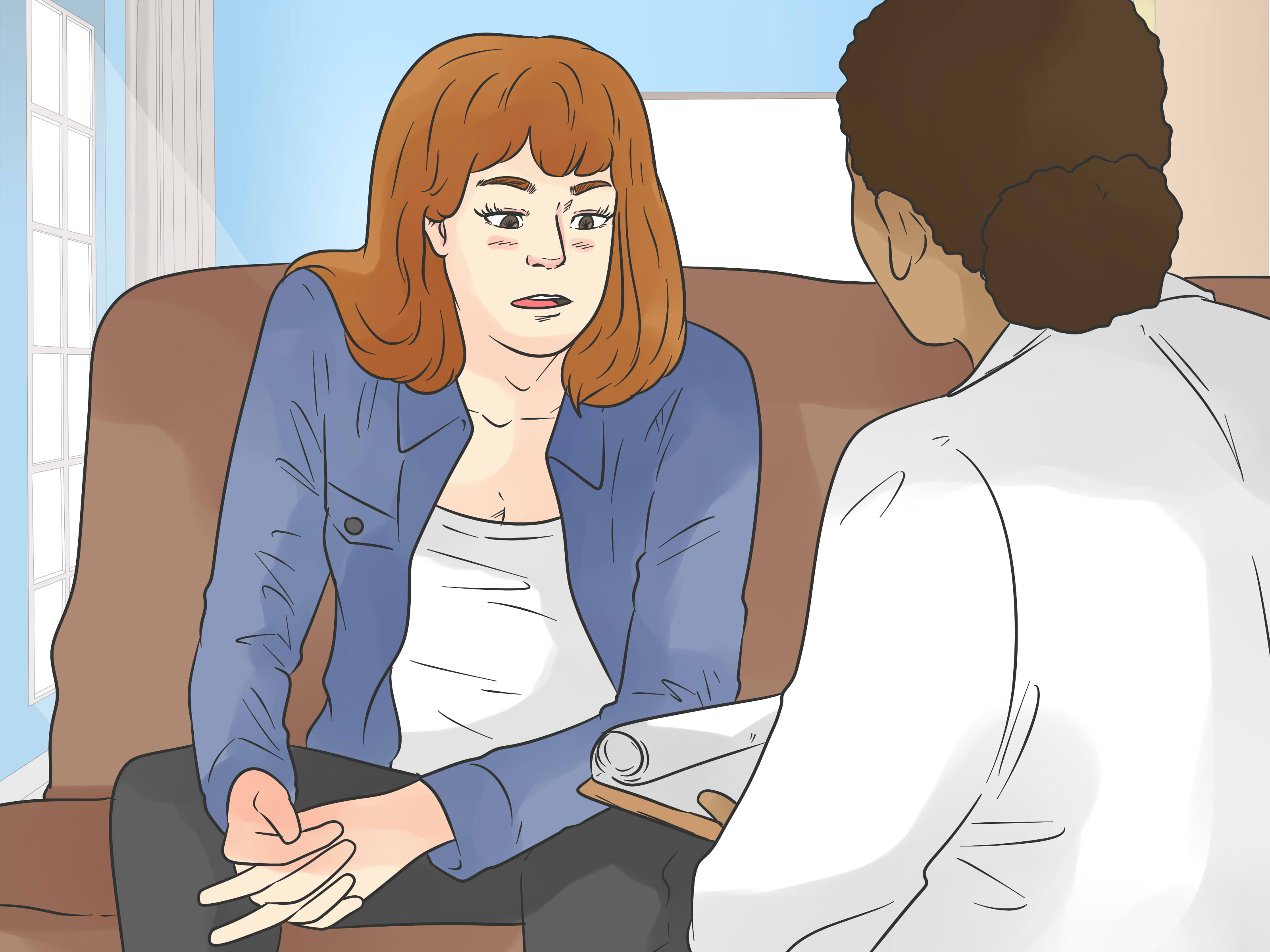
Some people are quiet because they enjoy solitude. Others are quiet because social situations cause intense fear or distress. Those are not the same thing. If your quietness comes from fear of judgment, avoidance, panic, or distress that interferes with work, school, or relationships, it may be worth talking with a mental health professional.
There is nothing wrong with being introverted or private. But if silence feels like a prison rather than a preference, support can help.
How to Look Cold and Quiet Without Being Rude
If you want the external style, focus on subtle habits. Keep your posture relaxed and upright. Speak at a moderate pace. Avoid nervous laughter when you are uncomfortable. Let your answers be simple. Do not chase attention. Let people wonder a little.
When entering a room, you do not need to announce yourself loudly. A nod, a calm greeting, or a slight smile is enough. When leaving, you do not need a dramatic farewell tour. Say goodbye politely and go.
Style also plays a role, although personality matters more. Simple clothing, clean grooming, and calm body language can support a reserved image. Dark colors are optional. Emotional stability is not sold only in black.
Practical Daily Exercises
The Three-Second Rule
Before replying to a question, pause for three seconds. This helps you sound thoughtful and prevents automatic reactions.
The One-Sentence Boundary
Practice setting boundaries in one sentence. For example: “I’m not available tonight.” Do not add extra explanations unless truly necessary.
The Quiet Observation Habit
In a group conversation, spend more time observing than speaking. Notice who interrupts, who listens, who changes the subject, and who needs attention. This helps you understand people without exposing too much of yourself.
The No-Gossip Challenge
For one week, avoid adding opinions to gossip. Stay neutral or change the subject. You may be surprised how much calmer your social life becomes when you stop feeding tiny drama raccoons.
Experience Section: What It Feels Like to Become Colder and Quieter
At first, becoming a colder and quieter person can feel strange. If you are used to explaining yourself, reacting quickly, or making jokes to smooth over every awkward moment, silence may feel like wearing shoes on the wrong feet. You may worry that people think you are angry, bored, or secretly plotting something. In reality, most people adjust faster than you expect.
One common experience is noticing how often people expect instant responses. When you stop replying immediately to every message, some people may ask, “Are you okay?” That can be funny, because apparently taking two hours to answer a text now qualifies as emotional wilderness survival. But over time, people learn your rhythm. They understand that you are not always available, and the world continues spinning with impressive commitment.
Another experience is realizing how much energy you save. Speaking less does not mean you become empty. It often means you stop wasting energy on conversations that never needed your full participation. You may find that you listen better, remember more, and feel less drained after social situations. Instead of performing a version of yourself for every room, you bring a calmer and more consistent presence.
There can also be uncomfortable moments. Some people benefit from your lack of boundaries, and they may not enjoy the new version of you. If you used to say yes to every favor, your first few calm refusals may surprise them. They might push for reasons. They might ask again. They might act disappointed. This is where the cold and quiet style becomes useful. You do not argue. You repeat yourself politely: “I can’t.” That tiny sentence can feel like lifting a psychological weight off your shoulders.
You may also discover that being quiet makes you more aware of the quality of your relationships. Some people only liked your availability, not your actual personality. Others will respect your privacy and still care about you. That difference matters. A colder and quieter life often reveals who is comfortable with your peace and who only knows how to connect through pressure, gossip, or emotional noise.
In work or school settings, the experience can be surprisingly positive. When you speak less but contribute clearly, people may listen more carefully. Your words gain weight because they are not constantly competing with your own extra commentary. You become the person who does not speak just to fill space. That can create an image of confidence, even if you are still learning the skill internally.
The most important experience, though, is internal. You begin to feel less controlled by other people’s reactions. Someone can misunderstand you without ruining your day. Someone can be dramatic without recruiting you into the production. Someone can ask a personal question, and you can choose not to answer. That is not coldness in a cruel sense. That is freedom with a calm face.
Conclusion
Learning how to be a very cold and quiet person is really about becoming calm, private, and emotionally disciplined. The best version of this personality is not rude, cruel, or disconnected. It is composed. It knows when to speak, when to stay silent, when to set boundaries, and when to walk away from unnecessary drama.
Start by regulating your emotions. Then speak less while making your words clearer. Finally, protect your privacy with strong but respectful boundaries. If you do this well, you will not become an ice cube with shoes. You will become someone who carries quiet confidence, steady energy, and a peaceful kind of mystery.
SEO Tags