
Let’s begin with a tiny plot twist: your ears are not dirty little caves that need weekly excavation. Earwax, also called cerumen, is not a personal failure, a hygiene scandal, or proof that your earbuds have been silently judging you. It is a natural, protective substance that helps trap dust, moisturize the ear canal, and keep germs away from the eardrum.
Still, sometimes ears do feel clogged, itchy, muffled, or uncomfortably full. Maybe your hearing feels like someone turned down the volume on the world. Maybe your earbuds come out wearing a tiny wax jacket. Or maybe you simply want to know how to deep clean your ears without accidentally turning a normal Tuesday into an urgent care visit.
The safest answer is not “grab a cotton swab and go spelunking.” In fact, deep cleaning your ears should mean cleaning smartly: removing dirt from the outer ear, softening excess wax when needed, and getting professional help when wax is impacted or symptoms are unusual. Below are three safe, practical ways to deep clean your ears while respecting the fact that the ear canal is delicate, self-cleaning, and absolutely not interested in meeting your car keys.
Before You Start: What “Deep Clean” Really Means
A good ear-cleaning routine has one main goal: support the ear’s natural cleaning system without interfering with it. Earwax usually moves outward on its own as you chew, talk, yawn, and live your dramatic human life. When it reaches the opening of the ear, it can be wiped away gently.
Problems usually begin when wax gets pushed deeper into the canal. Cotton swabs, earbuds, hearing aids, earplugs, and repeated “digging” can pack wax down like soil in a flowerpot. That compacted wax may cause fullness, ringing, temporary hearing changes, itching, or discomfort.
So, when this article says “deep clean,” it does not mean scraping deep inside the ear. It means using safe, evidence-informed methods that clean what should be cleaned and leave the eardrum alone, where it can continue being the VIP of your hearing system.
Way 1: Clean the Outer Ear Gently After a Shower
The simplest way to deep clean your ears is also the least glamorous: warm water, a soft washcloth, and patience. This method is ideal for everyday ear hygiene because it removes visible wax, sweat, shampoo residue, and general life dust without forcing anything into the canal.
How to Do It
After a warm shower, use a clean, soft washcloth to wipe the outer ear. Focus on the curves of the ear, behind the ear, and the area around the ear opening. If you see wax at the entrance of the canal, gently wipe it away. Do not push the cloth, your finger, or a cotton swab into the ear canal.
You can also tilt your head to let trapped water drain after bathing. Then pat the outer ear dry with a towel. If you swim often or sweat heavily, this small habit can help reduce moisture buildup around the ear, which may otherwise irritate the skin.
Why This Works
Warm water softens surface debris, and a washcloth removes what has already migrated outward naturally. This approach respects the ear’s built-in cleaning system instead of fighting it. Think of it as tidying the porch, not remodeling the basement with a teaspoon.
What Not to Do
Do not insert cotton swabs, bobby pins, toothpicks, hair clips, ear picks, pen caps, or any other “this is probably fine” object into your ear canal. These tools can scratch the skin, push wax deeper, cause bleeding, or damage the eardrum. Cotton swabs may feel satisfying, but they often act like tiny plungers, moving wax in the exact wrong direction.
Also avoid overcleaning. If you scrub your ears aggressively every day, the ear canal may become dry, itchy, or irritated. Earwax is part of the skin’s protection system. Removing too much of it can leave the canal more vulnerable, not cleaner.
Way 2: Soften Earwax With Safe Ear Drops
If your ear feels mildly clogged and you suspect wax buildup, earwax-softening drops may help. These products are often called cerumenolytics, which sounds like a sci-fi robot but simply means they help soften or loosen earwax.
Common options include mineral oil, baby oil, glycerin, hydrogen peroxide, diluted hydrogen peroxide, saline-based drops, or over-the-counter carbamide peroxide earwax drops. The goal is not to blast the ear clean. The goal is to soften hardened wax so it can move outward more easily.
How to Use Ear Drops Safely
Read the product label first. Then lie on your side with the affected ear facing upward. Place the recommended number of drops into the ear. Stay in that position for several minutes so the liquid can reach the wax. Afterward, sit up and let excess liquid drain onto a tissue. Wipe the outer ear only.
Some people hear fizzing or bubbling when peroxide-based drops touch wax. That can be normal, but pain is not normal. If drops burn, hurt, cause dizziness, or make symptoms worse, stop using them and contact a healthcare professional.
Who Should Avoid Ear Drops?
Do not use earwax drops without medical advice if you have ear pain, drainage, bleeding, a known or suspected perforated eardrum, ear tubes, recent ear surgery, severe dizziness, sudden hearing loss, or a history of chronic ear problems. Drops that are safe for one person may not be safe when the eardrum is injured or the ear is infected.
Children, older adults, people with diabetes, and people with immune system problems should be extra cautious and ask a clinician or pharmacist before trying at-home earwax treatments. When in doubt, let someone with an otoscope take a look. Guessing what is happening behind a wall of wax is not a hobby anyone needs.
How Often Should You Use Ear Drops?
Occasional use may help people who are prone to wax buildup, but routine daily use is usually unnecessary unless a healthcare provider recommends it. If your ears clog repeatedly, it is better to find out why than to keep launching home remedies like a one-person pharmacy aisle experiment.
Way 3: Get Professional Earwax Removal
The deepest and safest ear cleaning is often the one you do not do yourself. A doctor, nurse practitioner, audiologist, or ear, nose, and throat specialist can examine your ear canal and eardrum, confirm whether wax is actually the problem, and remove buildup using proper tools.
Professional earwax removal may involve gentle irrigation, suction, or small instruments designed for the ear. The method depends on your symptoms, wax texture, ear anatomy, and medical history. This matters because a clogged feeling is not always wax. It may be fluid behind the eardrum, swimmer’s ear, an ear infection, Eustachian tube dysfunction, a skin condition, or another issue.
When to See a Professional
Make an appointment if you have ear pain, discharge, bleeding, fever, sudden hearing loss, ringing that appears suddenly, severe dizziness, or symptoms in only one ear that do not improve. You should also seek care if wax-softening drops do not help, if you wear hearing aids and frequently deal with wax, or if you have a history of eardrum perforation or ear surgery.
Professional removal is especially helpful for impacted earwax. Impacted wax may be hard, dry, deep, or packed against the eardrum. Trying to remove it at home can turn a manageable blockage into irritation, swelling, or injury. In other words, this is the moment to retire your inner DIY hero and let a trained person handle the tiny tunnel.
What About Ear Irrigation at Home?
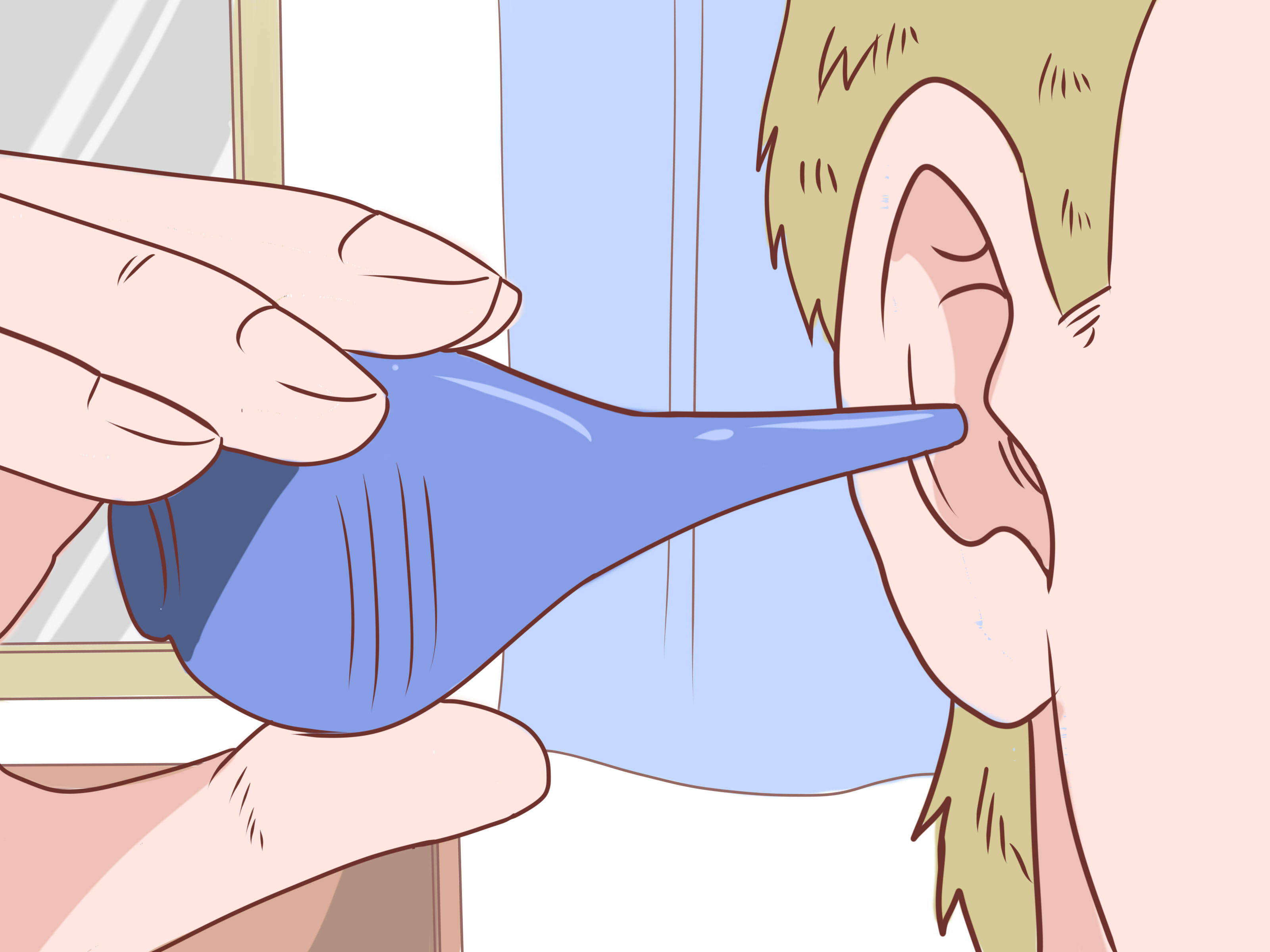
Some over-the-counter kits include a bulb syringe for gentle rinsing after wax has been softened. However, home irrigation is not appropriate for everyone. It should not be used if you have pain, infection symptoms, ear tubes, eardrum damage, recent surgery, or uncertainty about what is going on inside the ear.
If you use an approved kit, follow the instructions exactly. Use body-temperature water, never hot or cold water, because temperature extremes can trigger dizziness. Do not use high pressure. Do not aim forcefully at the eardrum. If anything hurts, stop. Your ear is not a driveway, and pressure-washing is not the vibe.
Myths About Deep Cleaning Your Ears
Myth 1: Earwax Means Your Ears Are Dirty
Earwax is normal. It is part moisturizer, part dust trap, part bodyguard. Some people naturally produce more wax than others, and that does not mean they are unhygienic. Genetics, age, hearing aid use, earplug use, and canal shape can all affect wax buildup.
Myth 2: Cotton Swabs Are Safe If You Are Careful
Many people say they use cotton swabs carefully. Unfortunately, careful people still sneeze, get bumped, slip, or push wax deeper without realizing it. Cotton swabs are fine for the outer folds of the ear, but they do not belong inside the ear canal.
Myth 3: Ear Candles Pull Wax Out
Ear candles are not a safe or reliable way to remove wax. They involve placing a lit candle near the ear, which can cause burns, melted wax injuries, blocked canals, and eardrum damage. If a wellness trend requires fire next to your face to “detox” something your body already manages, it deserves a very suspicious eyebrow raise.
Signs You May Have Too Much Earwax
Earwax buildup can feel different from person to person. Common signs include a full or plugged sensation, muffled hearing, ringing in the ear, itching, mild discomfort, or hearing aid feedback. Sometimes the ear may feel blocked after swimming or showering because water gets trapped behind wax.
However, these symptoms can overlap with infections and other ear conditions. Pain, drainage, bleeding, fever, strong odor, spinning dizziness, or sudden hearing loss should not be treated as simple wax at home. Those symptoms deserve medical attention.
How to Prevent Wax Buildup Without Overcleaning
Prevention is less about constant cleaning and more about avoiding habits that make blockage more likely. Keep objects out of the ear canal. Clean earbuds and hearing aids regularly according to manufacturer instructions. Dry the outer ear after swimming or showering. Use ear protection in loud environments, but clean reusable earplugs so they do not carry dirt back into the ear.
If you wear hearing aids, check wax guards and clean the devices as recommended. Hearing aids can sometimes contribute to wax accumulation because they sit in the canal and may block natural wax movement. Regular checkups with an audiologist can help prevent recurring issues.
Real-Life Experiences: What People Learn After Trying to Deep Clean Their Ears
Many people discover safe ear cleaning only after doing it the hard way. A common experience goes like this: someone notices muffled hearing and assumes the ear is dirty. They reach for a cotton swab, twist it around, and feel temporarily satisfied. Then the ear feels even more blocked. The reason is simple: the swab may have removed a little wax from the entrance while pushing the rest deeper into the canal. The person was not cleaning the clog; they were helping it move into a worse apartment.
Another familiar story involves earbuds. A person wears earbuds every day for work calls, music, podcasts, and the occasional “I am unavailable to society” moment. Over time, the ears feel full. The earbuds look waxy, so the person cleans the earbuds but forgets the bigger pattern: repeated in-ear device use can affect how wax moves outward. In this case, the experience teaches a practical habit. Clean the earbuds regularly, give the ears breaks when possible, and wipe only the outer ear after showers. If the clogged feeling keeps returning, a professional exam can save weeks of guessing.
Swimmers and gym lovers often have a different experience. Their ears may feel wet, itchy, or blocked after water exposure. Sometimes the problem is not a giant wax mountain but moisture trapped behind a small amount of wax. The best lesson here is prevention: tilt the head to drain water, gently dry the outer ear, and avoid scratching inside the canal. Scratching may feel heroic in the moment, but irritated ear canal skin can become more sensitive and more prone to infection.
People who use wax-softening drops often learn that patience matters. Drops are not magic drain cleaner. They may take time to soften hardened wax, and the sensation can be odd. Some people feel bubbling, warmth, or temporary fullness. The important experience-based rule is this: mild weirdness can happen, but pain is a stop sign. If drops hurt, if hearing worsens dramatically, or if dizziness appears, it is time to stop and ask a healthcare professional.
Then there are the people who finally visit a clinician after months of muffled hearing. They may be surprised when professional removal takes only a short appointment and restores clarity quickly. The biggest lesson from that experience is not “I should clean deeper next time.” It is “I should have had someone look sooner.” Ear symptoms are easier to manage when the cause is clear. Wax, infection, fluid, and pressure problems can feel similar, but they are treated differently.
The most useful personal habit is a balanced one: clean the outside, respect the inside, and do not turn ear care into a competitive sport. Your ears do not need to feel polished. They need to feel comfortable, open, and healthy. If they do not, the smartest deep clean may be a quick professional check rather than another round of bathroom experimentation.
Conclusion
Deep cleaning your ears is not about digging deeper. It is about cleaning smarter. Start with gentle outer-ear cleaning after showers. Use wax-softening drops only when appropriate and only as directed. Choose professional earwax removal when symptoms persist, wax feels impacted, or warning signs appear.
The golden rule is wonderfully simple: nothing smaller than your elbow belongs in your ear canal. Since your elbow is not getting in there unless you are made of cartoon rubber, your ears are safe. Treat them gently, avoid ear candles, stop using cotton swabs inside the canal, and let your ears do the self-cleaning work they were designed to do.