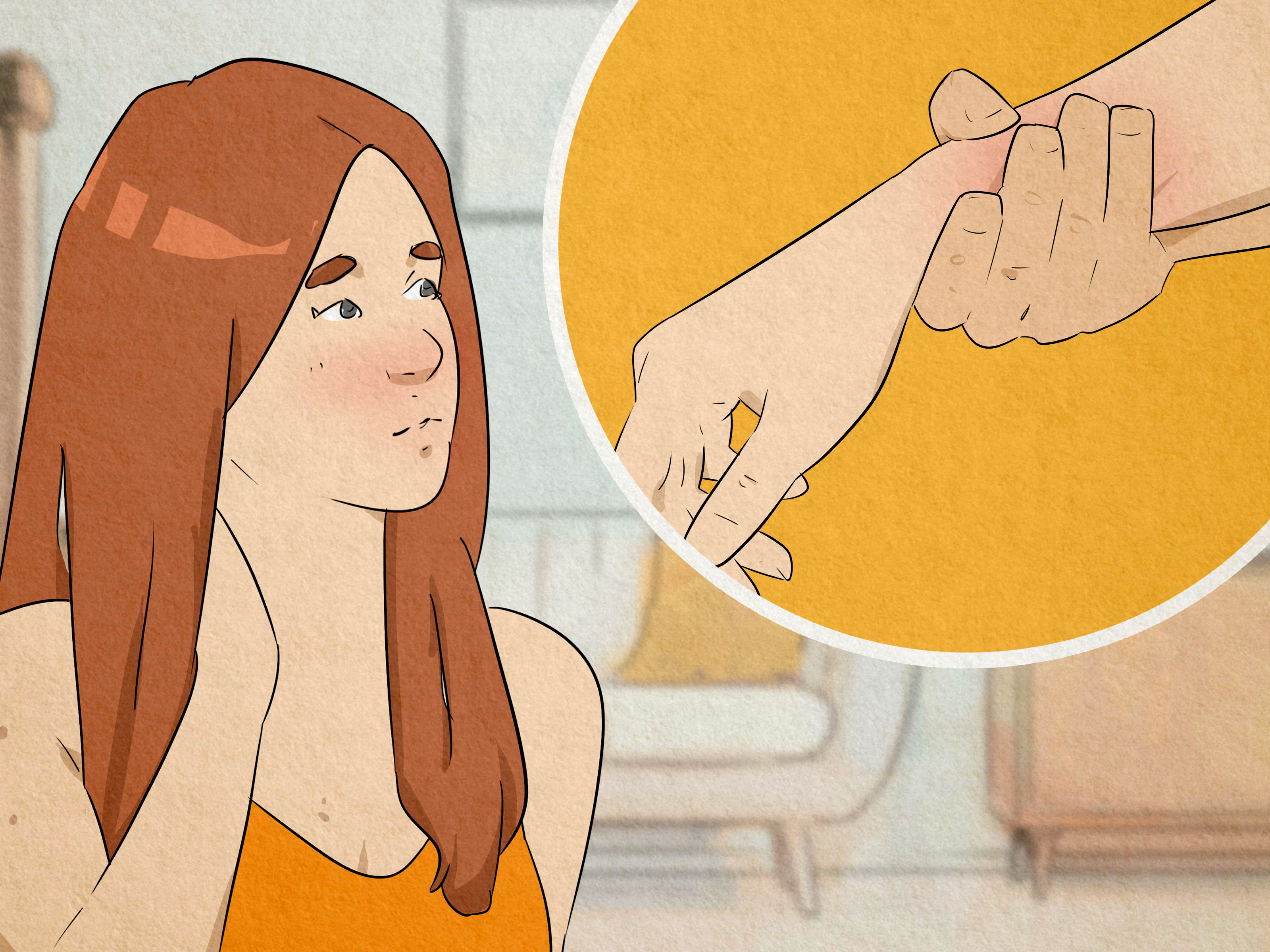

Getting over a break up is a little like trying to fold a fitted sheet while emotionally holding a smoothie with no lid. You know it can be done. Other people claim they have done it. But at first, it feels messy, confusing, and mildly unfair to everyone involved.
The good news? Heartbreak is not a life sentence. It is an emotional recovery process. A breakup can shake your identity, daily routine, appetite, sleep, confidence, and even your sense of future plans. One day you are deciding what to watch together; the next day you are negotiating with yourself over whether checking their Instagram story “counts” as contact. Spoiler: it probably does.
This guide breaks the healing process into three realistic, research-informed ways to get over a break up: feel the grief without living in it, rebuild your life with structure and support, and create a new future that does not revolve around your ex. No magic spell. No “just move on” nonsense. Just practical advice, emotional honesty, and a few gentle jokes because heartbreak already takes itself very seriously.
Why Breakups Hurt So Much
A romantic relationship is not just a cute collection of dinner dates and shared passwords. It can become part of your daily rhythm, your emotional safety net, your social identity, and your imagined future. When that relationship ends, your brain and body may respond as if you have lost more than one person. You may feel grief, rejection, anxiety, anger, relief, guilt, confusion, and nostalgiasometimes before lunch.
That emotional whiplash is normal. Breakups can bring real psychological stress, especially when the relationship was long, intense, unexpected, or tied to major life plans. You may miss the person, the routine, the version of yourself you were with them, or the future you thought you were building. Healing begins when you stop judging yourself for hurting and start treating the pain as something to process, not something to hide under a pile of “I’m fine” texts.
1. Let Yourself Grieve Without Turning Grief Into Your New Apartment
The first way to get over a break up is simple to say and surprisingly hard to do: let yourself feel it. Many people try to speed-run heartbreak. They delete photos, go out three nights in a row, declare themselves “totally over it,” and then cry in the grocery store because a bag of pasta reminds them of Tuesday dinners. Healing does not usually follow a neat schedule. It moves more like a toddler with a juice box: unpredictable, emotional, and occasionally sticky.
Name What You Actually Lost
After a breakup, you are not only grieving the relationship. You may also be grieving companionship, physical affection, shared routines, mutual friends, future plans, and the comfort of being known by someone. Naming those losses can make the pain less mysterious. Instead of saying, “I miss them,” try being more specific: “I miss having someone to text after work,” “I miss our Sunday coffee routine,” or “I miss feeling chosen.”
This matters because each type of loss needs a different kind of care. Missing daily conversation may mean you need stronger social support. Missing routine may mean you need a new schedule. Missing validation may mean you need to rebuild self-worth instead of chasing one more reply from your ex.
Use the “Feel It, Frame It, Release It” Method
One practical technique is to give your emotions a container. Set aside 15 to 20 minutes to write honestly about what you feel. Do not try to sound wise, poetic, or emotionally evolved. This is not a college application essay. Write the messy version. Then add one framing sentence at the end, such as: “This hurts, but it is not the whole story of my life,” or “I can miss someone and still move forward.”
Journaling, expressive writing, therapy, prayer, voice notes, or private reflection can help you organize emotional chaos. The goal is not to erase sadness. The goal is to stop sadness from running the entire board meeting in your head.
Avoid Emotional Numbing That Creates New Problems
Distraction can be healthy. Emotional avoidance can be sneaky. Watching a comedy, cleaning your room, walking outside, or meeting a friend can help. But drinking too much, doom-scrolling your ex’s social media, jumping into a rebound you do not actually want, or pretending you feel nothing may delay recovery.
A helpful question is: “Will this choice make tomorrow easier or harder?” If the answer is “harder, but with better lighting for a dramatic selfie,” pause.
Practice Self-Compassion, Not Self-Cross-Examination
Breakups often wake up the inner courtroom. Suddenly, you are the judge, attorney, witness, and exhausted bailiff. You replay conversations, analyze your mistakes, blame yourself, blame them, then blame yourself for blaming them. Some reflection is healthy. Endless emotional prosecution is not.
Self-compassion means speaking to yourself like someone worth caring for. Try replacing “I was stupid for trusting them” with “I made choices with the information and hope I had at the time.” Replace “No one will love me again” with “I am hurting right now, and pain is making the future look smaller than it is.” This is not cheesy. It is emotional first aid.
2. Rebuild Your Daily Life With Routine, Boundaries, and Support
The second way to get over a break up is to rebuild the life around the empty space. Heartbreak loves a vacuum. If your calendar, phone, apartment, and evenings are still organized around your ex, your brain keeps receiving reminders that something is missing. You do not need to reinvent your entire personality by Friday. But you do need structure.
Create a Breakup Recovery Routine
A routine gives your nervous system something steady to hold onto. Start with the basics because heartbreak can make basic tasks feel like advanced math. Aim for regular sleep, simple meals, water, movement, hygiene, and one meaningful activity per day. Yes, showering counts. No, eating cereal over the sink is not a long-term nutrition strategy, but we respect the effort.
Try this simple daily structure:
- Morning: Make your bed, drink water, open curtains, and avoid checking your ex’s profiles.
- Afternoon: Move your body for at least 10 minutes, even if it is just a walk around the block.
- Evening: Do one calming activity before bed, such as reading, stretching, journaling, or calling a friend.
Small wins matter. They remind you that you are still capable, still moving, and still allowed to have a life that functions even while your heart is buffering.
Set Boundaries With Your Ex
One of the hardest but most powerful breakup tips is to limit contact, at least temporarily. Constant texting, “checking in,” reacting to stories, or asking mutual friends for updates can keep the emotional wound open. You cannot heal if you keep poking the bruise to see whether it still hurts. It does. Mystery solved.
Going no-contact does not have to be cruel or dramatic. It can be a healthy boundary. You might say, “I need some space to heal, so I’m not going to be in contact for a while.” If you share children, pets, work, or housing responsibilities, use clear, practical communication and avoid emotional side quests. Keep messages brief, respectful, and focused on logistics.
Clean Up Your Digital Environment
Your phone can become a heartbreak vending machine: insert loneliness, receive pain. Consider muting or unfollowing your ex, hiding old photo albums, removing message shortcuts, and turning off memory notifications. You do not have to delete every trace forever, especially if you are not ready. But you can make your digital world less emotionally booby-trapped.
Try a 30-day “no detective work” challenge. No checking who they follow. No decoding captions. No comparing yourself to their new photos. No building a legal case based on a Spotify playlist. Your peace deserves better evidence standards.
Lean on People Who Bring You Back to Yourself
Support is not a luxury after a breakup. It is part of recovery. Talk to friends, family members, mentors, a support group, or a therapist. Choose people who can listen without turning your breakup into a courtroom drama or a gossip festival. The best support people help you feel seen, not more chaotic.
Be specific when asking for help. Instead of saying, “I’m sad,” try, “Can you come over tonight so I’m not alone?” or “Can we go for a walk and talk about anything except my ex for 30 minutes?” People often want to help but do not know whether you need advice, distraction, food, or a dramatic speech about how you are obviously the prize.
Know When to Get Professional Help
Sadness after a breakup is normal. But if you cannot sleep or eat for an extended period, feel unable to function, experience panic, rely heavily on substances, feel hopeless, or have thoughts of self-harm, it is time to reach out for professional support. Therapy can help you process grief, identify patterns, rebuild self-worth, and make healthier choices in future relationships.
Note: This article is for general education and emotional wellness guidance. It is not a substitute for medical care, mental health treatment, or emergency help. If you are in the United States and feel at risk of harming yourself, call or text 988 for immediate crisis support. If you are outside the United States, contact your local emergency number or crisis hotline.
3. Build a New Future That Belongs to You
The third way to get over a break up is not just “move on.” That phrase is too small. The real goal is to move forward with more self-knowledge, stronger boundaries, and a life that feels like yours again. A breakup may close one chapter, but it also hands you an annoying blank page. At first, blank pages feel rude. Later, they become freedom.
Reconnect With Your Identity
Relationships can blend routines, interests, friendships, and future plans. After a breakup, you may ask, “Who am I without this person?” That question can feel scary, but it is also useful. Start small. What music do you like when no one else is choosing? What food do you want when compromise is off the menu? What hobbies did you abandon? What goals did you postpone?
Make a “back to me” list. Include activities that remind you of your personality outside the relationship. Examples might include hiking, painting, joining a gym, learning a language, volunteering, cooking new recipes, going to movies alone, taking weekend trips, or finally organizing your closet so it stops looking like a laundry tornado had a personal crisis.
Turn the Relationship Into Wisdom, Not a Life Sentence
Reflection helps when it leads to insight. It hurts when it becomes obsession. Ask yourself useful questions: What did this relationship teach me about my needs? Which red flags did I ignore? Which green flags do I want next time? How did I communicate under stress? What boundaries will I protect more clearly in the future?
Avoid making global conclusions like “love never works” or “everyone leaves.” Those statements may feel protective, but they often build emotional walls you later have to pay a therapist to help you remove. A healthier conclusion might be: “This relationship was not the right fit, and I can learn from it without becoming bitter.”
Make Room for Joy Before You Feel Completely Ready
Many people wait to feel fully healed before they allow themselves to enjoy life again. But joy is not a graduation ceremony you attend after completing heartbreak school. Joy can be part of the healing process. You are allowed to laugh before you are “over it.” You are allowed to have a good day and still miss them at night. Mixed emotions do not mean you are failing; they mean you are human.
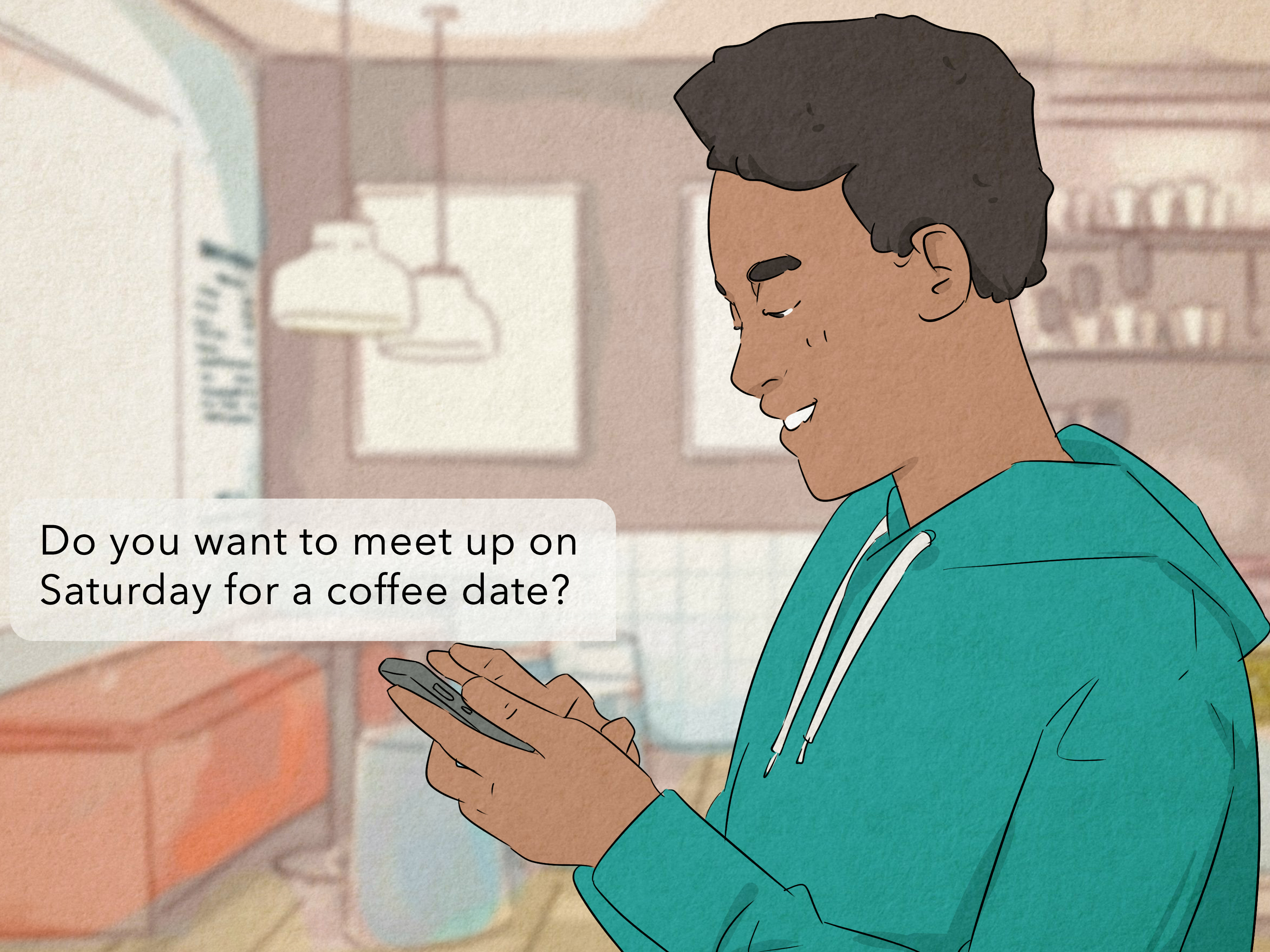
Schedule small moments of pleasure: coffee with a friend, a funny movie, a walk somewhere beautiful, a workout class, a bookstore visit, a new recipe, a clean set of sheets, or a playlist that does not sound like it was produced by a haunted diary. These moments do not erase pain. They remind your brain that pain is not the only available channel.
Be Careful With Rebounds
Dating again can be healthy when it comes from curiosity and readiness. It can be messy when it comes from panic, revenge, loneliness, or the desire to prove you are desirable. Before dating, ask yourself: “Am I interested in meeting someone new, or am I trying to avoid feeling abandoned?” Be honest. Your future self will appreciate it.
You do not need to wait a perfect number of weeks or months. There is no official heartbreak licensing board. But it helps to date when you can talk about your past relationship without turning the entire date into a TED Talk titled “How I Was Wronged: A Multimedia Experience.”
Common Mistakes That Make a Breakup Harder
Romanticizing the Relationship
After a breakup, the mind can become a very selective film editor. It shows you the cute scenes, deletes the arguments, adds soft lighting, and plays the soundtrack from your best memories. When nostalgia gets too shiny, write down the full truth. Include the good, the bad, and the reasons the relationship ended. This keeps you from missing a fantasy version of the relationship more than the real one.
Trying to Win the Breakup
Posting thirst traps, pretending to be happier than you are, or competing over who moved on first might feel satisfying for twelve minutes. But healing is not a public relations campaign. You do not have to prove anything to your ex, their friends, your followers, or the mysterious person who keeps viewing your stories but never likes them.
Staying Friends Too Soon
Friendship after a breakup is possible for some people, but timing matters. If one person still hopes to get back together, friendship can become emotional quicksand. Give yourself space first. Real friendship does not require immediate access. If it is healthy, it can wait.
Ignoring Your Body
Heartbreak is emotional, but your body carries it too. You may feel tired, tense, restless, or low-energy. Movement, sleep, food, sunlight, and breathing exercises are not superficial breakup advice. They help regulate stress and support mental clarity. You do not need to become a wellness influencer. Just take care of the human body currently hosting your dramatic heart.
of Real-Life Breakup Experience and Practical Lessons
One of the most common experiences after a breakup is the strange quiet that arrives when the relationship ends. It is not always dramatic. Sometimes it is simply the absence of a good morning text, the empty side of the couch, or the sudden realization that no one is expecting an update about your day. That quiet can feel enormous. Many people try to fill it immediatelywith noise, dating apps, work, parties, or constant phone checking. But the quiet is often where healing begins.
A useful experience many people discover is that the first week is not the whole recovery story. The first week may feel like emotional weather: heavy, unpredictable, and rude enough to rain indoors. You might cry at random times, feel hopeful for an hour, then crash after seeing one photo. This does not mean you are weak. It means your brain is adjusting to a major change. The key is to avoid making permanent decisions while your emotions are in emergency mode. Do not send the midnight essay. Do not cut bangs unless you have wanted bangs since before the breakup. Do not text “I just want closure” when you actually want comfort.
Another lesson is that closure often comes from your own choices, not from one perfect conversation. Many people wait for an apology, explanation, or final message that will make everything click into place. Sometimes that conversation happens. Sometimes it does not. Sometimes it happens and still does not help. Real closure may look like accepting that the relationship ended, even if parts of it remain confusing. It may look like choosing dignity over another argument, peace over another theory, and self-respect over another emotional audition.
People also learn that healing is easier when they stop treating progress as a straight line. You may have five strong days and then suddenly miss your ex because you smelled their shampoo in a store. That does not erase your progress. Healing is more like climbing a hill with occasional banana peels. You can slip and still be going upward.
A practical experience that helps is changing the environment. Rearranging furniture, washing bedding, moving photos, creating a new morning routine, or visiting new places can tell your brain, “Life is different now, but it is still mine.” Small changes create psychological freshness. Even something as simple as taking a different route to work can interrupt the loop of memories.
Finally, many people eventually realize that a breakup can reveal neglected parts of themselves. Maybe you forgot how much you enjoy solitude. Maybe you discover you need better boundaries. Maybe you notice how often you minimized your needs to keep peace. Maybe you learn that love should feel safe, not like a full-time unpaid internship in emotional confusion. These insights do not make the pain pleasant, but they make it useful.
Getting over a break up is not about becoming cold, cynical, or perfectly healed. It is about becoming available to your own life again. One day, the song will not sting as much. The restaurant will just be a restaurant. Their name will not rearrange your entire nervous system. You will laugh without checking whether you are allowed to. And eventually, the breakup will become a chapternot the title of the whole book.
Conclusion: You Can Heal Without Rushing Yourself
Getting over a break up takes patience, honesty, and daily care. The three best ways to heal are to grieve your loss without shame, rebuild your routine with boundaries and support, and create a future that belongs to you. You do not have to be strong every minute. You do not have to hate your ex. You do not have to understand everything today. You simply have to keep choosing the next healthy step.
Heartbreak may make you feel like you lost the plot, but you are still the main character. Take your time. Drink water. Mute the account. Call the friend. Go outside. Write the messy journal entry. Build the new routine. Let the future surprise you. Healing does not arrive all at once; it shows up in small moments until one day you realize you are not just surviving the breakupyou are becoming yourself again.