
Toe cramps are tiny disasters with excellent timing. They show up while you are sleeping, exercising, stretching on the couch, or simply minding your business like a peaceful human. One second your foot is normal. The next, your toes curl like they are trying to form a secret handshake with the floor.
The good news? Most toe cramps are not dangerous. They are usually short-lived muscle spasms caused by things like tight muscles, dehydration, overuse, poor footwear, electrolyte imbalance, or standing too long. The even better news is that you can often stop a toe cramp quickly with a few simple steps.
This guide explains 3 ways to get rid of toe cramps, why they happen, how to prevent them, and when a stubborn foot spasm deserves medical attention. Think of it as a peace treaty between you and your toes.
What Are Toe Cramps?
A toe cramp is a sudden, involuntary tightening of the muscles and tendons that move your toes, foot arch, and sometimes the lower leg. The toes may curl downward, spread apart, lock in place, or feel like they are being pulled by invisible puppet strings. The pain can be sharp, squeezing, or oddly electric.
Toe cramps may last a few seconds or several minutes. Afterward, the foot can feel sore, tired, or tender. Some people get them only after exercise. Others get toe cramps at night, especially after a long day of walking, standing, sweating, or wearing shoes that seem to have been designed by a committee of angry chairs.
Common Causes of Toe Cramps
Before fixing toe cramps, it helps to know what might be triggering them. Common causes include:
- Dehydration: Not getting enough fluids may affect blood flow and muscle function.
- Electrolyte imbalance: Low or shifted levels of minerals such as sodium, potassium, calcium, or magnesium may contribute to cramping.
- Overuse: Long walks, running, dancing, climbing stairs, or standing all day can fatigue small foot muscles.
- Tight muscles: Tight calves, arches, and toes can make cramps more likely.
- Poor footwear: Tight toe boxes, high heels, worn-out soles, or unsupportive shoes can force the foot into awkward positions.
- Cold feet: Cold temperatures may make muscles tighten more easily.
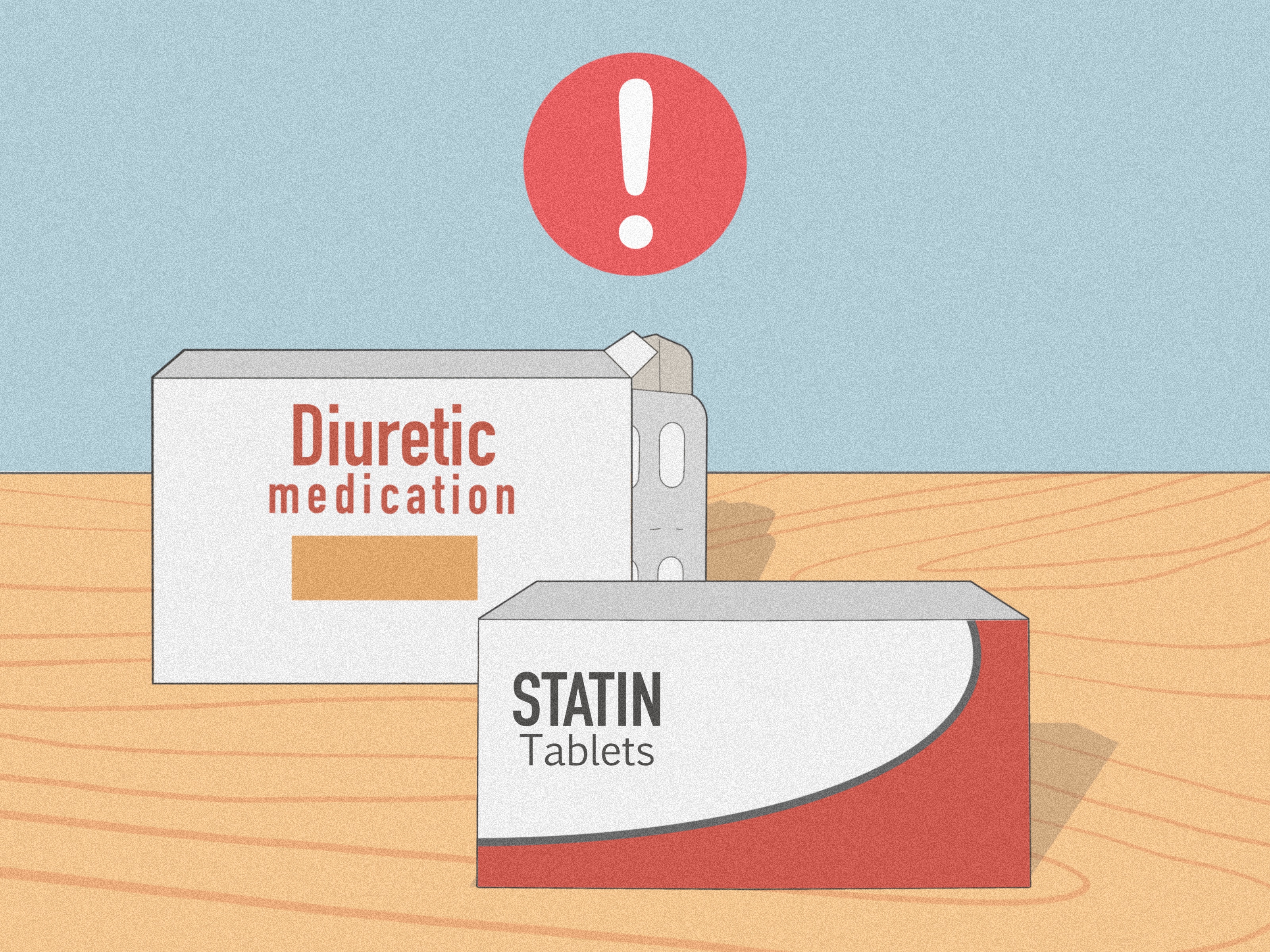
- Medical conditions: Diabetes, nerve problems, circulation issues, thyroid disorders, kidney disease, pregnancy, and some medications may increase cramp risk.
For occasional toe cramps, home care is usually enough. For frequent, severe, or unusual cramps, it is smart to speak with a healthcare professional.
Way 1: Stretch and Massage the Cramping Toes
When a toe cramp hits, your first mission is simple: convince the muscle to stop auditioning for a horror movie. Gentle stretching and massage are often the fastest ways to calm the spasm.
How to Stretch Toe Cramps Fast
Sit down so you do not lose balance. Then use your hand to gently pull the cramped toes upward toward your shin. Do not yank. Your toes are not a stubborn jar lid. Hold the stretch for 15 to 30 seconds, release, and repeat a few times.
If the cramp is in the arch of your foot, try pulling the toes back while gently pressing your thumb into the arch. If the cramp spreads into the calf, straighten your leg and pull the top of your foot toward you. This stretches the calf and the bottom of the foot together.
Try a Standing Stretch
If sitting does not help, stand carefully and place the cramped foot flat on the floor. Shift a little weight onto it. Sometimes firm pressure tells the foot, “Thank you for your dramatic performance, but the show is over.”
You can also place the ball of your foot against a wall with your heel on the ground, then lean forward gently. This stretches the toes, arch, and calf. Hold for 20 to 30 seconds.
Massage the Foot
Use your fingers or thumbs to massage the cramped area in slow circles. Work from the toes toward the arch, then from the arch toward the heel. Massage may improve local blood flow and help the muscle relax.
A tennis ball, lacrosse ball, or frozen water bottle can also help. Roll the bottom of your foot over it slowly. Keep the pressure comfortable. If your face is doing advanced gymnastics, press more gently.
Toe Exercises for Prevention
Once the cramp is gone, strengthen and mobilize your feet with simple exercises:
- Towel curls: Place a towel on the floor and scrunch it toward you with your toes.
- Toe spreads: Spread your toes apart, hold for five seconds, then relax.
- Marble pickups: Pick up small objects with your toes and place them in a cup.
- Calf raises: Rise onto your toes slowly, then lower with control.
- Big toe stretch: Gently pull the big toe upward and hold.
Do these exercises a few times a week. They are not glamorous, but neither is hopping around the bedroom at 2 a.m. whisper-yelling at your foot.
Way 2: Rehydrate and Rebalance Electrolytes
If toe cramps happen after sweating, exercise, heat exposure, illness, or a long day on your feet, hydration deserves attention. Muscles need fluid and minerals to contract and relax properly. When the balance is off, cramps can become more likely.
Drink Water Slowly
For a sudden cramp, sip water slowly. Do not chug a lake. If you have been sweating heavily, plain water may help, but you may also need electrolytes from food or a drink that contains sodium and other minerals.
Heat-related cramps can happen when sweating lowers the body’s fluid and salt levels. In that situation, rest in a cool place, sip fluids, and avoid pushing through the cramp. “No pain, no gain” is terrible advice when your toes are staging a mutiny.
Eat Electrolyte-Rich Foods
A balanced diet is one of the best long-term strategies for reducing cramps related to nutrient gaps. Helpful foods include:
- Potassium: Bananas, potatoes, sweet potatoes, beans, lentils, oranges, and avocados.
- Magnesium: Pumpkin seeds, almonds, spinach, black beans, whole grains, and dark chocolate.
- Calcium: Yogurt, milk, fortified plant milks, tofu, kale, and sardines.
- Sodium: Usually easy to get from meals, but may need replacing after heavy sweating.
Food works better as a steady prevention plan than as an instant cramp cure. Eating one banana while your toe is curled under your foot may feel heroic, but it probably will not unlock the cramp in ten seconds. Still, good nutrition supports healthier muscles over time.
Be Careful With Supplements
Magnesium is important for muscle and nerve function, but supplements are not a guaranteed fix for toe cramps. Research on magnesium for ordinary muscle cramps is mixed. Some people may benefit if they are truly low, pregnant, or advised by a doctor, but others may notice no difference.
Do not start high-dose magnesium, potassium, or calcium supplements without medical guidance, especially if you have kidney disease, heart rhythm issues, high blood pressure, or take prescription medications. More minerals are not always better. Sometimes “more” is just “more bathroom trips and regret.”
Avoid Quinine for Cramps Unless Prescribed
Quinine was once used for muscle cramps, but it is generally not recommended for routine cramp treatment because it can cause serious side effects. If you have frequent cramps, ask a healthcare professional about safer options and whether a medication or medical condition may be involved.
Way 3: Remove the Triggers
Stretching and hydration help in the moment, but prevention often comes down to finding the trigger. Toe cramps usually have a pattern. Your job is to become a detective, minus the trench coat unless that is your thing.
Check Your Shoes
Footwear is a major suspect. Shoes that are too tight, too narrow, too stiff, too loose, too high, or too worn out can strain the toes and arches. High heels, pointed dress shoes, and unsupportive flats may force the toes into positions they do not appreciate.
Choose shoes with enough room for the toes to spread naturally. The heel should feel secure, the arch should feel supported, and the sole should match your activity. Running shoes are for running. Shower slides are not hiking boots, no matter how confident you feel in the parking lot.
Warm Up Before Activity
If cramps happen during exercise, warm up gradually. Start with ankle circles, calf raises, gentle walking, and toe flexing. Increase intensity slowly, especially if you are returning to activity after a break.
After exercise, stretch your calves, arches, and toes. A few minutes of cooldown can reduce muscle tightness and make your feet less likely to complain later.
Change Positions During the Day
Standing all day can fatigue the feet. Sitting all day can tighten the lower legs and reduce circulation. Neither extreme is great. If your job keeps you in one position, build in small movement breaks.
Every hour or two, try ankle circles, toe spreads, heel raises, or a short walk. These tiny movements are not dramatic, but they remind your feet that they are alive and not decorative attachments.
Use Heat or Ice
Heat can relax tight muscles. Try a warm towel, heating pad, warm bath, or foot soak when the foot feels tense. Ice may help if the muscle feels sore after the cramp. Use a cloth between ice and skin, and limit icing to short sessions.
A practical routine is heat before stretching and ice after a painful cramp if soreness lingers. Listen to your body. If heat feels good, use heat. If cold feels better, use cold. Your foot gets a vote.
When Toe Cramps May Need Medical Attention
Most toe cramps are harmless, but some symptoms deserve more attention. Contact a healthcare professional if toe cramps:
- Happen often or keep getting worse.
- Wake you repeatedly at night.
- Last a long time or do not improve with stretching.
- Come with swelling, redness, warmth, numbness, weakness, or skin color changes.
- Begin after starting a new medication.
- Occur with severe dehydration, vomiting, diarrhea, heavy sweating, or heat illness symptoms.
- Happen alongside leg pain during walking that improves with rest.
- Are associated with diabetes, kidney disease, nerve problems, circulation problems, or pregnancy.
A doctor may review your medications, hydration, activity level, footwear, circulation, nerve function, and blood tests if needed. The goal is not to panic. The goal is to catch fixable causes before your toes file a formal complaint.
Quick Relief Plan for a Toe Cramp
When a toe cramp strikes, follow this simple sequence:
- Sit down safely.
- Pull the cramped toes gently upward.
- Massage the toes, arch, and bottom of the foot.
- Stand carefully and place the foot flat on the floor if needed.
- Sip water or an electrolyte drink if you have been sweating.
- Apply heat for tightness or ice for soreness afterward.
- Check your shoes, activity, and hydration pattern later.
This plan will not make toe cramps your favorite event, but it can make them shorter, less dramatic, and easier to manage.
Experiences Related to Toe Cramps
Toe cramps tend to feel personal because they arrive at the most inconvenient moments. Many people first notice them at night. They are half asleep, cozy, and emotionally committed to doing absolutely nothing. Then one toe curls under, the arch tightens, and suddenly they are sitting upright like they heard a ghost play the trumpet.
One common experience is the “new workout cramp.” Someone starts walking more, takes a dance class, runs hills, or tries a new fitness routine. The feet are doing unfamiliar work, especially the small muscles that stabilize the toes and arch. Later that day, or during the night, the toes cramp. In this case, the fix is usually not quitting exercise. It is easing in, stretching afterward, wearing better shoes, and letting the feet adapt.
Another familiar scenario is the “fancy shoe tax.” A person wears tight dress shoes, high heels, narrow flats, or shoes with little support for several hours. At the event, everything looks polished. Later, the toes rebel. Footwear that compresses the toes can fatigue the foot muscles and trigger spasms. The lesson is simple: shoes should not require a recovery period and an apology letter.
Toe cramps also show up after hot days. People who garden, work outdoors, exercise in humid weather, or stand for long shifts may sweat more than they realize. By evening, they are tired, mildly dehydrated, and low on electrolytes. Their toes may cramp while resting because the muscles are irritated from fluid loss, salt loss, and fatigue. In these cases, prevention often means drinking regularly, eating balanced meals, taking breaks, and replacing electrolytes when sweating is heavy.
Some people notice cramps when they sit for long periods. A long drive, desk job, flight, or binge-watching session can leave the feet stiff. The toes may cramp when the person finally stands or stretches. Small movement breaks help: ankle circles, toe spreads, calf raises, or a two-minute walk. These little habits keep blood moving and reduce stiffness.
Older adults may experience toe and foot cramps more often because muscles and tendons can become less flexible with age, circulation may change, and medications may play a role. That does not mean cramps are “just aging” and should be ignored. Frequent cramps are worth discussing with a healthcare professional, especially if there is numbness, weakness, swelling, or pain while walking.
A useful personal habit is keeping a simple cramp log for two weeks. Write down when the cramp happened, what shoes you wore, how much you walked or exercised, whether you were hot or sweating, what you ate, and whether you drank enough fluids. Patterns often appear quickly. Maybe cramps happen after long sandal days. Maybe they happen after skipping lunch. Maybe they happen only after calf-heavy workouts. Once you find the pattern, prevention becomes much easier.
The best experience with toe cramps is eventually having fewer of them. Most people do not need a complicated plan. They need consistent stretching, better hydration, supportive shoes, gradual exercise, and attention to warning signs. Your toes may still be dramatic once in a while, but with the right habits, they do not have to be the tiny villains of your evening.
Conclusion
Toe cramps are painful, annoying, and impressively rude, but they are often manageable. The three best ways to get rid of toe cramps are to stretch and massage the cramped muscles, rehydrate and support electrolyte balance, and remove common triggers such as tight shoes, overuse, cold feet, or long periods without movement.
For fast relief, gently pull the toes upward, massage the arch, place the foot flat on the floor, and sip fluids if dehydration or sweating may be involved. For prevention, stretch regularly, wear shoes with enough toe room, increase exercise gradually, and eat a balanced diet with mineral-rich foods.
If cramps become frequent, severe, one-sided, long-lasting, or come with numbness, weakness, swelling, color changes, or walking pain, get medical advice. Your feet carry you through the world. The least they deserve is a little stretching, decent shoes, and fewer midnight toe emergencies.
Note: This article is for general educational purposes only and is not a substitute for professional medical advice, diagnosis, or treatment. People with recurring, severe, or unusual toe cramps should consult a qualified healthcare professional.