
Moving has a special talent for making perfectly normal people ask wild questions like, “Why do I own fourteen coffee mugs?” and “Did I really need to keep this mystery cable since 2016?” The good news is that packing boxes does not have to feel like a cardboard-based emotional crisis. With the right approach, you can protect your stuff, make unpacking easier, and avoid the classic moving-day disaster of opening five random boxes just to find one phone charger.
If you want a smoother move, the secret is not just packing faster. It is packing smarter. The best systems keep boxes manageable, organize them by purpose, and give fragile items the protection they need. In other words, your boxes should work for you, not turn into tiny chaos cubes.
In this guide, we will walk through three practical ways to pack boxes for moving. These methods work whether you are relocating across town, moving into your first apartment, or upgrading from “tiny but charming” to “actually has a closet.” We will also cover common mistakes, useful examples, and real-life moving lessons that make the whole process feel much less painful.
Why Packing Boxes the Right Way Matters
People often focus on the truck, the movers, or the moving date, but the quality of your box packing affects almost everything else. A badly packed box is harder to carry, more likely to tear, and much more likely to damage what is inside. A well-packed box, on the other hand, protects your belongings, stacks neatly, and makes unpacking much less of a scavenger hunt.
Good box packing also saves time. When every box is labeled clearly, weighted properly, and packed with a purpose, you do not waste your first night in the new place rummaging through a pile marked “miscellaneous.” That word, by the way, is the witness protection program of box labels. Nothing good comes from it.
Way #1: Pack Boxes by Room and by Daily-Use Priority
The first and easiest method is to pack room by room, starting with spaces you use the least and ending with the rooms you need every day. This keeps your home functional while you pack and makes unpacking more logical once you arrive.
How This Method Works
Instead of bouncing from room to room like a caffeinated squirrel, focus on one space at a time. Start with storage areas, guest rooms, seasonal décor, extra linens, bookshelves, and other things you do not need every day. Leave your kitchen essentials, bathroom basics, and everyday clothing for later.
Within each room, box similar items together. Keep office supplies with office supplies. Pack bathroom items with bathroom items. Put all living room décor in one category and all kitchen bakeware in another. This makes unpacking faster because each box has a clear destination and a clear purpose.
Why It Works So Well
This approach reduces decision fatigue. Instead of wondering where every single item should go, you create a simple rule: each room gets packed in order, and each box belongs to one room. It also helps you notice clutter. Moving is the perfect time to ask whether you really want to pay money and effort to transport things you have not used in years.
Best Items for This Method
- Seasonal clothing and holiday decorations
- Books, framed art, and shelf décor
- Guest-room bedding and extra towels
- Office supplies and paperwork
- Pantry overflow and rarely used kitchen gadgets
Example of Room-by-Room Packing
Imagine you are packing a bedroom. Instead of tossing shoes, chargers, books, and random dresser items into one giant box, break the work into smaller groups. One box can hold folded sweaters and jeans. Another can hold books and bedside items. A wardrobe box can handle hanging clothes. Jewelry, documents, medication, and sentimental items should stay with you, not disappear into the moving truck like a plot twist.
For the kitchen, pack rarely used serving platters, holiday dishes, and specialty appliances first. Save everyday plates, one pan, basic utensils, coffee supplies, and a few glasses for your final round. Your future self will be deeply grateful when the first breakfast in the new place does not require opening a box labeled “assorted danger.”
Pro Tip
Create one “open first” box per major room, or at minimum one essentials box for the whole home. Include toilet paper, paper towels, a box cutter, chargers, medications, dish soap, snacks, bedding, and a change of clothes. The first night after a move is not the time to play detective.
Way #2: Pack Boxes by Weight and Box Size
The second method is less glamorous but absolutely essential: match the size of the box to the weight of the items inside. This is where many moves go wrong. People see a big box and think, “Wonderful, I can put all my books in here.” That is how backs get injured and box bottoms file for divorce.
The Golden Rule
Put heavy items in small boxes and light, bulky items in large boxes. That single rule can save your belongings, your energy, and your dignity.
How to Do It
Use small boxes for books, canned goods, tools, and dense décor items. Medium boxes work well for kitchen equipment, toys, small appliances, and folded clothing. Large boxes should carry lighter items like pillows, comforters, lampshades, linens, and stuffed toys.
Before you fill any box, tape the bottom securely. For heavier boxes, reinforce the base with multiple strips of packing tape. Once you start packing, place the heaviest items on the bottom and lighter ones on top. Fill gaps so the contents do not shift around in transit.
Why This Method Matters
A box can look fine when it is sitting still, then turn into a disaster the moment someone lifts it. Overloaded boxes are awkward to carry, more likely to split open, and more likely to damage what is inside. Balanced boxes stack better in the moving truck and are easier to unload without turning the process into an amateur strongman contest.
Smart Box Pairings
- Small boxes: books, canned food, hardware, candles, dense collectibles
- Medium boxes: pots, pans, toys, folded clothes, bathroom supplies
- Large boxes: blankets, pillows, jackets, bedding, soft décor
What to Avoid
Do not mix a few bricks with a few feathers and call it balance. A box full of odd combinations becomes top-heavy and hard to stack. Also avoid filling large boxes with breakables unless they are lightweight and very well padded. If you cannot lift the box without making a dramatic noise, it needs to be repacked.
Example of Weight-Balanced Packing
Say you are packing a home office. Put hardcover books in two or three small boxes, not one giant cube. Place your printer in its own medium box with padding. Use another medium box for notebooks, desk accessories, and cables placed in labeled bags. The result is easier to carry, easier to stack, and much easier to unpack.
Way #3: Pack Boxes with a Protective Layering System for Fragile Items
The third method is the one that saves your dishes, glassware, collectibles, and anything else you would prefer not to hear shatter. Fragile items need more than a hopeful amount of bubble wrap. They need a system.
The Layering Formula
Think of each fragile-item box like a protective sandwich. Start with a cushioning layer on the bottom. Wrap each item individually. Place heavier fragile items lower in the box and lighter ones above. Add padding between items and finish with a top layer of cushioning before sealing the box.
Best Materials to Use
- Packing paper for dishes, glassware, and decorative pieces
- Bubble wrap for especially delicate or oddly shaped items
- Towels, T-shirts, or linens for extra padding
- Cell dividers or specialty dish packs when available
- Packing tape strong enough to keep the box sealed
How to Pack Breakables the Right Way
Wrap each item separately. Do not let glass touch glass or ceramic touch ceramic. Place plates vertically instead of stacking them flat when possible, because vertical packing often reduces pressure and breakage. Fill every empty space so nothing rattles when the box moves. If the box makes noise when you gently shake it, it is not finished yet.
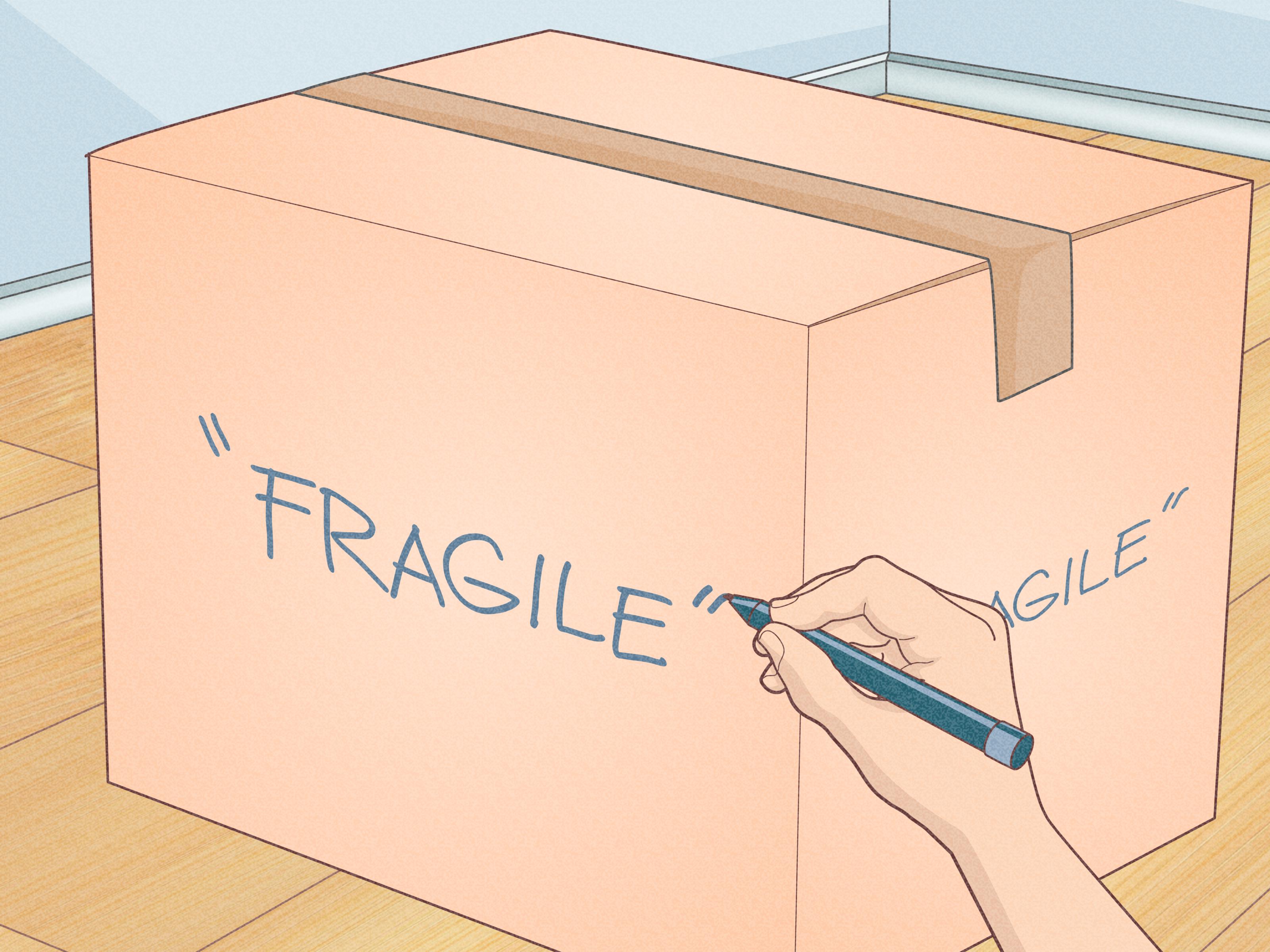
Label fragile boxes on the top and multiple sides. Also write which room the box belongs in and whether it should stay upright. “Kitchen – Glassware – Fragile – This Side Up” is much more helpful than “stuff.”
Liquids Need Special Treatment Too
Moving boxes do not love surprise leaks. If you must pack toiletries, oils, soaps, or cleaning products, tighten the lids, add a layer of plastic under the cap if needed, seal them in spill-proof bags, and keep them separate from fabric or paper items. This prevents one loose shampoo bottle from becoming the villain of the entire move.
Example of Fragile Packing
For a dish box, line the bottom with crumpled packing paper or bubble wrap. Wrap each plate individually, placing paper between pieces. Stand plates vertically in the box, then add bowls and lighter serving pieces with padding between them. Fill all remaining gaps with paper or towels. Add a final cushion layer on top, tape the box securely, and label it clearly.
Common Packing Mistakes to Avoid
Even good intentions can lead to bad boxes. Here are the biggest mistakes people make when packing for a move:
- Overfilling boxes: If the box is too heavy, it is a problem waiting to happen.
- Underfilling boxes: Empty space allows items to shift and break.
- Using weak tape: Cheap tape often quits before moving day is over.
- Mixing random rooms together: This creates unpacking confusion and delays.
- Skipping labels: A blank box is basically a future headache.
- Packing valuables in the truck: Important documents, jewelry, passports, medication, and electronics should stay with you.
- Packing prohibited or hazardous items carelessly: Paint, propane, certain chemicals, and similar items may not be allowed by movers and can create safety issues.
Which Packing Method Is Best?
Honestly, the best moves use all three methods together.
Use the room-and-priority method to stay organized. Use the weight-and-box-size method to keep boxes safe and manageable. Use the protective layering method for anything fragile, valuable, or spill-prone. That combination creates a move that feels controlled instead of chaotic.
If you are short on time, start with this simple formula: sort by room, choose the right box size, then protect the contents based on weight and fragility. It is not flashy, but it works.
Extra Moving Experiences That Teach You Fast
Anyone who has moved more than once learns the same lesson: packing boxes is never just about boxes. It is about comfort, speed, stress, and all the tiny moments that happen when life is temporarily living in cardboard. That is why the most memorable moving experiences usually come from the little packing decisions, not the truck itself.
For example, one of the most common regrets people have is packing essentials too early. On paper, it feels productive to box up chargers, scissors, soap, towels, or the coffee maker in advance. In real life, it means standing in a new kitchen, exhausted, eating crackers with your hands because the can opener, mugs, and basic utensils are somewhere inside a mysterious box fortress. The people who have the smoothest first night after moving are rarely the fastest packers. They are the people who planned for the first 24 hours.
Another big lesson comes from book boxes. Almost everyone does this wrong once. They pack all their books in the biggest box they can find, feel proud for about three minutes, then try to lift it and instantly reconsider every life choice that led to owning hardcover biographies. The better experience comes from small, boring, practical boxes. They are not exciting, but they do not try to dislocate your shoulder.
Fragile kitchen items also teach people humility. A dish box looks secure until the truck hits one rough stretch of road. The folks who wrap each plate, pad every gap, and label all sides may feel a little overdramatic while packing, but they look like geniuses when they unpack a complete set of dishes instead of opening a carton of expensive ceramic confetti.
There is also the emotional side of packing by room. Going room by room helps in a way people do not always expect. It gives the move structure. Instead of feeling like your whole house is being dismantled at once, you get small wins. One closet done. One shelf cleared. One bedroom fully packed. That momentum matters, especially during stressful moves involving kids, pets, work deadlines, or long-distance travel.
Many people also discover that labels are not for their future selves alone. They are for everyone helping with the move. Movers, friends, siblings, spouses, and that one neighbor who agreed to help for pizza all make better decisions when boxes are clearly marked. “Bedroom – Winter Clothes” saves time. “Fragile – Glass – Top Load Only” may save your favorite lamp.
And then there is the classic mistake of assuming you will remember what is in each box. You will not. Not after twenty boxes. Not after fifty. By the time everything is taped shut, your memory becomes wildly optimistic fiction. A quick written label or simple numbering system feels unnecessary in the moment, but it pays off the minute you need your router, prescription medicine, or the screws for your bed frame.
The best moving experiences usually do not come from perfection. They come from preparation. A manageable box, a clear label, a protected fragile item, and one well-packed essentials bag can turn a stressful day into a survivable one. That may not sound glamorous, but on moving day, survivable is actually a luxury.
Conclusion
If you want to pack boxes for moving the smart way, keep it simple: organize by room, match the box to the weight of the contents, and use proper protective layering for fragile items. Those three strategies make your move safer, faster, and far less annoying. They also help you avoid the two things nobody wants on moving day: broken belongings and a box that feels like it was packed by a raccoon with a deadline.
A well-packed move does not mean every box is beautiful. It means every box has a job. When your boxes are labeled, balanced, and packed with intention, you arrive at your new home ready to settle in instead of ready to argue with tape.