
Note: This article is written as publish-ready web content and synthesizes established fastpitch softball coaching principles, current pitching-rule concepts, and widely used training guidance from reputable U.S. softball, coaching, sports medicine, and youth-sports resources.
Fast pitch softball pitching looks smooth when it is done well, but let’s be honest: at first, it can feel like trying to windmill your arm, jump forward, snap your wrist, aim at a moving postage stamp, and look completely calm while everyone stares at you. No pressure, right?
The good news is that learning how to pitch a fast pitch softball becomes much easier when you break the skill into clear pieces. Instead of thinking, “I need to throw like a college ace by Tuesday,” think in terms of building three dependable tools: a controlled fastball, a deceptive changeup, and a movement pitch such as a drop ball or curveball. Those three ways to pitch give beginners and developing players a practical foundation for accuracy, speed, timing disruption, and game strategy.
This guide explains 3 ways to pitch a fast pitch softball with a focus on mechanics, grips, release, body control, common mistakes, practice ideas, and real-game examples. Whether you are a new pitcher, a parent helping in the backyard, or a coach who has said “relax your wrist” more times than you have said your own name, this article will help make the motion clearer, safer, and more effective.
Understanding Fast Pitch Softball Pitching Before You Start
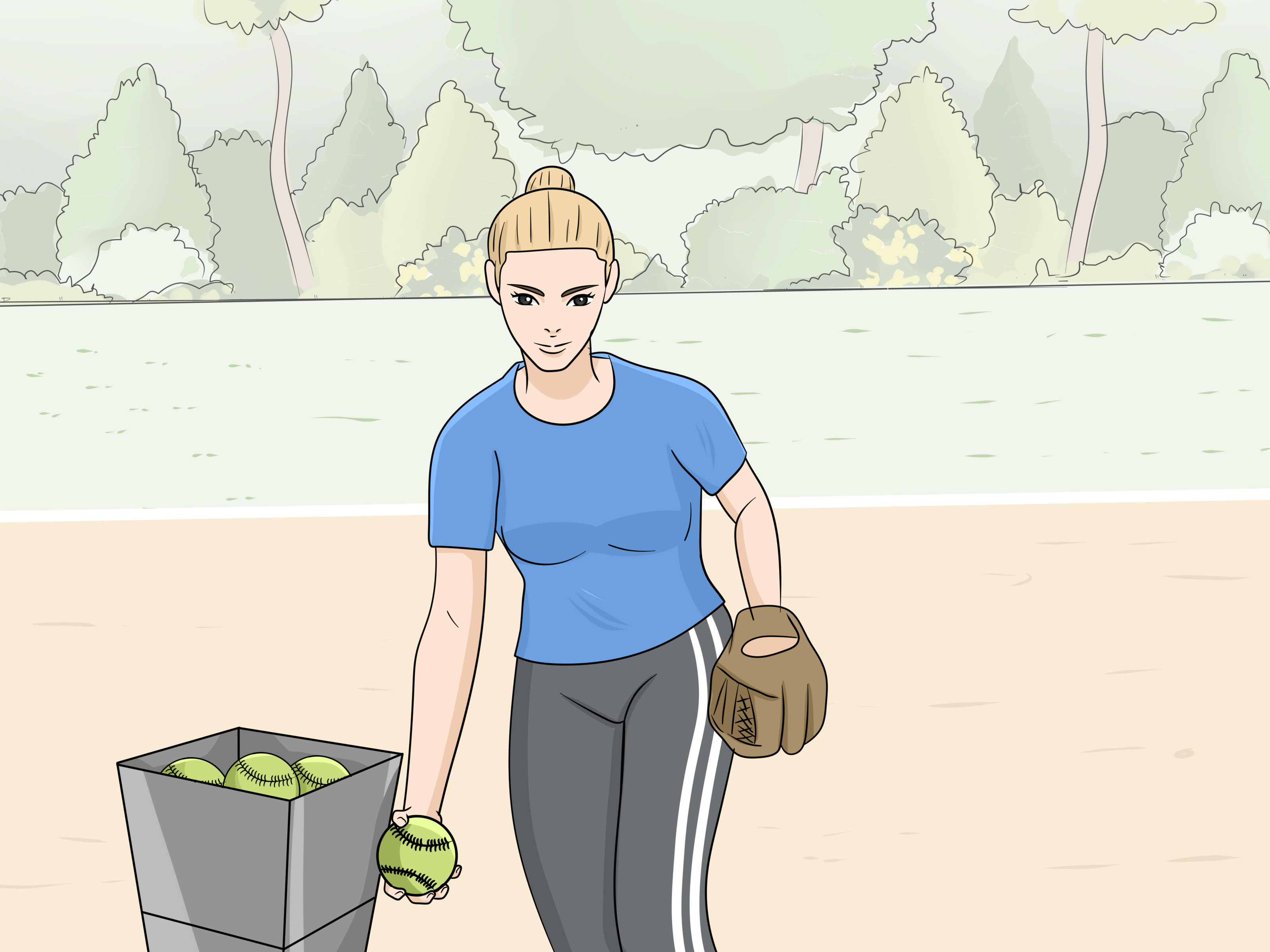
Fast pitch softball pitching is an underhand windmill motion. Unlike baseball pitching, which uses an overhand or three-quarter arm slot, fastpitch pitching relies on a full arm circle, a strong drive off the pitching plate, a controlled stride, hip rotation, wrist snap, and a balanced finish. The motion is powerful, but it should not look forced. The best pitchers often appear smooth because their body parts are working in the correct order.
A legal fastpitch delivery begins with the pitcher in contact with the pitching plate. The pivot foot, also called the drive foot, starts on or in contact with the rubber depending on the rule set. The pitcher drives forward, strides toward the catcher, and releases the ball underhand. A crow hop, replant, or illegal second push can create problems in games, so learning clean footwork early matters. Mechanics are not just about looking pretty for the softball fashion police; they help pitchers throw strikes, stay legal, and reduce unnecessary stress on the body.
Key Parts of the Fastpitch Motion
Most fastpitch pitching motions can be divided into a few major phases: setup, load, arm circle, stride, release, and follow-through. In the setup, the pitcher gets comfortable on the pitching plate, receives or simulates a signal, and prepares to move. During the load, the pitcher shifts weight and begins generating power from the legs. The arm circle builds rhythm. The stride creates direction. The release sends the ball toward the target. The follow-through helps the body slow down naturally.
The arm is important, of course, but fast pitch softball is not just an arm trick. Power starts from the ground. A strong push from the drive leg, a balanced stride, and a quick whip through release usually produce better speed than simply trying to muscle the ball with the shoulder. In other words, if your plan is “throw harder by making an angry face,” the ball may not be impressed.
Way 1: Pitch a Fastpitch Fastball
The fastball is the foundation of fast pitch softball pitching. Before a pitcher worries about drop balls, rise balls, screwballs, curveballs, or any pitch with a name that sounds like it belongs in a superhero movie, she needs a reliable fastball. A good fastball is not just about speed. It must be repeatable, controlled, and located with purpose.
For beginners, the fastball teaches the core pitching motion: drive forward, stay balanced, complete the arm circle, release underhand, snap the wrist, and finish under control. For advanced pitchers, the fastball remains a key weapon because it sets up every off-speed and movement pitch.
Fastball Grip
A common fastball grip uses the fingers across the seams. Many pitchers place the index, middle, and ring fingers comfortably on top of the ball, with the thumb underneath for support. The grip should be firm but not stiff. Think “holding a bird” rather than “crushing a stress ball during finals week.” Too much tension in the hand can reduce wrist snap and limit spin.
The goal is to create clean backspin or tight rotation. A ball with better spin often travels more efficiently and is easier to control. Younger pitchers may need to adjust finger placement based on hand size. If the hand is smaller, comfort and control matter more than copying a grip exactly from an older player.
Fastball Mechanics Step by Step
Start with the pivot foot in contact with the pitching plate and the stride foot positioned comfortably. The feet should provide a stable base. The pitcher should face the catcher, keep the body relaxed, and avoid rushing.
As the motion begins, the pitcher shifts weight and drives forward from the legs. The stride foot moves toward the target. Direction is critical. A stride that lands far across the body can pull pitches inside or outside, depending on the pitcher’s handedness. A stride that lands too open may cause the arm to drag behind the body.
During the arm circle, the throwing arm moves smoothly like a windmill. The arm should not stop halfway or loop awkwardly behind the body. As the stride foot lands, the pitching arm comes down toward release. The hips begin to close, the wrist snaps, and the fingers finish through the ball.
The release should happen near the hip, not way out in front like the pitcher is trying to hand-deliver a pizza to the catcher. After release, the arm follows through naturally. Some pitchers finish across the body; others finish slightly upward. The key is that the finish should be relaxed and balanced, not stiff or forced.
How to Practice the Fastball
One of the best ways to practice the fastball is to isolate the motion. Start with wrist snaps from a short distance. The pitcher kneels or stands close to a catcher or net and works only on releasing the ball with tight spin. Then move to half-circle drills, where the arm starts at the top or side of the circle and finishes through release. Finally, add the full motion.
A simple practice plan might include 15 wrist snaps, 15 half-motion pitches, 20 full-motion fastballs to a large target, and 15 full-motion fastballs to specific spots. The pitcher can aim low outside, low inside, high outside, and high inside. Location turns a basic fastball into a real pitch.
Common Fastball Mistakes
One common mistake is rushing the motion. When pitchers hurry, the arm and legs stop working together. Another mistake is stepping away from the target, which makes accuracy disappear faster than a team snack table after a doubleheader. Pitchers also sometimes squeeze the ball too tightly, block the wrist snap, or try to throw hard before they can throw strikes.
The fix is usually simple but not always easy: slow down, stay balanced, drive toward the catcher, and focus on clean spin. Speed develops from efficient mechanics, strength, timing, and repetition. A pitcher who can command a fastball has already built the base for everything else.
Way 2: Pitch a Changeup
The changeup is the pitch that politely asks the hitter, “Would you like to swing three seconds early?” It is one of the most valuable pitches in fast pitch softball because it disrupts timing. A pitcher does not need blazing speed to use a changeup effectively. She needs deception.
A good changeup looks like a fastball out of the hand but arrives slower. If the pitcher slows her arm dramatically, experienced hitters will recognize it. The trick is to keep the same body rhythm and arm speed while changing the grip, release, or hand action enough to reduce velocity.
Changeup Grip Options
There are several types of changeups in fastpitch softball. Common versions include the flip change, circle change, knuckle change, horseshoe change, and stiff-wrist change. The best option depends on the pitcher’s hand size, comfort, coach preference, and ability to control the pitch.
For a beginner, a simple grip is often better. One approach is to hold the ball deeper in the hand, reducing the whip at release. Another is to use a circle-style grip, where the thumb and index finger form a small circle while the other fingers help control the ball. Some pitchers use a backhand flip release, but that version requires careful practice because the ball can float too high if the release is late.
The grip should create slower speed without destroying accuracy. A changeup that lands gently in the dirt five feet in front of the plate is not deception; it is a softball taking a nap.
Changeup Mechanics Step by Step
The pitcher should begin exactly as she does with a fastball. Same setup. Same drive. Same stride. Same confident face. The hitter should not see a giant sign flashing “CHANGEUP INCOMING.”
As the arm comes through the circle, the pitcher keeps the same tempo. The difference happens at release. Depending on the type of changeup, the hand may stay firmer, the ball may roll off the fingers differently, or the wrist may turn in a controlled way. The release must still be underhand and directed toward the target.
The changeup is most effective when it is thrown for a strike or close enough to the zone that the hitter must respect it. A low changeup can be especially useful because it encourages weak contact. A high changeup can work if it surprises the hitter, but it is risky because floating pitches can turn into souvenirs.
How to Practice the Changeup
Start close to the catcher or net. The goal is not distance; the goal is feel. Have the pitcher throw five fastballs, then five changeups, trying to keep the body motion identical. A coach or parent can watch for obvious signs that the pitch is coming, such as a slower arm circle, shorter stride, tense shoulders, or a different facial expression. Yes, hitters notice. Softball hitters are part athlete, part detective.
Another useful drill is the “same motion” drill. The pitcher throws one fastball and one changeup back to back while trying to make both deliveries look the same until the ball leaves the hand. The catcher can call out whether the motion looked identical. If the catcher can tell, a batter probably can too.
Pitchers should also practice count situations. For example, throw a changeup on 0-1 to get a weak swing, on 1-2 to tempt a chase, or on 2-2 to upset timing. The changeup becomes much more powerful when the pitcher understands why she is throwing it, not just how.
Common Changeup Mistakes
The biggest mistake is slowing down the entire body. If the arm slows, the hitter reads it early. Another mistake is aiming the changeup instead of pitching it. A pitcher who guides the ball often leaves it high. The changeup needs commitment, not a nervous little push toward home plate.
Pitchers also sometimes choose a grip that is too advanced. If a changeup grip causes pain, wildness, or total confusion, switch to a simpler version. The best changeup is the one the pitcher can throw with confidence, control, and repeatable speed difference.
Way 3: Pitch a Movement Pitch
Once a pitcher can throw a fastball for strikes and use a changeup to disturb timing, she can begin learning a movement pitch. For many developing fastpitch pitchers, the first movement pitch is a drop ball or a curveball. These pitches add another layer of strategy because they do not simply change speed; they change the hitter’s visual path to the ball.
A movement pitch should be learned carefully. It is not magic. It requires spin, finger pressure, release angle, body direction, and patience. If the ball does not move at first, congratulations: you are normal. Movement pitches can take months of consistent work before they become game-ready.
Option A: The Drop Ball
The drop ball is designed to move downward as it approaches the plate. It is useful for getting ground balls, avoiding barrels, and attacking the lower part of the strike zone. A good drop ball looks hittable, then dives under the sweet spot of the bat. A bad drop ball stays flat and says, “Please hit me hard.” The difference is usually spin and release.
A common drop ball grip places the fingers along the seams in a way that helps create forward spin. The pitcher focuses on getting over the front side of the ball and finishing downward. Some coaches teach a peel drop, where the fingers peel up the back of the ball to create tight forward rotation. Others teach a turnover drop, which uses a more aggressive hand action. Beginners should start with the version that allows safe, clean, repeatable spin.
Mechanically, the pitcher still drives forward and stays tall through the motion. At release, the hand works through the ball to create downward spin. The pitcher should not bend at the waist too early or “bow” toward the catcher. That often causes control problems. The body should remain athletic and balanced.
Option B: The Curveball
The curveball is designed to move sideways. A right-handed pitcher often wants the ball to break away from a right-handed hitter, while a left-handed pitcher may create the opposite visual angle. The curveball can be effective when thrown to the edge of the plate because it makes the hitter decide quickly whether the pitch will be a strike.
Curveball grips vary, but many pitchers use seam pressure with the fingers placed to help create side spin. The release usually involves the hand working around the outside of the ball while the pitcher maintains direction toward the catcher. The mistake many beginners make is spinning the whole body sideways. The ball needs spin; the pitcher does not need to become a human revolving door.
For early training, pitchers can practice spinning the ball into a net from a short distance. The goal is to see clean sideways rotation. Once the spin improves, the pitcher can add more of the full motion. Movement should come from finger pressure and release, not from yanking the arm across the body.
How to Know When a Movement Pitch Is Game-Ready
A movement pitch is ready for games when the pitcher can throw it near the strike zone, repeat the spin, and understand when to use it. If the pitch only works once every 12 attempts, it is probably still a practice pitch. That does not mean it is bad; it just means it needs more seasoning, like chili but with fewer beans and more wrist snaps.
A useful benchmark is control. Can the pitcher throw the movement pitch for a strike at least half the time in practice? Can she keep it low or on the intended side of the plate? Can she throw it without changing her motion so much that the hitter knows what is coming? If yes, it may be ready for limited game use.
Building a Simple Pitching Practice Routine
Pitching improvement comes from consistent, focused practice. Throwing hundreds of tired pitches with sloppy mechanics is not the secret path to greatness. It is more like ordering a large pizza and calling it a nutrition plan. Quality matters.
A balanced routine includes warm-up, mechanics work, pitch-specific drills, location practice, and recovery. Younger pitchers should avoid throwing through pain. Soreness and fatigue should be monitored carefully, especially during tournament seasons when one pitcher may be tempted to carry an entire team like a backpack full of bricks.
Sample 45-Minute Practice Plan
Start with 5 to 8 minutes of light movement, dynamic stretching, and easy throwing. Then complete 5 minutes of wrist snaps and spin work. Spend 10 minutes on fastball mechanics, focusing on stride direction and release. Use the next 10 minutes for changeups, making sure the motion stays fastball-like. Spend 10 minutes on a movement pitch such as a drop or curve. Finish with 5 minutes of location challenges, such as hitting low outside or throwing three strikes before ending practice.
This kind of structure keeps the pitcher engaged and prevents practice from becoming one long blur of “throw it again.” Every pitch should have a purpose.
Pitching Strategy: When to Use Each Pitch
A pitcher with three pitches has choices. The fastball establishes the zone. The changeup changes timing. The movement pitch changes the ball’s path. Together, they create a small but powerful menu. The pitcher does not need 11 pitches. She needs a few pitches she can command.
Against a hitter who is late, the fastball may be enough. Against a hitter who starts timing the fastball, the changeup becomes useful. Against a hitter who makes strong contact on straight pitches, the drop ball or curveball can move the ball away from the barrel.
For example, imagine a right-handed pitcher facing a hitter who crowds the plate. A low outside fastball can test the hitter’s reach. A changeup after a hard fastball can pull the hitter forward. A curveball starting near the plate and moving away can create weak contact. Pitching is not just throwing; it is a conversation with the hitter. The pitcher says, “Can you hit this?” The hitter replies with either a swing, a take, or occasionally a very loud answer over the fence.
Safety, Strength, and Smart Development
Fastpitch pitching can place stress on the shoulder, elbow, trunk, hips, and legs. The underhand motion is different from baseball, but that does not mean pitchers are invincible. Overuse can still happen. Pitchers should build strength gradually, use proper mechanics, warm up before throwing hard, and communicate when something hurts.
Good training includes more than pitching. Core strength, leg strength, hip mobility, shoulder stability, and overall conditioning all help the pitcher move efficiently. Rest is also part of development. A pitcher who never rests may improve for a while, but fatigue eventually steals mechanics. When mechanics fade, accuracy drops, speed falls, and injury risk can rise.
Parents and coaches should avoid treating every practice like the championship game. Young pitchers need time to learn. They need encouragement, correction, and patience. They also need permission to be beginners. Nobody becomes a polished fastpitch pitcher in one weekend, unless that weekend is secretly 4,000 hours long.
Common Questions About Fast Pitch Softball Pitching
What pitch should a beginner learn first?
A beginner should learn the fastball first. The fastball teaches the core windmill motion, release, wrist snap, stride direction, and balance. Once the pitcher can throw strikes consistently, she can add a changeup and then a movement pitch.
How often should a young pitcher practice?
Many developing pitchers benefit from several shorter, focused sessions each week rather than one exhausting marathon. The right amount depends on age, strength, season schedule, and experience. Quality repetitions are more valuable than tired repetitions.
Is speed or accuracy more important?
Accuracy comes first. Speed is exciting, but a fast pitch outside the strike zone does not help much. A pitcher who can locate the ball forces hitters to make decisions. As mechanics improve, speed usually follows.
When should a pitcher learn a rise ball?
The rise ball is an advanced pitch that requires excellent spin, speed, and mechanics. Most young pitchers should first develop a fastball, changeup, and a basic movement pitch. Learning a rise ball too early can lead to frustration and poor habits.
Experience-Based Tips for Learning 3 Ways to Pitch a Fast Pitch Softball
One of the biggest lessons from working around developing pitchers is that confidence often grows slower than mechanics. A pitcher might learn the correct grip, understand the stride, and even throw a beautiful pitch in practice, then step into a game and suddenly feel like the softball has turned into a slippery orange. That is normal. Pitching is physical, but it is also emotional. The circle can feel lonely because every pitch starts with one player holding the ball while everyone waits.
The first experience-based tip is to keep the fastball boringin the best possible way. A boring fastball means it is repeatable. Same setup, same stride, same arm circle, same finish. Pitchers sometimes want to add fancy pitches too early because movement pitches sound cooler. But games are usually won by pitchers who can throw ordinary pitches extraordinarily well. A fastball on the outside corner is not glamorous, but it gets outs. It also builds trust with the catcher and coach.
The second tip is to treat the changeup like a secret, not a separate personality. Many young pitchers accidentally announce the changeup by slowing the arm, shortening the stride, or making a face that says, “I am about to do something sneaky.” The best changeups come from pitchers who commit to the same fastball motion. In practice, ask someone to watch only the body and guess whether the pitch is a fastball or changeup before the ball arrives. If they can guess too often, the delivery needs more disguise.
The third tip is to introduce movement pitches through spin before full-speed throwing. A pitcher who cannot create correct spin from a short distance will usually struggle to create movement from the full motion. Spin drills may feel less exciting than firing pitches at full speed, but they teach the fingers what to do. Ten minutes of focused spin work can be more useful than 40 wild attempts at a drop ball that refuses to drop.
Another practical lesson is that catchers matter. A good catcher gives clear targets, receives the ball confidently, and helps the pitcher stay calm. Even in backyard practice, a parent or teammate can help by setting a visible target and giving simple feedback. Instead of saying five things after every pitch, choose one focus: stride direction, release point, spin, or balance. Too much feedback turns practice into a lecture with a softball attached.
Pitchers also learn faster when they track small wins. Write down how many fastballs hit the target, how many changeups stayed low, or how many drop balls had correct spin. Progress becomes easier to see. Without tracking, a pitcher may feel stuck even when she is improving. Softball development is full of tiny upgrades: one cleaner release, one better stride, one calmer inning, one changeup that makes a hitter swing early enough to qualify for time travel.
Finally, the best pitchers learn how to reset. Bad pitches happen. Walks happen. Home runs happen. The important skill is returning to the next pitch with a clear mind. A simple reset routine can help: step behind the rubber, breathe, look at the catcher, choose the target, and attack. The pitcher does not need to win the whole game with one throw. She only needs to win the next pitch.
Learning 3 ways to pitch a fast pitch softball is not about collecting pitches like souvenirs. It is about building a reliable fastball, adding a deceptive changeup, and developing a movement pitch that creates weak contact. With steady practice, smart mechanics, and a little patience, a pitcher can turn the windmill motion from awkward chaos into controlled power. And when that first perfect changeup floats in after a fastball and the hitter swings early? That is the kind of softball magic that makes all the drills worth it.
Conclusion
Fast pitch softball pitching becomes much less intimidating when it is divided into three practical skills: the fastball, the changeup, and a movement pitch. The fastball builds the foundation, the changeup disrupts timing, and the drop ball or curveball adds movement that can keep hitters uncomfortable. Strong pitching comes from legal footwork, clean mechanics, efficient spin, smart practice, and the ability to stay calm when the game gets loud.
For beginners, the best path is simple: master the fastball first, add a changeup that looks like a fastball, then develop one movement pitch with patient spin work. For coaches and parents, the goal is to encourage quality reps, safe development, and confidence. A pitcher who throws with purpose, listens to feedback, and keeps practicing the small details can become a real problem for hittersin the nicest possible way.