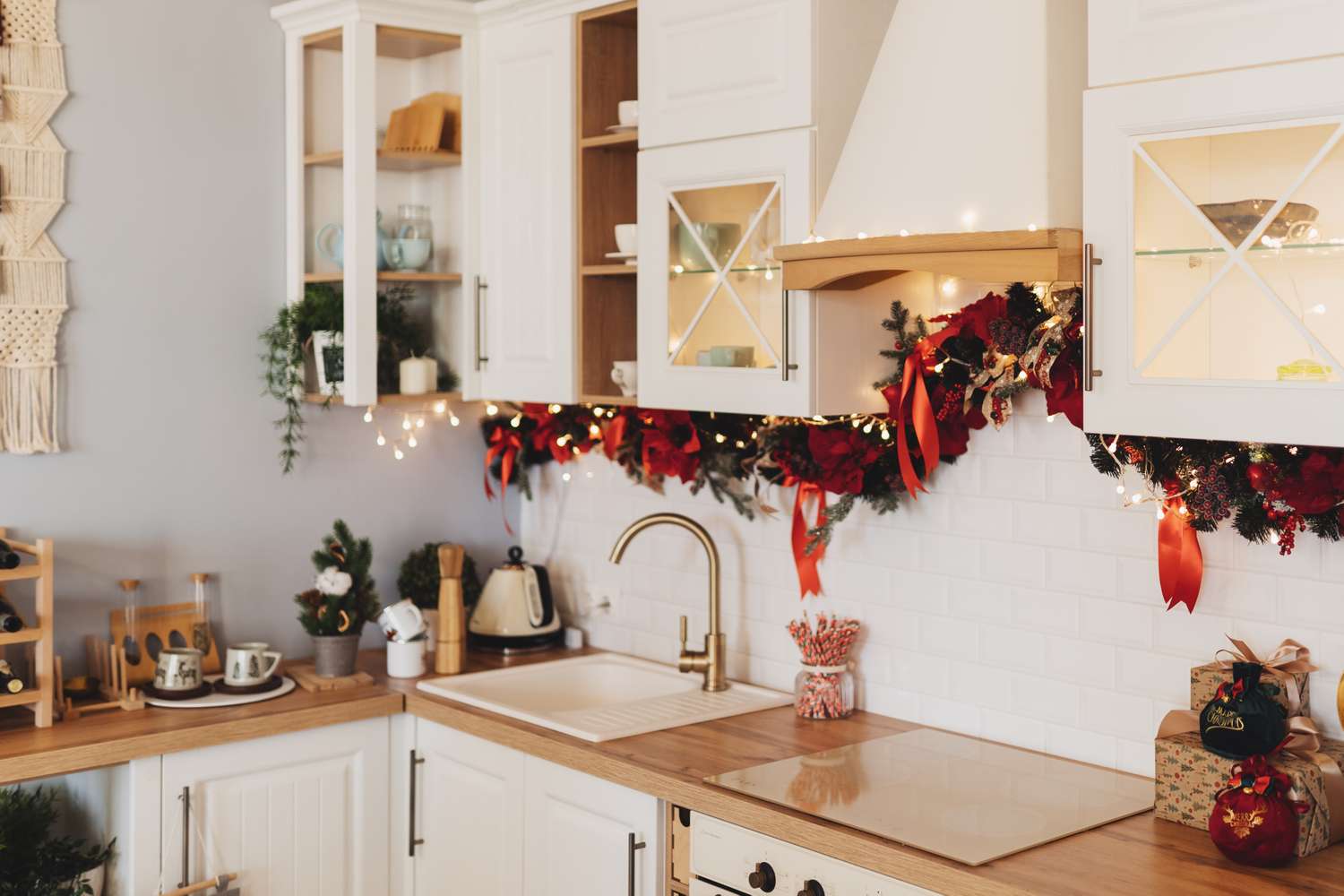

Plants have a funny way of making a room look like you have your life together, even if there is laundry on the chair and your coffee table is currently hosting three remotes and a mystery receipt. But when floor space is limited, pets are curious, or your windowsills are already packed tighter than a subway at rush hour, hanging plants become the hero your home deserves.
Learning clever ways to hang plants is not just about decorating. It is about using vertical space, improving indoor flow, giving trailing plants room to shine, and turning blank corners into living design moments. From macramé hangers and ceiling hooks to curtain rods, pegboards, ladder displays, and balcony baskets, hanging plants can work in apartments, houses, patios, kitchens, bathrooms, and tiny rooms that previously had the personality of a cardboard box.
Before you start swinging a pothos from the ceiling like a botanical chandelier, remember the basics: match the plant to the light, choose hardware that can support the full weight of the pot after watering, protect surfaces from drips, and leave enough space for watering, pruning, and admiring your leafy masterpiece. Now let’s lift those plants off the floor and give your home some vertical drama.
Why Hanging Plants Are a Smart Decorating Move
Hanging plants are one of the easiest ways to add softness, color, and movement to a room without buying bulky furniture. They draw the eye upward, make small spaces feel layered, and help trailing houseplants like pothos, philodendron, spider plants, string of hearts, tradescantia, and English ivy show off their natural shape.
They are also practical. Hanging plants can keep greenery away from toddlers, cats, dogs, and that one friend who insists they “only touched one leaf.” They free up tabletops, brighten awkward corners, and make windows more useful for herbs, flowers, and sun-loving houseplants. Whether your style is modern, boho, farmhouse, coastal, cottage, industrial, or “I bought this shelf and hoped for the best,” there is a hanging plant idea that fits.
30 Clever Ways to Hang Plants Indoors and Outdoors
1. Use Classic Ceiling Hooks
A ceiling hook is the traditional way to hang plants, and it remains popular because it works. Install the hook into a ceiling joist whenever possible. If you are hanging from drywall, use a proper toggle bolt or ceiling-rated anchor instead of a flimsy plastic wall anchor. Always check the weight rating and remember that wet soil is much heavier than dry soil.
2. Try a Swag Hook for Flexible Placement
A swag hook lets you hang a plant slightly away from the ceiling attachment point, which is useful when the best structural spot is not exactly where the plant needs to sit. This works well near windows, in corners, or over a reading chair. It is also a stylish choice if you want the chain or cord to become part of the design.
3. Hang Plants From Wall Brackets
Decorative wall brackets are excellent for renters, small rooms, and homes where drilling into the ceiling is not ideal. Choose a sturdy bracket designed for hanging baskets, mount it into a stud or solid surface, and hang a trailing plant from the arm. Black metal gives a modern look, while wrought iron feels garden-inspired and classic.
4. Use Macramé Plant Hangers
Macramé plant hangers are the unofficial uniform of stylish houseplants. They add texture, warmth, and a handmade feel. They are especially good for plain ceramic, plastic, or terracotta pots that need a little personality boost. Use them in groups of two or three at different heights for a casual, layered effect.
5. Hang Plants From a Curtain Rod
A strong curtain rod can become a plant display if it is installed securely and the plants are lightweight. This is a smart way to give plants bright window light without sacrificing the sill. Use S-hooks and small hanging pots, and avoid overloading the rod unless you want your curtains and plants to stage a dramatic floor collapse.
6. Use a Tension Rod in a Window
For renters or commitment-phobes with drills, a tension rod can be a clever plant-hanging solution. Place it inside a window frame and hang lightweight plants with S-hooks. This is best for small pots, herbs, air plants, or lightweight nursery pots tucked inside decorative cachepots.
7. Create a Hanging Herb Garden
Kitchen herbs love convenience. Hang small pots of basil, mint, parsley, thyme, or oregano near a bright window so they are easy to snip while cooking. A rod, rail, pegboard, or wall rack can turn unused kitchen space into a mini herb garden. Just make sure the herbs receive enough light and have drainage.
8. Install a Plant Rail
A wall-mounted rail with hooks is a sleek way to hang several plants in a row. It works beautifully above a desk, beside a window, in a kitchen, or along a balcony wall. Use matching pots for a clean look, or mix baskets and ceramic planters for a more collected style.
9. Use S-Hooks on Existing Structures
S-hooks are tiny tools with big decorating energy. Use them on curtain rods, wire grids, metal shelves, porch beams, balcony railings, or kitchen rails. They allow you to move plants easily when watering, cleaning, or rearranging your space for the seventh time this month.
10. Hang Plants From a Pegboard
A pegboard is perfect for anyone who likes flexible decorating. Add shelves, hooks, baskets, and small hanging planters. This setup is great for home offices, craft rooms, kitchens, and small apartments because you can adjust the layout whenever your plant collection grows, which it absolutely will.
11. Use a Wooden Ladder Display
A leaning wooden ladder can hold hanging baskets, clip-on planters, or trailing pots. It adds vertical interest without permanent installation. Place it in a bright corner and let plants spill from the rungs. For safety, choose a stable ladder and avoid placing heavy pots too high.
12. Hang Plants From a Coat Rack
A wall-mounted coat rack is not only for jackets. Install one in an entryway, mudroom, kitchen, or bathroom and use the hooks for small hanging plants. It gives a casual, lived-in look and works especially well with lightweight planters or air plants in hanging holders.
13. Suspend Plants From Open Shelving
If you already have open shelves, use the underside for hanging plants. Install small hooks beneath the shelf and hang trailing plants below. This doubles your display space and creates a lush, cascading look. It is especially effective in kitchens, living rooms, and bedrooms.
14. Use a Hanging Basket in an Awkward Corner
Every home has that strange corner that refuses to cooperate. A hanging basket can fix it. Choose a trailing plant with soft movement, such as pothos, spider plant, or philodendron. Hang it at a height that fills the empty space without becoming a leafy obstacle course.
15. Hang Plants Above a Bathtub
Bathrooms with bright, indirect light can be wonderful for humidity-loving plants like ferns, pothos, and philodendrons. Hang a plant above or near the bathtub to create a spa-like mood. Avoid placing plants where they will be blasted with hot water or trapped in poor ventilation.
16. Use Wall-Mounted Planters
Wall-mounted planters are ideal when you want greenery without swinging baskets. They work in hallways, bathrooms, kitchens, patios, and offices. Choose planters with drainage solutions or removable nursery pots so water does not run down the wall like your home is crying plant tears.
17. Build a Vertical Plant Wall
A vertical plant wall can be simple or dramatic. Use a grid panel, wood slats, mounted shelves, or pocket planters to create a living wall. This idea works well outdoors, on balconies, or in bright indoor spaces. Mix trailing plants, herbs, compact foliage plants, and seasonal flowers for texture.
18. Hang Plants From a Balcony Railing
Balcony railing planters are perfect for apartments and small outdoor spaces. Use secure railing baskets or over-the-rail planters, and choose plants that match your sun exposure. Petunias, calibrachoa, verbena, herbs, strawberries, and trailing foliage can all look fantastic in the right conditions.
19. Try Hanging Moss or Coco-Fiber Baskets
Moss and coco-fiber baskets have a natural, garden-like appearance and are popular for porches and patios. They dry out faster than plastic pots because air moves through the liner, so they need consistent watering. Use a lightweight potting mix and choose plants that enjoy the exposure.
20. Hang Plants From Porch Beams
Porch beams are excellent places for hanging baskets, provided the hardware is installed securely. Use strong hooks, chains, or brackets rated for outdoor use. This is a classic way to frame an entryway, soften a porch ceiling, and make guests believe you definitely remembered to sweep before they arrived.
21. Use a Plant Chandelier
A plant chandelier is a dramatic hanging display that holds several small plants from one central frame. You can buy one or make your own using a metal hoop, wood ring, or repurposed light fixture. Air plants, small trailing vines, and lightweight pots work best.
22. Repurpose a Hanging Fruit Basket
Tiered fruit baskets are surprisingly good for small plants. Use the top tier for tiny trailing plants, the middle for herbs, and the bottom for compact foliage plants. This idea works well in kitchens and sunrooms. Just use drip trays or nursery pots to control moisture.
23. Hang Plants From a Pot Rack
A ceiling-mounted pot rack can hold more than cookware. In a bright kitchen, hang herbs or trailing plants from the rack with S-hooks. Keep plants away from grease, heat, and heavy steam, and do not hang them where they will interfere with cooking.
24. Use Window-Mounted Plant Hangers
Window plant hangers can turn sunny glass into a floating garden. Suction-cup planters are best for very small plants, while mounted window shelves or rods can hold more weight. This idea is great for succulents, herbs, and small trailing plants that love bright light.
25. Hang Air Plants in Glass Globes
Air plants do not need soil, making them perfect for glass globes, wire holders, driftwood, or hanging terrariums. They still need bright, indirect light and regular soaking or misting depending on your home’s humidity. They are low mess, lightweight, and excellent for people who fear potting soil.
26. Mount Staghorn Ferns Like Living Art
Staghorn ferns can be mounted on wood boards and hung like artwork. Their sculptural fronds create a striking focal point on a wall. They prefer bright, indirect light and regular moisture. This is a great choice if you want a hanging plant that looks more gallery than garden center.
27. Use Hanging Wall Pockets
Wall pockets made from metal, ceramic, fabric, or felt can hold small plants, herbs, or succulents. They are useful for vertical gardens and narrow spaces. For indoor use, choose waterproof liners or removable pots to avoid leaks.
28. Hang Plants From a Room Divider
A freestanding room divider, trellis panel, or slatted screen can become a plant display. Add hooks and small planters to create privacy and greenery at the same time. This works beautifully in studio apartments, patios, balconies, and home offices.
29. Use Floating Shelves With Hanging Hooks
Floating shelves are already useful, but adding hooks underneath makes them twice as hardworking. Place upright plants on top and trailing plants below. This creates a layered indoor garden without taking up floor space. Use proper wall anchors or studs for secure installation.
30. Hang Faux Plants Where Real Ones Struggle
There is no shame in using faux hanging plants in dark corners, windowless bathrooms, high shelves, or vacation homes. A realistic faux pothos or fern can soften a space without demanding water, light, or emotional support. Mix faux plants with real greenery and no one has to know.
Best Plants for Hanging Displays
The best hanging plants usually have trailing, arching, or compact growth habits. Pothos is one of the easiest indoor hanging plants because it tolerates a range of light conditions and looks lush with minimal fuss. Heartleaf philodendron is another reliable choice, with soft vines that trail gracefully from baskets. Spider plants are playful and forgiving, sending out baby plantlets that look like tiny green fireworks.
For bright light, consider string of pearls, string of hearts, burro’s tail, hoya, or tradescantia. For humidity, try Boston fern, bird’s nest fern, or maidenhair fern if you enjoy a challenge and possibly apologizing to a plant. For outdoor hanging baskets, petunias, calibrachoa, verbena, fuchsia, sweet potato vine, dichondra, and trailing begonias can create big seasonal impact.
Safety Tips Before You Hang Plants
Great hanging plant design starts with safe installation. First, weigh the pot, plant, soil, and water together if possible. A basket that feels light in the store can become surprisingly heavy after watering. Second, choose the right hook or bracket for the ceiling, wall, beam, or railing material. Third, install into a ceiling joist, wall stud, wood beam, brick, or masonry whenever possible.
For drywall ceilings, use ceiling-rated toggle bolts or hardware designed for overhead weight. For walls, use studs or strong anchors. Avoid hanging heavy ceramic pots over beds, sofas, dining tables, or anywhere a falling plant could become a leafy meteor. Use lightweight plastic, resin, fiberstone, or nursery pots inside decorative hangers when weight is a concern.
Watering and Maintenance Tips for Hanging Plants
Hanging plants are beautiful, but they are also slightly annoying to water if you put them somewhere only a circus acrobat can reach. Choose hardy plants for high spots, such as pothos, philodendron, spider plant, snake plant, ZZ plant, hoya, or string of hearts. Use pots with drainage and a saucer, or place the nursery pot inside a decorative cachepot that can be removed for watering.
Water thoroughly when the plant needs it, then let excess water drain before rehanging. Do not let roots sit in standing water, because root rot is not the kind of indoor waterfall anyone wants. Outdoor hanging baskets may need more frequent watering in hot, windy weather. Coco-fiber and moss baskets dry out especially fast, so check them often during summer.
Prune trailing plants to keep them full. Long vines are pretty, but if the top of the plant becomes thin, give it a trim. Many plants, including pothos and philodendron, can be propagated from cuttings, which means one hanging plant can eventually become many hanging plants. This is how the indoor jungle begins. There is no known cure, only more hooks.
Design Tips for Making Hanging Plants Look Intentional
The secret to stylish hanging plants is balance. Use odd numbers, vary heights, and mix textures. A glossy pothos, a delicate fern, and a sculptural hoya will look more interesting together than three identical plants lined up like they are waiting at the DMV. Match planter materials to your room: ceramic for clean modern spaces, baskets for cozy rooms, metal for industrial style, and macramé for boho warmth.
Leave breathing room between hanging plants. Overcrowding makes watering harder and can block airflow. In small spaces, one beautiful hanging plant in the right corner may look better than six plants competing for attention. Think of hanging plants as jewelry for your home: enough to sparkle, not so much that the room looks like it lost a fight with a greenhouse.
Common Mistakes to Avoid
One common mistake is hanging a plant before checking its light needs. A sun-loving succulent will not thrive in a dark hallway, no matter how cute the planter is. Another mistake is choosing a pot without drainage. Even if the hanger is gorgeous, the plant still needs proper water management. A third mistake is hanging plants too high, where watering becomes a weekly wrestling match.
Also avoid ignoring weight limits, especially with ceramic pots and large baskets. Do not rely on adhesive hooks for heavy living plants. They may hold for a while, but gravity is patient and undefeated. Finally, do not forget to rotate plants. Hanging plants near windows can grow toward the light, so turn them occasionally for fuller, more even growth.
Personal Experience: What Hanging Plants Teach You After the First “Oops”
My first experience with hanging plants started with optimism, a pothos, and a level of confidence that was not supported by carpentry skill. I had seen beautiful hanging plant displays online and thought, “How hard can it be?” This is the sentence that begins many home improvement adventures and several emergency trips to the hardware store.
The first lesson was simple: choose the location before choosing the hanger. I bought a beautiful macramé plant hanger before thinking about sunlight, watering access, or ceiling structure. The hanger looked fantastic. The plant, however, ended up in a corner that received roughly the same amount of light as a closet. The pothos survived because pothos plants are generous souls, but it did not exactly thrive. After moving it closer to a bright window, the vines became fuller and the leaves looked happier almost immediately.
The second lesson was that water is heavier than enthusiasm. A hanging basket can feel manageable when dry, but after a good watering, it becomes a tiny suspended swamp. That experience made me switch to lighter pots for ceiling displays and reserve heavier ceramic planters for shelves and plant stands. For hanging plants, plastic nursery pots inside decorative baskets are often the best of both worlds: easy drainage, lower weight, and good looks.
The third lesson was to plan the watering routine before installing anything. If you need a ladder every time your fern wants a drink, you will eventually neglect it. Not because you are a bad plant parent, but because life happens and ladders are annoying. The best hanging plant setups are reachable, removable, or placed where watering does not feel like a fitness challenge. I started using S-hooks and removable hangers, which made it much easier to take plants down, water them in the sink, let them drain, and put them back.
The fourth lesson was that plant styling improves when you stop trying to make everything match perfectly. My favorite hanging plant corner combines a simple wall bracket, a woven basket, a trailing philodendron, and a small shelf nearby with a compact peperomia. None of the pieces came as a set, but together they look collected and relaxed. The room feels warmer, and the plants soften the hard edges of the wall, window, and furniture.
Hanging plants also taught me to respect negative space. At one point, I hung too many plants in one window. It looked charming for about two days, then I realized the room felt cluttered and the curtains could no longer function as curtains. Editing the display made it stronger. A few well-placed hanging plants usually look better than a ceiling crowded with pots at every possible angle.
Finally, hanging plants make a home feel alive in a way few accessories can. They move slightly when the window opens. They change shape over time. They create shadows in the afternoon. They make ordinary corners feel designed, even when the rest of the room is doing its best. Whether you hang one spider plant in a bathroom or build a full plant wall on a balcony, the experience is practical, creative, and a little addictive. Start small, install safely, choose the right plant for the light, and leave room for the collection to grow. Because once the first vine starts trailing beautifully, you will absolutely start looking at every ceiling hook, curtain rod, and empty wall like it is real estate.
Conclusion
Hanging plants are one of the cleverest ways to decorate with greenery because they save space, add height, soften rooms, and help trailing plants look their best. From ceiling hooks and macramé hangers to wall brackets, tension rods, pegboards, balcony baskets, and plant chandeliers, there are options for every home style and skill level.
The best results come from combining beauty with practicality. Choose plants that match your light conditions, use strong hardware, plan for drainage, and keep watering simple. A hanging plant should make your home feel fresher, not turn every Tuesday into a ladder-based obstacle course. Start with one easy plant, such as pothos or spider plant, then build your vertical garden from there. Your walls, windows, and empty corners are waiting.
SEO Tags
Note: This article is written as original, publication-ready content and synthesizes practical guidance from reputable U.S. home, garden, décor, and DIY resources without inserting external source links or unnecessary reference markers.