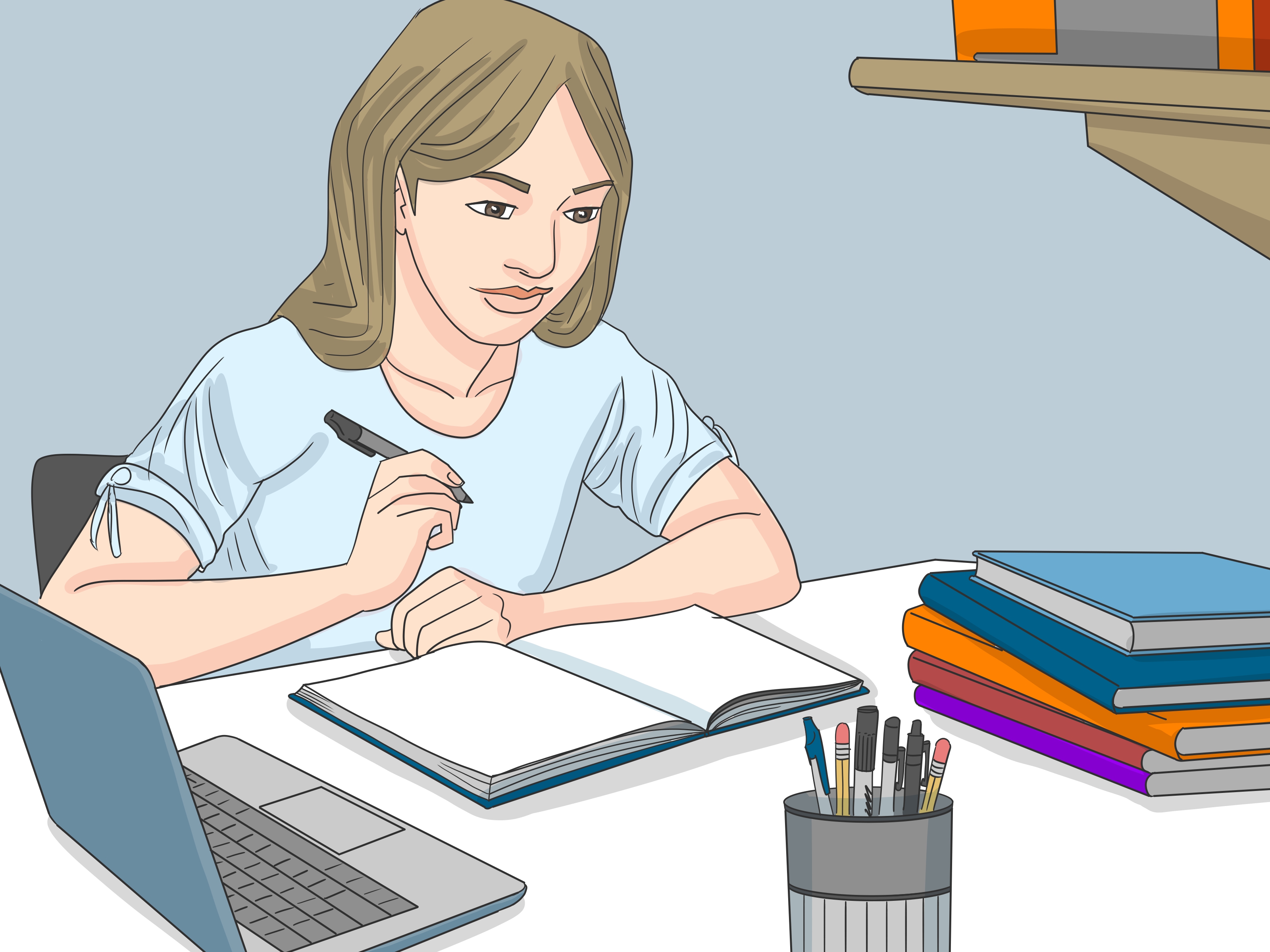

The first day of high school has a reputation. In movies, it usually involves a heroic slow-motion entrance, a locker that refuses to open, and at least one cafeteria scene dramatic enough to deserve its own soundtrack. In real life, the first day is usually less cinematicbut still big. New building. New teachers. New schedule. New social rules. New backpack weight that feels suspiciously like you are training for a mountain expedition.
The good news? You do not need to walk into freshman year guessing what will happen. Most first-day worries come from not knowing what to expect: Where do I go? Who do I sit with? What if I get lost? What if I accidentally walk into senior calculus and pretend I meant to be there? Relax. The first day of high school is designed to help students adjust, not to test whether they already know everything.
This guide breaks the experience into four practical ways to know what to expect for the first day of high school. Whether you are an incoming freshman, a transfer student, or a parent helping a teen prepare, these high school freshman tips will make the first day feel less like a mystery novel and more like a manageable beginning.
1. Learn the Schedule Before the Bell Rings
One of the biggest differences between middle school and high school is the schedule. High school often comes with more classes, more teachers, more room changes, and more responsibility. You may have block scheduling, rotating periods, advisory time, lunch waves, homeroom, study hall, or a combination that looks like it was designed by someone who really enjoys puzzles.
Before the first day, look carefully at your class schedule. Do not just glance at it and say, “Cool, numbers and letters.” Read it like it mattersbecause it does. Check your class names, room numbers, teacher names, lunch period, and start time. If anything looks wrong, such as a missing class or two classes scheduled at the same time, contact the school office or counselor before the first day if possible.
What to Expect from Classes on Day One
The first day of high school is usually not packed with major tests or heavy assignments. Teachers often use the day to introduce themselves, explain class rules, review supplies, describe grading policies, and hand out syllabi. Yes, there may be homework. No, it probably will not be a 12-page research paper due tomorrow. The first day is mainly about orientation, expectations, and getting everyone pointed in the same direction.
Bring a notebook or binder, pens, pencils, your printed or digital schedule, and any forms the school requested. If your school uses a laptop or tablet, charge it the night before. A dead device on the first day is not a personality trait; it is just inconvenient.
How to Prepare Without Overthinking
Pack your backpack the night before. Choose clothes that fit the school dress code and make you feel comfortable. Set out your shoes, lunch money, ID card, bus pass, water bottle, and anything else you need. This small routine prevents the classic morning panic where one sock disappears, your charger hides under a blanket, and breakfast becomes two bites of toast eaten while sprinting.
Also, practice your wake-up time a few days before school starts. Teenagers need consistent sleep, and high school mornings can arrive with the emotional subtlety of a fire alarm. Going to bed a little earlier and waking up closer to your school schedule helps your body adjust before the first bell demands cooperation.
2. Explore the Building, Route, and Daily Routine
High schools can feel huge at first. Even a medium-sized school may seem like a maze when you are new. Hallways branch in strange directions. Staircases appear when you do not need them and vanish when you do. Room 214 may be on the second floor, unless your school enjoys chaos and puts it in a separate wing. This is normal.
The best way to know what to expect for the first day of high school is to learn the basic layout before you need it. Attend freshman orientation if your school offers one. Walk your schedule in order. Find the main office, nurse, counselor’s office, cafeteria, gym, library, bathrooms, bus area, and your locker if you have one.
Use Orientation Like a Secret Map
Orientation is not just a polite school event where adults hand you papers and say “Welcome” 47 times. It is your chance to collect practical information. Ask where students enter in the morning. Ask how lunch works. Ask whether backpacks are allowed in classrooms. Ask what to do if you are late, absent, sick, lost, or confused. Staff members expect these questions. They would much rather answer them early than watch 200 freshmen wander in circles like a documentary about migrating backpacks.
If you cannot visit the school in person, check the school website. Many schools post maps, bell schedules, student handbooks, bus information, calendars, and contact details. Some even provide videos or virtual tours. If the school uses an online portal, log in before the first day so you know where to find assignments, announcements, grades, and messages.
Plan Transportation Like It Matters
Getting to school is part of the first-day routine. Will you ride a bus, walk, bike, carpool, drive, or get dropped off? Know where to go and when to leave. If you ride the bus, confirm the stop and pickup time. If you walk or bike, practice the route and review safety rules. If someone drives you, plan for traffic. The first day of school has a special talent for turning school parking lots into slow-moving metal soup.
Arriving early helps. You do not need to be the first person on campus, waving at the janitor in the sunrise, but give yourself extra time. A calm arrival gives you space to find your first class, check your schedule, and breathe before the day begins.
3. Understand the Social Side Without Putting Pressure on Yourself
Many students worry more about the social scene than the schoolwork. That is understandable. High school brings together students from different middle schools, neighborhoods, clubs, teams, and friend groups. You may know lots of people, or you may feel like you accidentally joined a cast of strangers.
Here is the truth: most students are nervous on the first day, even the ones who look relaxed. Some hide it by talking a lot. Some hide it by staring at their phones. Some hide it by pretending they know exactly where they are going while walking in the wrong direction with great confidence. You are not the only one figuring things out.
What to Expect at Lunch
Lunch can feel like the social final exam of the first day, but it does not have to be. If you already know someone, agree ahead of time to meet near the cafeteria entrance or at a specific table. If you do not know anyone, look for an open seat and ask, “Is anyone sitting here?” Simple, classic, effective. No monologue required.
You can also use clubs, sports, band, theater, student government, art, robotics, service groups, or other activities to meet people naturally. Friendships often form through repeated small interactions, not one magical cafeteria moment. High school social life is more like building a playlist than winning a talent show: you add one connection at a time.
Do Not Let Social Media Run the Day
Phones are part of modern high school life, but they can also turn first-day nerves into a 24-hour comparison festival. Try not to judge your day by what other people post. A smiling selfie does not prove someone had a perfect day. It proves they found good lighting.
Before school starts, review your school’s phone policy. Some teachers allow phones for class activities; others want them away. Keep notifications low during the school day so you can focus on people in front of you and information you actually need. Also, think before posting photos or comments about classmates. The first day is not the time to accidentally become the main character of a group chat disaster.
Know Your Support Network
High school gives you more independence, but independence does not mean doing everything alone. Learn the names of your counselor, assistant principal, school nurse, homeroom teacher, coach, club adviser, or any adult you can go to for help. If you have an IEP, 504 plan, medical need, anxiety concern, or learning difference, make sure you and your family know who coordinates support at school.
Asking for help is not embarrassing. It is a skill. A freshman who asks, “Where is Room 312?” is not failing high school. That student is using available resources, which is a very fancy way of saying: smart people ask directions before they end up in the boiler room.
4. Prepare for the First Week, Not Just the First Day
The first day gets all the attention, but the first week is where high school really starts to make sense. Day one is introductions. Day two is “Wait, where was that class again?” Day three is when you begin recognizing faces. By the end of the week, the building feels less enormous, the schedule feels less random, and your backpack may still be heavybut at least you know why.
Expect Information Overload
During the first week, you may receive syllabi, classroom rules, login instructions, club announcements, sports tryout dates, locker information, safety procedures, and forms for your family to sign. It can feel like every adult in the building is handing you paper as if you are personally responsible for saving the printing industry.
Create a simple system right away. Use one folder for papers that need to go home, one folder or binder section for each class, and a planner or digital calendar for assignments. Write down due dates as soon as teachers mention them. Do not rely on memory alone. Your brain is busy learning names, hallway routes, and whether the cafeteria pizza is heroic or suspicious.
Build Study Habits Early
High school classes often move faster than middle school classes. Teachers may expect you to track assignments, study before tests, and speak up when you do not understand something. This does not mean you must become a perfect student overnight. It means you should start simple habits early: review notes for 10 minutes, check your learning portal daily, keep your backpack organized, and start homework before it becomes a dramatic midnight event.
If you struggle in a class, ask for help early. Visit the teacher during available help time, email a question, ask a classmate, or talk with your counselor. Small problems are easier to fix than giant problems wearing a cape.
Choose Activities with Curiosity
Freshman year is a great time to explore. You do not need to join every club, sport, and committee like you are collecting extracurricular trading cards. Pick one or two activities that genuinely interest you. Activities help you meet people, build confidence, discover strengths, and feel more connected to school.
Look for club fairs, morning announcements, posters, school websites, and teacher recommendations. Try something even if you are not already amazing at it. High school is not only about proving who you are; it is also about discovering who you might become.
Common First-Day Questions Students Ask
What if I get lost?
You probably will not be the only one. Ask a teacher, staff member, or older student for help. Schools expect freshmen to need directions. Getting lost once does not define your year. It gives you a mildly annoying story and better map knowledge.
What if I do not know anyone?
Start with small conversations. Compliment someone’s backpack, ask about a class, or sit near students who seem friendly. You do not need a best friend by lunch. You need a willingness to be open, polite, and patient.
What if my locker will not open?
Practice if you can. If the lock refuses to cooperate, ask for help. Lockers are famous for turning confident students into amateur safecrackers. It happens.
What if my classes seem hard?
That is normal. High school is supposed to challenge you. Focus on routines: show up, take notes, ask questions, complete assignments, and study before tests. Confidence grows when you keep promises to yourself.
Real Experiences: What the First Day of High School Actually Feels Like
Many students imagine the first day of high school as one huge moment, but it usually feels like a collection of tiny moments. You wake up earlier than your summer brain believes is legal. You check your outfit in the mirror one more time. You tell yourself you are fine. Then your stomach says, “Interesting theory.”
When you arrive, the school may seem louder than expected. There are students everywhere: some hugging friends, some reading schedules, some walking quickly as if they have been hired to deliver urgent news. You may notice older students who look impossibly comfortable. Do not be fooled. They were freshmen once too. Somewhere in their past is a first-day memory involving a wrong hallway, a forgotten pencil, or a lunch tray held with the seriousness of a NASA mission.
The first class often feels formal at first. The teacher introduces the course, explains expectations, and may ask students to share names or answer an icebreaker question. Icebreakers can be awkward, yes, but they are rarely dangerous. If you have to say one fun fact about yourself and your brain goes blank, choose something simple: a hobby, a favorite food, a sport, a pet, or a movie you like. No one is grading your fun fact for emotional depth.
Between classes, the hallways may feel fast. You might worry that everyone knows where they are going except you. They do not. Plenty of students are checking schedules on their phones or papers. If you need to stop, move to the side of the hallway so you are not standing in traffic like a confused traffic cone. Then check the room number and keep moving.
Lunch is often the moment students worry about most. The cafeteria can seem huge, especially if you are not sure where to sit. A helpful strategy is to make a loose plan before lunch. Text a friend if phones are allowed, agree to meet near the entrance, or ask someone from your previous class if they have the same lunch. If you sit with new people, remember that a simple question can open a conversation: “What middle school did you go to?” “Do you know anything about this teacher?” “Is the pasta always like this, or is today a special event?” Humor helps, especially cafeteria humor.
By the end of the day, you may feel tired even if nothing “major” happened. That is because your brain has been processing new information nonstop: faces, names, rules, routes, sounds, expectations, and social cues. Feeling drained does not mean the day went badly. It means you did something new.
After school, give yourself time to reset. Eat a snack, drink water, organize papers, check for forms, and write down anything you need to remember tomorrow. Then do something relaxing. The first day is not the whole story. It is the opening page. Some parts may be exciting, some may be awkward, and some may be boring enough to make the clock look personally responsible. But each day after that becomes a little more familiar.
The most important experience-related lesson is this: high school confidence is not something you must bring fully assembled on day one. It is built through repetition. You find the classroom once, then again, then without thinking. You talk to one person, then another. You learn one teacher’s routine, then another’s. Soon the school that felt huge becomes your normal place. That is how the first day turns into the first week, and the first week turns into a year you actually know how to handle.
Conclusion: The First Day Is a Beginning, Not a Final Exam
Knowing what to expect for the first day of high school can turn nervous energy into useful preparation. Learn your schedule, explore the building, understand the social side, and prepare for the first weeknot just the first morning. You do not have to be perfectly confident. You do not have to know every hallway. You do not have to find your lifelong friend group before dessert at lunch.
What you need is much simpler: show up prepared, stay curious, ask questions, and give yourself permission to be new. Freshman year is a transition, and transitions take practice. The first day may feel big, but you are bigger than the nerves. And if your locker jams, your schedule confuses you, or you sit at the wrong lunch table, congratulationsyou are having a very normal high school beginning.
Note: This article is written for web publication in standard American English and is based on real back-to-school, adolescent health, school transition, counseling, and digital wellness guidance.