
Looking cool is not about pretending to be a mysterious movie character who owns three motorcycles and never answers texts. It is also not about buying the most expensive jacket in the store, wearing sunglasses indoors, or saying “vibe” every six minutes until people slowly leave the room. Real coolness is simpler, smarter, and much more useful: it is the art of looking comfortable in your own skin while making thoughtful choices about style, grooming, body language, and attitude.
The best part? You do not need celebrity money, runway cheekbones, or a personal stylist named Sebastian who sighs dramatically at your socks. You need a few practical habits. This guide breaks down 4 ways to look cool in real life: build a personal style, polish your grooming, improve your posture and body language, and develop quiet confidence. These tips work whether you are going to school, work, a date, a party, or the grocery store where you unexpectedly run into every person you have ever known.
1. Build a Personal Style That Looks Intentional
The first rule of looking cool is not “follow every trend.” Trends are fun, but chasing all of them can make you look like your closet was assembled by an algorithm having a midlife crisis. Cool style looks intentional. It says, “I know what I’m doing,” even if you spent ten minutes debating whether your shirt was black or very, very tired navy.
Start With Fit Before Flash
Clothes do not have to be expensive to look good, but they do need to fit well. A simple white T-shirt, jeans, sneakers, and a jacket can look effortlessly stylish if the proportions are right. On the other hand, a designer outfit that pulls, droops, or swallows you whole can look like you borrowed it from a fashionable uncle who lives on a yacht.
Pay attention to shoulders, sleeves, waistlines, pant length, and shoe shape. Your clothes should let you move comfortably without looking sloppy. For example, a jacket should sit cleanly at the shoulders. Jeans should match the look you want, whether slim, straight, relaxed, or wide-leg, without bunching wildly at the ankles unless that is truly part of the outfit. Cool outfits usually feel balanced, not accidental.
Create a Small Set of Reliable Basics
A cool wardrobe starts with repeatable pieces. Think of them as your style “home base”: clean T-shirts, well-fitting jeans or trousers, a good jacket, simple sneakers, boots or loafers, a button-down shirt, a sweater, and a few accessories that feel like you. These pieces make it easier to get dressed quickly without looking like you lost a fight with your laundry basket.
Neutral colors such as black, white, gray, navy, beige, denim blue, and olive are easy to mix. Once you have a foundation, add personality with one interesting item: a vintage jacket, a bold watch, a graphic tee, a colorful bag, a patterned scarf, or shoes with character. The trick is to let one or two pieces speak, not make the entire outfit shout over each other like a family group chat.
Dress for the Setting, Then Add One Twist
Cool people understand context. A sharp outfit at a casual coffee shop may look stylish; the same outfit at a muddy picnic may look like a cry for help. Before choosing clothes, ask: Where am I going? Who will be there? How do I want to feel?
Then add one personal twist. For a casual day, try jeans, a plain tee, clean sneakers, and a lightweight jacket. For a more polished look, wear tailored trousers with a relaxed knit shirt. For a creative setting, add a statement accessory or unexpected color. Looking cool is often about combining the appropriate with the personal.
2. Upgrade Grooming Without Overcomplicating It
Grooming is the quiet engine behind coolness. People may not notice every detail, but they notice the overall impression: clean, fresh, put together, and comfortable. You do not need a 17-step routine involving rare mountain mist and a product called “Midnight Wolf Serum.” You need consistency.
Keep Skin Care Simple
A basic skin-care routine can make your face look healthier and more awake. Start with the simple trio: cleanse, moisturize, and protect. Wash your face with a gentle cleanser, use a moisturizer that works for your skin type, and apply sunscreen during the day when you will be exposed to sunlight. If your skin is oily or acne-prone, look for products labeled oil-free or non-comedogenic. If your skin is sensitive, fragrance-free products are often a safer bet.
The goal is not perfect skin. Perfect skin mostly exists in filtered ads and suspiciously smooth video calls. The goal is cared-for skin. When your skin feels comfortable, you tend to look more relaxed, and relaxed is very cool.
Hair, Facial Hair, and Nails Matter
Your hairstyle does not need to be complicated, but it should look deliberate. Get regular trims, learn how your hair naturally behaves, and choose a style that works with your texture instead of fighting it every morning like a tiny weather system. A low-maintenance haircut that suits your face will beat a trendy haircut you cannot style at home.
If you have facial hair, keep it shaped. A beard can look rugged and stylish; it can also look like it has started making independent decisions. Trim edges, clean up the neck area, and use a little beard oil or moisturizer if needed. Keep nails clean and trimmed, too. Small details signal that you take care of yourself, which is attractive in a quiet, grown-up way.
Do Not Underestimate Fresh Breath and Clean Clothes
Cool disappears quickly when bad breath enters the chat. Brush your teeth, floss regularly, clean your tongue, drink water, and see a dental professional if bad breath or gum issues persist. Your smile is part of your style, and good oral hygiene makes conversations much less risky for everyone involved.
Clean clothes are just as important. You can wear a simple outfit and still look fantastic if everything is fresh, wrinkle-managed, and odor-free. Learn basic clothing care: wash according to labels, hang or fold items properly, remove lint, and replace pieces when they are stretched out, stained, or emotionally retired. A clean black T-shirt beats a “fancy” shirt that smells like last weekend’s decisions.
3. Use Body Language That Says “Comfortable,” Not “Trying Too Hard”
Looking cool is not only about what you wear. It is also about how you carry yourself. Body language can make a basic outfit look confident or make a great outfit look nervous. You do not need to strut like a pop star entering a wind tunnel. You just need to move like you are at ease.
Improve Your Posture
Good posture helps you look more confident and can support comfort in your neck, shoulders, and back. Stand tall without becoming stiff. Keep your shoulders relaxed, chest open, and head level. Imagine a string gently lifting the top of your headnot a crane, just a polite string.
If you sit a lot, check your posture during the day. Your screen should not turn you into a shrimp. Take short movement breaks, roll your shoulders, and reset your position. When your body is aligned and relaxed, your clothes hang better, your breathing improves, and you look more present.
Slow Down Your Movements
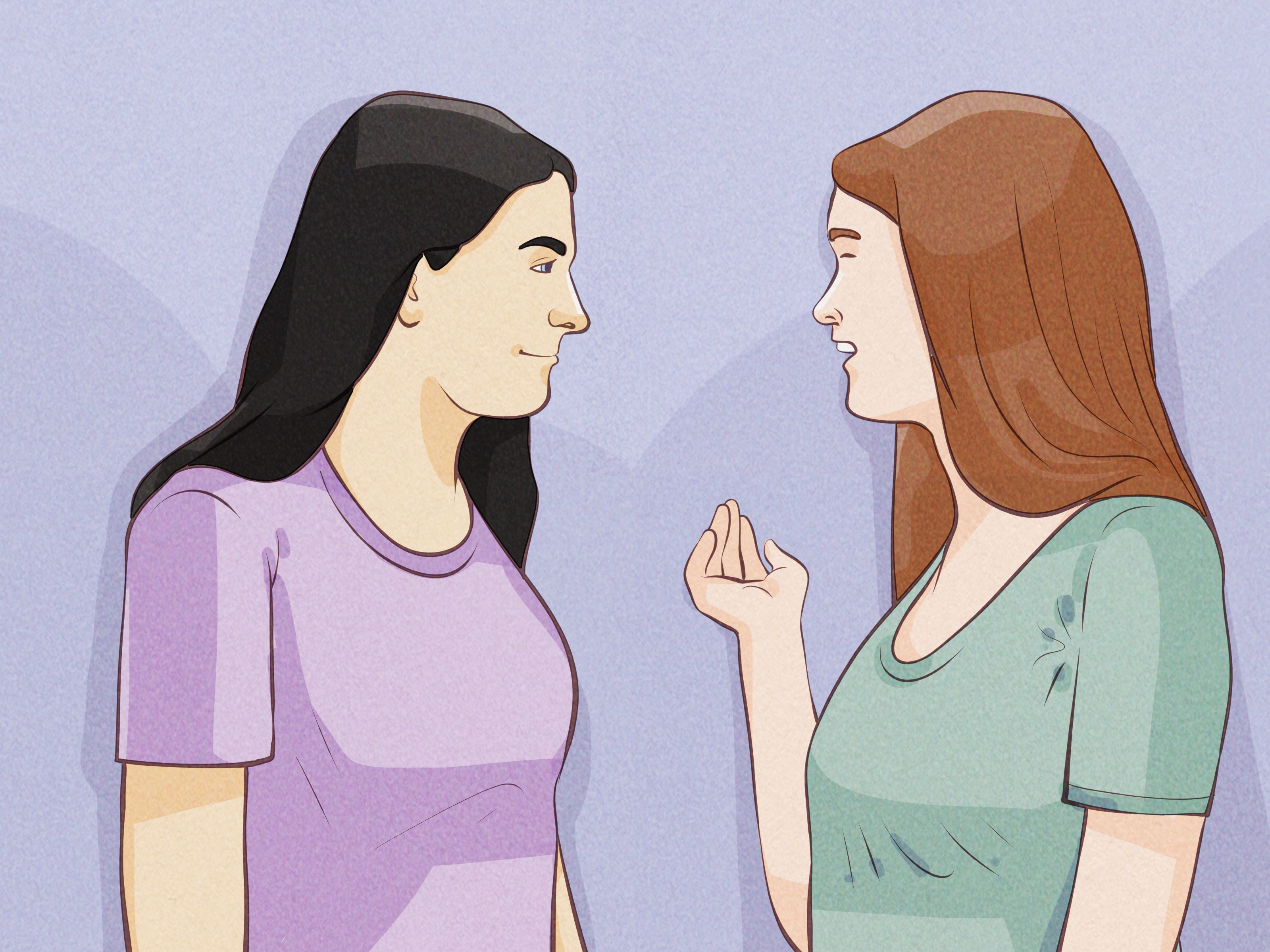
Nervous energy often looks rushed: fidgeting, darting eyes, tapping fingers, adjusting clothes every five seconds, or checking your phone like it contains breaking news from your left shoe. A calmer pace makes you appear more confident. Walk with purpose. Pause before answering. Make eye contact, then look away naturally. Use gestures, but do not conduct a full orchestra while ordering coffee.
This does not mean acting cold or distant. Coolness is not emotional refrigeration. It means being steady. When you are steady, people feel that you are comfortable with yourself, and that makes them more comfortable around you.
Practice a Friendly Neutral Expression
Some people try to look cool by looking bored. Unfortunately, “bored” can easily become “rude,” “lost,” or “possibly judging everyone’s shoes.” A better approach is a relaxed, friendly expression. Keep your face soft, smile when it feels natural, and listen with attention. Cool people are not necessarily the loudest in the room; often, they are the ones who seem fully present.
4. Develop Quiet Confidence
Confidence is the secret ingredient that makes the first three habits work. Without confidence, style can look like a costume. With confidence, even a simple outfit can feel memorable. The good news is that confidence is not a magical personality trait handed out at birth. It can be built through daily behavior.
Stop Copying and Start Editing
It is fine to get inspiration from stylish people. Study outfits, save photos, notice color combinations, and learn from people whose style you admire. But do not copy everything exactly. Coolness weakens when it looks like imitation. Instead, edit inspiration through your own life.
Ask yourself: Would I actually wear this? Does it fit my routine? Does it feel like me, or am I auditioning for someone else’s personality? A leather jacket may look great on a rock musician, but if you feel like you are wearing a costume for a school play called “Man Near Motorcycle,” try another route. Cool style begins where imitation ends.
Be Comfortable Saying Less
One underrated way to look cool is to stop over-explaining yourself. You do not need to justify every outfit, opinion, hobby, or life choice. If someone compliments your jacket, say “Thanks, I love this one,” not “Thanks, I bought it because I saw three people online wearing something similar but mine was on sale and I was worried the color might be too much.” Breathe. The jacket is safe.
Speaking clearly, calmly, and with warmth makes you more memorable. You can be funny, expressive, and friendly without filling every silence. A little restraint creates presence. Silence, used well, is not awkward; it is space.
Be Kind, Because Mean Is Not Cool
There is a common myth that cool people are detached, sarcastic, or slightly mean. In real life, meanness is not cool. It is just insecurity wearing sunglasses. Truly cool people make others feel respected. They listen, include people, give sincere compliments, and do not need to embarrass someone to feel powerful.
Kindness also makes your style more believable. A great outfit may get attention, but how you treat people determines whether they remember you positively. You can look stylish for a moment; character makes the impression last.
Common Mistakes That Make People Look Less Cool
Trying too hard is the classic coolness trap. Wearing every trend at once, name-dropping brands, forcing slang, or acting uninterested in everything can make you seem less authentic. Another mistake is ignoring comfort. If your shoes hurt, your jacket restricts breathing, or your pants require advanced engineering to sit down, your discomfort will show.
Another common issue is dressing for attention rather than expression. There is nothing wrong with bold style, but the best bold outfits still feel connected to the person wearing them. Wear the statement piece because it excites you, not because you need the room to applaud when you enter. Rooms rarely applaud, and when they do, it is usually because someone brought cake.
Quick Checklist: How to Look Cool Today
- Choose clothes that fit your body and the setting.
- Wear one item that shows personality.
- Keep shoes, clothes, hair, nails, and breath clean.
- Stand tall with relaxed shoulders.
- Move and speak a little slower.
- Listen more than you perform.
- Be kind without trying to impress everyone.
Experiences Related to “4 Ways to Look Cool”
One of the funniest things about learning how to look cool is realizing that most people start in the same place: trying way too hard. Almost everyone has a story about an outfit they believed was legendary at the time but later realized was basically a cry for help with accessories. Maybe it was a hat worn at a dramatic angle. Maybe it was too much cologne. Maybe it was a pair of sunglasses worn indoors, where the only sun was emotional.
A common experience is the “trend overload” phase. You see a stylish person online wearing wide-leg pants, silver rings, a cropped jacket, vintage sneakers, layered necklaces, and a tote bag with ironic text. You try to recreate the whole thing at once, but instead of looking effortless, you look like you were styled by five different apps that refused to communicate. The lesson comes quickly: inspiration is useful, but editing is essential. One strong piece is cool. Seven strong pieces may start a committee.
Another real-life lesson is that comfort changes everything. Many people have worn shoes that looked amazing for exactly twelve minutes and then turned the rest of the day into a survival documentary. When you cannot walk normally, you do not look mysterious; you look injured. Cool style has to work with your actual life. If you commute, walk, stand, study, work, or dance, your clothes should support that. The coolest outfit is the one you can forget about because it already does its job.
Grooming also tends to create immediate changes. A fresh haircut, clean shoes, trimmed nails, and a simple skin-care routine can make someone look more put together before they buy a single new item. Many people discover that the best upgrade is not a new wardrobe but better maintenance. Washing your face consistently, taking care of your teeth, ironing or steaming a shirt, and keeping favorite clothes in good shape can make everyday outfits look sharper. It is not glamorous, but neither is lint, and lint has been ruining black shirts since the beginning of time.
Posture is another experience people often underestimate. You can wear a great outfit, but if you are hunched over your phone, the outfit loses power. Standing tall, relaxing your shoulders, and making calm eye contact can change how others read you. It can also change how you feel. You do not have to become a statue; you just have to stop folding yourself like a lawn chair.
The biggest lesson, though, is that looking cool becomes easier when you stop begging for approval. The person who constantly asks, “Does this make me look cool?” usually looks less confident than the person who says, “I like this, so I’m wearing it.” That does not mean ignoring feedback. It means choosing style from self-knowledge rather than panic. Over time, coolness becomes less about impressing strangers and more about feeling aligned: your clothes match your personality, your grooming supports your presence, your body language feels open, and your attitude is grounded.
In real life, the coolest people are rarely perfect. They spill coffee. They have awkward moments. They sometimes choose the wrong jacket for the weather and pretend not to be cold. What makes them cool is recovery. They laugh, adjust, keep moving, and do not turn every small mistake into a personal crisis. That is the real experience behind looking cool: it is not about never messing up. It is about not letting one wrinkled shirt, weird pause, or bad hair day steal your entire personality.
Conclusion
Looking cool is not a costume, a price tag, or a secret club guarded by people with perfect cheekbones. It is a combination of intentional style, clean grooming, relaxed body language, and quiet confidence. Start with clothes that fit, care for your skin and hygiene, stand like you are not apologizing for existing, and treat people well. That is the kind of cool that lasts longer than any trend.
The best version of cool is personal. It should make you feel more like yourself, not less. So build a wardrobe that works for your life, keep your routine simple, move with ease, and let your attitude do some of the styling. After all, the coolest thing you can wear is confidencethough clean sneakers definitely help.