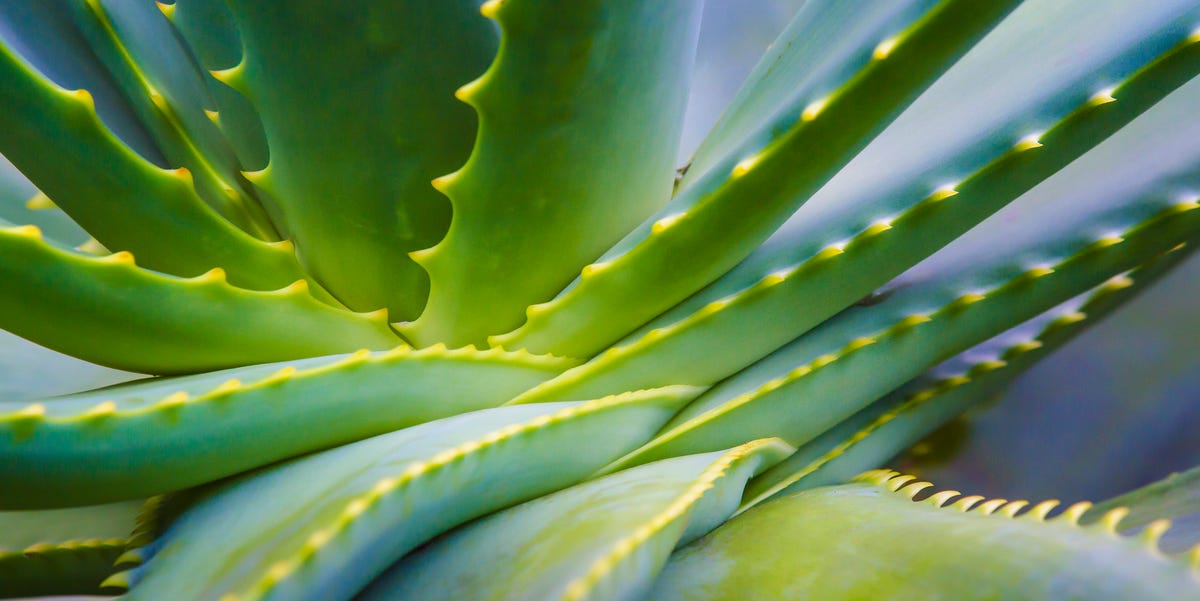

Aloe vera gel is one of those rare household items that feels both old-school and oddly futuristic. Your grandmother may have kept an aloe plant near the kitchen window for “just in case” moments, while modern skincare shelves now display aloe-packed gels, creams, masks, lotions, after-sun sprays, shampoos, and even soothing body products with names that sound like spa menus. Somehow, the humble spiky plant survived both folk wisdom and beauty marketing. Impressive, considering it spends most of its life looking like a green porcupine with hydration issues.
But what does aloe vera gel actually do? Is it really helpful for sunburn? Can it moisturize skin? Does it support minor wound care? And should you be drinking it because someone on the internet said it “detoxes everything except your bad decisions”? Let’s slow down, breathe, and separate useful aloe vera uses from overhyped claims.
The short answer: aloe vera gel can be a gentle, cooling, hydrating, and soothing topical ingredient for many everyday skin concerns. It is not magic. It does not replace sunscreen, medical treatment, antibiotics, prescription acne care, or a dermatologist. Still, when used correctly, aloe vera gel earns its place in the bathroom cabinet, especially for mild sun exposure, dryness, irritation, and simple skin comfort.
What Is Aloe Vera Gel?
Aloe vera is a succulent plant with thick leaves that store water. Inside those leaves is a clear, slippery gel. That gel is the part most people use on skin. It contains mostly water, along with naturally occurring polysaccharides, vitamins, minerals, amino acids, and plant compounds that may help explain why it feels soothing.
Here is an important distinction: aloe vera gel is not the same as aloe latex. Gel comes from the inner leaf. Latex is a yellowish substance found under the leaf skin. Aloe latex has been used as a laxative, but it can cause unwanted side effects and is not the same thing as the clear gel people apply to sunburn. In simple terms: clear gel for skin comfort, yellow latex for “please do not casually experiment with this.”
For topical use, many people choose either fresh gel from an aloe leaf or store-bought aloe vera gel. A good product should list aloe high on the ingredient label and avoid unnecessary alcohol, heavy fragrance, artificial dyes, or harsh additives, especially if your skin is already irritated.
5 Benefits of Aloe Vera Gel
1. Aloe Vera Gel Helps Soothe Sunburned Skin
The most famous use for aloe vera gel is sunburn relief. After too much sun, skin may feel hot, tight, tender, red, and uncomfortable. Aloe vera gel can provide a cooling sensation and lightweight moisture, which may make sunburned skin feel calmer. It does not erase UV damage, and it cannot undo a sunburn overnight. If aloe could reverse sun damage, dermatologists would be relaxing on beaches with giant aloe plants instead of reminding us about SPF 30.
For mild sunburn, aloe vera gel works best as part of a simple recovery routine. First, get out of the sun. Take a cool bath or shower, gently pat the skin dry, and apply aloe vera gel or a moisturizer containing aloe while the skin is slightly damp. This helps trap water and reduce that tight, crispy feeling nobody asked for.
Avoid applying aloe products that contain alcohol or strong fragrance to sunburned skin. These ingredients can sting, dry, or irritate skin that is already upset. Also avoid popping blisters. Blisters can signal a second-degree burn and help protect healing skin from infection. If you have severe pain, large blisters, fever, chills, nausea, dizziness, or signs of infection, seek medical care.
2. Aloe Vera Gel Provides Lightweight Hydration
Aloe vera gel is naturally water-rich, which makes it useful for lightweight hydration. Unlike thick ointments, aloe gel absorbs quickly and usually does not leave a heavy or greasy finish. That makes it popular for people who dislike sticky lotions or want something refreshing after a shower, shaving, swimming, or spending time outdoors.
For dry skin, aloe vera can help skin feel more comfortable, but it is not always enough on its own. Think of aloe as the friendly glass of water at the party. Helpful? Yes. Complete dinner? Not exactly. Very dry skin may also need ingredients that seal moisture in, such as ceramides, petrolatum, glycerin, hyaluronic acid, shea butter, or fragrance-free creams.
A smart way to use aloe vera gel is to apply it to damp skin, then follow with a moisturizer if your skin still feels tight. This is especially helpful after bathing, because damp skin is more ready to hold hydration. People with oily or combination skin may enjoy aloe as a light layer, while people with eczema-prone or very dry skin may need something richer.
3. Aloe Vera Gel Can Calm Mild Irritation
Aloe vera gel is often used to calm mild redness, itchiness, or irritation from everyday causes: shaving, friction, heat, dry weather, or overdoing skincare products. If you have ever tried a new exfoliating product and your face immediately filed a formal complaint, aloe may help your skin feel less dramatic while you return to a simpler routine.
After shaving, a thin layer of aloe vera gel can reduce the feeling of heat and dryness. For skin that feels irritated from clothing friction, sweat, or mild chafing, aloe may offer temporary comfort. It can also be useful after waxing or hair removal, but only if the skin is not broken and the product is free of irritating additives.
That said, aloe vera is not a cure-all for rashes. Some rashes are caused by infections, allergic reactions, eczema, psoriasis, or other conditions that need proper treatment. If a rash spreads, oozes, becomes painful, lasts more than a few days, or comes with fever, skip the bathroom science experiment and contact a healthcare professional.
4. Aloe Vera Gel May Support Minor Skin Healing
Aloe vera gel has been studied for burns and wound healing, especially mild burns and certain skin injuries. Research is mixed, but some studies suggest topical aloe may support healing in specific situations. The key phrase is “may support,” not “will magically repair everything while you make coffee.”
For minor skin discomfort, aloe vera gel may help by keeping the area moist and soothing the skin surface. Moist skin environments can support normal healing better than letting skin dry out and crack. However, aloe should not be used as a replacement for proper wound care. Clean minor cuts and scrapes gently, protect them, and watch for signs of infection.
Do not apply fresh plant gel from a dirty leaf directly into deep cuts, puncture wounds, serious burns, or infected areas. Fresh aloe can contain contaminants if not handled carefully. Store-bought sterile wound products or medical guidance are safer for anything beyond a simple skin concern. Aloe belongs in the “comfort and support” category, not the “I am now my own emergency room” category.
5. Aloe Vera Gel Fits Easily Into Simple Skin and Hair Care
One reason aloe vera gel remains popular is that it is easy to use. It can fit into a simple skincare routine without requiring a twelve-step ceremony, a jade roller, and a playlist called “serum vibes.” Many people use aloe gel as an after-sun product, a light body moisturizer, a calming layer after shaving, or a refreshing scalp and hairline treatment when skin feels dry or tight.
For the face, aloe vera gel can be used after cleansing and before moisturizer. For the body, it can be applied after showering or after sun exposure. For the scalp, some people apply a small amount to dry areas, then rinse if needed. It may help the scalp feel soothed, though it is not a proven treatment for dandruff, hair loss, or scalp infections.
Aloe is also popular in products for acne-prone skin because it feels light and calming. However, aloe vera gel does not replace proven acne treatments such as benzoyl peroxide, salicylic acid, adapalene, or prescription medications. It may help reduce dryness or irritation from acne products, but it should be treated as a supporting player, not the superhero who defeats acne in the final scene.
Best Uses for Aloe Vera Gel
After Sun Exposure
Apply aloe vera gel after cooling the skin with a bath, shower, or damp cloth. Use it on mildly sunburned areas to soothe discomfort and dryness. Keep sunburned skin out of direct sunlight while it heals.
After Shaving
A thin layer of aloe vera gel can help reduce the feeling of razor burn, especially on legs, underarms, or the beard area. Choose fragrance-free aloe if your skin is sensitive.
For Dry Hands and Feet
Aloe gel can provide quick hydration, but very dry hands and feet usually need a thicker cream afterward. For best results, apply aloe first, then seal with a richer moisturizer.
For Mild Heat Irritation
When skin feels hot or sticky after a workout, gardening, or a long walk, aloe vera gel may offer a cooling effect. Shower first if sweat is sitting on the skin, then apply a light layer.
As a Simple Skincare Layer
People who prefer minimalist routines may use aloe gel between cleansing and moisturizing. It can be especially pleasant in warm weather when heavy creams feel like wearing a sweater made of butter.
How to Choose a Good Aloe Vera Gel
Not every product labeled “aloe” is equal. Some gels contain very little aloe and a lot of water, fragrance, color, or alcohol. Read the ingredient list carefully. Ideally, aloe vera should appear near the top. If your skin is sensitive, look for products labeled fragrance-free, dye-free, and alcohol-free.
Bright green gel may look fun, but pure aloe gel is usually clear or slightly cloudy. Neon green aloe is often a sign of added dye. Your skin does not need a product that looks like melted cartoon slime to recover from sunburn.
If you use fresh aloe from a plant, wash the leaf, cut away the outer skin, and use only the clear inner gel. Avoid the yellow latex. Test a small amount on your inner arm before applying it widely, because natural does not always mean allergy-proof.
How to Use Aloe Vera Gel Safely
Start with a patch test. Apply a small amount of aloe vera gel to a discreet area of skin and wait 24 hours. If you notice burning, itching, rash, swelling, or increased redness, stop using it. Aloe is generally well tolerated on skin, but allergic reactions can happen.
Use aloe vera gel only on mild skin concerns unless a healthcare professional gives different instructions. Avoid applying it to deep wounds, serious burns, infected skin, or severe rashes. Do not use aloe as a substitute for sunscreen. Aloe may soothe sunburn, but sunscreen helps prevent the sunburn in the first place. Prevention is less glamorous, but so is not resembling a boiled lobster.
Be careful with oral aloe products. Aloe beverages, supplements, latex, and whole-leaf extracts are not the same as topical gel. Some oral aloe products may interact with medications or cause digestive problems. Children, pregnant people, people with chronic medical conditions, and anyone taking medication should ask a healthcare professional before using oral aloe products.
Common Myths About Aloe Vera Gel
Myth 1: Aloe Vera Gel Heals Sunburn Instantly
Aloe can help sunburned skin feel cooler and more comfortable, but it does not erase UV damage. Skin still needs time to repair itself. Keep moisturizing, drink water, and protect the area from further sun exposure.
Myth 2: If It Is Natural, It Cannot Irritate Skin
Plenty of natural ingredients can irritate skin. Poison ivy is natural too, and nobody is inviting it to skincare brunch. Aloe is gentle for many people, but patch testing is still smart.
Myth 3: Aloe Vera Gel Replaces Medical Treatment
Aloe vera gel may support comfort, but it is not a prescription medication. Persistent acne, infected wounds, severe burns, eczema flares, psoriasis, or unexplained rashes deserve professional care.
Myth 4: More Aloe Means Better Results
A thick, sticky layer is not always better. A thin, even layer is usually enough. Reapply when skin feels dry or uncomfortable, but do not trap heat under heavy layers after a fresh sunburn.
Experience-Based Tips: What Using Aloe Vera Gel Is Really Like
Aloe vera gel sounds simple until you actually start using it regularly. Then you realize it has a personality. It is cooling, slippery, slightly sticky if you use too much, and surprisingly useful when your skin feels annoyed by life. The biggest lesson from everyday aloe use is this: aloe works best when expectations are realistic. It is not a miracle in a bottle. It is more like a calm friend who shows up with a cold drink and says, “Let’s not make this worse.”
For sunburn, the experience is usually immediate comfort rather than instant healing. The first touch of aloe on warm skin can feel wonderfully cooling, especially if the gel has been stored in the refrigerator. That little chill can make mild sunburn much easier to tolerate. However, after the cooling sensation fades, the skin still needs moisture and protection. Reapplying aloe a few times during the day can help, but pairing it with a gentle moisturizer often works better than aloe alone.
After shaving, aloe vera gel is one of the easiest products to appreciate. Razor burn often feels hot and prickly, especially on sensitive areas. A light layer of fragrance-free aloe can take the edge off without feeling heavy. The trick is not to overapply. Too much gel can dry into a tacky film, making your skin feel like it shook hands with a sticker. A thin layer is enough.
For facial skincare, aloe vera gel can be refreshing, but it depends on your skin type. Oily skin may enjoy the lightweight texture. Dry skin may like the soothing effect but still need cream afterward. Sensitive skin should avoid aloe products with fragrance, menthol, alcohol, or unnecessary botanical extras. Sometimes the “extra calming lavender cooling ocean breeze botanical blast” version is exactly what irritated skin did not request.
Fresh aloe from a plant feels different from bottled gel. It can be thicker, more slippery, and less polished. Some people love it because it feels pure and simple. Others prefer store-bought gel because it is cleaner, easier to store, and less messy. If using a plant, preparation matters. Wash the leaf, drain away yellow latex, and use only the clear inner gel. Fresh plant gel should also be stored carefully and used quickly, because it does not contain the same preservatives as commercial products.
One practical habit is to keep aloe vera gel in the refrigerator during summer. It turns an ordinary after-sun routine into a mini spa moment, minus the cucumber water and suspiciously tiny towels. Cold aloe feels especially nice on shoulders, arms, and the back of the neck after being outdoors. It is also helpful after hot showers, workouts, or long days when skin feels dry from sweat and heat.
The final experience-based takeaway is that aloe vera gel is most valuable when used as part of a simple routine: cool the skin, apply aloe, moisturize if needed, and protect the skin from further irritation. It is affordable, easy to use, and versatile enough for many households. Just remember its limits. Aloe can soothe; it cannot replace sunscreen, medical care, or common sense. And honestly, common sense deserves a permanent spot in every skincare routine.
Conclusion
Aloe vera gel deserves its reputation as a helpful, soothing, and practical skin-care staple. Its best uses include calming mild sunburn, adding lightweight hydration, easing everyday irritation, supporting minor skin comfort, and fitting easily into simple skincare routines. The key is to use it wisely: choose gentle formulas, avoid harsh additives, patch test first, and understand that aloe supports comfort rather than performing miracles.
Whether you keep an aloe plant on your windowsill or buy a clean, fragrance-free gel from the store, aloe vera can be a useful addition to your skin-care toolkit. Just do not ask it to replace sunscreen, a dermatologist, or actual wound care. Even the most talented plant has boundaries.