
Note: This article is an original synthesis based on real public reporting, brand history, entertainment coverage, and documented movie tie-in campaigns. Source links are intentionally omitted from the HTML per publishing instructions.
Introduction: When Movie Merchandise Forgets the Movie
Movie merchandise is supposed to be the victory lap after a film wins our hearts. You love the hero, you buy the T-shirt. You quote the villain, you buy the mug. You spend two hours emotionally destroyed by a dystopian nightmare, and apparently somebody in marketing asks, “Great, but can we turn that suffering into lip gloss?”
Hollywood has always loved licensed merch because it keeps a story alive after the credits roll. A great product can become part of pop culture history: lightsabers, Jurassic Park toys, Ghostbusters proton packs, and enough Batman logos to wallpaper Gotham City. But sometimes the product does not merely misunderstand the movie. It walks into the room, knocks over the theme, eats the symbolism, and asks whether anyone wants fries with that.
The funniest movie merchandise fails are not always the cheapest or ugliest ones. The truly legendary mistakes are the products that clash with the message of the film itself. These are the movie tie-ins that make you wonder whether anyone involved watched the movie, read the script, or even skimmed the poster. Below are five real examples of movie merchandise that missed the point entirely, from anti-consumerist soap to dystopian beauty products and one very confused fast-food burger.
1. Fight Club Soap: Selling Anti-Consumerism as a Collectible Bar
The product: Officially licensed pink soap inspired by Fight Club
If there is one movie that seems designed to glare at merchandise from across a basement, it is Fight Club. David Fincher’s 1999 film is soaked in satire about consumer identity, corporate sameness, and the spiritual emptiness of defining yourself by what you own. The narrator begins as a man trapped by catalogs, furniture, office work, and the seductive lie that a better life can be assembled from purchased objects. Then Tyler Durden shows up and starts swinging a wrecking ball through that entire worldview.
So naturally, someone eventually sold Fight Club soap.
To be fair, soap is not random in the world of the film. Tyler makes soap, and the pink bar became one of the movie’s most recognizable visual symbols. The poster itself turned soap into an icon. From a collector’s standpoint, it makes sense. From a thematic standpoint, it is also deliciously absurd. A story famous for telling viewers that possessions can possess them became a purchasable lifestyle object. It is like releasing a luxury “Do Not Feed the Machine” machine.
The official licensed versions leaned into the recognizable pink design, transforming a symbol of rebellion and grotesque DIY capitalism into a neat shelf item for fans. That tension is exactly why the product is fascinating. The soap is both perfectly on-brand and wildly off-message. It understands the image but stumbles over the warning attached to it.
This is the trap of iconic props. Once a movie creates a memorable object, marketing departments often treat that object as detachable from meaning. But in Fight Club, the soap is not just soap. It represents bodily discomfort, underground economies, class resentment, and Tyler’s talent for turning disgust into charisma. Selling it as cool merch turns the critique back into commerce. In other words, the joke won. Then it opened an online store.
2. The Hunger Games Beauty Collections: Look Fabulous Like the Villains
The product: Capitol-inspired makeup and fashion tie-ins
The Hunger Games is not subtle about the Capitol. It is a decadent, image-obsessed power center that forces children from poorer districts to fight to the death for televised entertainment. Its citizens wear extravagant makeup, outrageous clothing, and polished smiles while the districts starve, suffer, and bury their kids. The Capitol’s fashion is intentionally spectacular because it exposes moral rot under glitter.
That makes beauty tie-ins inspired by Capitol style one of the most unintentionally funny examples of movie merchandise missing the point. The products were not ugly. In fact, many of them were creative, colorful, and visually bold. That is part of the problem. The marketing invited fans to participate in the glamorous surface of Panem while the story itself asked audiences to question why that surface exists.
There is nothing wrong with enjoying costume design. The Hunger Games films feature brilliant visual work, and the Capitol looks are unforgettable. The issue is the framing. When a makeup line celebrates Capitol-coded aesthetics without enough irony or critique, it risks turning dystopian excess into an aspirational beauty mood board. Suddenly the people who treat child murder as prime-time programming are giving nail polish advice.
The deeper failure is not that fans wanted bold lip colors or dramatic nail decals. Fans often enjoy dressing like villains because villains get the best coats. The failure is that the marketing seemed to blur the line between “this world is horrifying” and “this world is a brand opportunity.” That is a dangerous blur for a franchise built on media manipulation, class inequality, and the packaging of violence as entertainment.
Ironically, the campaign accidentally became a real-world extension of the franchise’s own satire. In Panem, suffering becomes spectacle. In our world, the spectacle became a cosmetics collection. That is either genius meta-commentary or a conference room that got distracted by shimmer pigments. Either way, the odds were not in the theme’s favor.
3. The Lorax and the SUV Tie-In: Speaking for the Trees, Selling the Car
The product: A Mazda CX-5 promotional campaign connected to The Lorax
Dr. Seuss’s The Lorax is one of the most famous environmental stories in American children’s literature. Its central figure “speaks for the trees,” while the Once-ler represents unchecked industry, greed, and the kind of business logic that keeps expanding until the last Truffula tree is gone. The message is not exactly hidden behind a secret door. It is standing in the middle of the room wearing a mustache and holding a seed.
So when the 2012 animated film version of The Lorax arrived with a long list of promotional partners, one tie-in drew special criticism: a campaign connecting the Lorax to the Mazda CX-5. The ads framed the vehicle as environmentally friendly within the language of the movie’s whimsical world. The result was a marketing paradox so round and shiny it practically came with cup holders.
Was the Mazda CX-5 more efficient than many vehicles in its category? That was the argument. But the optics were still spectacularly awkward. A story about resisting destructive consumerism and industrial exploitation became part of a campaign to sell a new gasoline-powered crossover. It felt less like the Lorax speaking for the trees and more like the Lorax asking whether the trees had considered available financing.
This is where movie marketing can confuse “theme alignment” with “theme decoration.” A green-colored ad, a leaf graphic, or a fictional seal of approval does not automatically harmonize with an environmental story. The question is not only whether a product is better than a worse product. The question is whether the promotion respects the moral center of the story it borrows from.
The Lorax tie-in shows how quickly a message can be softened into branding. Environmental stewardship becomes eco-vibes. Anti-greed becomes cheerful consumption with a cartoon mascot. The original story warns that nature cannot survive if every living thing is reduced to a sales pitch. Then the movie campaign turned around and placed that warning inside, well, a sales pitch. Somewhere, the Once-ler probably nodded approvingly and updated his LinkedIn profile.
4. Batman Returns Happy Meal Toys: Gothic Nightmare, Now With Fries
The product: McDonald’s Happy Meal promotion for Batman Returns
Batman Returns is a terrific Tim Burton fever dream. It is also not exactly a bouncy birthday party. The 1992 film features grotesque imagery, political corruption, abandoned children, leather-clad psychosexual tension, biting dialogue, and Danny DeVito’s Penguin behaving like the mayor of everyone’s nightmares. It is comic book cinema filtered through German Expressionism, black comedy, and whatever haunted snow globe Burton keeps in his soul.
McDonald’s, meanwhile, was selling Happy Meals.
The promotional campaign included kid-friendly toys and tie-in packaging, which seemed normal at first because Batman was already a merchandising powerhouse. The 1989 Batman film had been a licensing phenomenon, and the bat-symbol could sell almost anything. But Batman Returns was darker, weirder, and far less interested in being a toy commercial. Parents complained that the movie being promoted to children through Happy Meals was too intense for young audiences.
This is a classic example of a campaign understanding the brand but not the specific movie. “Batman” as a logo is broadly marketable. “This particular Batman sequel where the Penguin bites a man’s nose and Catwoman explores trauma through latex vengeance” is a tougher fit for a kids’ meal.
The mismatch mattered because fast-food movie merchandise does not simply sell a product. It sends a signal about audience. A Happy Meal tie-in tells families, “This is safe, fun, and child-facing.” But Batman Returns was PG-13 in spirit even when wearing a superhero cape. The promotional tone promised Saturday-morning adventure; the film delivered a bleak carnival of damaged adults.
The fallout became part of Batman history. The next film, Batman Forever, moved in a brighter, more toyetic direction. Whether one blames McDonald’s, Warner Bros., audience expectations, or the eternal corporate need to sand down sharp edges, the lesson is clear: not every famous character belongs in a lunchbox at that exact moment. Sometimes the correct toy for a movie is a small plastic therapist.
5. The Thing Burger: A Bacon Cheeseburger for a Jewish Superhero
The product: Denny’s Fantastic Four tie-in menu item
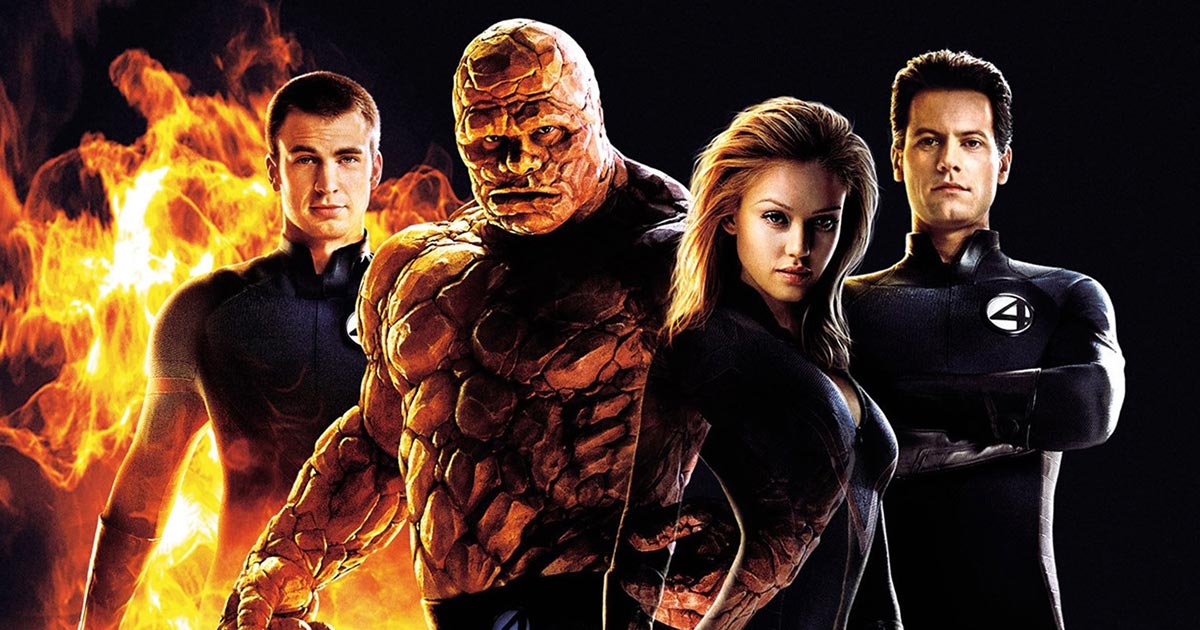
In 2015, Fantastic Four received a promotional menu at Denny’s. On paper, this is standard superhero marketing. A blockbuster arrives, a restaurant creates themed dishes, fans get novelty food, and everyone pretends a “Doom Lava Cake” was not created by someone having the best workday of their life.
Then came the Thing Burger.
The burger was tied to Ben Grimm, also known as the Thing, the orange rock-skinned powerhouse of the Fantastic Four. The dish featured a beef patty, cheese, bacon, egg, hash browns, sauce, and a cheese bun. As a visual pun, it made sense: big, orange-ish, chunky, and heavy enough to yell “It’s clobberin’ time!” at your digestive system. But there was one awkward detail. Ben Grimm is Jewish.
In Marvel comics, Ben’s Jewish identity became an important part of the character’s history. Later stories explicitly explored his background, including religious moments and community ties. So naming a bacon cheeseburger after him was, at best, a sign that the food concept team knew what the Thing looked like but not who Ben Grimm was. They matched the rocks and missed the roots.
Of course, not every fictional Jewish character has to be represented only through kosher food. The problem is not that a superhero burger existed. The problem is that the specific combination of bacon and cheeseburger created an obvious disconnect for fans who knew the character. It suggested that the tie-in was built from surface-level branding: orange guy, big burger, done.
This is one of the most useful examples for understanding failed movie merchandise. The error is not malicious; it is careless. It shows what happens when marketing treats characters as colors, logos, and shapes rather than as stories with histories. For casual diners, the Thing Burger was just a limited-time novelty. For comic fans, it was a reminder that “fan service” requires at least one fan in the room.
Why These Movie Merch Fails Are So Memorable
They reveal the gap between story and sales
Bad movie merchandise is funny because it exposes a quiet battle inside Hollywood. Filmmakers build meaning. Marketers build campaigns. Ideally, those two jobs work together. But when they do not, the result can feel like a movie’s message has been mugged in the parking lot by its own promotional department.
The best movie tie-ins extend the experience. A Star Wars lightsaber toy lets fans act out the fantasy. A Jurassic Park dinosaur figure connects directly to the appeal of the film. A Barbie fashion collaboration makes sense because the movie itself is in conversation with dolls, identity, and consumer culture. Even silly products can work when they understand the emotional contract between audience and story.
The five examples above fail in different ways. Fight Club soap commodifies anti-consumerism. The Hunger Games beauty products glamorize the aesthetics of oppression. The Lorax SUV promotion softens environmental critique into green branding. Batman Returns Happy Meals mistake a dark gothic sequel for child-safe fun. The Thing Burger reduces a character to a color palette and misses his cultural background.
That does not mean these products are worthless. In fact, many strange movie merchandise items become collectible precisely because they are so odd. Fans love artifacts that capture the weirdness of an era. A bad tie-in can become a tiny plastic fossil from a time when someone thought, “Yes, this bleak adult-adjacent movie definitely needs a children’s meal.”
Still, these examples are useful warnings. Movie merchandise works best when it respects the story, not just the logo. The more serious, satirical, political, or subversive a movie is, the more careful a brand must be when turning it into a product. Otherwise, the campaign may become famous for the wrong reason: not because it celebrated the movie, but because it accidentally proved the movie’s point.
Real-World Experiences: What Fans, Collectors, and Marketers Can Learn
Anyone who has ever browsed a clearance bin, a convention booth, or an online auction page knows that movie merchandise has a strange afterlife. The product that looked embarrassing during release week can become hilarious ten years later and weirdly valuable twenty years later. That is part of the charm. A questionable movie tie-in is not just an object; it is evidence. It proves that a group of adults, probably wearing lanyards, once sat in a meeting and agreed that this was the move.
For fans, the experience of encountering these items is often a mix of delight and secondhand embarrassment. You may love Fight Club, but seeing its anti-materialist attitude reborn as a collectible soap bar makes you laugh because the contradiction is built in. You may admire the design of The Hunger Games, but a Capitol-inspired beauty product can feel like buying a souvenir from the villain’s gift shop. That tension is what makes bad movie merchandise so shareable. It gives fans a chance to say, “Wait, did nobody think this through?”
Collectors often see these products differently from casual viewers. To a collector, a failed tie-in can be more interesting than a successful one. Mass-market items that sold well are common. Odd promotional products, discontinued campaigns, and awkward brand collaborations often carry better stories. A Batman Returns cup or a bizarre fast-food toy is not merely plastic; it is a snapshot of studio expectations, audience backlash, and corporate panic. The object becomes a conversation starter, which is the collector’s version of buried treasure.
For marketers, these examples offer a practical lesson: brand fit is not the same as logo fit. A recognizable property can drive attention, but attention without context can backfire. Before launching a licensed product, a team should ask simple questions. What is the movie actually saying? Who is the hero? Who is being criticized? Is the product celebrating something the story condemns? Would fans who know the source material feel seen, or would they feel like the campaign was created by someone who only watched the trailer on mute?
The best movie merchandise does not need to be serious. It can be silly, playful, cheap, loud, and proudly ridiculous. But it should understand the basic emotional truth of the film. If the movie is about resisting consumer culture, be careful selling lifestyle goods. If the movie is about environmental responsibility, think twice before wrapping it around a gasoline-powered product. If the movie is a dark, unsettling sequel, maybe do not invite toddlers to process it through fries and a toy car.
In the end, movie merchandise fails endure because they are human. They reveal ambition, confusion, greed, optimism, and occasionally a complete absence of reading comprehension. They remind us that pop culture is not created only by artists; it is also shaped by licensing departments, restaurant chains, cosmetics brands, toy manufacturers, and whoever names burgers at 4:45 on a Friday afternoon. Sometimes they get it right. Sometimes they make a bacon cheeseburger for Ben Grimm.
Conclusion: The Merch Was Wrong, but the Stories Are Priceless
Movie merchandise that misses the point entirely is more than a funny footnote. It shows how easily a film’s message can be flattened into a logo, a color scheme, or a limited-time combo meal. These products are amusing because they are so confident. They do not whisper their misunderstanding; they print it on packaging, ship it to stores, and hope nobody notices.
But fans always notice. That is why these movie merch fails continue to live online, in collector circles, and in pop culture conversations. They are reminders that audiences care about meaning. A prop is not just a prop. A costume is not just a look. A character is not just a mascot. When merchandise ignores that, it may still sell, but it also becomes a punchline.
The good news for Hollywood is simple: fans like buying things connected to movies they love. The bad news is equally simple: fans also know when the thing being sold has wandered far, far away from the soul of the story. And if there is one lesson here, it is this: before approving the tie-in, maybe watch the movie first.
SEO Tags