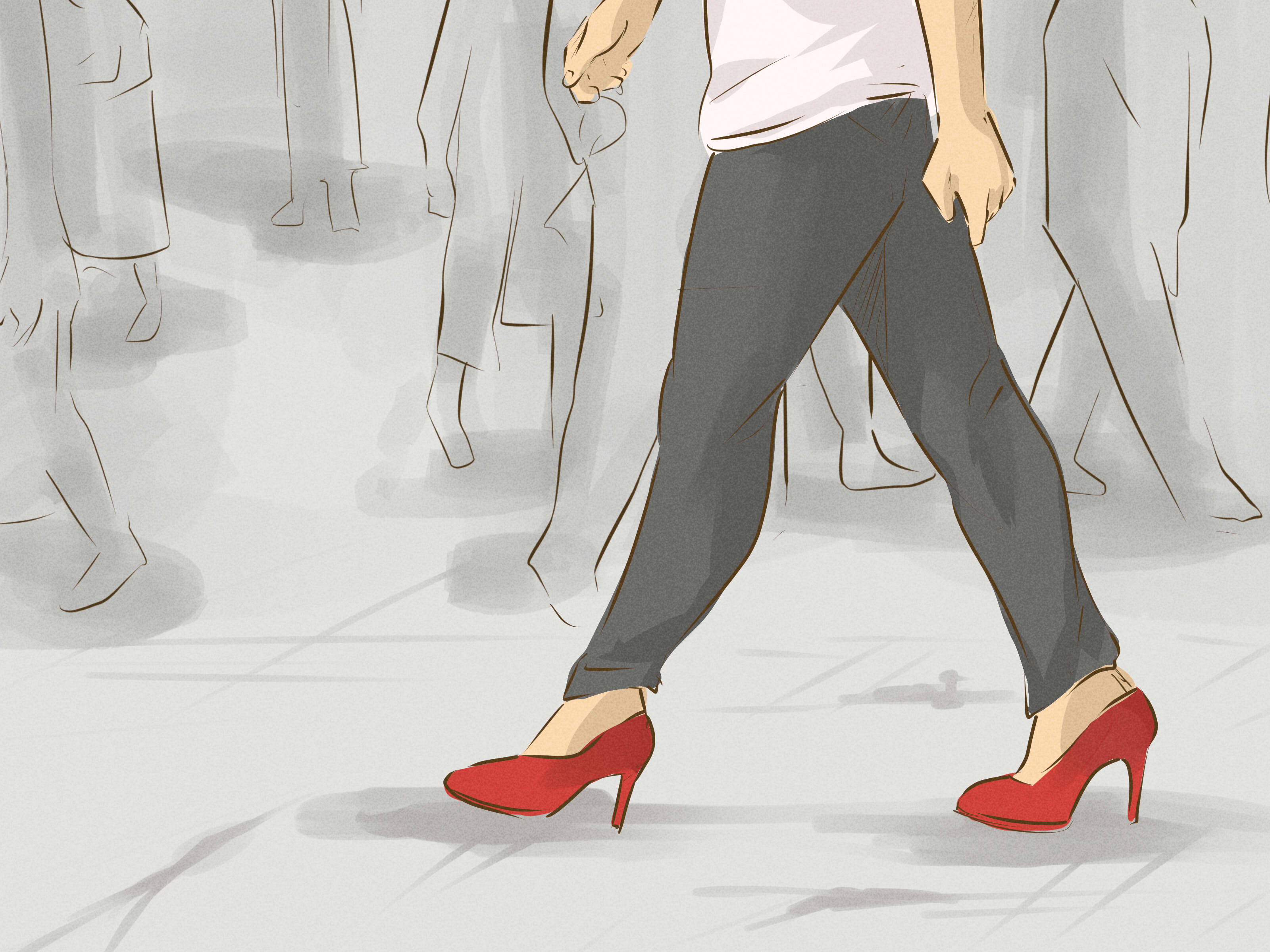

High heels do not come with a tiny security guard who checks your gender at the door. They are shoes. Dramatic shoes, perhaps. Occasionally stubborn shoes. Shoes that may demand better posture and a strategic backup pairbut still just shoes.
Although modern marketing often places heels in the women’s department, men wearing high heels is hardly a new development. Heeled footwear has appeared in men’s wardrobes for centuries, from practical riding shoes and aristocratic court fashion to cowboy boots, rock-star platforms, Cuban heels, and contemporary runway designs. In other words, men are not invading heel territory. They are returning to an old address.
The real question is not whether men can wear heels. It is how to wear them in a way that looks intentional, feels comfortable, and reflects your personal style. Whether you want a subtle one-inch lift or a platform boot that enters the room several seconds before the rest of you, the following five approaches offer a practical starting point.
Before You Begin: Choose Heels That Actually Fit
A successful outfit begins with a shoe that does not feel like a fashionable medieval punishment device. Because brands use different lasts, widths, and sizing systems, the number printed inside a shoe should be treated as a clue rather than a sacred commandment.
Measure Your Feet in Inches or Centimeters
Measure both the length and width of your feet while standing. Use the larger foot when selecting a size, and compare your measurements with the brand’s own chart. Conversions between men’s and women’s shoe sizes vary, so relying on a single universal formula can lead to cramped toes, slipping heels, and regret delivered by express shipping.
Prioritize Width and Toe Room
Many high heels have narrow or pointed toe boxes. That shape can look sleek, but it should not crush the front of your foot. Your toes need enough room to rest naturally without overlapping or pressing hard against the sides. If the shoe fits in length but squeezes the ball of your foot, try a wide-width version, a rounder toe, or a different brand.
Start With Stability
Beginners usually have an easier time in block heels, wedges, platforms, or boots with supportive uppers. An ankle strap can help prevent the foot from sliding forward, while a firm heel counter keeps the back of the shoe from collapsing. Save the needle-thin stilettos for later, unless your balance was secretly developed by mountain goats.
1. Start With Heeled Boots and Everyday Menswear
Heeled boots are the easiest gateway into high heels for men because they already have a well-established place in menswear. Cowboy boots, harness boots, Chelsea boots, Beatle boots, and Cuban-heeled ankle boots all add height without looking disconnected from the rest of an outfit.
Begin with a heel between one and two inches. A broad, stacked heel offers more stability than a narrow one, while the boot shaft supports the ankle. Black leather creates a sleek, versatile appearance. Brown or tan suede feels more relaxed, and burgundy adds personality without announcing itself through a megaphone.
How to Style Heeled Boots
For an approachable daytime outfit, wear black heeled Chelsea boots with straight-leg jeans, a fitted T-shirt, and a cropped jacket. The jeans should fall cleanly over or just above the boot rather than bunching around the ankle. A slight crop draws attention to the footwear, while a longer hem makes the heel more discreet.
For evening, combine pointed heeled boots with slim trousers, a silky shirt, and a structured blazer. Keep the colors close togethersuch as black, charcoal, and deep navyto create a long, uninterrupted visual line. The heel then looks like part of the silhouette instead of a last-minute plot twist.
This approach is especially useful for men who like classic clothing but want something more expressive than ordinary dress shoes. The outfit remains recognizably masculine in a traditional sense, while the heel sharpens the proportions and adds a little rock-and-roll energy.
2. Wear Platform Heels With Wide-Leg Pants
Platform heels create height while reducing the effective angle between the heel and the front of the foot. A five-inch platform shoe may look intimidating on paper, but if the front platform is several inches thick, the actual slope can feel less severe than that of a much lower pump.
That does not automatically make every platform comfortable or safe. Heavy soles, unstable construction, and poor traction can still cause problems. Look for a secure upper, a sole that does not twist excessively, and enough grip for the surfaces you expect to walk on.
Build a Balanced Silhouette
Wide-leg trousers are natural partners for platform shoes. The extra volume balances the visual weight of the footwear and creates a fluid line from hip to floor. Try high-waisted black trousers with a tucked tank top, an open overshirt, and square-toed platform boots. The result feels modern, relaxed, and editorial without requiring you to dress like you accidentally wandered away from a fashion shoot.
Flared jeans work for the same reason. A dark denim flare worn over platform boots produces a subtle 1970s influence. Add a fitted knit shirt, leather belt, and simple jewelry. Let the pants reveal part of the toe and heel when you walk; otherwise, the platforms may disappear entirely and leave people wondering whether you grew four inches during lunch.
Platforms also work well with streetwear. Cargo pants, an oversized bomber jacket, and platform ankle boots create an intentional contrast between utilitarian clothing and dramatic footwear. Keep one element fittedperhaps a close-cut shirt or defined waistso the outfit does not become a stylish pile of rectangles.
3. Pair Pumps or Slingbacks With Tailoring
A tailored suit and a pair of heels share several goals: both lengthen the body, sharpen posture, and make an ordinary walk feel more ceremonial. Pairing them can create an elegant look that feels polished rather than costume-like.
Men new to pumps may prefer a closed-toe style with a block heel. Slingbacks offer a lighter appearance, but the rear strap must sit securely without digging into the skin. Mary Jane styles are another practical option because the instep strap helps hold the foot in place.
Use Monochrome for a Smooth Introduction
An all-black outfit is the simplest formula. Combine black trousers, a black shirt, and a fitted or slightly oversized black blazer with matching pumps. Because the colors blend, the shape of the shoe becomes noticeable gradually. This is a smart strategy when you want the heels to feel integrated rather than treated as a novelty.
For more contrast, try a cream suit with burgundy pumps or a navy suit with metallic heels. Repeat the shoe color once elsewherein a pocket square, necklace, belt, or shirt detailto make the choice look deliberate. Matching every accessory perfectly can feel overly coordinated, so think “visual echo,” not “formal dance recital.”
Trouser length matters. Cropped pants showcase the full shoe and create a fashion-forward effect. Full-length trousers that almost touch the floor offer a subtler presentation. Avoid hems that drag beneath the heel, since they can catch under the shoe and turn your grand entrance into an unscheduled trust fall.
4. Make Heels Casual With Denim and Simple Basics
High heels do not require sequins, velvet ropes, or a lighting technician. One of the most effective ways for men to wear heels is to pair them with ordinary clothes. Denim, plain T-shirts, sweatshirts, and work jackets reduce the formality of the footwear and make the outfit feel personal rather than theatrical.
Try the Jeans-and-Heels Formula
Straight-leg jeans with a fitted T-shirt and pointed pumps create an appealing contrast. Distressed denim makes the heels feel less precious, while dark, clean jeans produce a sharper look. Add a leather jacket or oversized blazer depending on whether you want rebellious or refined energy.
For warmer weather, pair block-heeled sandals with loose jeans, a ribbed tank, and an open linen shirt. A sandal with broad straps and an ankle fastening provides more security than a minimal slip-on style. Keep the footbed wide enough to support the entire foot; toes and heels should not hang over the edges like passengers trying to escape a crowded bus.
Shorts can also work. Tailored shorts with heeled ankle boots create a strong leg line and a modern, slightly punk attitude. Longer, baggier shorts pair well with platforms for a more experimental silhouette. Crew socks can make pumps or Mary Janes feel playful, especially when the socks repeat a color used elsewhere in the outfit.
The key is restraint. When the heels are visually dramatic, the rest of the outfit can remain simple. A white T-shirt, blue jeans, and red heels may be more memorable than an outfit containing twelve competing statements and one exhausted observer.
5. Go Bold With Skirts, Dresses, or Statement Separates
Some men want heels to blend into a familiar wardrobe. Others want the shoes to become part of a broader exploration of shape, movement, and gender-neutral fashion. Skirts, dresses, tunics, long coats, and dramatic tailoring offer more room for experimentation.
Match the Mood, Not a Gender Label
A pleated midi skirt, fitted sweater, and knee-high heeled boots can look architectural and sophisticated. A mini skirt with oversized outerwear and platform shoes creates stronger contrast. A flowing dress with sturdy block heels feels different from the same dress worn with delicate stilettos, even when the color remains identical.
Instead of asking whether an item is masculine or feminine, consider its practical design qualities. Is it structured or fluid? Minimal or embellished? Heavy or delicate? Formal or casual? Building an outfit around these characteristics produces a more coherent result than following a department-store sign.
For a formal event, consider a long tailored coat, wide trousers or a skirt, a fitted top, and polished heels. For a concert or party, combine platform boots with leather shorts, a mesh layer, and an oversized jacket. For daytime, wear a simple knit dress over trousers with block-heeled boots. Layering makes experimental clothing easier to adjust and gives the look visual depth.
Confidence does not require pretending you feel completely fearless. It means choosing the outfit, checking that you can move safely, and wearing it without apologizing for taking up a slightly taller amount of space.
How to Walk in High Heels Without Fighting the Floor
Walking in heels is a skill, not an inherited magical ability. Practice indoors before wearing a new pair outside. Start on a clean, hard surface near a wall or sturdy piece of furniture, then progress to carpet, turns, stairs, and longer distances.
Take Shorter Steps
High heels naturally shorten your stride. Forcing a long step can make your movement unstable and cause the shoe to slip. Walk at a measured pace, place the heel down gently, and allow your weight to move toward the front of the foot. With very high or narrow heels, the heel and forefoot may contact the ground almost together.
Keep Your Body Stacked
Keep your head upright, shoulders relaxed, and core lightly engaged. Avoid leaning backward to compensate for the heel. Look ahead rather than staring continuously at your feet. Checking the ground is sensible; conducting a full surveillance operation on every floor tile is unnecessary.
Practice Standing and Turning
Many beginners focus entirely on forward movement, then discover that standing still and turning are the real villains. Practice shifting weight from one foot to the other. When turning, use several small steps instead of twisting sharply on one planted heel.
Carry Backup Shoes
There is no award for suffering until your feet stop sending diplomatic messages and begin issuing threats. Foldable flats, loafers, sneakers, or sandals can save the evening. Changing shoes after a few hours is practical, not a defeat.
Comfort and Foot-Health Tips
High heels shift more pressure toward the ball of the foot, especially when the heel is high and the toe box is narrow. Poorly fitting footwear may contribute to blisters, calluses, forefoot pain, compressed toes, and balance problems. Anyone with existing foot, ankle, knee, or back concerns should consider discussing heel use with a podiatrist or other qualified medical professional.
- Wear new heels for short periods before committing to an all-day event.
- Use cushioned insoles or forefoot pads only if they do not make the shoe too tight.
- Choose straps, supportive uppers, and wider heels for longer outings.
- Stretch your calves and ankles gently before and after wearing heels.
- Avoid numbing products that mask pain and prevent you from noticing an injury.
- Stop wearing the shoes if you experience sharp pain, persistent numbness, swelling, or significant instability.
Comfort varies from person to person, but pain should not be treated as the mandatory admission fee for style. The best heel is not necessarily the highest, most expensive, or most photogenic one. It is the pair you can wear while still participating in your own evening.
Real-World Experience: What the First Few Outings Teach You
The following scenario combines common lessons from first-time heel wearers rather than describing one universal experience. Every foot, outfit, venue, and confidence level is different.
The first trial usually happens at home. You put on a pair of two-inch block-heeled boots, stand in front of the mirror, and immediately become aware of several muscles that apparently had been working anonymously your entire life. The boots look excellent. Walking from the bedroom to the kitchen, however, reveals that confidence and coordination have not yet exchanged phone numbers.
After ten minutes, the movement begins to feel more natural. Shorter steps help. So does resisting the urge to march. You test a few turns, sit down, stand up, and walk across different surfaces. A rug that seemed innocent yesterday suddenly develops the personality of a cartoon trapdoor. This private practice session is valuable because it exposes problems before an audience is present. Perhaps the heel slips. Perhaps the toe box is too tight. Perhaps the pants catch under the sole. All three issues are easier to solve at home than beside a crowded restaurant table.
The second outing might be dinner with supportive friends. The boots are worn with black jeans and a jacket, so the overall look feels familiar. The first few minutes outside bring heightened self-awareness. Every step sounds louder than expected. You may assume the entire sidewalk has formed a committee to discuss your footwear. In reality, most people are thinking about dinner, traffic, their phones, or whether they left the stove on.
A few people notice. One offers a compliment. Another looks briefly and continues walking. The dramatic confrontation your imagination rehearsed for three days never arrives. By the time you reach the restaurant, the heels no longer feel like a public announcement. They simply feel like part of the outfit.
Then the practical lessons begin. Standing at the bar is harder than sitting at the table. Smooth restaurant flooring requires smaller turns. Walking three blocks is manageable; walking another twelve because someone changed the location of the after-party is less appealing. The backup shoes in your bag suddenly seem less like pessimism and more like excellent project management.
On the third or fourth outing, you may try a more visible style: pumps with cropped trousers, platforms under flared jeans, or heeled boots with a skirt. The biggest improvement is not necessarily physical balance. It is decision-making. You know which heel height works, how long you can comfortably stand, which streets have hostile pavement, and which friends will honestly tell you when a strap is twisted.
You also learn that confidence is not a permanent emotional state. It can arrive after you leave home. Sometimes the outfit feels strange for the first five minutes, interesting for the next ten, and completely natural by the end of the night. The goal is not to become immune to attention. It is to decide that your enjoyment matters more than a stranger’s three-second opinion.
Eventually, wearing heels becomes less about proving that a man can wear them and more about choosing the right shoe for the outfit. Some days call for sneakers. Some call for Cuban-heeled boots. Others clearly require a platform with enough altitude to receive regional weather reports. Personal style becomes more interesting when every option is available.
Conclusion
Men can wear high heels in countless ways, from subtle heeled boots with jeans to pumps with tailoring, platforms with wide-leg pants, casual heels with denim, and statement footwear paired with skirts or dresses. The strongest outfits do not depend on rigid gender rules. They depend on proportion, color, fit, comfort, and intention.
Start with a stable heel, learn how the shoe affects your stride, and build the outfit around your existing style. You do not need to transform your entire wardrobe overnight. One pair of well-chosen boots or block heels can introduce a new silhouette without making your closet file a formal complaint.
Most importantly, wear heels because you enjoy how they look and how they make you feelnot because you need to win an argument about fashion. Shoes can add height, drama, elegance, rebellion, or humor. Sometimes they can add all five before breakfast.