
There comes a point in winter when your home starts to feel less like a cozy retreat and more like a cave with Wi-Fi. The holiday sparkle is gone, the daylight disappears before dinner, and that one throw blanket has become both decor and emotional support animal. Welcome to the mid-winter slump.
The good news? You do not need a renovation, a designer budget, or a dramatic “I’m repainting everything at midnight” moment to make your home feel alive again. A few smart interior design tricks can brighten dark rooms, add warmth, refresh your mood, and make your space feel intentionally cozy instead of accidentally gloomy.
Below are six easy, realistic, and budget-friendly design ideas to perk up your home during winter. Think better lighting, warmer textures, fresh color, greenery, scent, and small layout changes that make your rooms feel new without requiring you to assemble furniture with instructions that look like ancient runes.
Why the Mid-Winter Slump Hits Your Home So Hard
Winter changes how we experience our interiors. Shorter days reduce natural light, cold weather keeps us indoors longer, and rooms that felt charming in November can feel heavy by February. Dark corners become more noticeable. Clutter feels louder. Heavy fabrics, while warm, can start to look visually flat. Even your favorite sofa may suddenly seem to be judging your life choices.
Design has a powerful effect on mood because the home is not just where we live; it is where we recover, work, eat, scroll, think, and occasionally stare into the refrigerator like it contains answers. When your environment feels dull, your energy can follow. When your environment feels fresh, layered, bright, and personal, it can gently nudge you back into motion.
The best winter home refreshes focus on three things: light, warmth, and liveliness. You want spaces that feel brighter without becoming sterile, cozy without becoming cluttered, and seasonal without looking like the holiday aisle exploded in your living room.
1. Layer Your Lighting Like You Mean It
If your living room has one overhead light and that light makes everyone look like they are waiting in a DMV line, it is time for a lighting intervention. Lighting is one of the easiest ways to change the mood of a room, especially in winter when natural sunlight is limited.
Use three levels of light
A well-designed room usually includes ambient lighting, task lighting, and accent lighting. Ambient lighting is the general glow, such as ceiling fixtures or large floor lamps. Task lighting helps with specific activities, like reading, cooking, or working. Accent lighting adds atmosphere, highlighting art, shelves, plants, or architectural details.
Instead of relying on one harsh ceiling light, try adding a table lamp near the sofa, a floor lamp in a dark corner, and a small picture light or plug-in sconce near a gallery wall. The room will instantly feel more dimensional, warmer, and more expensiveeven if your lamp came from a clearance shelf and required emotional negotiation at checkout.
Choose warm bulbs, not interrogation-room bulbs
For cozy winter interiors, warm white bulbs are usually more flattering than cool blue-white bulbs. Look for bulbs around 2700K to 3000K if you want a soft, inviting glow. Cooler light can be useful for detailed tasks, but too much of it in living areas may make the room feel clinical.
Dimmers are also a small luxury with a big payoff. A dimmable lamp or smart bulb lets you shift from “wake up and be productive” lighting in the morning to “I am a peaceful person who definitely did not eat cereal for dinner” lighting at night.
2. Bring in a Winter Color Lift
Color can completely change the emotional temperature of a room. During the mid-winter slump, you do not have to repaint your entire house. In fact, please do not start painting every wall at 10 p.m. unless you are prepared for regret and mysterious roller marks. Instead, use smaller color accents to add energy.
Try warm, earthy accents
Winter rooms often benefit from colors that feel grounded and sunny: caramel, terracotta, ocher, deep olive, soft rust, warm beige, muted plum, and golden brown. These tones pair beautifully with neutrals and can make a room feel warmer without visually shrinking it.
Easy ways to add these shades include throw pillows, a table runner, framed art, a ceramic vase, candles, lampshades, or a new blanket folded over a chair. A little color can go a long way. One ocher pillow may say “curated.” Seven ocher pillows may say “I have joined a mustard-based design movement.”
Use light colors strategically
If your home feels dark, add pale or reflective accents where light naturally lands. Cream pillow covers, a light-colored rug, white ceramic pieces, pale wood trays, or linen curtains can help bounce light around the room. Mirrors are especially useful in winter because they reflect both natural and artificial light.
Place a mirror across from a window, near a lamp, or behind a candle arrangement to multiply the glow. This trick is especially helpful in small apartments, narrow hallways, and rooms with limited windows.
3. Swap Flat Surfaces for Cozy Texture
Winter decorating is not just about what you see; it is about what your home feels like. Texture adds depth, comfort, and visual interest. When a room looks boring but nothing is technically wrong with it, the missing ingredient is often texture.
Layer textiles thoughtfully
Start with the soft things: blankets, pillows, rugs, curtains, bedding, and upholstery. Mix textures instead of matching everything perfectly. A chunky knit throw, velvet pillow, nubby boucle cushion, wool rug, cotton quilt, or faux-fur accent can make a room feel rich and inviting.
The key is contrast. If your sofa is smooth leather, add a textured throw. If your bedding is crisp cotton, layer it with a quilt or knit blanket. If your room is full of hard surfaces like wood, glass, and metal, soften it with fabric. The goal is not to create a blanket fort, though honestly, winter does make a strong case for blanket architecture.
Do not forget floors and windows
Cold floors can make a room feel unfinished. A rug instantly adds warmth, anchors furniture, and helps define the space. In the bedroom, place a rug where your feet land in the morning. This small change may not make you love waking up in winter, but it can reduce the shock of stepping onto a cold floor like a startled cartoon cat.
Window treatments also matter. Lightweight curtains can keep a space bright, while heavier panels add warmth and coziness. If your room feels too dark, avoid thick dark drapes during the day. Pull them open fully and let the room borrow every scrap of winter daylight it can get.
4. Add Greenery, Branches, and Natural Elements
When everything outside looks gray, brown, or suspiciously crunchy, bringing nature indoors can make your home feel alive again. Plants, branches, flowers, pinecones, stones, wood bowls, and woven baskets all add organic shape and texture.
Choose plants that tolerate winter conditions
Some houseplants naturally slow down in winter because there is less light. That does not mean you have failed as a plant parent. It means your fern is also waiting for spring. Move plants closer to bright windows, rotate them occasionally, clean dust from leaves, and avoid overwatering, since many plants need less water during colder months.
Low-maintenance options like pothos, snake plant, ZZ plant, philodendron, and peace lily can help add life to your home without requiring a greenhouse-level commitment. If your track record with plants is tragic, try high-quality faux greenery or dried stems. No judgment. A realistic faux olive branch never sends a guilt signal by drooping dramatically.
Decorate with branches and seasonal stems
A vase of bare branches can look sculptural and elegant in winter. Try curly willow, eucalyptus, pussy willow, or simple branches from the yard placed in a tall vase. Add dried flowers, seeded eucalyptus, or preserved grasses for texture.
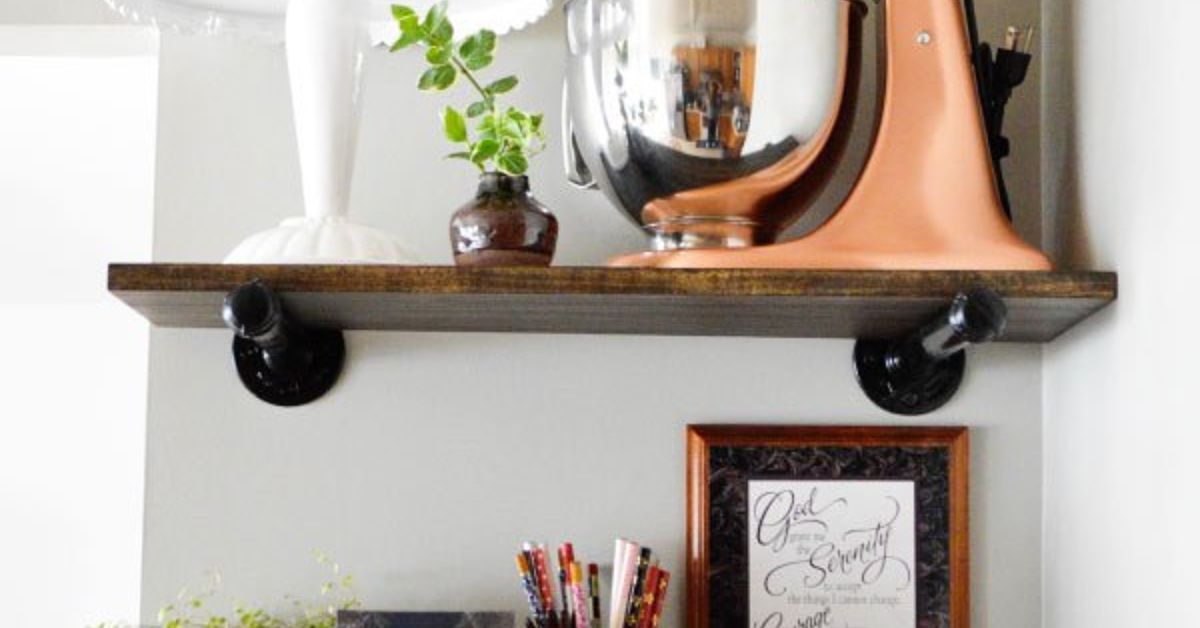
Natural elements work because they break up the boxy shapes of furniture. A round wooden bowl on a coffee table, woven basket near the sofa, stoneware vase on a shelf, or small herb pot in the kitchen can soften the room and add a sense of calm.
5. Rearrange One Small Zone
Sometimes your home does not need new decor. It needs a new point of view. Rearranging a small zone can make a room feel refreshed without buying anything. The trick is to focus on one area instead of trying to redesign your entire home in one Saturday afternoon.
Create a winter “bright spot”
Pick one corner, surface, or seating area and make it delightful. This could be a reading chair by a window, a coffee table vignette, a cheerful entryway, a bedside table, or a breakfast nook. Add a lamp, a stack of books, a small plant, a candle, and one personal object that makes you smile.
A bright spot gives your eye somewhere pleasant to land. It also gives your home a sense of intention. Even if the rest of the room is still recovering from real life, one styled corner can whisper, “We have standards,” while the laundry pile quietly disagrees.
Clear visual clutter
Winter clutter feels heavier because we spend more time indoors. Coats, boots, blankets, mail, cords, and random objects with no known origin tend to gather like a tiny domestic weather system. Clearing surfaces can make a room feel brighter almost immediately.
Use trays, baskets, hooks, and closed storage to create order. A tray on the coffee table can gather remotes, candles, and coasters. A basket near the sofa can hold throws. Hooks by the door can tame coats and scarves. The goal is not perfection. The goal is making the room feel calm enough that your brain stops sending tiny complaint emails.
6. Wake Up the Senses With Scent, Sound, and Style
A home refresh is not only visual. The most inviting homes engage multiple senses. During winter, when rooms can feel stale from closed windows and indoor heating, scent and sound can make a surprisingly big difference.
Use scent with restraint
Choose one subtle home fragrance instead of layering several competing scents. Good winter options include cedar, citrus, rosemary, vanilla, sandalwood, pine, cinnamon, or amber. Try a candle, diffuser, simmer pot, linen spray, or fresh herbs in the kitchen.
The goal is “fresh and cozy,” not “a bakery is trapped in a forest during a cinnamon emergency.” If guests can taste the candle when they walk in, it may be time to pull back.
Add sound and softness
Sound changes atmosphere. A small speaker playing jazz, acoustic music, classical playlists, or nature sounds can make a quiet winter home feel more alive. Soft materials also improve acoustics, reducing echo and making rooms feel warmer.
Finally, add one personal style moment. Frame a photo you love. Display a travel souvenir. Put a funny little object on a shelf. Hang art that makes you grin. Winter design should not be so tasteful that it forgets you live there. A home should have personality, including at least one thing that makes a guest say, “Wait, what is that?” in the best possible way.
Room-by-Room Ideas for a Quick Winter Refresh
Living Room
Add two warm lamps, swap in lighter pillow covers, fold a textured throw over the sofa, and style the coffee table with a tray, candle, and plant. If the room feels cramped, remove one unnecessary side table or decorative object to let the space breathe.
Bedroom
Layer bedding with a quilt or blanket, add a soft rug beside the bed, and use bedside lamps with warm bulbs. Change dark pillowcases to cream, sage, blush, or warm beige for a softer winter look. Keep your nightstand simple: lamp, book, water glass, and one small decorative item.
Kitchen
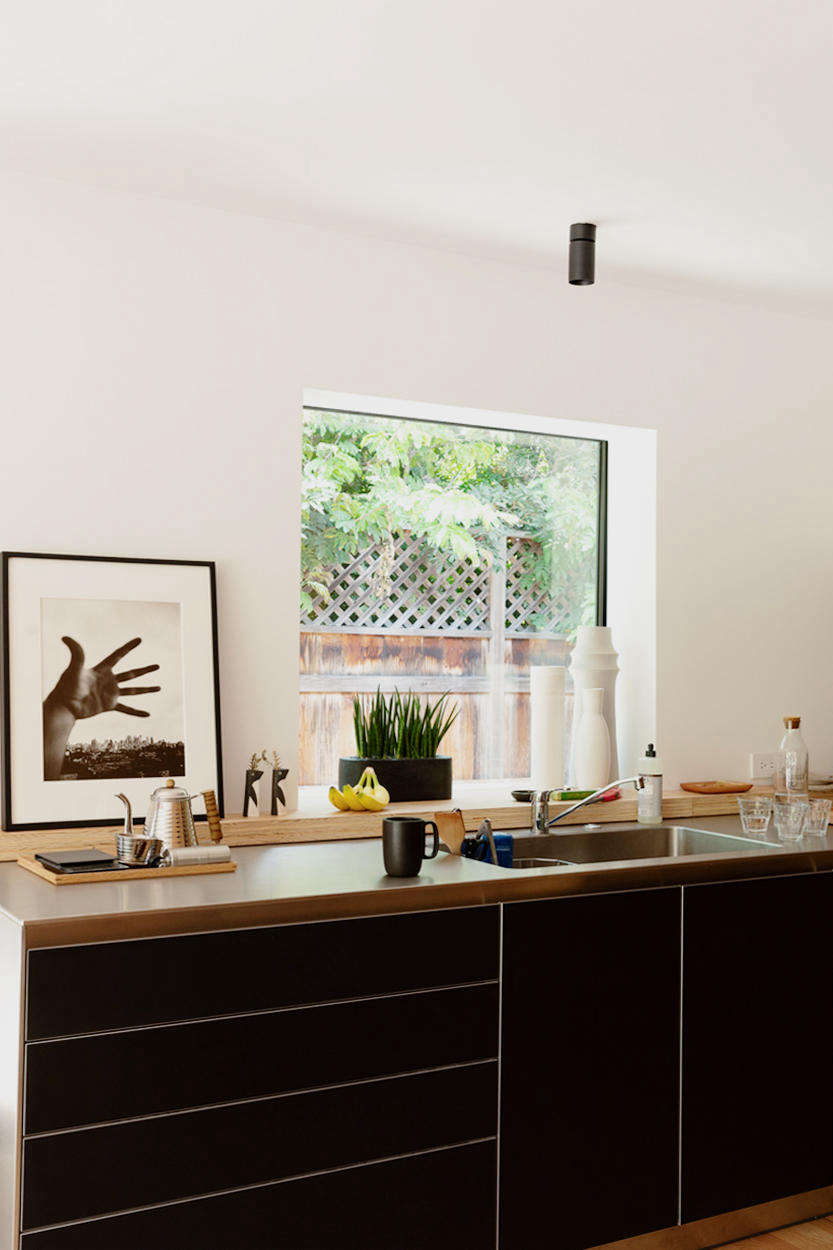
Place herbs near a sunny window, display citrus in a bowl, hang a cheerful towel, and add a small lamp if you have counter space. A lamp in the kitchen may sound odd until you try it. Suddenly, late-night tea feels charming instead of fluorescent.
Entryway
The entryway sets the mood for the whole home. Add a washable runner, hooks for winter gear, a mirror to reflect light, and a small bowl for keys. If space allows, place a tiny lamp on a console table for a warm welcome.
Common Mid-Winter Decorating Mistakes to Avoid
One common mistake is keeping holiday decor up too long without editing it. Some winter elements, like candles, greenery, white lights, and metallic accents, can stay. Anything too strongly holiday-specific may start to feel stale by midwinter.
Another mistake is adding too much stuff in the name of coziness. Cozy does not mean crowded. If every surface is covered, your home may feel visually noisy. Edit first, then add carefully.
Also, avoid making every room dark and heavy. Deep colors and rich textures are beautiful, but they need balance. Pair dark accents with warm lighting, pale textiles, reflective surfaces, or natural materials.
Finally, do not ignore how you actually live. A gorgeous stack of coffee table books is not helpful if you need that table for snacks, laptops, homework, or board games. The best winter design tricks work with your routine, not against it.
Personal Experience: What Actually Works During the Mid-Winter Slump
The most effective winter refresh I have seen is rarely dramatic. It is usually a series of tiny changes that make a home feel cared for again. One of the simplest transformations starts with light. A room that feels dull at 4 p.m. can feel completely different with two lamps instead of one overhead fixture. The first lamp creates function; the second creates mood. Add a candle or small accent light, and suddenly the room stops feeling like a waiting area and starts feeling like a place you want to stay.
Another trick that works beautifully is changing the “touch points” in a room. These are the things you physically interact with every day: the blanket on the sofa, the rug under your feet, the towel by the sink, the pillow behind your back, the mug you use for coffee. Upgrading or rotating these pieces can make winter feel less repetitive. A soft throw on a reading chair can make you use that chair more often. A thick bath mat can make cold mornings slightly less rude. Fresh kitchen towels can make the whole kitchen feel cleaner, even if the junk drawer remains a lawless territory.
Plants also have a real emotional effect. Even one healthy plant near a window can change the feeling of a room. It adds shape, color, and a sense that something is growing, which is especially welcome when the outside world looks like it has given up and gone beige. If live plants are not practical, a vase of branches or dried stems can still give the room an organic lift. The point is to break up winter’s visual heaviness with something that feels natural and alive.
The coffee table refresh is another small move with big results. Clear everything off first. Then add back only three to five items: a tray, a candle, a small plant or vase, a book, and maybe one personal object. This creates order without making the table look staged for a furniture catalog where no one owns a remote control. The best vignettes leave room for real life.
Color is where many people hesitate, but winter is actually a great time to experiment. You do not have to commit to a bold wall color. Try one rust-colored pillow, a golden throw, a green vase, or a piece of art with warm tones. These accents can wake up neutral rooms and make them feel more layered. If you dislike the color later, you can move it, store it, or pretend it was part of your “seasonal design research.”
The biggest lesson is that a home does not need to be perfect to feel better. It needs small signs of attention. A brighter corner, a softer blanket, a cleaner entryway, a warmer lamp, a little greenery, and a scent you love can shift the entire mood. During the mid-winter slump, good design is not about impressing anyone. It is about making your home say, “Come in, warm up, breathe out, and please ignore the basket of unmatched socks.”
Conclusion
Perking up your home during the mid-winter slump does not require a full makeover. The easiest design tricks are simple, flexible, and surprisingly powerful: layer warm lighting, add uplifting color, bring in cozy texture, use plants and natural elements, rearrange one small zone, and engage the senses with scent and sound.
Start with the room where you spend the most time. Add one lamp, clear one surface, bring in one natural element, and change one texture. Small updates build momentum. Before long, your home will feel brighter, warmer, and more alivewithout a renovation, a giant budget, or a single argument with a flat-pack dresser.
Note: This article is based on widely used interior design principles and current U.S. home-decor guidance, rewritten as original publishing-ready content without source links or citation placeholders.