
Note: Fire hydrant rules vary by city, county, fire district, water utility, HOA, and property type. Use this guide as a practical homeowner overview, then confirm details with your local fire marshal, public works department, or water provider before making changes near a hydrant.
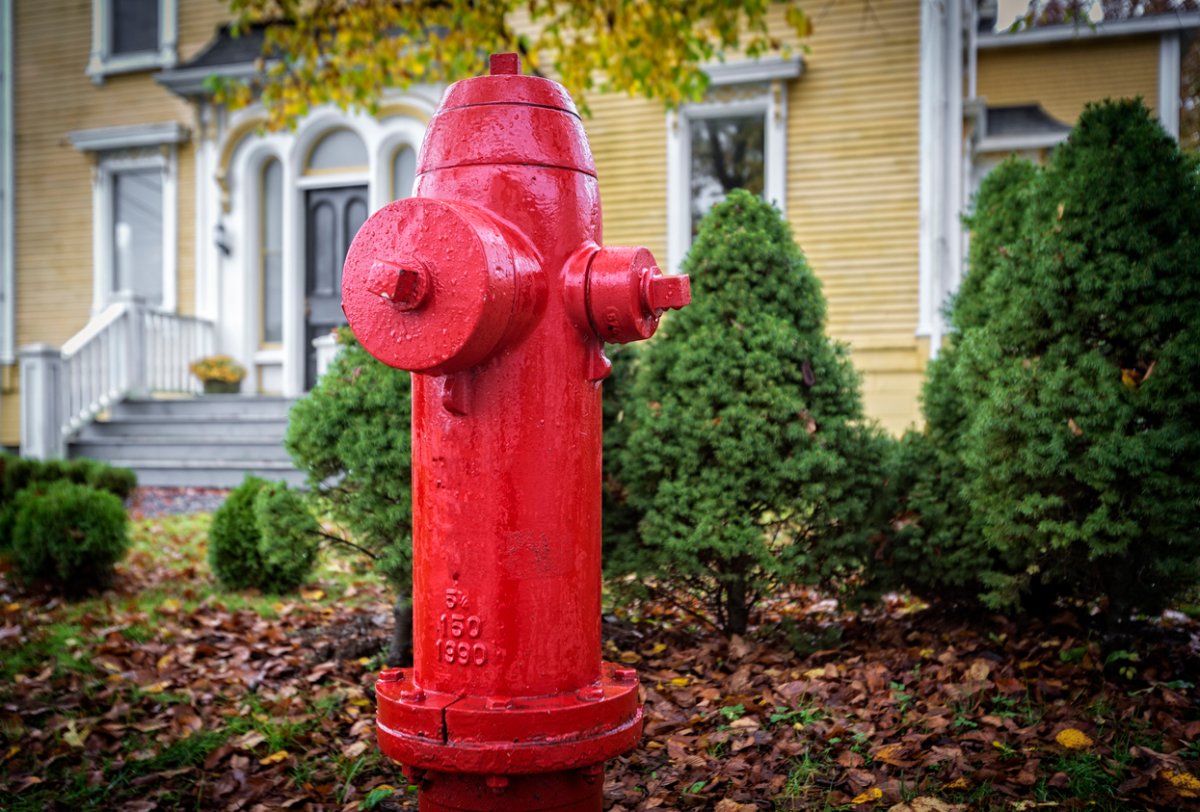
A fire hydrant on your property can feel like a mysterious little cast-iron guest who moved in before you did, pays no rent, and somehow has more legal protection than your mailbox. One day you are mowing the lawn, the next you are wondering: Can I landscape around this thing? Can my cousin park next to it? Who fixes it if it leaks? And why does it look like it has been painted by a committee of very serious toddlers?
The good news: having a fire hydrant on your property is usually not a disaster. In fact, it can be a safety advantage for your home and neighborhood. The less glamorous news: hydrants come with responsibilities. You may need to keep the area clear, avoid blocking access, respect utility easements, and, in some cases, maintain or inspect a privately owned hydrant.
This guide explains the six most important things homeowners, landlords, property managers, and buyers should know about a fire hydrant on private property. We will cover ownership, clearance rules, parking restrictions, maintenance, landscaping, inspections, and real-life lessons from the land of “I thought that shrub was fine.” Spoiler: the shrub was not fine.
1. First, Find Out Whether the Hydrant Is Public or Private
The first question is not “Can I paint it to match my shutters?” It is: Who owns the hydrant?
In many residential neighborhoods, hydrants are located in the public right-of-way, a utility easement, or a strip near the street. Even if the hydrant appears to be “on your lawn,” it may actually belong to the city, county, water district, or another public utility. This is common when the grassy area between the sidewalk and curb looks like part of your yard but is legally controlled for public infrastructure.
On the other hand, some hydrants are truly private. Private fire hydrants are more common on commercial properties, apartment complexes, industrial sites, schools, large residential developments, gated communities, and long private drives where a public hydrant is too far away for fire department access. In those cases, the property owner or property association may be responsible for inspection, testing, repair, and documentation.
How to Check Ownership
Start with your local water utility or fire marshal’s office. You can also review your property survey, deed, subdivision documents, HOA rules, or title report. Look for words such as “utility easement,” “fire line,” “private hydrant,” “water main,” “fire protection system,” or “access easement.” If you recently bought the property, your closing documents may already contain the answer, although it might be hiding in tiny legal print like a shy raccoon.
Why does ownership matter? Because it determines who can operate the hydrant, who maintains it, who pays for repairs, and who gets in trouble if it is blocked, hidden, damaged, or out of service. Public hydrants are typically maintained by a public agency or water provider. Private hydrants are often the owner’s responsibility and may require annual inspection, flow testing, color coding, records, and repairs by qualified professionals.
2. You Must Keep the Hydrant Visible and Accessible
If there is one golden rule, it is this: firefighters need to find and use the hydrant fast. A hydrant buried behind ornamental grass, snow piles, a fence, a trash can army, or the world’s most ambitious rose bush is not helpful during an emergency.
Many fire departments and local codes require at least 3 feet of clear space around the hydrant. Some jurisdictions also require a clear path from the hydrant to the street or fire lane, plus vertical clearance above it. Exact measurements may vary, but the principle is the same everywhere: a hydrant should be obvious, reachable, and usable from multiple directions.
What Counts as an Obstruction?
Obstructions can include shrubs, trees, tall grass, weeds, fences, retaining walls, parked vehicles, storage bins, construction materials, snowbanks, mulch piled too high, decorative boulders, mailboxes, signs, and seasonal decorations. Yes, even that inflatable snowman who “only blocks it a little.” Fire crews do not have time to negotiate with Frosty during a structure fire.
Keeping a hydrant clear is not just about following a rule. Firefighters connect heavy hoses, open caps, use hydrant wrenches, and may work in darkness, smoke, ice, heat, or chaos. A few extra seconds can matter. Clear space gives them room to work safely and protects your home, your neighbors, and the people responding to the call.
Simple Clearance Checklist
Walk around the hydrant every season and ask:
- Can you clearly see the hydrant from the road?
- Is there at least 3 feet of open space around it?
- Can a firefighter reach the large front outlet without stepping through bushes or over decorations?
- Is snow, ice, mud, mulch, or landscaping covering any part of it?
- Would a fire hose have a clear route to the street or driveway?
If the answer is “mostly,” treat that as “not yet.” Hydrants are one of those rare household topics where “close enough” is not charming.
3. Parking Near a Fire Hydrant Can Get Expensive Quickly
Across much of the United States, drivers are prohibited from parking within 15 feet of a fire hydrant. The exact distance and enforcement rules vary by state and municipality, but 15 feet is one of the most common standards. Importantly, the curb does not always need to be painted red for the rule to apply.
This matters even if the hydrant is in front of your house. Your guests, delivery drivers, contractors, and that one uncle who believes “I’ll only be two minutes” is a legal defense may still get ticketed or towed. In an emergency, firefighters may also need immediate access. If a vehicle blocks a hydrant during a fire, crews may do whatever is necessary to reach it. Nobody wants their car remembered as “the sedan that learned about hoses the hard way.”
What Homeowners Should Do
If a hydrant is near your driveway or curb, make parking expectations obvious to visitors. Tell contractors before they arrive. Ask party guests to park farther away. If you manage a rental, include hydrant parking rules in your move-in information. If the hydrant sits beside a private road, fire lane, or apartment complex drive, verify whether additional local fire lane rules apply.
Also, avoid placing basketball hoops, planters, trailers, dumpsters, portable storage containers, or work trucks near the hydrant. A hydrant needs more than a polite little bubble. It needs enough space for people, tools, hoses, and emergency movement.
4. Do Not Paint, Decorate, Move, Open, or “Improve” It Yourself
Homeowners love a good weekend project. Fire hydrants do not.
A hydrant’s color, caps, markings, reflective bands, and location can communicate important information to firefighters and water departments. Color coding may indicate flow capacity, ownership, water system type, or local utility standards. Even when the paint looks faded, peeling, or less stylish than a 1980s motel bathroom, do not repaint it without approval.
Likewise, do not open a hydrant, remove caps, attach hoses, install decorations, cover it with a fake wishing well, or relocate it. Operating a hydrant can affect water pressure, damage equipment, create flooding, contaminate the water system, or interfere with fire protection. Many cities require permits for hydrant use, even for contractors filling water trucks or flushing lines.
What If the Hydrant Is Damaged?
If you see a damaged, leaking, missing, tilted, buried, or suspiciously tampered-with hydrant, report it to the proper authority. For public hydrants, contact the water utility, public works department, or non-emergency fire department number. For private hydrants, notify the property owner, property manager, HOA, fire protection contractor, or fire marshal.
If water is gushing, a vehicle hit the hydrant, or there is an immediate hazard, call emergency services or your local emergency utility number. Do not attempt heroic plumbing. This is not the time to become Captain Wrench.
5. Private Hydrants Usually Require Inspection, Testing, and Records
If the hydrant is private, the responsibility level can be much higher. A private hydrant may be part of a larger fire protection system connected to a private fire service main. Local fire codes often require private hydrants to be inspected, tested, maintained, and repaired at regular intervals. In many places, annual inspection is expected, and records must be kept available for the fire code official.
Inspection may include checking visibility, clearance, caps, threads, valves, leaks, drainage, paint condition, outlet accessibility, operating condition, and flow performance. Testing may need to be performed by a licensed plumber, fire protection contractor, approved inspector, or contractor registered with the local authority. Requirements vary, so do not assume your neighbor’s routine applies to your property.
Why Testing Matters
A hydrant can look fine while quietly failing at its one job. Internal valves may stick. Caps may seize. Drainage may fail. Flow may be lower than expected. Underground piping can deteriorate. If the hydrant is inoperative during a fire, the building’s fire protection plan may fall apart faster than a cheap lawn chair.
For commercial property owners, private hydrant neglect may also affect code compliance, insurance expectations, occupancy approvals, and liability after an incident. For HOAs and apartment communities, poor hydrant maintenance can become a shared risk. The hydrant is not lawn decor; it is emergency infrastructure wearing a hat.
Keep a Hydrant File
If you are responsible for a private hydrant, create a simple digital and paper file that includes:
- Hydrant location map or site plan
- Ownership and easement documents
- Inspection and maintenance reports
- Flow test records
- Repair invoices
- Contractor contact information
- Fire marshal correspondence
- Dates when the hydrant was out of service and restored
That file may seem boring today. During a sale, inspection, insurance review, code visit, or emergency repair, it becomes suddenly glamorous.
6. Landscaping, Fences, Additions, and Driveways Need Extra Caution
A fire hydrant can limit what you do in a specific part of your property. Before planting a hedge, building a fence, widening a driveway, installing a retaining wall, adding a gate, placing a shed, or changing grades near the hydrant, check local requirements. You may be dealing with a utility easement or fire access area where permanent structures are restricted.
Hydrants are commonly connected to underground water mains or fire lines. Digging near them without proper utility locating is risky. Before any excavation, follow local requirements and contact the utility location service, commonly known as 811, so buried lines can be marked. Even a small landscaping project can become a very expensive fountain if you strike the wrong line.
Hydrant-Friendly Landscaping Ideas
You can still make the area look tidy. Choose low-growing grass, ground cover, or small plants that do not block visibility or access. Keep mulch shallow around the base. Avoid thorny plants, dense shrubs, vines, tall ornamental grasses, rocks, raised beds, fencing, or anything that forces firefighters to perform emergency gardening.
For curb appeal, think “clean and open,” not “secret garden.” A visible hydrant may not win a landscaping magazine cover, but it may help save a house. That is a pretty solid design feature.
What a Fire Hydrant Means When Buying or Selling a Home
If you are buying a property with a hydrant, ask questions before closing. Is it public or private? Is there an easement? Who maintains it? Are there inspection records? Are there open code violations? Has the hydrant affected driveway placement, fencing, or landscaping? Your home inspector may notice the hydrant, but they may not determine ownership or code obligations unless specifically asked.
If you are selling, do not hide the issue behind a shrub and hope nobody notices the bright metal object in the yard. Provide any documents you have. A hydrant is not necessarily a problem, but uncertainty can make buyers nervous. Clear answers make the sale smoother.
For rental properties, include basic hydrant rules in tenant instructions: do not block it, do not decorate it, do not park near it, and report leaks or damage. Tenants may not know that the “cute red thing by the curb” is protected emergency equipment, not a convenient bicycle rack.
Common Mistakes Homeowners Make Around Fire Hydrants
Mistake 1: Assuming the Lawn Means Ownership
Many homeowners assume everything in the grass is theirs to control. Utility easements and public rights-of-way can say otherwise. A hydrant may sit in an area you mow but do not fully control.
Mistake 2: Letting Plants Slowly Swallow It
No one plants a tiny shrub expecting it to become a hydrant-eating monster. Yet three summers later, firefighters need a machete. Trim early and often.
Mistake 3: Ignoring Snow
In snowy areas, hydrants can disappear under plow piles. Clear around the hydrant after storms. A few minutes with a shovel can save precious emergency time.
Mistake 4: Treating Private Hydrants Like Public Ones
If it is private, the city may not be coming to inspect, paint, test, or repair it. Confirm responsibility instead of discovering it during a code inspection.
Mistake 5: Forgetting About Contractors
Landscapers, roofers, movers, and delivery drivers may block hydrants without thinking. Give them clear instructions before they park or unload.
Real-Life Experiences: What Property Owners Learn the Hard Way
One homeowner bought a corner-lot house with a hydrant near the sidewalk. At first, it seemed harmless. Then spring arrived, and so did the urge to landscape. The homeowner planted ornamental grasses around the hydrant because they looked soft, modern, and “not too tall.” By late summer, the hydrant looked like it was wearing a camouflage suit. A friendly reminder from the local fire department led to a weekend of trimming, relocating plants, and learning that “cute” and “code-compliant” are not always roommates.
Another property owner in a snowy climate discovered the importance of winter access after a plow buried the hydrant under a heavy ridge of packed snow. The hydrant was technically still there, but only archaeologists and very determined dogs could have found it. After that, the owner made hydrant clearing part of the storm routine: driveway first, walkway second, hydrant third. It added a few minutes, but it also made the whole block safer.
A landlord learned a different lesson when tenants repeatedly parked too close to the hydrant in front of a duplex. The curb was not painted, so they assumed parking was fine. It was not fine. After a couple of tickets and some tense text messages, the landlord added a simple note to the lease packet and placed a polite reminder in the move-in checklist. The problem disappeared faster than free pizza at a school meeting.
A small business owner with a private hydrant had an even bigger surprise. During a routine fire inspection, the inspector asked for maintenance and flow test records. The owner had none. The hydrant had been on the property for years, looking official and sturdy, but no one had confirmed whether it worked properly. The owner had to hire an approved contractor, complete testing, repair minor issues, and create a recordkeeping system. The experience was annoying, but it was far better than finding out during a fire that the hydrant was just an expensive metal lawn ornament.
Then there is the classic fence story. A homeowner installed a beautiful privacy fence and accidentally made hydrant access awkward. The fence did not touch the hydrant, but it narrowed the working area and complicated the path from the hydrant to the street. The fix required moving part of the fence, which cost more than checking the rules beforehand would have. The lesson: before building anything near a hydrant, ask first, build second, celebrate third.
These experiences all point to the same truth: fire hydrants are easy to ignore until they are not. Most problems come from ordinary choices: planting, parking, shoveling, fencing, or assuming someone else handles maintenance. The best approach is simple. Identify ownership, keep the hydrant clear, respect parking distances, avoid unauthorized changes, maintain private systems, and ask local officials before altering the area. Do that, and the hydrant becomes what it should be: a quiet safety feature, not a surprise bill with bolts.
Conclusion: A Fire Hydrant Is a Responsibility, Not a Problem
Having a fire hydrant on your property does not mean your yard is doomed or your curb appeal must retire early. It simply means you share space with important emergency infrastructure. Your job is to keep it visible, accessible, undamaged, and properly maintained if it is private.
The six essentials are straightforward: confirm ownership, maintain clearance, follow parking rules, avoid unauthorized changes, inspect private hydrants, and plan landscaping or construction carefully. Think of the hydrant as the neighborhood’s quiet bodyguard. It may not be pretty, it may interrupt your perfect lawn symmetry, and it definitely will not help with mowing. But when it is needed, it matters.
So give it room. Keep it clear. Do not paint it like a garden gnome. And when in doubt, call your local fire department or water utility before making changes. That small step can prevent fines, delays, repair costs, safety hazards, and awkward conversations that begin with, “So, about the hydrant…”
SEO Tags