
You find a promising job posting, polish your resume until every bullet point practically wears a tinyis several weeks old. Is the job still open, or are you about to send your application into the digital equivalent of an abandoned warehouse?
Asking whether a position is still available is perfectly reasonable. The key is to sound interested rather than impatient, confident rather than entitled, and human rather than like a robot programmed to demand an immediate status update.
A thoughtful inquiry can confirm whether applications are still being accepted, introduce you to the hiring team, and provide useful information about the recruiting timeline. Here are six professional ways to ask if a job is still open, complete with practical scripts and real-world examples.
Before You Ask, Verify the Job Posting
Begin with the employer’s official careers page. A third-party job board may continue displaying an opening after the company has removed it, paused hiring, or received enough applications. Search for the exact job title and check the location, department, posting date, application deadline, and requisition number.
Next, review the original advertisement for communication instructions. If it says “no phone calls,” “only selected candidates will be contacted,” or provides a specific decision timeline, respect those directions. Government employers and large organizations may also provide application updates through an online portal rather than by email.
Research basis: Employer career pages and application portals are generally the best places to verify whether a listing remains active. r These Details First
- The exact job title and company name
- The job or requisition number
- The date you applied or found the opening
- The recruiter or hiring manager’s name
- One relevant qualification
- A clear question about availability
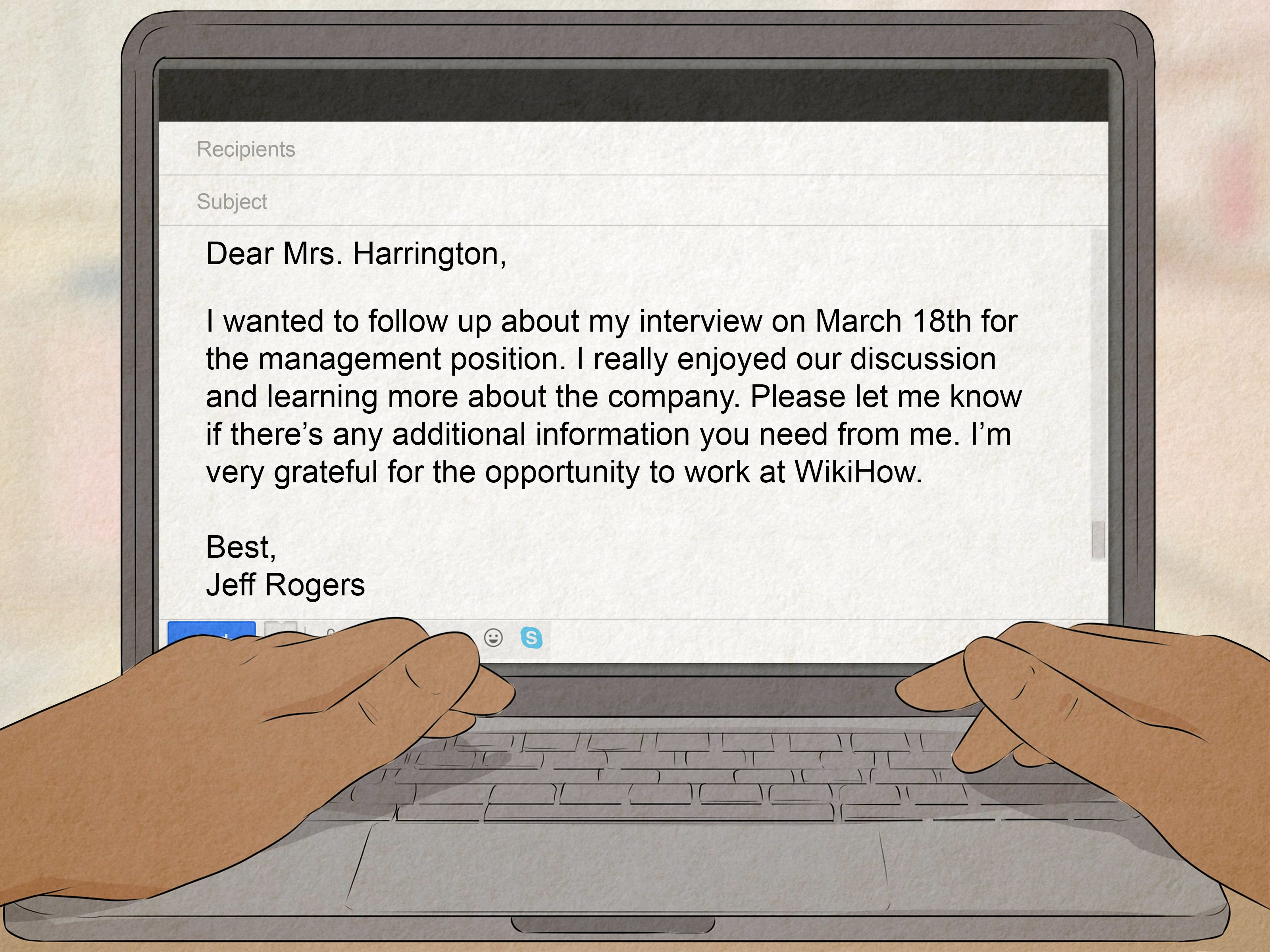
1. Email the Recruiter or Hiring Manager
Email is usually the safest method because it gives the recipient time to respond and allows you to provide enough context without interrupting the workday.
Use a direct subject line such as Question About the Marketing Coordinator Opening. Identify the role, mention where you found it, briefly explain your qualifications, and ask whether the company is still accepting applications. Five or six sentences are usually enough.
Email Example Before Applying
Subject: Customer Success Manager Opening
Hello Ms. Rivera,
I recently found the Customer Success Manager opening at Northstar Software and noticed that it was posted several weeks ago. I am very interested in the opportunity because my background includes four years of SaaS account management and customer onboarding. Is the position still open and accepting applications? If so, I would be glad to submit my materials through your careers page.
Thank you for your time,
Jordan Lee
This message is specific and easy to answer. The recruiter can respond with a quick yes, no, or timeline update without first reading your complete professional autobiography.
2. Reply to Your Application Confirmation
If you already applied, reply to the confirmation email or an existing recruiter thread. The subject line, position, and application history will already be attached, making it easier for the recipient to identify your application.
When the employer has not provided another timeline, waiting approximately one to two weeks after applying is a widely recommended approach. If the posting has a closing date, allow the hiring team time to review submissions after that date.
Research basis: Major career resources commonly recommend waiting roughly one to two weeks before following up unless the employer provides a different timeline. w-Up Example After Applying
Hello Mr. Patel,
I am following up on my application for the Operations Specialist position, submitted on June 8. I remain very interested in the opportunity and wanted to ask whether the role is still active or whether the hiring timeline has changed. I would be happy to provide any additional information that may be helpful.
Best,
Alex Morgan
Avoid opening with “I have not heard from you.” Although accurate, it can sound accusatory. Lead with the position and your continued interest instead.
3. Send a Short LinkedIn Message
LinkedIn can be useful when the posting identifies a recruiter, you have a mutual connection, or you cannot locate a professional email address. Before contacting anyone, make sure your profile includes a current headline, relevant experience, and accurate contact information.
Keep your message brief. Do not immediately attach a resume unless the recruiter requests it or the listing invites direct outreach. Your initial goal is to confirm whether the opening remains active.
LinkedIn Message Example
Hello Dana, I saw that you recruit for BrightWorks and wanted to ask about the Senior Graphic Designer role. The position still appears on a job board, but I could not find it on the company careers page. Is the team still accepting applications? My consumer brand design experience appears closely aligned with the role. Thank you for any guidance.
Personalization matters. “Hi, are you hiring?” may be admirably efficient, but it forces the recipient to figure out which of the company’s many jobs you mean.
Research basis: Professional networking guidance emphasizes concise, personalized outreach that identifies the company, role, and reason for contacting the person. ke a Polite Phone Call
A phone call may work well for small businesses, staffing agencies, retail stores, hospitality employers, clinics, and local offices. It is less appropriate when the advertisement prohibits calls or the organization uses a centralized application system.
Call during normal business hours, avoid obvious rush periods, and prepare a short introduction. Always ask whether it is a convenient time to speak.
Phone Script
“Hello, my name is Taylor Brooks. I am calling about the assistant property manager position posted on your website. Is now a convenient time for a quick question? I wanted to confirm whether the position is still open and whether applications should be submitted online or sent directly to the office manager.”
If the receptionist does not know the answer, politely ask who handles recruitment for the position. Do not pressure the employee to reveal confidential information or make a hiring decision. Your goal is to identify the correct process, not conduct a surprise interview with the front desk.
Research basis: Follow-up calls should be brief, prepared, and avoided when an employer specifically asks candidates not to call. k an Employee or Mutual Connection
An employee, alumni contact, former colleague, or mutual connection may know whether the team is actively reviewing candidates. This approach is most effective when you already have a genuine professional relationship with the person.
Ask for information before requesting a referral. Give your contact an easy way to decline, and never imply that an introduction or recommendation is expected.
Networking Message Example
Hi Maya, I hope you are doing well. I noticed an opening for a Financial Analyst at Redwood Health and remembered that you work there. Do you happen to know whether the team is still hiring for that position? My forecasting and healthcare finance experience seems relevant, so I am considering applying. No worries if you are not familiar with the searchI would appreciate any insight you can share.
If the contact confirms that the role is open, ask whether the official application portal is the best next step. Request a referral only when the person knows enough about your work to recommend you honestly.
6. Mention a Genuine Deadline or Competing Offer
You may need a faster answer when you have received another offer, reached a decision deadline, or completed several interviews without an update. In this situation, be transparent without manufacturing urgency.
State the actual deadline, reaffirm your interest, and ask whether the employer can share its expected timeline. Do not treat another opportunity as a threat. “Hire me by Friday or face the consequences” belongs in a movie trailer, not a recruiting email.
Competing Offer Example
Hello Ms. Chen,
Thank you again for speaking with me about the Product Marketing Manager position. I remain very interested in the role and the opportunity to support the upcoming platform launch. I have received another offer with a response deadline of Friday, July 17. Could you let me know whether your position is still active and whether the team expects to make a decision before then? I understand if your process cannot be accelerated, but I wanted to be transparent about my timing.
Sincerely,
Casey Wilson
Never invent a competing offer. A false deadline may damage your credibility and create a situation you cannot manage.
Research basis: Candidates with genuine offer deadlines can communicate them transparently while acknowledging that the employer may not be able to accelerate its process. ssional Ways to Phrase the Question
The best wording is direct, neutral, and easy to answer. Try one of the following:
- “Is the position still open and accepting applications?”
- “Could you confirm whether the team is still hiring for this role?”
- “Is the search still active, or has the position been filled?”
- “Has the hiring timeline changed since the role was posted?”
- “Are candidates still being considered for this opening?”
- “Would it still be useful for me to submit an application?”
Avoid asking why the company has failed to remove an old advertisement. The person reading your message may not control the website. Ask for the information you need without assigning blame.
What Every Job Inquiry Should Include
The Exact Position
Use the official job title, location, and requisition number. Large employers may have several openings with nearly identical names, so “the manager job” is not enough context.
A Brief Value Statement
Mention one qualification that makes you relevant, such as industry experience, specialized training, technical skills, or a measurable achievement. This creates a miniature introduction without turning the inquiry into a second cover letter.
One Clear Request
Ask whether the job is open, whether applications are still being accepted, or when the employer expects to make a decision. Several unrelated questions make your message more difficult to answer.
Mistakes to Avoid
- Following up immediately: Give the hiring team time to receive and review applications.
- Ignoring instructions: Do not call when the advertisement says no calls.
- Sending a generic message: Name the employer and exact position.
- Writing several paragraphs: Keep your inquiry concise and focused.
- Contacting multiple employees at once: Choose the most relevant person.
- Following up every day: Repeated messages can become intrusive.
- Demanding an explanation: Request information without sounding entitled.
- Pausing your job search: Continue pursuing other roles until you accept a written offer.
A Reasonable Follow-Up Schedule
- Confirm that your application was submitted successfully.
- Wait approximately one to two weeks unless another timeline was provided.
- Send one concise message to the most relevant contact.
- If necessary, send one final follow-up after another week or two.
- Continue applying elsewhere while remaining open to a later response.
After an interview, send a thank-you email within approximately 24 hours. Wait until the employer’s promised decision date before requesting an update. When no date was given, a polite check-in after roughly one week is generally reasonable.
Research basis: Career guidance generally supports a prompt interview thank-you followed by a measured status inquiry after the employer’s stated timeline has passed. ience-Based Lessons From Real-World Job Searches
The first practical lesson is that silence rarely provides enough information to interpret confidently. One candidate may assume a three-week-old posting is dead, only to discover that the hiring manager was traveling and interviews have not begun. Another may see the job reposted and assume every previous applicant was rejected when the employer is simply refreshing the advertisement or hiring several people.
The useful response is not to become an amateur detective with a corkboard and red string. Ask one concise question, record the answer, and continue searching.
Consider a candidate who discovers an ideal communications position 25 days after its original posting date. Instead of abandoning the opportunity, she emails the recruiter before applying. She mentions six years of nonprofit communications experience and asks whether applications are still being reviewed.
The recruiter responds that interviews have started, but qualified candidates can still apply until Friday. That short exchange gives the candidate a real deadline, a named contact, and permission to proceed. Even if an interview does not follow, the inquiry prevents unnecessary hesitation.
Another common experience begins with an automated confirmation email. A candidate applies for a business analyst role and hears nothing for ten days. She replies to the confirmation with the job number, submission date, and one sentence about her process-improvement experience.
The recruiter confirms that the position remains active but has been delayed by budget approval. The answer is not an interview, but it replaces anxious guessing with useful information. More importantly, the candidate continues applying elsewhere instead of mentally selecting a desk and planning what to bring to the company potluck.
Networking can provide different information. An employee may explain that the job is technically open, but the hiring team has already selected finalists. That knowledge can save time, yet the conversation may also reveal a similar opening in another department.
This is why a networking message should focus on learning before requesting a referral. People are often comfortable sharing general context, but recommending someone requires greater confidence in that person’s abilities and professionalism.
Phone calls also demonstrate why the communication channel matters. A courteous call to a local clinic, restaurant group, property office, or construction business may quickly confirm that hiring is underway. At a large corporation, the same call may reach a customer service department with no access to recruitment records.
Successful applicants adapt their approach to the employer instead of assuming one method works everywhere. They use the official portal for a federal agency, email a named recruiter at a technology company, call a local store when calls are welcomed, and contact a professional connection only when the relationship is genuine.
Finally, asking whether a job is still open can be worthwhile even when the answer is no. A courteous response may reveal that the position was filled, canceled, reorganized, or placed on hold. Thank the person for the update and, when appropriate, express interest in future opportunities.
The purpose of professional follow-up is not to force an employer to produce the outcome you want. It is to communicate clearly, protect your time, reduce uncertainty, and leave the professional door in better condition than you found it.
Conclusion
The best way to ask if a job is still open is to make your question easy to answer. Verify the advertisement, select the right contact, identify the exact position, briefly explain your relevance, and ask whether applications are still being accepted.
Email is usually the strongest default, but LinkedIn, phone calls, networking contacts, existing recruiter threads, and transparent deadline messages can all work in the right circumstances. Be professionally persistent, not relentlessly present. One thoughtful message may demonstrate initiative. Seven messages in four days may only demonstrate that you have discovered the send button.
Note: Adapt each sample to the employer’s instructions, the communication channel provided, and your actual qualifications. Never claim experience, deadlines, referrals, or competing offers that do not exist.