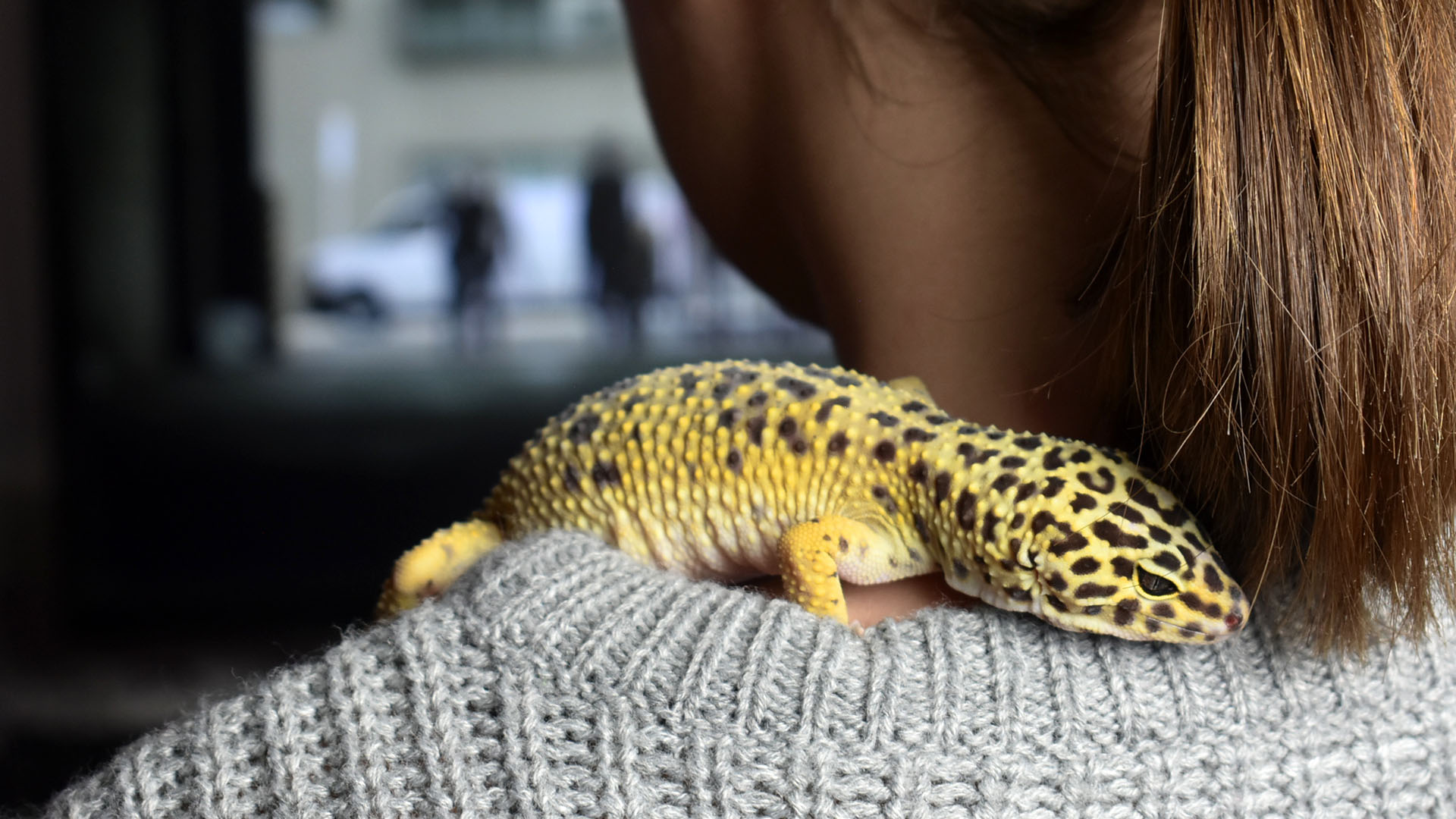

Leopard geckos may not fetch tennis balls, roll over, or applaud your jokes, but they are far from boring. These spotted little reptiles have curious habits, surprisingly expressive body language, and a quiet charm that makes spending time with them feel like owning a tiny dinosaur with better manners. The key is understanding what “fun” means for a leopard gecko. Spoiler alert: it is not a costume party, a bubble bath, or a trip to the dog park.
For a leopard gecko, fun usually means safe exploration, gentle interaction, hunting opportunities, cozy hiding spots, predictable routines, and an environment that lets them behave naturally. When you build playtime around their instincts instead of forcing them into human-style entertainment, your gecko becomes more confident, active, and comfortable around you.
This guide explains how to have fun with your leopard gecko in 14 practical steps, while keeping safety, enrichment, handling, diet, and hygiene in mind. Think of it as a friendship manual for a pet that blinks slowly, walks like it is wearing tiny socks, and stores snacks in its tail.
Understanding Leopard Gecko Fun Before You Start
Leopard geckos are crepuscular, which means they are often most active around dusk and dawn. They are ground-dwelling insectivores that rely on hiding, warmth, scent, texture, and movement. They do not need constant handling to feel loved. In fact, too much handling can stress them. The best fun activities are short, calm, and optional. Your gecko should always be able to retreat, hide, or say “no thanks” in the only language it knows: walking away dramatically.
Before trying any activity, make sure the enclosure is already correct. A healthy leopard gecko needs a warm side, a cool side, a humid hide, clean water, safe substrate, proper supplements, and regular feeding. If the basics are wrong, playtime becomes stress instead of enrichment. Fun begins with good husbandry.
How to Have Fun With Your Leopard Gecko: 14 Steps
1. Build Trust Before You Try to Play
The first step is not picking up your leopard gecko. It is becoming a predictable, non-scary part of its world. Spend a few minutes near the enclosure each evening. Talk softly, move slowly, and avoid tapping the glass like you are trying to wake up a vending machine. Let your gecko learn your voice, scent, and routine.
After several days, place your clean hand inside the enclosure and leave it still. Do not chase your gecko. Let it approach, sniff, lick, or ignore you completely. Ignoring you is still progress. Reptiles are not rude; they are just cautious little survival experts.
2. Use Gentle, Low-Stress Handling
Once your gecko is comfortable with your hand, try short handling sessions. Scoop from underneath rather than grabbing from above. Support the whole body, keep your hands low over a soft surface, and never hold the tail. Leopard geckos can drop their tails when frightened or injured, and although the tail can regrow, losing it is stressful and removes an important fat reserve.
Start with one to three minutes, then gradually increase time if your gecko remains calm. Signs of stress include fast breathing, frantic running, tail waving, squeaking, biting, or repeated attempts to escape. If that happens, calmly return your gecko to its enclosure. A successful session is not a long one; it is one that ends before your gecko files a complaint.
3. Create a Safe Exploration Zone
A supervised exploration area can be one of the most enjoyable ways to interact with your leopard gecko. Use a clean, escape-proof space such as a dry bathtub lined with a towel, a playpen-style enclosure, or a blocked-off section of the floor. Remove cords, houseplants, shoes, small objects, other pets, and anything your gecko could crawl under and turn into a six-hour rescue mission.
Add a few hides, cardboard tubes, smooth rocks, cork bark, and paper towel tunnels. Keep sessions short, usually 10 to 15 minutes. Make sure the room is warm enough and never let your gecko roam unattended. Leopard geckos are small, silent, and surprisingly talented at finding the one gap you forgot existed.
4. Offer Hunting Enrichment During Feeding
Leopard geckos naturally enjoy hunting moving prey. Instead of dropping a pile of insects into the enclosure, offer one or two appropriately sized insects at a time. Let your gecko stalk, aim, and pounce. This gives exercise and mental stimulation. Crickets, dubia roaches, mealworms, black soldier fly larvae, and other feeder insects can all be part of a varied diet.
Use gut-loaded insects and dust them with the right calcium or multivitamin supplement according to your reptile veterinarian’s guidance. Remove uneaten insects after feeding because live feeders can bite or stress your gecko. Hunting should feel like enrichment, not like your gecko accidentally moved into a cricket apartment complex.
5. Try Tong Feeding for Bonding
Tong feeding can help your leopard gecko associate you with positive experiences. Use soft-tipped feeding tongs and offer insects gently in front of your gecko. Do not jab, chase, or wave the bug like a tiny flag. Hold it still or move it slightly to trigger your gecko’s hunting response.
Some geckos become excellent tong feeders. Others prefer hunting from a bowl or chasing insects naturally. Both are fine. The goal is not to turn dinner into a talent show. The goal is safe, stimulating feeding that builds confidence.
6. Rotate Hides and Decor
Environmental enrichment can be as simple as changing the layout of the enclosure. Leopard geckos benefit from choices: warm hides, cool hides, humid hides, textured surfaces, and visual barriers. Every few weeks, rotate a piece of decor or add a new safe item such as cork bark, a low climbing branch, a ceramic cave, or a smooth slate tile.
Avoid changing everything at once. Your gecko needs novelty, but it also needs security. Imagine waking up and discovering someone moved your bed, fridge, bathroom, and favorite chair. That is not enrichment; that is a sitcom crisis.
7. Add a Digging Box
Some leopard geckos enjoy digging, especially females and curious adults. You can provide a small digging box with a safe, slightly moist substrate recommended by an exotic-animal veterinarian or experienced reptile-care source. Keep it clean and monitor your gecko to make sure it is not eating the material.
For beginners, paper towels, tile, or other solid substrates are often easier and safer to manage. Loose substrate can create risks if the setup is poor, the gecko is unhealthy, or the animal ingests too much. When in doubt, keep the main enclosure simple and offer digging as a supervised enrichment option.
8. Make a Gecko Obstacle Course
A leopard gecko obstacle course does not need flashing lights or a trophy ceremony. Use cardboard tubes, low bridges, cork flats, folded towels, shallow hides, and smooth stones. Place these in the safe exploration zone and let your gecko choose where to go.
Keep everything low to the ground. Leopard geckos can climb, but they are not built like arboreal geckos. A fall from a high surface can injure them. Think “gentle playground,” not “reptile ninja warrior.”
9. Use Scent Trails Carefully
Leopard geckos explore with their tongues and sense of smell. You can create mild scent enrichment by moving a feeder insect through a dish before feeding or placing a clean piece of cork bark from another part of the enclosure into the exploration area. Some keepers also use safe, natural enclosure materials to encourage investigation.
Avoid essential oils, perfumes, candles, cleaning sprays, incense, or strong-smelling products. Reptiles have sensitive respiratory systems, and “spa day lavender blast” is not a natural desert experience.
10. Practice Choice-Based Interaction
The best leopard gecko playtime is choice-based. Offer your hand as a bridge rather than forcing your gecko to be held. Let it walk from one hand to the other. If it climbs onto you voluntarily, great. If it prefers to sit halfway inside a hide and judge you with one visible eye, respect that too.
Choice-based handling helps your gecko feel more secure because it can control the interaction. Over time, many leopard geckos become calmer, more curious, and easier to handle. Trust grows slowly, like a tiny reptile-shaped houseplant with opinions.
11. Watch and Learn Your Gecko’s Personality
Some leopard geckos are bold explorers. Some are professional hide inspectors. Some enjoy hand-walking, while others prefer watching the room from the safety of a cave entrance. Fun depends on the individual animal.
Keep a simple behavior journal. Note when your gecko is active, what foods it prefers, which hides it uses, and which activities seem to spark curiosity. This helps you customize enrichment. It also makes you feel like a field scientist, except your research subject lives in your bedroom and occasionally misses a cricket from two inches away.
12. Keep Playtime Clean and Safe
Always wash your hands before and after handling your leopard gecko, feeder insects, dishes, hides, or enclosure equipment. Reptiles can carry germs such as Salmonella even when they look healthy. Keep gecko items out of kitchens and food-preparation areas. Do not kiss your gecko, no matter how adorable it looks. Love is real, but so are bacteria.
Supervise children closely and avoid reptile handling for children under five, older adults, and people with weakened immune systems. Safe fun protects both the gecko and the humans who adore it.
13. Know When Not to Play
There are times when your leopard gecko should be left alone. Avoid handling right after meals, during shedding, after moving to a new home, during illness, after tail loss, or when your gecko is hiding more than usual. A gecko that refuses food, loses weight, has stuck shed, shows swelling, drags its body, has abnormal droppings, or acts lethargic should be evaluated by a reptile-savvy veterinarian.
Fun should never override health. If your gecko’s body language says “not today,” believe it. Even tiny dinosaurs deserve personal boundaries.
14. Make Enrichment a Routine, Not a Random Event
Leopard geckos thrive on consistency. Create a weekly rhythm: feeding enrichment on certain nights, short handling sessions a few times a week, enclosure spot-cleaning daily, decor rotation every few weeks, and a deeper habitat check on a schedule. Routine helps your gecko feel secure while still providing interesting experiences.
The best enrichment plan is balanced. Too little stimulation can lead to inactivity and stress. Too much change can also be stressful. Aim for gentle variety inside a stable environment.
Fun Activities Your Leopard Gecko May Enjoy
Hand Walking
Hold one hand in front of the other and let your leopard gecko walk across your palms. Keep your hands close to a bed, couch, or towel-lined surface. This is simple, calm, and excellent for geckos that tolerate handling.
Hide-and-Seek With Decor
Place two or three hides in a safe play area and let your gecko investigate. Do not pull it out once it chooses a hide. The hiding is the point. Your gecko is not being antisocial; it is enjoying premium real estate.
Supervised Climbing
Low cork bark, textured rocks, and gentle ramps encourage natural movement. Avoid steep branches, slippery surfaces, or anything unstable. Leopard geckos enjoy climbing, but they are more like cautious hikers than tree frogs.
Food Puzzle Bowl
A shallow escape-resistant feeding dish can make mealtime more interesting. Place a few feeders inside and let your gecko hunt without insects running loose through the habitat. This is especially useful for mealworms and roaches.
Common Mistakes to Avoid
Do not wake your leopard gecko repeatedly during the day just to play. Do not put it near cats, dogs, birds, or small children without strict control. Do not use hamster balls, deep water, slippery tables, unsafe paints, glitter, costumes, or heated rocks. Do not force your gecko to be social if it is stressed. And please, do not take your leopard gecko outside unless you have a secure, controlled setup and suitable temperatures. One startled dash into grass can turn “fun afternoon” into “neighborhood search party.”
Also avoid overfeeding treats such as waxworms. They are high in fat and can make some geckos picky. Think of them as reptile candy: useful sometimes, not a meal plan.
of Real-Life Experience: What Fun With a Leopard Gecko Actually Feels Like
The most rewarding experiences with a leopard gecko are often quieter than new owners expect. You may imagine dramatic play sessions, but the real magic is in small moments. The first time your gecko walks onto your hand voluntarily feels like winning an Olympic medal, except the medal has eyelids and looks suspiciously proud of itself. That moment usually comes after days or weeks of patience. You sit by the enclosure, offer your hand, and one evening your gecko finally decides you are not a predator, weather event, or suspicious furniture.
One of the best bonding routines is evening observation. Turn down bright room lights, keep the enclosure lighting appropriate, and watch your gecko begin its nightly rounds. It may emerge from the warm hide, lick the air, check the water dish, inspect a rock, stare at absolutely nothing, then suddenly become intensely interested in a cricket. This is not boring. It is a tiny wildlife documentary happening on your desk.
Another fun experience is building a simple exploration area and discovering what your gecko prefers. Some geckos head straight for the nearest hide. Others climb over every object like they are surveying a kingdom. A cardboard tube can become a tunnel, a cork round can become a castle, and a folded towel can become a mountain range. The joy comes from watching natural behavior, not forcing tricks.
Feeding can also become a shared routine. Many keepers notice their leopard gecko recognizes the sound of the enclosure opening or the sight of feeding tongs. The gecko steps forward, focuses, wiggles slightly, and launches at the insect with the confidence of a creature that has never once paid rent. It is funny, fascinating, and genuinely enriching when done safely.
There is also a surprising emotional side to caring for a leopard gecko. Because they are not loud or demanding, you learn to appreciate subtle communication. A relaxed gecko may move slowly, rest with its belly supported, or explore without panic. A stressed gecko may freeze, wave its tail, or try to flee. Learning these signals makes every interaction better. You stop asking, “How can I make my gecko entertain me?” and start asking, “What makes my gecko feel safe enough to be curious?” That shift is where the relationship becomes meaningful.
Over time, fun becomes a routine made of trust: clean hands, calm movements, safe spaces, interesting textures, good food, and respect for your gecko’s limits. Your leopard gecko may never love you like a dog does, but it can learn that you are safe. For a small prey animal with a delicate tail and a suspicious view of the universe, that is a pretty big compliment.
Conclusion
Having fun with your leopard gecko is not about forcing it to act like a mammal. It is about creating safe, enriching opportunities that match its natural behaviors. Gentle handling, supervised exploration, hunting enrichment, rotating hides, digging options, scent investigation, and choice-based interaction can all make life more interesting for your gecko.
The golden rule is simple: fun should reduce stress, not create it. When your leopard gecko has proper heat, clean housing, nutritious insects, calcium support, hiding places, and respectful handling, playtime becomes a healthy part of its routine. Keep sessions short, watch body language, wash your hands, and let your gecko set the pace. That is how you build trust with a tiny spotted roommate who may not smile, but can absolutely learn to feel safe with you.