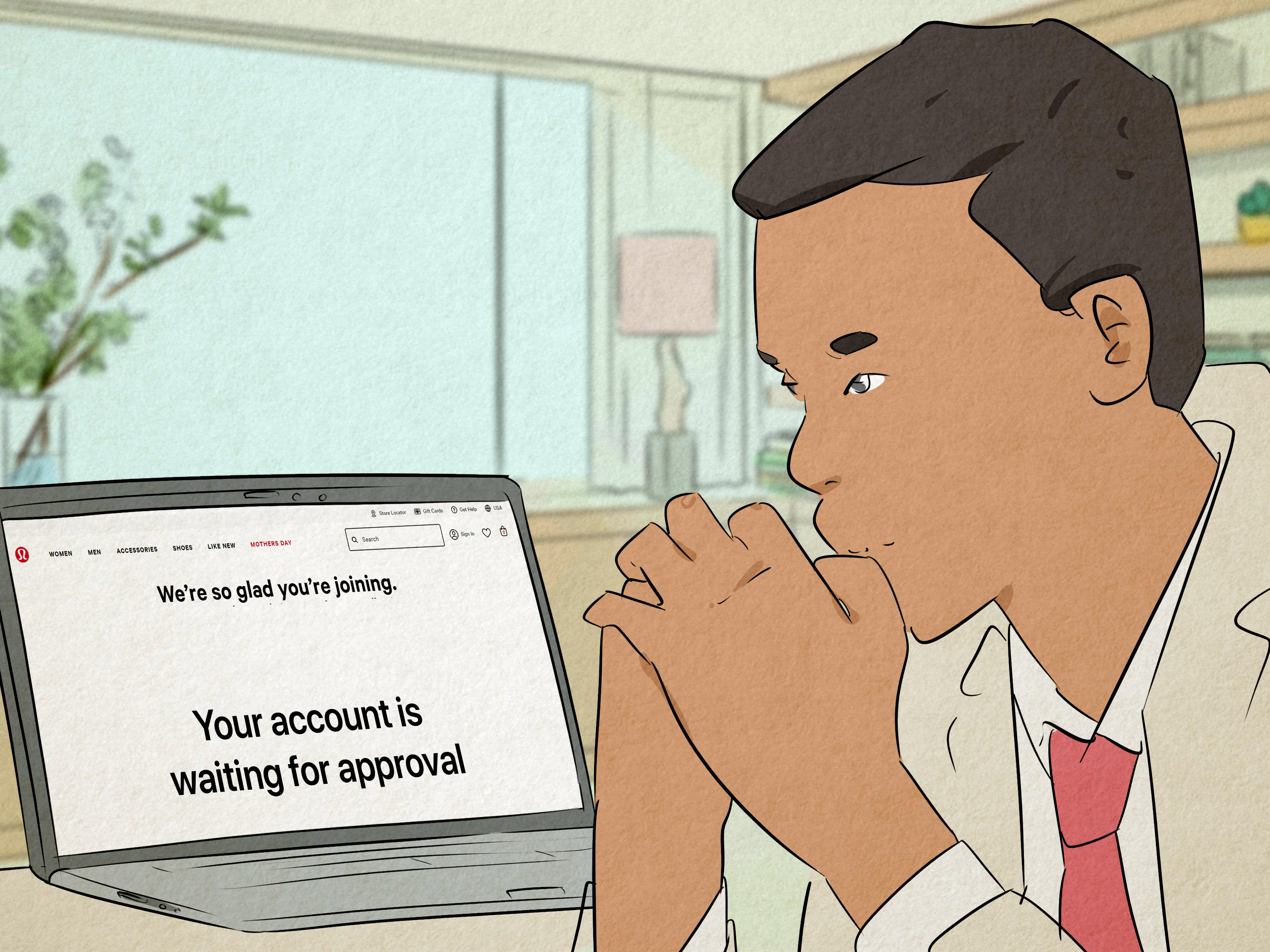

If you want to become a Lululemon ambassador, here is the first truth bomb: this is usually not a “fill out one sleepy form and wait for a magical email” kind of opportunity. Lululemon’s ambassador world is much more community-driven, relationship-based, and local than a typical affiliate program. In other words, this is less “I posted one cute mirror selfie” and more “people in my city actually know me, trust me, and would probably show up if I hosted a class.”
That is exactly why the role is so appealing. A Lululemon ambassador is not just a person wearing expensive leggings with excellent posture. The right ambassador helps connect the brand to real people through movement, wellness, events, feedback, and local leadership. If you are trying to figure out how to become a Lululemon ambassador, the winning approach is not to look louder online. It is to become more valuable offline and online at the same time.
This guide breaks down what Lululemon appears to look for, how the ambassador path differs from the brand’s other programs, what requirements matter most, and what practical steps can improve your chances. We will also cover common mistakes, smart outreach ideas, and real-world experience-based examples so you can build a stronger application story instead of just hoping the universe rewards your matching set.
What a Lululemon Ambassador Really Does
Lululemon ambassadors sit at the intersection of fitness, community, credibility, and brand storytelling. Depending on the level of ambassadorship, they may lead classes, join community events, test products, offer design feedback, represent the brand in local markets, or help introduce new people to the Lululemon ecosystem. The role is less about looking famous and more about being useful, trusted, and aligned with the brand’s culture.
That culture is built around movement, personal growth, and human connection. So if your public identity screams “I love wellness” but your real-life reputation screams “never answers messages and cancels events,” that mismatch will not help. Lululemon seems to value people who can actually lead, gather, encourage, and influence a community in a meaningful way.
Ambassador vs. Sweat Collective vs. Affiliate or Creator
This is where many people get tangled up like earbuds in a gym bag.
Lululemon ambassadors are generally community-facing partners tied to leadership, local presence, and brand representation. This is the lane for fitness instructors, run club leaders, athletes, wellness founders, and respected local voices.
Sweat Collective is a separate official program for eligible fitness professionals, athletes, coaches, team staff, and certain owners or managers. It has a public application path and verification process. It is a great option if you work in fitness and want a formal relationship with the brand, but it is not the same as becoming a local ambassador.
Affiliates and creators are another separate path. That program is for people who create content and want to promote products, earn commission, and participate in brand-related promotions. It is much more content-and-conversion oriented than the ambassador route.
So, if your main strength is content creation and referral sales, the affiliate or creator route may fit better. If your strength is leading communities, hosting movement-based experiences, and being a credible face in wellness spaces, ambassador status is the more natural target.
Does Lululemon Have a Public Ambassador Application?
Here is the practical answer: not in the same universal, easy-to-spot way it offers public application paths for programs like Sweat Collective or Affiliates and Creators. The ambassador path appears to be more local and relationship-led. That means stores, community teams, and regional brand relationships matter a lot.
So yes, this process can feel a little mysterious. No, that does not mean it is impossible. It just means the strategy is different. Instead of asking, “Where is the secret link?” a better question is, “How do I become the kind of person a local store would want to champion?”
Core Requirements That Matter Most
While Lululemon does not appear to publish one universal checklist for every local ambassador role, the brand’s official programs, public ambassador activity, and community-focused materials point to a very clear pattern. The strongest candidates usually bring most of the following.
1. Real Community Leadership
This is the big one. Lululemon is deeply community-centered, and its stores often function as hubs for local movement and wellness experiences. That means the brand is likely to care whether people actually follow your lead in real life. Can you bring a room together? Can you host a class, panel, run, recovery session, mobility workshop, or community fundraiser without it turning into social chaos and sad bananas?
Good signs include leading recurring classes, organizing run clubs, coaching athletes, owning or managing a studio, building a wellness membership group, teaching workshops, or maintaining an active community around movement and wellbeing.
2. Brand Alignment
You do not need to be a Lululemon commercial in human form, but you do need to align with the brand’s identity. That usually means a mix of performance, positivity, inclusion, self-development, consistency, and professionalism. A person who motivates others, welcomes beginners, and builds healthy routines fits better than someone whose whole online personality is “aggressively aesthetic smoothie intimidation.”
3. Credibility in Your Niche
Lululemon ambassadors are often trusted in a specific lane: yoga, running, training, tennis, meditation, recovery, community wellness, or a related discipline. You do not need celebrity status, but you do need credibility. Certifications, coaching history, event participation, partnerships, testimonials, community growth, and repeat attendance all help prove that your influence is earned, not inflated.
4. Consistent Presence Online and Offline
You do not need millions of followers. You do need consistency. A healthy social presence can help because it shows how you communicate, what your values look like in action, and whether your content reflects a real lifestyle. But for a community-led brand, offline credibility is just as important. If your local fitness scene knows your name for the right reasons, that is powerful.
5. Ability to Represent More Than Yourself
The best ambassadors do not just talk about their own workouts. They create belonging. They can introduce beginners to a new practice, connect members across a city, support event participation, and help a brand feel welcoming instead of transactional. In short, they make people feel like they are joining something better than a shopping cart.
How to Improve Your Chances of Becoming a Lululemon Ambassador
Build Your Local Reputation First
If nobody in your city’s wellness space knows you, start there. Lead something consistently. Host monthly mobility sessions. Start a women’s run group. Offer free community stretch classes after Saturday training. Partner with a coffee shop, local studio, wellness clinic, or charity event. Lululemon tends to show up where community already exists, so becoming the person who creates that community is one of the smartest moves you can make.
Get Involved With Your Local Store
Visit the store. Attend events. Subscribe to local store updates. Introduce yourself like a normal, pleasant human being, not like a walking pitch deck in sneakers. Buy something if it makes sense, but do not treat purchases like bribes. The goal is to build authentic familiarity and demonstrate alignment with the store’s local community, not to perform a theatrical retail courtship.
Create Content That Reflects Leadership, Not Just Lifestyle
Many candidates focus too much on polished photos and not enough on proof of impact. Instead of posting only mirror shots, show the class you taught, the community event you hosted, the runners you coached, the wellness tip that helped your audience, or the cause you supported. Leadership content beats vanity content every time.
Document Your Value
Keep a simple ambassador portfolio. Include your bio, certifications, niche, location, audience snapshot, event examples, media mentions, testimonials, class attendance, collaborations, and social handles. If a store educator or community contact asks about your work, you want to send a clean, helpful overview instead of a chaotic paragraph that sounds like it was typed while sprinting uphill.
Show You Understand the Brand
Study the company’s programs, community language, and event style. Understand how ambassadors differ from affiliates. Learn the brand’s approach to movement, connection, and product feedback. The more specific your understanding, the more credible your interest sounds. “I love your leggings” is pleasant. “I lead a weekly recovery club for women training for their first half marathon, and I think that kind of local community building aligns strongly with your store’s event strategy” is much stronger.
Smart Outreach Tips
When you reach out, keep it short, personal, and relevant. Mention who you are, what community you lead, why you align with the brand, and how you already contribute locally. Offer value before asking for status. For example, suggest a free beginner run, mobility session, tennis clinic, breathwork workshop, or wellness panel that serves the store’s guests.
A strong outreach message sounds like an invitation to collaborate. A weak one sounds like someone asking for free clothes in a fancy font.
What to Include in an Intro Email or Message
Your full name, role, and city. Your niche and who you serve. Proof of community leadership. One or two meaningful numbers, such as average class attendance or event turnout. Links to your website or social profiles. One clear collaboration idea. Then end politely and keep the tone warm.
Common Mistakes That Hurt Your Odds
Acting Like Follower Count Is Everything
Lululemon’s ambassador culture appears to lean more toward trust and community than raw vanity metrics. A coach with 3,000 engaged local followers and full weekly classes may be a better fit than a creator with 80,000 followers and no real-world community presence.
Confusing Product Love With Ambassador Readiness
Owning a lot of Lululemon gear is not a qualification. It simply means you and your credit card have history. The brand is likely looking for leaders, not just enthusiastic customers.
Being Too Transactional
If your first message sounds like “Hello, may I exchange one inspirational post for unlimited Wunder Train pants,” slow down. Ambassador relationships are long-term and mutual. Focus on community value, not freebies.
Having a Messy Personal Brand
Inconsistent messaging, low-quality content, hostility online, or poor professionalism can weaken your fit. Brands notice how people communicate, not just how they pose.
What Benefits Can a Lululemon Ambassador Expect?
Benefits vary by level and relationship, but public information around Lululemon’s ambassador ecosystem suggests that ambassadors may receive product access, development opportunities, event involvement, product testing, community exposure, and opportunities to give feedback that can influence future offerings. Higher-profile ambassadors may also collaborate more directly with the brand on campaigns, storytelling, social impact work, or product innovation.
That said, it is wise to approach the role for the right reasons. The strongest long-term fit comes when a person already does the work of community leadership and sees the partnership as an extension of that mission, not as a shortcut to free gear and internet sparkle.
A Realistic Step-by-Step Plan
Month 1: Audit Your Position
Ask yourself what you actually lead, who you help, and how visible your local impact is. Tighten your bio, brand message, and platforms.
Month 2: Strengthen Your Community Proof
Launch or improve one recurring event, class, or club. Capture photos, attendance, testimonials, and results.
Month 3: Build Local Brand Proximity
Attend store events, follow the local store, and start real conversations with educators and community contacts.
Month 4: Create a Collaboration Pitch
Develop one useful concept tailored to the store’s audience, such as a beginner yoga series, recovery clinic, running social, or wellness talk.
Month 5: Reach Out Professionally
Send a concise note with your portfolio and idea. Then be patient, responsive, and professional.
Month 6 and Beyond: Keep Showing Up
Whether you hear back fast or not, continue building your local value. Community-first brands pay attention to consistency over time.
Examples of Strong Ambassador Profiles
Example 1: A yoga teacher in Austin leads three classes a week, hosts a monthly donation-based mobility event, and regularly collaborates with therapists and nutrition coaches. Her Instagram is not huge, but her classes are always full, and her audience trusts her.
Example 2: A run club founder in Chicago organizes weekly group runs for beginners and intermediate runners, posts practical training advice, and partners with local wellness businesses. He has become a connector in the local fitness scene, not just a content creator.
Example 3: A former college athlete now coaches strength and recovery for adult women, speaks openly about sustainable training, and creates inclusive programming. Her content is informative, her events are consistent, and her personal brand feels grounded and credible.
These examples work because they show leadership, trust, and relevance. They are not just stylish. They are useful. Stylish is nice. Useful gets remembered.
Final Thoughts
If you want to become a Lululemon ambassador, aim beyond the title. Build the kind of local presence, credibility, and community value that makes the title feel obvious in hindsight. The strongest candidates are not chasing a badge. They are already leading, already connecting, already helping people move, grow, and belong.
So yes, polish your content. Yes, network thoughtfully. Yes, understand the brand. But above all, become the person people trust in your corner of the wellness world. When that happens, you stop looking like someone asking for an opportunity and start looking like someone a brand would be smart to back.
Experiences Related to Becoming a Lululemon Ambassador: What the Journey Often Feels Like
One of the most useful ways to understand the ambassador path is to look at the experience behind it. In practice, the journey usually feels less like applying for a traditional job and more like earning recognition in a community. People who become strong candidates often spend months or years building something real before the brand conversation even starts.
A common experience is that local consistency matters more than viral moments. Someone may post workout content for years and see only modest online growth, but once they begin leading an in-person club, things change. Their audience becomes more loyal, community members begin tagging them, and local businesses start noticing. That is often when a brand relationship starts to make sense. The lesson is simple: momentum tends to come from repeated trust, not random popularity.
Another experience many aspiring ambassadors describe is learning that community leadership requires emotional intelligence, not just fitness expertise. Leading a run or yoga session means reading the room, helping beginners feel comfortable, remembering names, staying calm when turnout is low, and creating a welcoming vibe even when your speaker refuses to cooperate and your carefully planned playlist betrays you with something aggressively dramatic. Brands value people who can handle those moments with grace because that is what real leadership looks like.
There is also the experience of discovering that brand alignment is more than wardrobe preference. Plenty of people love Lululemon products, but not everyone represents the same values. Candidates who grow strongest over time usually share content and host events that feel inclusive, encouraging, and growth-oriented. They are not just broadcasting perfection. They are helping real people improve their lives in visible, practical ways. That difference matters.
Many rising ambassadors also learn that store relationships develop through familiarity. A person might attend events for months, chat with educators, support launches, and quietly become known as a reliable presence. Then, one day, a collaboration opportunity appears. It may be a class, a panel, a recovery workshop, or a community run. From the outside, it can look sudden. From the inside, it usually reflects steady effort, genuine involvement, and a reputation built over time.
Perhaps the most important experience is learning patience. Not every strong candidate gets noticed immediately. Sometimes timing, market needs, store leadership, or community priorities affect when opportunities open up. The people who stay in the game are the ones who keep building anyway. They improve their programming, sharpen their message, deepen their expertise, and continue serving their communities whether a brand is watching or not. Ironically, that kind of independence often makes them more attractive as ambassadors. It proves they are not doing the work for external validation alone.
So if your journey feels slow, that does not mean it is failing. In many cases, it means you are in the part that actually matters: building trust, refining your voice, and becoming the kind of leader people remember. That is usually the real pre-application process, even when nobody calls it that.