
Note: This article is for educational purposes only and should not replace medical advice from a licensed health care professional. If you have heavy bleeding, severe pelvic pain, dizziness, pregnancy concerns, or symptoms that worry you, contact a clinician promptly.
What Is a Myomectomy?
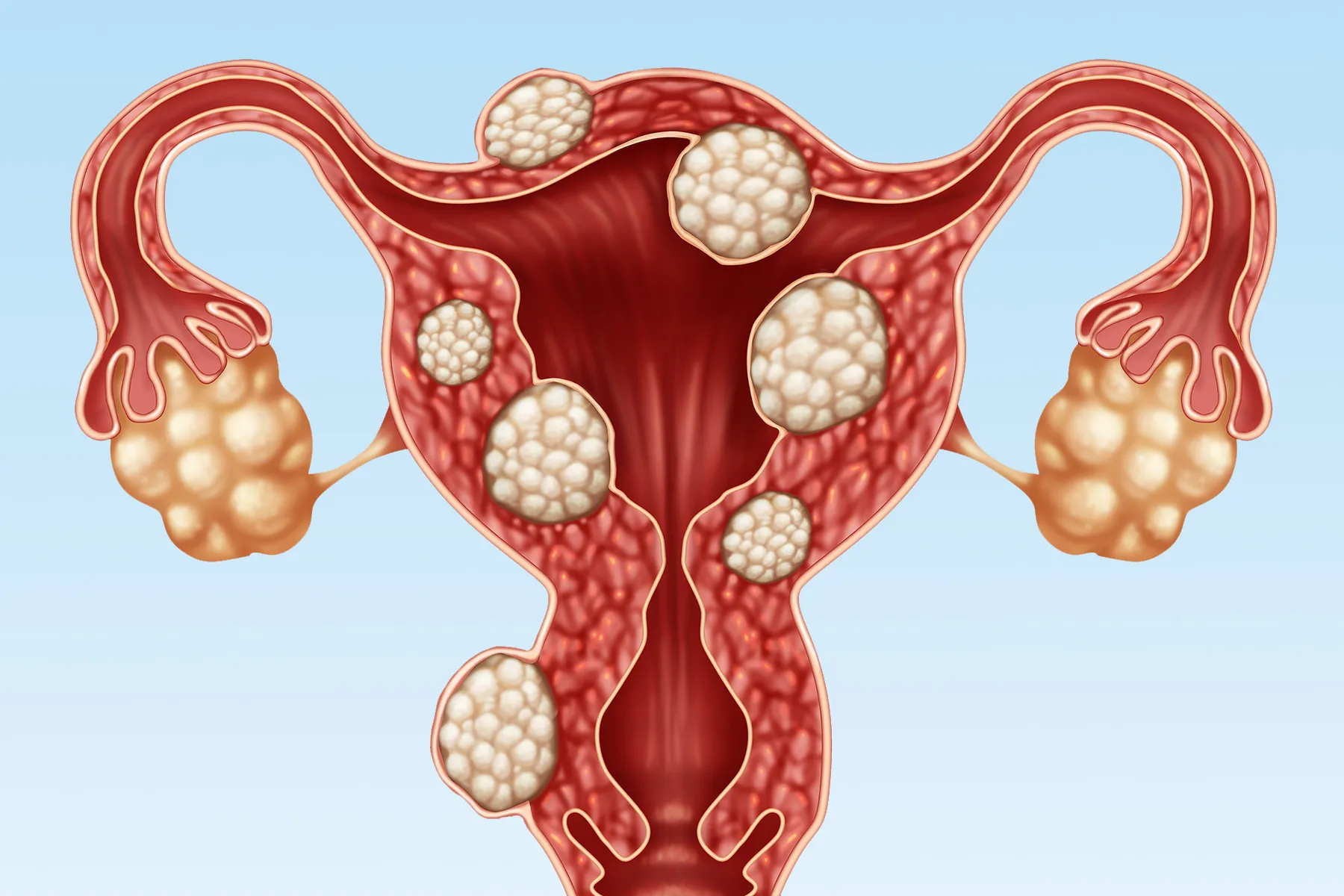
A myomectomy is surgery to remove uterine fibroids while keeping the uterus in place. Think of it as evicting the troublesome tenants without demolishing the entire apartment building. Uterine fibroids, also called leiomyomas or myomas, are growths that develop in or around the uterus. They are usually noncancerous, but “benign” does not always mean “polite.” Fibroids can cause heavy periods, pelvic pressure, bloating, frequent urination, constipation, back pain, pain during sex, and fertility challenges.
For many people, fibroids are quiet little wallflowers that never need treatment. For others, they behave like they pay rent in symptoms: soaking through pads, turning cramps into a full-contact sport, or making the lower belly feel like it has RSVP’d to a party nobody planned. When symptoms become disruptive, myomectomy may be recommended, especially for people who want future pregnancy or simply want to preserve their uterus.
Why Would Someone Need Uterine Fibroid Surgery?
Not every fibroid needs surgery. Doctors usually consider several factors before recommending a myomectomy, including the size, number, and location of fibroids; the severity of symptoms; age; overall health; anemia; and pregnancy goals.
Common reasons for myomectomy include:
- Heavy or prolonged menstrual bleeding
- Anemia caused by blood loss
- Pelvic pain, pressure, or a feeling of fullness
- Frequent urination from pressure on the bladder
- Constipation or rectal pressure
- Fibroids that distort the uterine cavity
- Difficulty getting pregnant when fibroids may be a factor
- Recurrent pregnancy loss linked to fibroid location
- A strong desire to keep the uterus
The key point is that myomectomy is not a one-size-fits-all operation. A tiny fibroid sitting quietly in the uterine wall may not need attention. A submucosal fibroid pushing into the uterine cavity, however, can be the medical equivalent of a couch blocking the front door: inconvenient, disruptive, and sometimes worth moving.
Types of Myomectomy
There are several ways to perform a myomectomy. The best approach depends on where the fibroids are located, how large they are, how many there are, whether pregnancy is desired, and the surgeon’s experience.
1. Hysteroscopic Myomectomy
Hysteroscopic myomectomy is usually used for submucosal fibroids, which grow into the uterine cavity. During this procedure, the surgeon inserts a thin instrument through the vagina and cervix into the uterus. No abdominal incision is needed. A camera allows the surgeon to see inside the uterus and remove the fibroid tissue.
This option often has the fastest recovery because there are no belly incisions. Many people return to normal light activities within a few days, though individual recovery varies. It is often helpful for heavy bleeding caused by fibroids inside the uterine cavity.
2. Laparoscopic Myomectomy
Laparoscopic myomectomy is a minimally invasive surgery performed through several small abdominal incisions. A laparoscope, which is a thin camera, helps the surgeon view the uterus on a monitor. Long surgical instruments are used to remove the fibroids and repair the uterus.
This approach may mean less pain, smaller scars, shorter hospital stays, and faster recovery compared with open surgery. However, it may not be suitable for every fibroid situation, especially when fibroids are very large, numerous, or difficult to reach.
3. Robotic Myomectomy
Robotic myomectomy is a type of laparoscopic surgery in which the surgeon controls robotic instruments from a console. The robot does not perform the surgery on its own, so no, it is not a tiny sci-fi character freelancing in your abdomen. The surgeon remains fully in control.
Robotic surgery may offer improved precision and flexibility in certain cases. It can be useful for complex fibroid removal while still using small incisions. Recovery is often similar to laparoscopic myomectomy, but the exact timeline depends on the surgery and the patient.
4. Abdominal or Open Myomectomy
Abdominal myomectomy, also called open myomectomy, is performed through a larger incision in the lower abdomen. This may be recommended when fibroids are large, numerous, deeply embedded, or when the surgeon needs direct access to carefully reconstruct the uterus.
Recovery from open myomectomy is usually longer than recovery from minimally invasive procedures. Many patients need several weeks before returning to full activity. The trade-off is that open surgery can be the safest and most effective route for certain complex fibroid cases.
How Doctors Decide Which Myomectomy Is Best
Choosing the right fibroid surgery is part science, part strategy, and part “where exactly are these little troublemakers hiding?” Doctors often use pelvic exams, ultrasound, saline sonograms, hysteroscopy, or MRI to map fibroids before surgery.
Fibroid location matters a lot. Submucosal fibroids affect the inner uterine cavity and may be removable through hysteroscopy. Intramural fibroids grow within the uterine wall and often require laparoscopic, robotic, or open surgery. Subserosal fibroids grow outward from the uterus and may cause pressure symptoms. Pedunculated fibroids grow on a stalk, which makes them sound like mushrooms, but sadly, they are much less charming.
Surgeons also consider fertility goals. If pregnancy is desired, the way the uterus is repaired matters. A strong uterine closure can be important for future pregnancy safety. In some cases, a future cesarean delivery may be recommended after myomectomy, especially if the uterine muscle was deeply cut.
What Happens Before Myomectomy?
Preparation usually begins with a detailed consultation. Your clinician may ask about bleeding patterns, pain, bladder or bowel symptoms, prior pregnancies, fertility goals, medications, allergies, and previous surgeries.
Pre-surgery testing may include:
- Pelvic ultrasound or MRI to locate fibroids
- Blood tests to check anemia and overall health
- Pregnancy testing when appropriate
- Endometrial evaluation if abnormal bleeding needs further investigation
- Discussion of medications, supplements, and blood thinners
If heavy bleeding has caused anemia, doctors may recommend iron therapy or other treatment before surgery. In some cases, medication may be used temporarily to shrink fibroids or reduce bleeding before the operation. This can make surgery safer and easier, although these medicines are not the right fit for everyone.
What Happens During the Procedure?
Most myomectomies are performed under anesthesia. The exact steps depend on the type of surgery. In general, the surgeon locates the fibroids, removes them, controls bleeding, and repairs the uterus when needed.
During abdominal, laparoscopic, or robotic myomectomy, the uterine muscle is often stitched closed after fibroid removal. This reconstruction is one of the most important parts of the procedure, particularly for people who want future pregnancy. During hysteroscopic myomectomy, fibroids inside the uterine cavity are shaved or removed through the cervix without external incisions.
Some fibroids are removed whole, while others may need to be divided into smaller pieces. When tissue removal involves morcellation, patients should discuss safety considerations with their surgeon. The concern is that, in rare cases, a growth believed to be a fibroid could be an undiagnosed cancer. This is uncommon, but it is important enough that patients should understand the risks, alternatives, and protective measures before surgery.
Benefits of Myomectomy
The main benefit of myomectomy is symptom relief while preserving the uterus. Many people experience lighter periods, less pelvic pressure, improved comfort, and better quality of life after recovery.
Potential benefits include:
- Reduced heavy menstrual bleeding
- Improved anemia related to blood loss
- Less pelvic pressure or pain
- Improved bladder or bowel symptoms caused by pressure
- Preservation of the uterus
- Possible improvement in fertility when fibroids affect the uterine cavity
For someone who wants to become pregnant, myomectomy can be an important fertility-preserving option. It does not guarantee pregnancy, because fertility depends on many factors, but removing fibroids that distort the uterine cavity may improve the chances for some patients.
Risks and Possible Complications
Myomectomy is common, but it is still surgery. That means there are risks, and they deserve a seat at the discussion tablepreferably before anyone is wearing a hospital gown.
Possible risks include:
- Bleeding or need for blood transfusion
- Infection
- Scar tissue or adhesions
- Damage to nearby organs such as the bladder or bowel
- Reaction to anesthesia
- Blood clots
- Need to convert from minimally invasive surgery to open surgery
- Rare need for hysterectomy if bleeding cannot be controlled
- Fibroid recurrence or development of new fibroids
One important detail: the fibroids removed during surgery do not grow back, but new fibroids can develop later. This is why some people may need additional treatment in the future. Recurrence risk can be higher in younger patients and in people with multiple fibroids.
Recovery After Myomectomy
Recovery depends on the surgical approach. Hysteroscopic myomectomy may involve cramping and light bleeding for a few days. Laparoscopic or robotic myomectomy may require a few weeks of reduced activity. Abdominal myomectomy usually requires the longest recovery, often several weeks before heavy lifting, intense exercise, and full daily routines feel realistic again.
Common recovery experiences include:
- Fatigue
- Mild to moderate pain or soreness
- Light vaginal bleeding or spotting
- Temporary bloating
- Shoulder discomfort after laparoscopic surgery due to surgical gas
- Constipation from anesthesia, pain medicine, or reduced movement
Your care team will give specific instructions about bathing, driving, lifting, exercise, sex, work, and follow-up appointments. The “do not lift heavy things” rule is not a suggestion to see whether you can outsmart physics. It exists because your body is healing internally, even if the outside looks fine.
Pregnancy After Myomectomy
Many people can become pregnant after myomectomy, but timing and delivery planning should be discussed with a doctor. In many cases, clinicians recommend waiting several months before trying to conceive so the uterus has time to heal. The exact timeline depends on the type and depth of surgery.
Pregnancy after myomectomy may require closer monitoring. If the uterine wall was deeply incised, a planned cesarean delivery may be recommended to reduce the risk of uterine rupture during labor. Uterine rupture is rare, but because it can be serious, doctors take the history of myomectomy seriously when planning pregnancy care.
Myomectomy vs. Hysterectomy
Myomectomy removes fibroids and preserves the uterus. Hysterectomy removes the uterus and permanently prevents fibroids from coming back in the uterus. The biggest difference is fertility: pregnancy is no longer possible after hysterectomy.
For people who want future pregnancy, myomectomy is often preferred when surgery is appropriate. For people who have completed childbearing and want a definitive solution, hysterectomy may be discussed. The right choice depends on symptoms, health, values, age, fibroid pattern, recovery goals, and personal preference.
Other Fibroid Treatment Options
Myomectomy is not the only treatment for uterine fibroids. Depending on symptoms and goals, doctors may discuss alternatives.
Non-surgical and minimally invasive options may include:
- Watchful waiting for mild or no symptoms
- Iron supplements for anemia
- NSAIDs for period pain
- Hormonal birth control to manage bleeding
- Tranexamic acid for heavy menstrual bleeding
- GnRH medications to temporarily shrink fibroids or reduce bleeding
- Uterine artery embolization
- Radiofrequency ablation
- MRI-guided focused ultrasound
- Hysterectomy for definitive treatment
People who want future pregnancy should ask carefully about how each option may affect fertility and pregnancy outcomes. Some treatments are excellent for symptom relief but may not be recommended for those actively planning pregnancy.
Questions to Ask Your Doctor
A good myomectomy consultation should feel like a conversation, not a pop quiz. Bring notes, ask questions, and do not be shy about requesting explanations in plain English.
Helpful questions include:
- How many fibroids do I have, and where are they located?
- Which type of myomectomy do you recommend and why?
- Am I a candidate for minimally invasive surgery?
- How could surgery affect future pregnancy?
- Will I likely need a C-section in the future?
- What are my risks of bleeding, adhesions, or recurrence?
- How long will recovery take for my specific procedure?
- What symptoms after surgery should make me call right away?
- Are there non-surgical options I should consider first?
- How often do you perform this type of myomectomy?
Real-Life Experiences and Practical Lessons About Myomectomy
Experiences with myomectomy vary widely, but many patients describe a similar emotional arc: confusion, research overload, decision fatigue, surgery nerves, recovery impatience, and thenhopefullyrelief. Fibroids are common, but living with them can feel surprisingly isolating. People may spend years being told that heavy periods are “normal,” only to discover they have been planning their lives around a medical condition that deserved attention all along.
One common experience is the “why did nobody tell me this was not normal?” moment. Soaking through menstrual products, avoiding white pants like they are cursed, carrying backup clothes, or mapping every bathroom before leaving the house can become routine. After myomectomy, many people report that their periods become more manageable. Not perfect, not magically transformed into a spa commercial, but less disruptive. For someone who has planned meetings, road trips, and vacations around bleeding, that change can feel enormous.
Another practical lesson is that recovery is not a race. Some patients feel better quickly after hysteroscopic surgery, while others need more time after laparoscopic, robotic, or open myomectomy. Fatigue can be sneaky. A person may feel great in the morning, fold laundry with heroic confidence, and then need a nap by lunch. Healing uses energy. Rest is not laziness; it is your body running a construction project without asking for applause.
People who prepare well often have smoother recoveries. Useful items may include loose clothing, easy meals, stool softeners if approved by a clinician, a heating pad, water bottle, high-fiber foods, comfortable pillows, and a plan for help with kids, pets, groceries, or stairs. If abdominal surgery is involved, even laughing, coughing, or getting out of bed can feel dramatic at first. Holding a pillow gently against the abdomen can make movement more comfortable.
Emotionally, myomectomy can bring relief but also anxiety. Patients trying to conceive may feel pressure to “use the window” after surgery before new fibroids develop. Others may worry about recurrence, scars, or whether symptoms will fully improve. These concerns are valid. The best support often comes from a care team that explains the surgical plan clearly and from trusted people who understand that fibroid surgery is not “just a period problem.”
One of the biggest takeaways is the value of self-advocacy. If symptoms are affecting work, relationships, sleep, sex, fertility, or mental health, they deserve attention. A second opinion is reasonable, especially when choices include major surgery or when fertility is part of the decision. Myomectomy can be life-changing for the right candidate, but the best results start with informed decisions, realistic expectations, and a surgeon who treats your questions as importantnot as pop-up ads to close.
Conclusion
Myomectomy is a uterus-preserving surgery that removes fibroids and can relieve heavy bleeding, pelvic pressure, pain, and fertility-related problems caused by certain fibroids. It can be performed hysteroscopically, laparoscopically, robotically, or through open abdominal surgery. The best approach depends on fibroid size, number, location, symptoms, pregnancy goals, and surgical expertise.
For many patients, myomectomy offers a powerful middle path: treating fibroids without removing the uterus. Still, it is not a casual decision. Recovery time, surgical risks, future pregnancy planning, and the chance of new fibroids should all be discussed with a knowledgeable gynecologist. The goal is not just to remove fibroids; it is to help the person attached to the uterus feel healthier, clearer, and more in control of daily life.