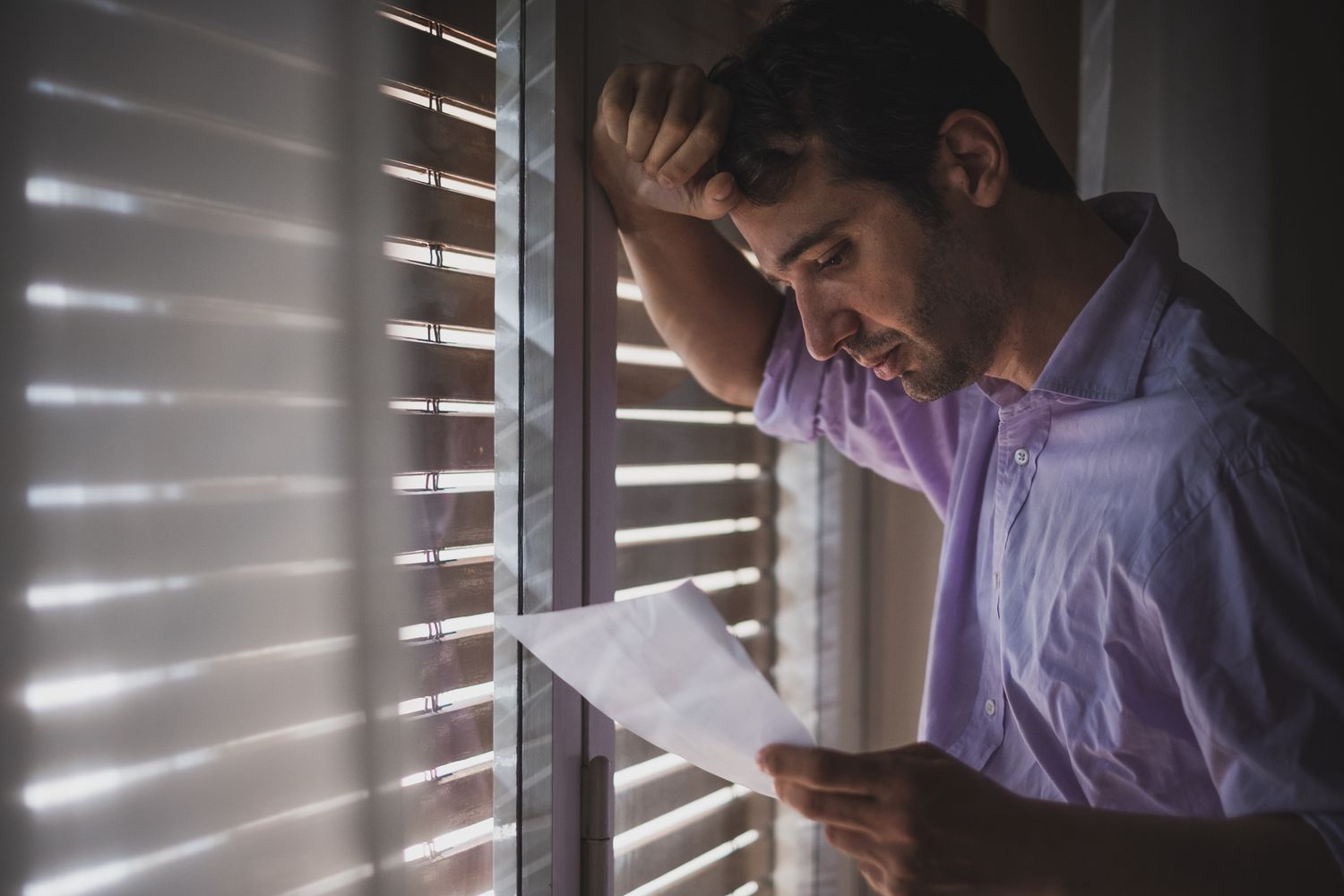

The headline landed like a thunderclap in America’s already tense housing market: the Supreme Court cleared the way for landlords to resume evictions after blocking the federal eviction moratorium tied to the COVID-19 pandemic. For tenants behind on rent, it felt like the legal umbrella had been yanked away during a storm. For landlords, especially small property owners who had gone months without full rent payments, it looked like the courts had finally reopened the door to normal property enforcement. Nobody exactly popped confetti. This was less a celebration than a national sigh, groan, or spreadsheet panicdepending on which side of the lease you were standing on.
The decision centered on the Centers for Disease Control and Prevention’s eviction moratorium, a public health measure designed to prevent people from being pushed out of their homes during the pandemic. The CDC argued that evictions could worsen the spread of COVID-19 by forcing families into crowded shelters, shared housing, or interstate moves. The Supreme Court, however, concluded that the agency had gone beyond the authority Congress had given it. In plain English: the Court did not say housing stability was unimportant. It said the CDC could not use a public health statute as a nationwide landlord-tenant control panel.
That distinction matters. The ruling was not a declaration that every eviction should happen immediately, nor did it erase state and local protections that still existed in some places. But it did end the broad federal shield that had paused many eviction cases for nonpayment of rent. After months of extensions, emergency orders, political pressure, and legal challenges, the nation’s rental housing system moved from “pause button” to “resume playback”with a lot of buffering.
What the Supreme Court Actually Decided
The case, Alabama Association of Realtors v. Department of Health and Human Services, asked whether the CDC had legal authority to impose a temporary halt on certain residential evictions. The challengers included realtor associations and rental property managers who argued that the moratorium forced landlords to provide housing without the usual ability to remove tenants who were not paying rent.
The Supreme Court ruled 6-3 to block enforcement of the CDC’s latest eviction moratorium. The majority reasoned that the CDC relied on Section 361(a) of the Public Health Service Act, a law historically associated with measures such as inspection, sanitation, fumigation, disinfection, pest extermination, and related disease-control actions. The Court found that stretching that language to cover a broad eviction ban was too much legal yogaimpressive flexibility, perhaps, but not enough statutory spine.
The majority also emphasized that landlord-tenant law is traditionally handled by states, not federal health agencies. If the federal government wanted a nationwide eviction moratorium, the Court said, Congress needed to authorize it clearly. That line became the key takeaway: a policy with vast economic and political significance cannot rest on vague agency interpretation. Translation for non-lawyers: big national rules need a big clear green light, not a flashlight with dying batteries.
Why the CDC Created the Eviction Moratorium
The CDC’s eviction moratorium was born in a moment of national emergency. Millions of workers lost income during the pandemic. Restaurants, hotels, retail stores, entertainment venues, and service businesses struggled or shut down. Rent bills, unlike sourdough starters and home workout ambitions, did not politely pause themselves.
Public health officials worried that evicted tenants would move in with relatives, enter shelters, cross state lines, or end up in crowded living situations. During a contagious disease outbreak, housing instability was not just a private financial problem; it could become a public health problem. That was the CDC’s central argument. Keeping people housed, the agency believed, helped reduce the spread of COVID-19.
The August 2021 version of the order applied to counties with substantial or high levels of community transmission. It was narrower than the earlier nationwide moratorium, but still covered a large portion of the country at the time because the Delta variant was spreading quickly. The order was scheduled to expire on October 3, 2021, but the Supreme Court blocked it before that date.
Why Landlords Challenged the Ban
Landlords argued that the moratorium placed a heavy burden on property owners. Many people hear “landlord” and imagine a yacht, a top hat, and someone saying “passive income” at brunch. In reality, many landlords are small owners with one duplex, a second home, or a few units that depend on rent to pay mortgages, property taxes, insurance, utilities, maintenance, and repairs. When rent stopped arriving, their bills did not receive the memo.
Property owners also argued that the federal government was forcing them to absorb the cost of a public policy. While emergency rental assistance was available, the rollout was uneven. Some landlords received aid. Others waited. Some tenants applied. Others did not. Some local programs moved quickly; others seemed to be powered by a sleepy hamster on a government wheel.
For landlords, the central question was not only “Should struggling renters receive help?” Many agreed they should. The question was “Who pays for that help, and under what legal authority?” The Supreme Court’s ruling leaned toward the idea that Congress, not the CDC, had to make that call.
What Changed for Tenants After the Ruling
Once the federal moratorium was blocked, tenants who had relied on it lost an important layer of protection. This did not mean every tenant behind on rent was removed the next morning. Eviction is a legal process, not a trapdoor under the sofa. Landlords generally still had to file in court, provide notices required by state or local law, attend hearings, and follow judicial procedures.
However, the practical effect was serious. Cases that had been delayed could move again. Landlords who had waited months could restart filings. Tenants who were behind on rent had to rely on state laws, local protections, rental assistance programs, legal aid, negotiation, or payment plans. In places without strong tenant protections, the end of the federal moratorium created immediate anxiety.
For renters, the most important lesson was that the Supreme Court ruling did not cancel rent debt. The moratorium had delayed certain evictions; it did not erase unpaid rent. That point was often misunderstood. Some tenants believed they were fully protected from consequences, only to discover that arrears were still sitting there, looking as cheerful as a raccoon in a pantry.
Emergency Rental Assistance Became the Next Big Pressure Point
Congress had approved billions of dollars in Emergency Rental Assistance to help renters and landlords resolve unpaid rent. The program was designed to pay rent arrears, future rent in some cases, utilities, and housing stability services. In theory, it was the bridge between tenant hardship and landlord financial survival.
In practice, the bridge had traffic jams. Some states and cities distributed funds quickly. Others struggled with complicated applications, documentation requirements, staffing shortages, technology problems, and low awareness among tenants and landlords. By the time the Supreme Court acted, rental assistance existedbut in many communities, the money had not reached everyone who needed it.
This gap created frustration on all sides. Tenants wondered why aid approved by Congress was not arriving before court dates. Landlords wondered why they were expected to keep waiting while their own expenses piled up. Judges and clerks found themselves sorting through cases where the best solution might have been payment assistance, not removal. The housing system was trying to solve a financial crisis using legal tools, which is a little like trying to fix a leaky roof with a courtroom gavel.
The Ruling Did Not End the Debate Over Housing Stability
The Supreme Court decision answered a legal question, but it did not end the national debate. Housing advocates warned that lifting the moratorium could push vulnerable families into homelessness or unstable living arrangements. They argued that the pandemic exposed long-standing weaknesses in America’s rental market: high housing costs, low wages, limited affordable units, and a safety net with more holes than a dollar-store colander.
Landlord groups countered that property rights and contract enforcement matter too. They argued that owners cannot be required indefinitely to provide housing without rent, especially when they must still maintain buildings and pay lenders, cities, contractors, and insurers. In their view, the moratorium had shifted public costs onto private individuals.
Both concerns were real. The ruling forced policymakers to confront an uncomfortable truth: eviction prevention works best when rental assistance moves fast, legal systems communicate clearly, and both renters and property owners know what to do before a crisis reaches the courtroom.
How State and Local Rules Still Mattered
One common misunderstanding after the decision was that all eviction protections disappeared everywhere. They did not. Some states and cities had their own moratoriums, grace periods, court diversion programs, notice requirements, or rental-assistance-linked protections. The Supreme Court ruling targeted the federal CDC moratorium, not every housing rule in the country.
This created a patchwork system. A tenant in one city might have access to mediation, free legal counsel, or a local rent relief program. A tenant in another county might face a much faster court timeline. A landlord in one state might have to wait for rental assistance review before proceeding, while another could file as soon as notice requirements were met.
For readers, the practical takeaway is simple: eviction law is local. National headlines are useful, but local rules decide the next step. Tenants and landlords both needed to check city, county, and state requirements, because the answer often changed by ZIP code.
Specific Examples of How the Decision Played Out
A Small Landlord With One Rental Home
Consider a retired couple renting out a former family home. Their tenant lost work during the pandemic and fell behind. The couple wanted to be patient, but the mortgage, insurance, and property taxes continued. They applied for rental assistance with the tenant, but the application sat pending. After the Supreme Court ruling, they could restart the eviction process if local law allowed. For them, the ruling meant regaining leverage and a possible path to recover the unit or unpaid rent.
A Tenant Waiting for Aid
Now imagine a single parent who applied for emergency rental assistance but had not received approval. The moratorium had bought time. After the ruling, that time became much more fragile. The tenant’s best move would be to contact the rental assistance office, notify the landlord, keep documentation, respond to court papers, and seek legal aid. The worst move would be silence. In eviction cases, ignoring paperwork is like ignoring smoke because you dislike fire alarms.
A Court Trying to Prevent Avoidable Evictions
Some courts responded by encouraging mediation or connecting tenants and landlords to rental assistance before entering judgments. Where these systems worked, landlords could receive payment and tenants could stay housed. Where they did not, court dockets moved forward and families faced displacement even when aid might have solved the problem.
What Landlords Learned From the Moratorium
The pandemic changed how many landlords think about risk. Before COVID-19, screening tenants, collecting deposits, and maintaining reserves were standard business practices. After the moratorium, more landlords realized that legal access to eviction could be delayed by emergency policy. That does not mean every landlord became harsh or suspicious. It means many began thinking harder about cash reserves, insurance, lease clarity, communication, and early intervention when rent falls behind.
Some landlords also learned that cooperation can be profitable. Accepting rental assistance, agreeing to payment plans, or working with mediation programs often produced better results than months of litigation. Eviction can be expensive, slow, and emotionally unpleasant. Nobody wakes up thinking, “You know what would really brighten my week? Court forms.”
What Tenants Learned From the Moratorium
Tenants learned that emergency protections can help, but they are not permanent solutions. The moratorium bought time, but unpaid rent still accumulated. The strongest tenant strategies involved documentation, communication, early aid applications, and legal support. Renters who kept records of job loss, income changes, applications, landlord messages, and payment attempts were often in a better position than those who waited until a hearing date appeared.
The ruling also showed the importance of understanding the difference between a protection and a forgiveness program. A moratorium delays or restricts eviction. Rental assistance pays money. A court defense challenges legal claims. These tools can work together, but they are not interchangeable. Using the wrong tool at the wrong time is like bringing a spatula to a plumbing emergency: creative, but not ideal.
Experience-Based Lessons From the Eviction Moratorium Era
Looking back, the most important experience from the “Supreme Court clears landlords to resume evictions” moment is that housing crises are rarely solved at the last minute. By the time an eviction case reaches court, everyone is already under stress. The tenant may be scared, embarrassed, or overwhelmed. The landlord may be angry, financially stretched, or tired of unanswered messages. The judge may have a crowded docket. The clerk may have seen the same story fifty times before lunch. The system is moving, but not always healing.
One common experience during the moratorium era was confusion. Tenants heard “eviction ban” and sometimes believed they could not be taken to court at all. Landlords heard “rental assistance” and sometimes assumed payment would arrive quickly. Neither assumption was always true. The lesson is almost boring, which is how many important lessons arrive: read the rules, keep records, and ask questions early. Boring advice may not trend on social media, but it beats a surprise court notice taped to the door.
Another experience was that communication often changed outcomes. In cases where tenants contacted landlords early, explained the situation, applied for assistance, and shared proof, some landlords delayed filings or accepted payment plans. In cases where tenants disappeared, landlords often assumed the worst. On the other side, landlords who explained balances clearly, provided ledger details, and participated in aid applications often improved their chances of getting paid. Everyone likes clarity. Even spreadsheets seem less hostile when the numbers are organized.
A third lesson was that small landlords and low-income tenants can both be financially vulnerable at the same time. Public debates often turn them into cartoon enemies: greedy landlord versus irresponsible renter. Real life is messier. A tenant may be choosing between rent, food, and medicine. A landlord may be using rent to pay the mortgage on the same building. When policy ignores either side, problems multiply. The best eviction-prevention programs recognized this by paying landlords while stabilizing tenants.
Local court diversion programs offered another practical lesson. Where courts paused cases long enough to check rental assistance status, some evictions were avoided. Where legal aid groups helped tenants respond properly, outcomes improved. Where landlords received reliable updates from aid administrators, frustration decreased. The experience suggests that eviction prevention is not just about money; it is about systems that move quickly enough to matter.
Finally, the Supreme Court ruling taught policymakers that emergency powers have limits. Even during a public health crisis, agencies must act within authority granted by Congress. That may sound like a civics textbook wearing a necktie, but it has real-world consequences. If lawmakers want nationwide housing protections in a future emergency, they need to write clear laws, fund them adequately, and build delivery systems before the cliff arrives. Waiting until millions of households are inches from the edge is not a plan. It is a group project where everyone discovers the deadline at 11:58 p.m.
Conclusion: A Legal Ruling With Human Consequences
The Supreme Court’s decision to clear landlords to resume evictions was more than a technical ruling about agency authority. It marked a turning point in the pandemic housing response. The Court said the CDC could not continue a broad eviction moratorium without clear congressional authorization. Landlords regained access to eviction procedures. Tenants lost a major federal protection. Rental assistance became the main remaining tool to prevent displacement.
The deeper lesson is that housing stability cannot depend only on emergency orders. A durable system needs affordable housing, fast rental assistance, fair court processes, clear communication, and realistic protections for both tenants and property owners. When rent stops being paid, the problem is financial first, legal second. The more quickly communities treat it that way, the fewer families end up in court and the fewer landlords are left carrying impossible losses.
Note: This article is written for general informational and editorial purposes. Eviction laws vary by state, county, and city, so tenants and landlords should check local rules or consult qualified legal help for specific situations.