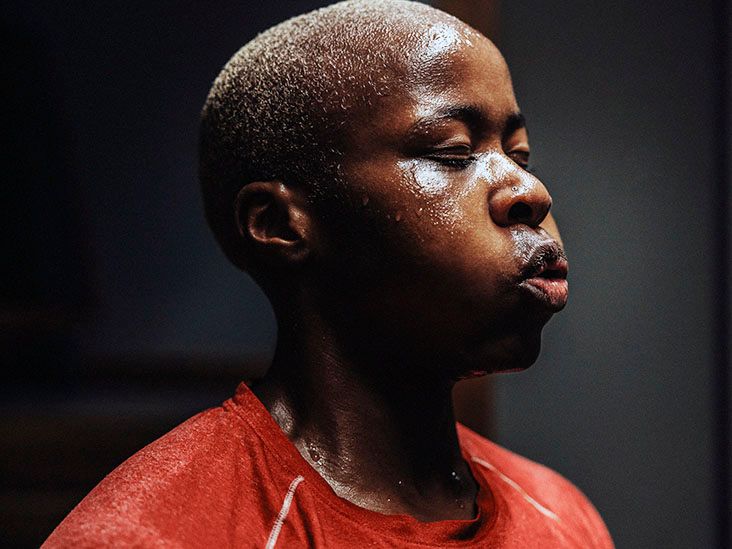

You finish a heroic plate of brisket, loosen your belt one notch, and suddenly your forehead looks as though it has started its own sprinkler system. Congratulationsor condolencesyou may be experiencing what people casually call the meat sweats.
The phrase sounds like something invented during a late-night barbecue, and medically speaking, it is. “Meat sweats” is not an official diagnosis. It describes warmth, flushing, or noticeable perspiration after eating a large meal containing lots of meat or other protein-rich foods. Although protein digestion can temporarily increase energy expenditure and heat production, researchers have not proved that meat alone causes a unique sweating disorder. The overall size, ingredients, temperature, and setting of the meal usually matter too.
What Exactly Are Meat Sweats?
Meat sweats are generally described as sweating that develops during or shortly after a meat-heavy meal. People commonly notice moisture on the forehead, scalp, upper lip, neck, chest, or back. They may also feel flushed, unusually warm, sluggish, thirsty, or uncomfortably full.
Despite the name, the reaction is not necessarily limited to beef, pork, or barbecue. A huge serving of chicken, turkey, fish, eggs, or another protein-rich food could produce a similar sensation. In many cases, the more accurate label would be “very-large-meal-in-a-warm-restaurant sweats,” but that does not fit as neatly on a T-shirt.
For most otherwise healthy people, a mild, brief episode after overeating is uncomfortable rather than dangerous. However, frequent, severe, localized, or unexplained sweating can have causes unrelated to the amount of meat on the plate.
What Causes Meat Sweats?
1. The Thermic Effect of Food
Your body does not process food for free. Digestion, absorption, transport, metabolism, and nutrient storage all require energy. The temporary rise in energy expenditure after eating is known as the thermic effect of food, or diet-induced thermogenesis.
Protein generally has a higher thermic effect than carbohydrates or fat. The body must perform several energy-demanding steps to break dietary protein into amino acids and use or process those amino acids. As metabolism rises, a small amount of additional heat is produced.
This mechanism makes the meat-sweat theory biologically plausible. Still, plausible does not mean proven. Protein’s thermic effect is real, but evidence has not established that it routinely raises body temperature enough to cause dramatic sweating in everyone. Some diners barely notice a change, while others look as if their ribeye just asked them to run a 5K.
2. Eating a Very Large Meal
Meal size may be just as important as protein content. A larger meal gives the digestive system more nutrients to process and can produce a greater thermic response than a smaller one. It also stretches the stomach, increases feelings of fullness, and may make a warm or crowded environment feel even less comfortable.
Consider the difference between a three-ounce serving of lean beef with vegetables and a steakhouse platter containing a 20-ounce steak, fries, creamy appetizers, bread, dessert, and two drinks. Both meals contain meat, but only one resembles a digestive group project in which your stomach has been assigned all the work.
3. Spices and Hot Food
Sometimes the meat is merely an innocent bystander wearing spicy barbecue sauce. Chili peppers contain capsaicin, a compound that activates heat-sensing receptors. The brain interprets that signal as heat and may respond with flushing and perspiration. Hot soup, steaming food, pepper-heavy rubs, horseradish, and fiery sauces can produce similar reactions.
This is called gustatory sweating when eating triggers perspiration. Mild sweating after spicy food is common and does not necessarily indicate a health problem.
4. Alcohol and Caffeine
Steak dinners, sports-bar wings, and backyard cookouts are often accompanied by beer, cocktails, soda, coffee, or energy drinks. Alcohol can widen blood vessels near the skin, create a sensation of warmth, increase urination, and contribute to dehydration. Caffeine can also trigger sweating in sensitive people.
Combining alcohol, caffeine, a hot room, and an enormous plate of protein creates several possible sweating triggers at once. Blaming the steak alone may be giving the rest of the meal an undeserved alibi.
5. The Environment
A hot patio, humid kitchen, crowded restaurant, outdoor grill, heavy clothing, or seat near a roaring fire can make ordinary post-meal warmth more noticeable. Sweating is one of the body’s primary cooling systems, so environmental heat naturally increases perspiration.
People may also sweat more when they eat quickly, talk excitedly, feel anxious, or have just finished cooking over a hot grill. Sometimes the “meat sweats” started before the first bite; the brisket simply arrived in time to receive the blame.
6. Individual Differences
Sweat responses vary substantially. Body size, fitness, genetics, hormone levels, medications, stress, heat tolerance, and underlying medical conditions can affect when and how heavily someone perspires. A meal that makes one person dab their forehead may produce no visible reaction in the person sitting beside them.
People with primary hyperhidrosis already sweat more than necessary for temperature control. Food, heat, caffeine, alcohol, or anxiety may amplify their symptoms. Secondary hyperhidrosis can arise from medications or health conditions and deserves medical evaluation when sweating is new or disruptive.
What Do Meat Sweats Feel Like?
A typical episode may include:
- Moisture or visible beads of sweat on the forehead or upper lip
- A warm, flushed face
- Sweating around the scalp, neck, chest, or back
- Thirst or a desire to move somewhere cooler
- Abdominal fullness, bloating, or sleepiness after overeating
- Temporary discomfort that gradually improves as digestion continues
There is no official timetable because meat sweats are not a defined medical condition. A mild episode may settle after the person stops eating, cools down, drinks water, and allows the meal to digest. Sweating that persists for hours, repeatedly soaks clothing, occurs after small meals, or appears with other symptoms should not automatically be dismissed as a quirky response to protein.
How to Prevent Meat Sweats
Choose a More Reasonable Portion
The most practical prevention strategy is also the least mysterious: eat less at one sitting. The American Heart Association commonly uses about three ounces of cooked meatroughly the size of a deck of cards or the palm of a handas a visual reference for a serving.
You do not have to measure every steak with laboratory equipment. Simply avoid treating an oversized restaurant portion as a personal challenge. Eat part of it and take the rest home. Tomorrow’s lunch will be delighted to see you.
Build a Balanced Plate
Instead of making meat the entire event, pair a moderate serving with vegetables, fruit, whole grains, or legumes. A balanced plate reduces the likelihood that one enormous protein portion will dominate the meal and provides fiber and a wider range of nutrients.
Protein can also come from seafood, eggs, beans, peas, lentils, nuts, seeds, and soy foods. Rotating among these options may help you discover meals that feel satisfying without leaving you overheated and pinned to the couch.
Favor Lean, Minimally Processed Proteins
Choose lean cuts of beef or pork, skinless poultry, fish, or plant-based protein more often. This does not guarantee a sweat-free meal, because lean protein still has a thermic effect. However, smaller portions of lean protein are usually easier to incorporate into a balanced eating pattern than towering piles of fatty or processed meat.
Watch the supporting cast as well. A modest piece of grilled chicken can become a very heavy meal once it is fried, covered in cheese, drenched in creamy sauce, and served with enough fries to establish a small potato republic.
Eat More Slowly
Slowing down gives fullness signals more time to register before you accidentally order a second rack of ribs. Take smaller bites, chew thoroughly, pause during the meal, and check whether you are still hungry before serving yourself again.
Eating quickly makes overeating easier because the brain may not receive the “we have plenty of food down here” message until the plate is already empty. A calmer pace can reduce both uncomfortable fullness and the amount your digestive system must handle at once.
Turn Down the Heat
If sweating usually happens at cookouts or crowded restaurants, change the environment where possible. Sit in the shade, use a fan, remove an unnecessary jacket, step away from the grill, or choose indoor seating with air conditioning.
Let extremely hot food cool before eating it. You can also reduce chili peppers, hot sauce, spicy rubs, and other ingredients that consistently trigger facial sweating.
Stay Hydrated
Drink water before and during the meal, particularly in hot weather. Hydration does not directly switch off sweat glands, but it helps replace fluid lost through perspiration and supports normal temperature regulation.
Limit excessive alcohol when the weather is hot or when you already know that alcohol makes you flushed. Most brief, mild episodes do not require sports drinks or special supplements; plain water is generally sufficient unless sweating is prolonged or combined with extended physical activity.
Keep a Trigger Record
If the problem happens repeatedly, note what you ate, how much you ate, the spice level, beverages, room temperature, medications, and where the sweating occurred. A simple food-and-symptom record can reveal whether the true trigger is portion size, chili sauce, alcohol, caffeine, anxiety, or a particular combination.
A trigger journal is especially useful when speaking with a healthcare professional because “I sweat sometimes” offers fewer clues than “facial sweating starts within ten minutes whenever I eat spicy food.”
When Sweating After Eating May Be Something Else
Not every post-meal sweat is a harmless meat sweat. Consider medical advice when episodes are severe, becoming more frequent, or triggered by small amounts of food.
Diabetes and Autonomic Neuropathy
Diabetes can damage autonomic nerves, including nerves that control sweat glands. Some people with diabetic autonomic neuropathy sweat heavily at night or while eating. Anyone with diabetes who develops a new pattern of meal-related sweating should discuss it with a healthcare professional rather than assuming protein is responsible.
Frey Syndrome
Frey syndrome can occur after surgery or injury involving the parotid salivary gland near the ear. Misrouted nerve signals may cause sweating or flushing over one side of the face when a person eats, particularly when consuming spicy, salty, or sour foods.
This pattern is more localized and consistent than ordinary whole-body warmth after a huge meal. Treatments are available, so mention it to a clinician if symptoms began after facial or salivary-gland surgery.
Dumping Syndrome
People who have undergone certain stomach surgeries may develop dumping syndrome, in which food moves into the small intestine unusually quickly. Symptoms can include sweating, abdominal discomfort, nausea, weakness, dizziness, rapid heartbeat, and feeling full after a small amount of food.
Hyperhidrosis or Another Medical Condition
Persistent excessive sweating may relate to primary hyperhidrosis, medication effects, hormone changes, thyroid problems, low blood sugar, nervous-system disorders, infection, or another medical issue. The meal may reveal the problem without being its true cause.
When to Seek Immediate Help
Seek urgent medical attention when heavy sweating occurs with chest pain, nausea, significant lightheadedness, fainting, difficulty breathing, confusion, or other alarming symptoms. Contact a healthcare professional for sudden unexplained sweating, unexplained night sweats, fever, weight loss, persistent palpitations, or sweating that disrupts daily activities.
Frequently Asked Questions
Are Meat Sweats Scientifically Proven?
The thermic effect of protein is well established, but “meat sweats” has not been established as a distinct medical condition. The sensation probably results from a combination of protein digestion, total meal size, spices, beverages, environmental heat, and individual sensitivity.
Can Chicken or Fish Cause Meat Sweats?
Potentially. The relevant factor may be a very large protein-rich meal rather than red meat specifically. Chicken, fish, eggs, dairy foods, or even an unusually large serving of plant protein could increase post-meal thermogenesis.
Does Sweating Mean the Meal Is Burning Lots of Calories?
No. Digestion uses energy, and protein has a comparatively high thermic effect, but sweating is not evidence that an oversized meal has been canceled out. Your body is processing dinner, not performing nutritional magic.
Should You Stop Eating Meat?
Not necessarily. Many people can prevent symptoms by reducing portion size, choosing leaner cuts, balancing the plate, limiting personal triggers, and eating more slowly. People who prefer less meat can obtain protein from beans, lentils, soy foods, nuts, seeds, eggs, dairy products, seafood, and other sources.
Experiences Related to Meat Sweats: Four Familiar Scenarios
The following are composite examples created to illustrate common experiences. They are not individual medical case reports.
The Steakhouse Celebration
Imagine arriving at a steakhouse hungry after skipping lunch. The table orders fried appetizers, warm bread, and cocktails. Then comes a steak large enough to require its own area code, accompanied by potatoes and a rich sauce.
Halfway through dinner, the diner notices warmth around the collar. By the final bites, the forehead is shiny, the room feels suspiciously hotter, and a nap sounds like an emergency medical recommendation. Everyone jokes about meat sweats, but the steak is only one member of the conspiracy. The skipped meal encouraged fast eating, the portion was enormous, the food was hot, the alcohol increased flushing, and the crowded restaurant was warm.
At the next dinner, the diner eats a normal lunch, orders a smaller steak, adds vegetables, drinks water, and boxes half the meal before feeling painfully full. The result is less sweating and no need to lie motionless like a python that swallowed a patio chair.
The Backyard Barbecue
At a summer cookout, another person starts sweating after ribs and assumes the meat is responsible. Yet the afternoon temperature is above 90 degrees, the grill is radiating heat, the ribs are coated in spicy sauce, and the person has been drinking beer while standing in direct sunlight.
Moving into the shade, drinking water, and taking a break from the grill noticeably improves the situation. At a cooler gathering, a moderate serving of the same ribs causes no unusual sweating. The experience suggests that environmental heat and alcohol were at least as important as the protein.
The New High-Protein Routine
A fitness enthusiast sharply increases protein intake and begins eating very large portions at every meal. Breakfast becomes eggs plus meat plus a protein shake. Lunch and dinner are built around oversized servings of chicken or beef. Soon, the person notices warmth and perspiration after eating, along with uncomfortable fullness.
Rather than abandoning protein, the person spreads it more evenly throughout the day, adjusts portions to match actual nutritional needs, and restores vegetables, whole grains, fruit, and other foods that had been crowded off the plate. The meals remain protein-rich but stop resembling an audition for a competitive-eating show. Post-meal discomfort improves.
The Symptom That Deserves a Closer Look
A different person develops intense sweating over one side of the face after nearly every meal, including small meals without meat. The episodes began after surgery near a salivary gland. Because the pattern is localized, predictable, and unrelated to meal size, the person contacts a clinician and is evaluated for Frey syndrome.
In another situation, someone with diabetes notices new facial and upper-body sweating while eating. Instead of repeatedly changing dinner recipes, that person mentions the symptom during a medical appointment so possible autonomic nerve involvement can be assessed.
These experiences demonstrate the most useful distinction: an occasional warm forehead after an enormous barbecue platter is different from a new, recurring, severe, or highly localized sweating pattern. A funny nickname should never prevent someone from taking an unusual symptom seriously.
Conclusion
Meat sweats are an informal name for perspiration or flushing after a meat-heavy or protein-rich meal. Protein does require more energy to digest than fat or carbohydrates, and larger meals produce a stronger post-meal metabolic response. However, there is no solid evidence that meat creates a unique sweating condition on its own.
In practice, the biggest triggers are often oversized portions combined with spicy sauces, hot food, alcohol, caffeine, warm surroundings, and individual sensitivity. Eating a smaller portion, balancing the plate, slowing down, drinking water, and cooling the environment can make the next barbecue far more comfortable.
Occasional mild sweating after overeating is usually not a reason for panic. New, frequent, one-sided, drenching, or otherwise unexplained sweating deserves more attentionespecially when it occurs with chest pain, dizziness, breathing difficulty, fever, night sweats, or other concerning symptoms.