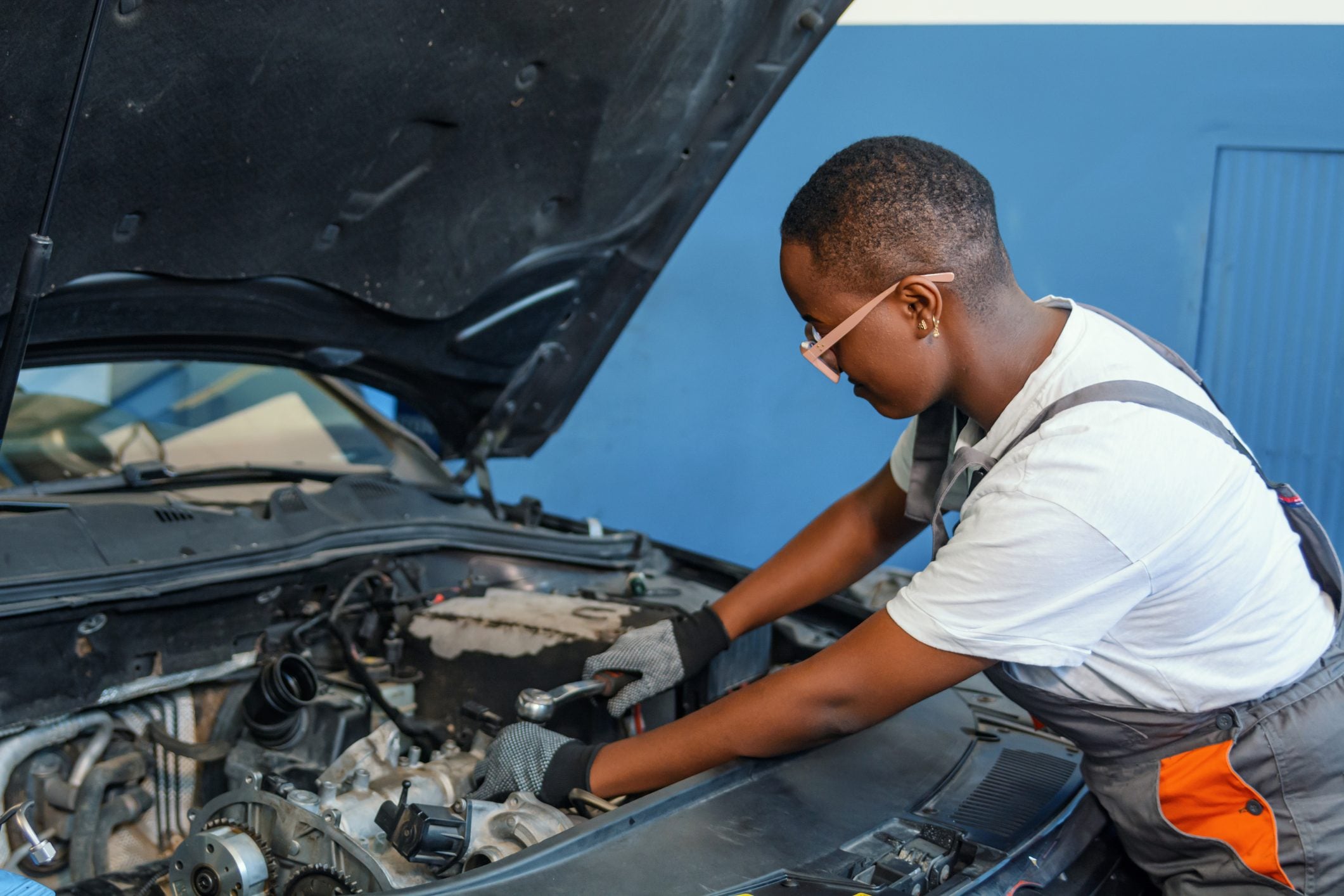

DIY car repair sounds heroic until you are lying under a bumper at 9:47 p.m., holding a flashlight in your teeth and wondering why every bolt appears to have been tightened by Thor. Still, learning basic car maintenance is one of the smartest things a vehicle owner can do. It can save money, prevent small problems from turning into dramatic wallet fires, and help you understand what your mechanic is actually talking about when they mention belts, fluids, filters, rotors, sensors, and other mysterious car organs.
The good news is that you do not need to become a full-time mechanic to handle simple DIY car repair. Many beginner-friendly taskschecking tire pressure, replacing windshield wipers, changing air filters, topping off washer fluid, testing a battery, inspecting lights, and keeping maintenance recordsare practical, affordable, and surprisingly satisfying. The less-good news is that not every repair belongs in your driveway. Brakes, steering, suspension, airbags, high-voltage electric vehicle systems, and complex diagnostics often deserve professional attention. In other words: confidence is great; overconfidence is how a weekend project becomes a Monday tow truck.
This guide explains what to know about DIY car repair before you grab a socket wrench and start negotiating with your engine bay. We will cover essential tools, easy repairs, safety rules, when to call a mechanic, how to avoid expensive mistakes, and real-world experiences that make car care feel less intimidating.
Why DIY Car Repair Is Worth Learning
DIY car repair is not only about saving money, though that is a major benefit. It is also about awareness. When you regularly inspect your car, you notice changes earlier: a tire losing air, a new squeak, a weak battery, a cracked belt, a low fluid level, or a warning light that should not be ignored. Early detection is the automotive version of finding a small leak before your kitchen becomes an indoor swimming pool.
Routine maintenance also supports safety and reliability. Tires, brakes, lights, fluids, filters, and batteries are basic systems, but they affect how well your car starts, stops, turns, cools, and survives daily driving. Following the maintenance schedule in your owner’s manual helps protect the engine, improve fuel efficiency, preserve resale value, and reduce the odds of surprise breakdowns.
Start With the Owner’s Manual, Not Internet Bravery
Before watching three videos and declaring yourself the neighborhood pit crew, open the owner’s manual. Your car’s manual tells you the correct oil type, tire pressure, maintenance intervals, fluid specifications, fuse locations, jacking points, and other vehicle-specific details. Generic advice can be helpful, but your manual is the authority for your specific make, model, year, engine, and trim.
This matters because cars vary widely. A simple spark plug change on one vehicle might be a 20-minute job, while another car may require removing half the intake system and your remaining optimism. The manual helps you avoid using the wrong fluid, overfilling the engine oil, lifting the vehicle from an unsafe point, or replacing parts that are not due yet.
Easy DIY Car Repairs for Beginners
1. Check and Maintain Tire Pressure
Tire pressure is one of the easiest DIY maintenance tasks and one of the most important. Use a quality tire pressure gauge and check the pressure when the tires are cold. The correct pressure is usually listed on a sticker inside the driver’s door jamb or in the owner’s manualnot on the tire sidewall. The sidewall number is typically the maximum pressure, not the recommended daily setting.
Properly inflated tires can improve handling, braking, fuel economy, tire life, and ride comfort. Underinflated tires can overheat, wear unevenly, and reduce efficiency. Overinflated tires can wear prematurely in the center and make the ride feel like your car has joined a trampoline club.
2. Replace Windshield Wiper Blades
Replacing wiper blades is a perfect beginner repair because it is inexpensive, fast, and instantly rewarding. If your wipers streak, chatter, squeak, or leave ghostly smears across the windshield, they are ready for retirement. Most blades clip on and off without tools, though the exact connector style varies.
Good visibility is not a luxury; it is a safety requirement. Replace wipers at least once a year or sooner if they perform poorly. Also refill washer fluid regularly, especially before road trips or winter driving.
3. Change the Engine Air Filter
The engine air filter prevents dirt and debris from entering the engine. A clogged filter can reduce performance and efficiency. Many filters sit inside a plastic air box secured by clips or screws, making replacement simple for most drivers.
Remove the old filter, note its orientation, clean loose debris from the air box, and install the new filter the same way. This job often takes less time than finding the right playlist for the garage.
4. Replace the Cabin Air Filter
The cabin air filter cleans air entering the passenger compartment through the heating and air conditioning system. If your car smells musty, airflow seems weak, or allergy season is turning your commute into a sneeze concert, check the cabin filter. Many are located behind the glove box, though some are tucked under the dash or near the cowl.
This is one of the best DIY car maintenance tasks because shops may charge significant labor for a part that can sometimes be replaced in five minutes.
5. Check Fluid Levels
Drivers can usually check engine oil, coolant, brake fluid, power steering fluid, transmission fluid, and windshield washer fluid, depending on the vehicle. Always check fluids according to the owner’s manual. Some modern transmissions do not have traditional dipsticks and should be serviced by professionals.
Never open a hot radiator or coolant reservoir cap. Hot coolant is under pressure and can cause serious burns. Let the engine cool fully before inspecting the cooling system. Also remember that low brake fluid may indicate worn brake pads or a leak, so do not simply top it off and forget about it.
6. Replace Light Bulbs
Headlights, brake lights, turn signals, reverse lights, and license plate lights are often DIY-friendly. A burned-out bulb can reduce visibility and attract unwanted attention from law enforcement. Check lights monthly by turning them on and walking around the vehicle, or ask a friend to help with brake lights.
Some modern cars use LED assemblies that are not as simple as old-school bulbs. If access requires removing major panels, research carefully before starting.
7. Test and Clean the Battery
A weak battery can turn a normal morning into a driveway opera. Many auto parts stores offer battery, alternator, and starter testing. At home, you can visually inspect the battery terminals for corrosion, swelling, leaks, loose connections, or damaged cables.
If you clean corrosion, wear gloves and eye protection. Disconnect the negative cable first and reconnect it last. Make sure you understand whether your vehicle needs a radio code, computer reset, or special battery registration procedure before replacing the battery yourself.
Intermediate DIY Repairs: Proceed With Respect
Once you are comfortable with basic maintenance, you may consider oil changes, spark plugs, drive belts, brake pads, or simple sensor replacement. These jobs can be manageable, but they require more preparation, correct tools, and careful attention to specifications.
Oil Changes
A DIY oil change can save money and help you inspect the underside of your vehicle. You will need the correct oil, the correct filter, a drain pan, gloves, a funnel, a filter wrench if needed, and a safe way to lift the car if ground clearance is limited. Always use jack stands if you lift the vehicle. Never rely on a jack alone.
Used motor oil and filters must be recycled or disposed of properly. Do not dump used oil into drains, soil, trash, or storm sewers. Many auto parts stores and local waste programs accept used oil for recycling.
Spark Plugs
Spark plugs can restore smooth running when they are worn, but the difficulty depends on engine design. Some are easy to reach; others are hidden under coils, intake components, or covers. Use the correct plug type, avoid cross-threading, and tighten to the proper torque. Too loose can cause problems; too tight can damage threads. Your engine is not a jar of pickles, so do not “just crank it harder.”
Brake Pads
Brake pad replacement is a common DIY job for experienced home mechanics, but it is safety-critical. If you are unsure, let a professional handle it. Brake work requires correct lifting, wheel removal, caliper handling, pad installation, rotor inspection, torque specifications, brake fluid awareness, and a careful test before normal driving.
Never guess with brakes. If the pedal feels soft, the car pulls, fluid is leaking, or warning lights appear, stop and get professional help.
Tools Every DIY Car Repair Beginner Should Own
You do not need a professional shop to start, but you do need safe, reliable tools. A basic DIY car repair kit should include:
- Owner’s manual and vehicle-specific repair guide
- Tire pressure gauge and portable air inflator
- Socket set and ratchet
- Screwdrivers in multiple sizes
- Pliers and adjustable wrench
- Torque wrench for critical fasteners
- Oil drain pan and funnel
- Work gloves and safety glasses
- Flashlight or headlamp
- Floor jack and jack stands rated for your vehicle
- Wheel chocks
- OBD-II scanner for reading diagnostic trouble codes
A torque wrench deserves special attention. Many parts must be tightened to exact specifications. Lug nuts, brake caliper bolts, spark plugs, oil drain plugs, and suspension fasteners are not places for “good enough” guessing. Too loose can be dangerous; too tight can strip threads or damage parts.
Safety Rules Before You Touch a Wrench
DIY car repair can be safe when done properly, but cars are heavy, hot, sharp, pressurized, electrical, chemical-filled machines. Treat them with respect.
Work on a Flat Surface
Use a level driveway or garage floor. Avoid soft ground, slopes, gravel, or unstable surfaces when lifting a vehicle.
Use Jack Stands
If the car is raised, support it with jack stands at approved jacking points. A hydraulic jack is for lifting, not for holding. This rule is non-negotiable.
Let the Engine Cool
Hot oil, coolant, exhaust parts, and metal surfaces can burn skin quickly. Let the vehicle cool before fluid checks or under-hood work.
Disconnect the Battery When Needed
For electrical repairs, disconnect the battery according to the manual. Be careful around airbags, hybrid systems, and electric vehicles. High-voltage systems should be left to trained professionals.
Wear Eye Protection
Dirt, rust, brake dust, metal flakes, fluids, and mystery garage debris have a magical ability to aim for your eyes. Safety glasses are cheap. Emergency rooms are not.
When Not to DIY: Repairs Best Left to Professionals
The smartest DIYers know when to stop. Some jobs require specialized tools, factory scan equipment, alignment machines, lifts, programming, or advanced diagnostic knowledge. Consider a professional mechanic for:
- Airbag and restraint system repairs
- Major brake hydraulic repairs
- Steering and suspension repairs affecting alignment
- Transmission repairs
- Internal engine work
- Fuel system repairs involving high pressure
- Air conditioning refrigerant service
- Hybrid and electric vehicle high-voltage systems
- Persistent overheating
- Complex electrical issues
- Repairs that could affect warranty coverage
There is no shame in calling a mechanic. In fact, knowing your limits is one of the most valuable DIY skills. The goal is not to prove you can fix everything. The goal is to keep the car safe, reliable, and out of the “I made it worse” category.
How to Diagnose Problems Without Guessing
Modern cars are rolling computers, and random parts replacement can get expensive fast. If a check engine light appears, an OBD-II scanner can read diagnostic trouble codes. However, a code does not automatically identify the failed part. For example, an oxygen sensor code might be caused by a vacuum leak, wiring issue, exhaust leak, fuel problem, or actual sensor failure.
Good diagnosis starts with symptoms, conditions, and evidence. Ask:
- When did the problem start?
- Does it happen when cold, hot, accelerating, braking, turning, or idling?
- Are there smells, sounds, leaks, warning lights, or vibrations?
- Was any recent work performed?
- Is the issue constant or intermittent?
Write down what you observe. Take photos before disassembly. Label parts and bolts. Keep receipts. A simple repair journal can save hours later, especially when your future self asks, “Where did this tiny clip come from?”
DIY Car Repair and Warranty Concerns
Performing your own maintenance does not automatically void a vehicle warranty in the United States, but you must use proper parts and fluids and keep records. Save receipts for oil, filters, plugs, batteries, and other parts. Record the date, mileage, and service performed. Follow the manufacturer’s maintenance schedule.
Warranty problems may arise if incorrect maintenance causes damage. For example, using the wrong oil, failing to tighten a drain plug, installing improper parts, or ignoring required service intervals can create trouble. When in doubt, document everything and choose professional service for warranty-sensitive repairs.
How to Choose a Repair Shop When DIY Is Not Enough
A good mechanic is not the enemy of DIY; a good mechanic is part of the team. Look for shops with current certifications, clear estimates, experience with your vehicle type, strong reviews, and transparent communication. Ask whether they use original equipment, aftermarket, remanufactured, or used parts. Request an explanation before approving major repairs.
A trustworthy shop will not make you feel foolish for asking questions. They should explain what failed, why it matters, what the repair includes, and whether the work is urgent. If a repair estimate sounds suspiciously dramatic“Your cabin filter is dirty, and civilization may collapse”get a second opinion.
Common DIY Car Repair Mistakes to Avoid
Buying Parts Before Diagnosing
Do not replace parts just because an online comment said, “It was definitely the sensor on my cousin’s car.” Diagnose first. Parts darts are expensive.
Ignoring Torque Specs
Many bolts require precise torque. Over-tightening can strip threads, warp rotors, crack housings, or break fasteners.
Mixing Fluids
Coolant, brake fluid, transmission fluid, power steering fluid, and oil are not interchangeable. Use only the correct specification.
Skipping Test Drives
After a repair, inspect the work, check for leaks, verify fluid levels, and test the car carefully in a safe area before regular driving.
Forgetting About Recalls
Check for open recalls using your vehicle identification number. Recall repairs are usually handled by dealerships at no cost to the owner.
DIY Car Repair for Electric and Hybrid Vehicles
Electric vehicles and hybrids often require less traditional maintenance because they have fewer moving parts and may use regenerative braking. However, they still need tire rotations, brake inspections, coolant service, cabin filters, wipers, suspension checks, and software or recall updates.
The high-voltage system is the major boundary. Orange cables, battery packs, inverters, and related components are not beginner DIY territory. Even experienced gas-car mechanics need specific training to work safely on high-voltage systems. For EVs and hybrids, focus on low-risk maintenance unless you are properly trained.
Real-World Experiences: What DIY Car Repair Teaches You
The first thing DIY car repair teaches is humility. A job described online as “easy, ten minutes” often takes an hour because your car has one hidden clip designed by someone who clearly had unresolved emotional issues. That is normal. The learning curve is part of the process.
One common beginner experience is replacing windshield wipers. It looks too simple to matter, but the first rainstorm after installing fresh blades feels like upgrading from cave drawings to high-definition television. That small success builds confidence. From there, many drivers move to checking tire pressure, replacing air filters, topping off washer fluid, and inspecting lights. These are easy wins, and easy wins matter because they turn car maintenance from scary mystery into repeatable habit.
Another useful experience is the first oil change. It teaches planning: buy the right oil, verify the filter, warm the engine slightly, position the drain pan, avoid dropping the drain plug into hot oil, replace the crush washer if required, tighten correctly, refill carefully, run the engine, check for leaks, recheck the level, and recycle the used oil. The job is not technically difficult, but it rewards patience. Rush it and you may end up wearing half a quart of oil like a mechanic-themed cologne.
Battery maintenance also teaches practical awareness. Many drivers first learn about battery problems when the engine cranks slowly on a cold morning. Cleaning corrosion from terminals, checking cable tightness, and testing the battery can prevent a future no-start situation. It also helps you understand that not every starting problem is “the battery.” Sometimes the alternator, starter, cables, parasitic drain, or even a poor connection is the real culprit.
DIY repair also teaches the value of good tools. Cheap tools can work for light jobs, but rounded bolts, slipping sockets, weak jacks, and inaccurate torque wrenches can turn simple maintenance into a very educational disaster. Buying tools gradually is better than buying everything at once. Start with what you need for basic tasks, then expand as your skills grow.
The biggest lesson is knowing when to stop. Many experienced DIYers have a personal rule: if the repair affects stopping, steering, airbags, structural safety, or high-voltage components, think very carefully before proceeding. Saving money is wonderful. Saving money while making the vehicle unsafe is not a victory; it is a plot twist.
DIY car repair can also improve conversations with mechanics. Once you understand the basics, you can describe symptoms more clearly, evaluate estimates more intelligently, and recognize when a recommendation makes sense. You do not need to challenge every shop like a courtroom attorney. You simply become an informed owner, which is better for your car and your budget.
Finally, DIY repair creates a satisfying connection with your vehicle. Cars are complex, but they are not magic. When you learn how fluids, filters, tires, brakes, batteries, belts, and sensors work together, driving feels different. You notice sounds earlier. You respect maintenance schedules. You stop ignoring warning lights and hoping they get bored and leave. That confidence is the real payoff.
Conclusion
DIY car repair is a practical skill, not a personality test. You do not have to rebuild an engine to be a capable car owner. Start with basic maintenance: tire pressure, wiper blades, fluid checks, filters, lights, battery inspection, and maintenance records. Use the owner’s manual, buy safe tools, follow torque specs, recycle used oil properly, and respect the line between beginner-friendly tasks and safety-critical repairs.
The best DIY approach is balanced. Do the jobs that are safe, simple, and well-documented. Learn gradually. Keep records. Ask questions. Call a professional when the repair requires advanced tools, training, or safety expertise. Done correctly, DIY car repair can save money, build confidence, extend vehicle life, and make you less likely to panic when your car makes a noise that sounds like a drawer full of spoons.
Note: This article is written for general educational purposes. Always follow your vehicle owner’s manual and consult a qualified mechanic for repairs involving safety systems, complex diagnostics, high-voltage components, or any task you are not fully comfortable performing.