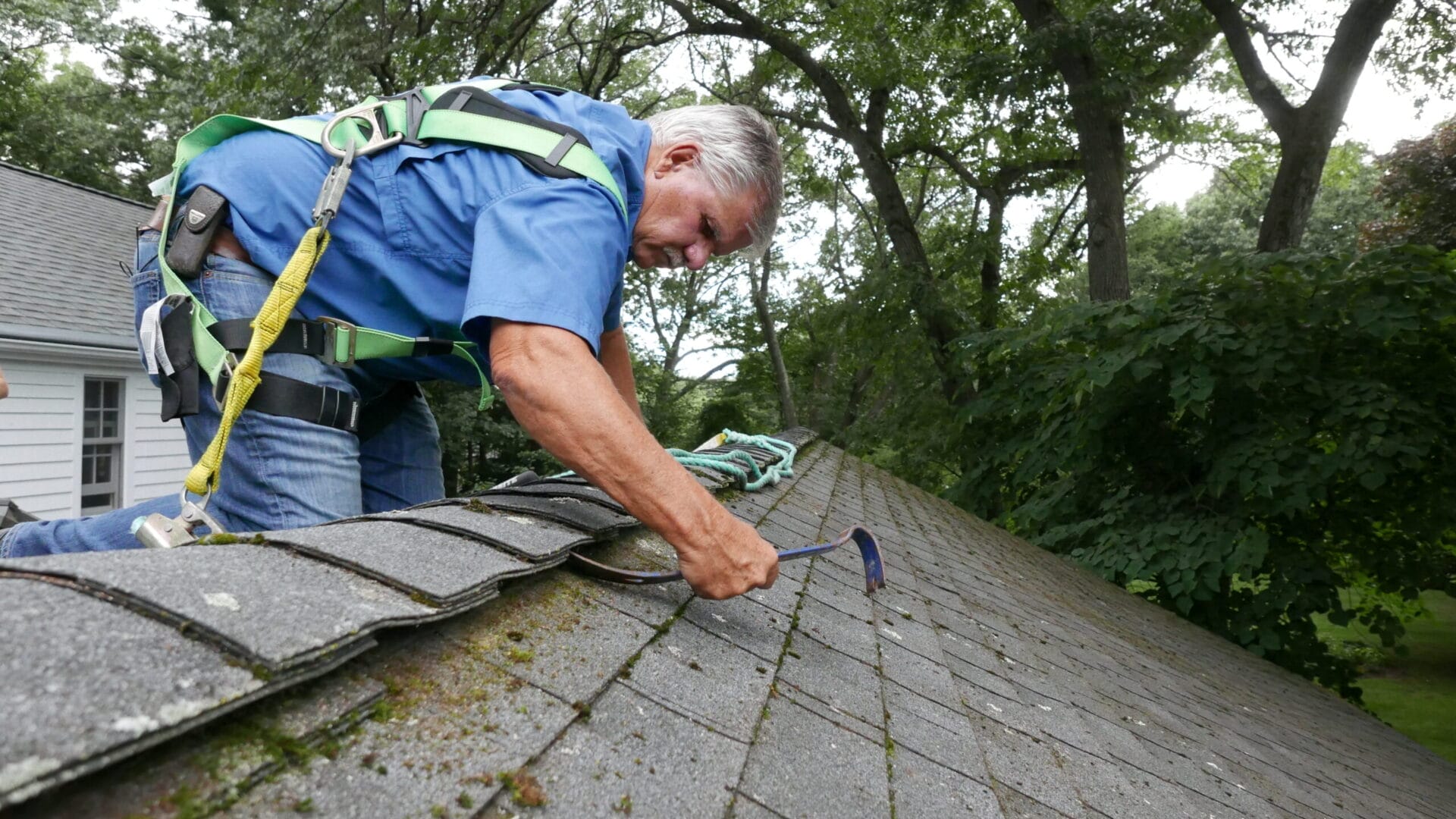

A mossy roof can look charming from the sidewalklike your house is auditioning for a cozy woodland calendar. Unfortunately, that soft green blanket is not just decorative. Moss holds moisture, traps debris, creeps under shingles, and can make your roof age faster than a banana left in a hot car.
The good news? A mossy roof is usually manageable when you understand what causes it, how to clean it safely, and how to prevent it from coming back like an uninvited guest with excellent survival skills. This guide explains what homeowners need to know about roof moss removal, moss prevention, roof cleaning safety, and long-term maintenancewithout turning your weekend into a slapstick ladder scene.
What Is Roof Moss, and Why Does It Grow?
Moss is a small, non-flowering plant that thrives in damp, shaded places. It does not need soil the way many plants do. Give it moisture, shade, organic debris, and a rough surface, and it will happily set up camp on your roof.
Roofs with moss problems often have one or more of these conditions:
- Heavy shade from nearby trees
- North-facing roof sections that dry slowly
- Clogged gutters or poor drainage
- Leaves, pine needles, and twigs sitting on shingles
- Older asphalt shingles with worn surface granules
- Cool, wet, or humid local weather
Moss is especially common on asphalt shingles and wood shakes because those surfaces can hold small bits of debris and moisture. Metal roofs are usually less friendly to moss because they shed water more quickly and provide fewer cozy places for spores to settle.
Is Moss on a Roof Really a Problem?
Yes, roof moss can become a problem if ignored. A tiny patch is not an emergency, but thick moss should not be treated like rooftop landscaping. Moss acts like a sponge. It holds water against the roof surface and slows drying after rain, fog, or snow.
On asphalt shingles, moss can grow between the overlapping edges. Over time, it may lift shingles slightly, allowing wind-driven rain and debris to get underneath. In colder climates, trapped moisture can freeze and expand, making the problem worse. Moss can also hide damaged shingles, soft spots, failing flashing, and clogged valleys.
In plain English: moss does not “eat” your roof like a tiny green monster, but it creates the conditions that help roof damage happen. That is why roof moss removal and prevention are important parts of regular roof maintenance.
Moss vs. Algae vs. Lichen: Know the Difference
Before cleaning your roof, identify what you are dealing with. Not every green, black, or gray patch is moss.
Moss
Moss usually looks green, fuzzy, raised, and cushion-like. It may turn brown during dry weather, but it can revive when moisture returns. If it looks like your roof is growing a tiny forest carpet, that is probably moss.
Algae
Algae often appears as black or brown streaks, especially on asphalt shingles. It is commonly a cosmetic issue, although it can make a roof look older than it is. Many modern shingles include algae-resistant granules to slow this staining.
Lichen
Lichen is a combination of fungus and algae. It often appears as flat, crusty, pale green, gray, or white patches. It can attach firmly to shingles, so aggressive scraping may cause damage.
Correct identification matters because the cleaning method should be gentle. When in doubt, ask a licensed roofing professional to inspect the roof before anyone starts scrubbing like they are cleaning a cast-iron skillet.
Safety First: Should You Clean Roof Moss Yourself?
Roof cleaning is not the same as washing a patio chair. Roofs are sloped, moss is slippery, and ladders are unforgiving. If the roof is steep, high, wet, fragile, or hard to access, hire a professional roof cleaner or roofer. Your roof is replaceable. You are not.
A homeowner may be able to handle light maintenance from the ground, such as visual inspections, gutter checks, or removing low-hanging branches. But walking on shingles can damage them, and walking on moss can be dangerously slick.
Call a professional if:
- The roof has a steep pitch
- The moss covers a large area
- Shingles are curling, cracking, loose, or missing
- The roof is more than 15–20 years old
- You see leaks, sagging, or soft spots
- You are not comfortable with ladder safety
Also, avoid cleaning during freezing weather, rain, strong wind, or extreme heat. A safe roof-cleaning day is dry, mild, and boring. Boring is excellent when ladders are involved.
How to Clean a Mossy Roof Without Damaging It
The safest roof moss cleaning approach is usually a gentle one. For asphalt shingles, the goal is to kill or loosen the moss without stripping away protective granules. Those granules help protect shingles from sunlight and weather, so blasting them away is a very expensive way to feel productive.
Step 1: Inspect Before Cleaning
Start with a careful visual inspection from the ground or from a safe ladder position. Look for missing shingles, damaged flashing, sagging areas, clogged gutters, and heavy debris. If the roof already looks fragile, do not clean it aggressively. Have it inspected first.
Step 2: Remove Loose Debris Gently
Leaves, twigs, and pine needles hold moisture and feed moss growth. A professional may use a soft brush, blower, or low-pressure method to clear loose debris. Airflow or brushing should move downward with the slope of the roof so debris is not pushed under shingle edges.
Avoid metal tools, wire brushes, stiff scraping, and anything that digs into the roof surface. If the tool looks like it belongs in a medieval dungeon, it probably does not belong on your shingles.
Step 3: Use a Roof-Safe Moss Treatment
Many roof moss treatments use ingredients designed to kill moss gradually. For asphalt shingles, manufacturers and roofing organizations often recommend low-pressure application of a properly diluted cleaning solution approved for roofing materials. Always follow the roof manufacturer’s instructions and the product label.
Never mix cleaning chemicals. Protect plants, siding, outdoor furniture, pets, and drainage areas from runoff. Rinse landscaping before and after roof treatment if the product label recommends it. Wear appropriate protective gear and keep children and pets away from the work area.
Step 4: Let the Treatment Work
Roof moss removal is not always instant. Once treated, moss may turn brown or gray and loosen over time. Rain and wind can help remove dead material gradually. This slow process is often safer for shingles than scraping everything off in one dramatic afternoon.
Thick moss may need more than one treatment or professional removal. The key is patience. Your roof is not a frying pan, and moss is not burnt cheese. Do not attack it with force.
Step 5: Rinse Only With Low Pressure When Needed
If rinsing is required, use low pressure. High-pressure washing can remove shingle granules, force water under shingles, void warranties, and shorten roof life. Pressure washing may look satisfying in a video, but your roof is not watching the video and clapping.
What Not to Do When Removing Roof Moss
Some cleaning mistakes can cause more damage than the moss itself. Avoid these common roof moss removal errors:
- Do not pressure wash asphalt shingles. It can strip granules and drive water under the roofing system.
- Do not scrape aggressively. Heavy scraping can break shingle edges and remove protective material.
- Do not use wire brushes. They are too harsh for most asphalt shingles.
- Do not ignore product labels. Roof cleaners must be used as directed.
- Do not walk on a wet or mossy roof. Moss can be extremely slippery.
- Do not clean a damaged roof before inspection. Cleaning can reveal or worsen existing issues.
A gentle roof cleaning strategy protects both the roof and the person cleaning it. When the roof is questionable, professional help is usually cheaper than a hospital bill plus a roof repair. That is what experts call “a very bad combo meal.”
How to Prevent Moss From Coming Back
Cleaning moss is only half the job. If the roof environment stays shady, damp, and full of debris, moss will return. Prevention is about making the roof less welcoming.
Trim Overhanging Branches
Tree shade is one of the biggest reasons moss grows. Trim branches that hang over the roof so sunlight and airflow can reach the shingles. This helps the roof dry faster after rain. It also reduces leaves, needles, and twigs that collect in valleys and gutters.
Do not butcher the tree like it insulted your family. Hire an arborist if major pruning is needed, especially near power lines or large limbs.
Keep Gutters Clean
Clogged gutters can cause water to back up along roof edges. That extra moisture creates a moss-friendly environment. Clean gutters at least twice a year, typically in spring and fall, and more often if your home sits under trees.
Also check downspouts. Water should flow away from the roof and foundation. If an upper roof drains directly onto a lower roof section, consider extending the downspout to reduce repeated wetting in one area.
Remove Roof Debris Regularly
Leaves and needles trap moisture. Moss loves that. Keep roof valleys, skylight edges, dormers, and low-slope areas clear. If you can safely remove debris from the ground with a roof-safe tool, great. If not, hire a professional.
Improve Sunlight and Airflow
Moss hates dry, sunny conditions. Your prevention plan should focus on drying the roof faster. Trimming trees, clearing debris, and improving drainage all help. In some cases, better attic ventilation may also support overall roof health by reducing moisture problems, although roof-surface moss is usually driven by exterior shade and dampness.
Install Zinc or Copper Strips
Zinc and copper strips are often installed near the roof ridge. When rainwater passes over the metal, tiny metal ions wash down the roof and help discourage moss and algae growth. These strips do not magically remove existing moss, but they can be useful after cleaning.
They work best when placed where rainwater can carry the protective effect across the problem area. On complex roofs with dormers, valleys, multiple levels, or interrupted water flow, strips may need strategic placement. A roofer can help decide where they make sense.
Choose Algae-Resistant Shingles When Replacing the Roof
If your roof is near the end of its life, replacement may be smarter than repeated cleaning. Many asphalt shingles now include copper-containing granules that help resist algae staining. While algae resistance is not the same as total moss prevention, modern shingles can support a cleaner-looking roof when combined with good maintenance.
How Often Should You Inspect a Roof for Moss?
Inspect your roof visually at least twice a year: once in spring and once in fall. Also check after major storms. You do not need to climb onto the roof. Use binoculars from the ground if needed, or hire a professional inspector.
Look for:
- Green moss patches
- Black algae streaks
- Leaves and debris in valleys
- Clogged gutters
- Lifted or curled shingles
- Granule loss near downspouts
- Damaged flashing around chimneys, vents, and skylights
Small problems are easier to handle than large ones. Think of moss prevention like dental care for your roof. A quick checkup is better than waiting until the roof needs the architectural version of a root canal.
When Moss Means You May Need Roof Repair
Moss alone does not always mean the roof is failing. However, heavy moss on an old roof can hide deeper problems. If shingles are brittle, curled, cracked, or missing granules, cleaning may not be enough.
Consider a professional roof inspection if you notice:
- Leaks inside the attic or ceiling
- Dark water stains indoors
- Soft or sagging roof decking
- Shingles lifting in multiple areas
- Large patches of missing granules
- Moss growing thickly in shingle seams
- Recurring moss shortly after cleaning
A qualified roofer can tell whether the roof needs cleaning, repair, or replacement. That decision matters because cleaning a worn-out roof may only make the old problems more visible.
Cost Factors for Roof Moss Cleaning
The cost to clean a mossy roof depends on roof size, pitch, height, moss thickness, roof material, local labor rates, and whether repairs are needed. A small, low-slope section with light moss may be inexpensive. A steep, two-story roof with heavy moss and tricky access will cost more.
Common cost factors include:
- Total roof square footage
- Number of roof levels
- Steepness and safety requirements
- Amount of moss and debris
- Type of roofing material
- Need for gutter cleaning
- Need for zinc or copper strip installation
- Any shingle or flashing repairs
Before hiring a roof cleaning company, ask what method they use. The answer should include low pressure, roof-safe treatment, plant protection, and respect for the roofing manufacturer’s recommendations. If someone proudly says they will “blast it clean,” politely escort that quote to the trash.
Best Seasonal Plan to Prevent a Mossy Roof
A simple seasonal maintenance plan can prevent most moss problems from getting out of control.
Spring
Check for winter debris, inspect gutters, look for moss growth, and schedule professional cleaning if needed. Spring is also a good time to trim light branches before they create summer shade.
Summer
Use dry weather for roof inspections, tree trimming, and repairs. Moss may look dormant in summer, but do not assume it is gone forever. Like a dramatic movie villain, it may return when conditions improve.
Fall
Clear leaves from gutters and roof valleys. Fall maintenance is especially important because wet leaves can sit on the roof through winter, feeding moisture problems.
Winter
Avoid climbing on icy or wet roofs. Watch for drainage issues, ice dams, and interior leaks. If moss is severe, plan professional service for safer weather.
Real-World Experiences: Lessons From Mossy Roof Maintenance
One of the biggest lessons homeowners learn about a mossy roof is that moss rarely appears overnight. It usually builds slowly. At first, it may look like a harmless green smudge near a shaded valley or under a tree branch. A year later, that smudge becomes a patch. A few rainy seasons after that, the roof looks like it has started growing eyebrows.
In many real-life cases, the mossiest section is not the whole roof. It is the part that stays damp the longest: the north-facing slope, the area below a maple tree, the section near a clogged gutter, or the lower roof where an upper downspout dumps water day after day. This is why cleaning alone often disappoints homeowners. They pay for moss removal, admire the clean shingles, and then see green patches returning because the roof environment never changed.
A practical homeowner experience is this: prevention is usually cheaper than rescue. Keeping gutters clear, trimming branches, and removing leaf piles may sound boring, but boring maintenance saves money. A roof does not need excitement. It needs drainage, airflow, sunlight, and a little attention before problems become dramatic.
Another lesson is that aggressive cleaning can backfire. Some homeowners see moss and immediately think, “Pressure washer!” That idea feels powerful, but asphalt shingles are not concrete. A pressure washer can remove the protective granules that help shingles resist UV damage and weather. The roof may look cleaner for a moment, but it can age faster afterward. Gentle cleaning may not deliver the instant satisfaction of a blasting nozzle, but it is kinder to the roof.
Many homeowners also discover that the best moss solution depends on roof age. A newer roof with light moss may respond well to careful treatment and prevention. An older roof with brittle shingles may need inspection before cleaning. If the shingles are already curled, cracked, or losing granules, moss removal is not a magic reset button. Sometimes the smartest move is to stop spending money on repeated cleaning and start planning for repair or replacement.
Zinc or copper strips are another area where expectations matter. They can help slow new growth, especially below the ridge where rainwater flows over the metal and down the shingles. But they are not invisible superheroes. They will not remove a thick moss colony already living on the roof, and they may not protect every corner of a complicated roofline. They work best as part of a complete prevention plan: clean first, improve sunlight and drainage, then add strips where they make sense.
Homeowners who manage moss successfully tend to build a routine. They look at the roof after storms. They clean gutters before winter. They notice branches getting too close. They call a professional before the roof becomes slippery, stained, and suspiciously fluffy. That routine is not glamorous, but neither is paying for premature roof replacement.
The final experience-based takeaway is simple: a moss-free roof is less about one heroic cleaning day and more about changing the conditions moss loves. Remove shade where possible. Reduce debris. Keep water moving. Treat moss gently and early. Do those things, and your roof has a much better chance of staying clean, dry, and quietly doing its jobwhich is exactly what a roof should do.
Conclusion
A mossy roof is not something to panic about, but it is also not something to ignore. Moss traps moisture, encourages debris buildup, and can lift or damage shingles over time. The safest approach is to inspect early, clean gently, avoid pressure washing, and focus on long-term prevention.
Trim overhanging branches, keep gutters flowing, remove debris, improve sunlight and airflow, and consider zinc or copper strips after cleaning. If the roof is steep, old, heavily covered, or already damaged, bring in a professional. The right roof moss prevention plan protects curb appeal, extends roof life, and keeps your home from slowly turning into a botanical exhibit.