
Getting to the North Pole sounds simple until you remember one tiny detail: there is no road, no airport lounge, no charming little “Welcome to 90° North” coffee shop, and no actual land under your boots. The geographic North Pole sits in the middle of the Arctic Ocean, on drifting sea ice that moves with wind and current. In other words, your destination is less like a city and more like a frozen treadmill with attitude.
Still, people do get there. Not many, and not casually, but it can be done with the right planning, money, training, timing, and respect for the Arctic. The three main ways to get to the North Pole are by specialized icebreaker expedition, by fly-in helicopter expedition, or by skiing the final degree of latitude across the polar pack ice. Each route offers a completely different flavor of adventure, from “I prefer my explorer moment with a warm cabin nearby” to “Please hand me a sled and a life-changing challenge.”
This guide breaks down the three realistic ways to reach the North Pole, what each option involves, who it suits best, what to prepare for, and why this trip is not the place to test whether your bargain-bin gloves are secretly magical.
First, Which North Pole Are We Talking About?
Before booking anything, make sure you mean the geographic North Pole, also called 90 degrees north latitude. This is the northern end of Earth’s rotational axis, where every direction points south. It is different from the magnetic North Pole, which shifts over time and is where compass needles point. It is also different from North Pole, Alaska, a real town with Santa-themed charm, roads, and significantly better snack access.
The geographic North Pole has no permanent buildings, no native landmass, and no fixed ice platform. It lies on floating Arctic sea ice. That makes every expedition a moving puzzle. A GPS may show you standing at 90° North one minute, and the drifting ice may carry you away from it the next. Congratulations: even standing still counts as travel.
Way 1: Take a North Pole Icebreaker Expedition
Best for: Travelers who want the most comfortable expedition-style route
The classic “big adventure without pulling a sled for ten hours a day” route is a North Pole icebreaker expedition. Traditionally, these journeys used powerful nuclear icebreakers departing from Arctic ports and pushing through heavy pack ice until reaching 90° North. The most famous vessel associated with this route has been the Russian icebreaker 50 Years of Victory, known for its enormous power and ability to break through thick multi-year ice.
On an icebreaker expedition, travelers usually spend days at sea watching the ship crush, split, and shove aside ice that would stop normal vessels instantly. The route may include lectures by polar experts, wildlife watching, helicopter sightseeing when conditions allow, and the surreal moment when the captain announces that the ship has reached the top of the world. Passengers then step onto the ice, take photos, celebrate, and try to process the fact that they are standing at the point where the planet’s lines of longitude meet.
What the icebreaker experience feels like
Compared with skiing or camping on the ice, an icebreaker is the luxury lane. You sleep in a cabin, eat prepared meals, have indoor warmth, and enjoy the safety systems of a serious expedition vessel. That does not mean it is a normal cruise. The Arctic decides the schedule. Ice conditions may slow the route. Fog can delay landings. Wildlife sightings are never guaranteed. And if you are expecting waterslides, buffet towers, and a steel-drum band, you have taken a wrong turn somewhere near Miami.
The biggest appeal is that this method makes the North Pole possible for people who want a real expedition but may not have the time, fitness, or desire to ski across shifting sea ice. You still need to be mobile, prepared for cold, and comfortable with remote travel. But you do not need to train like a polar athlete.
Important availability note
Icebreaker access to the North Pole has been strongly affected by geopolitical conditions, especially routes involving Russian territory. Some operators have paused or stopped marketing North Pole icebreaker cruises until circumstances allow them to operate safely and legally. That means this option may be more “historically established and possibly future-available” than “book it next Tuesday.” Travelers should verify current operations directly with reputable expedition companies before making plans.
Pros of going by icebreaker
An icebreaker expedition offers the most comfort, the least physical strain, and one of the most dramatic approaches to the pole. Watching a ship carve through Arctic sea ice is unforgettable. You also benefit from onboard experts, emergency systems, and a structured itinerary. For photographers, science-minded travelers, and bucket-list adventurers, this route is hard to beat.
Cons of going by icebreaker
It is expensive, highly seasonal, and not always available. The trip can take nearly two weeks or more, depending on the itinerary. You are also tied to the ship’s route and ice conditions. If geopolitical or permitting issues stop the season, there may be no easy substitute.
Way 2: Fly to a Polar Ice Camp and Helicopter to 90° North
Best for: Travelers who want the fastest route to the North Pole
The second major way to get to the North Pole is the fly-in route. In this version, travelers fly from a high-Arctic gateway, historically Longyearbyen in Svalbard or other northern staging points depending on the season and operator, to a temporary drifting ice camp near the pole. From there, a helicopter takes travelers to 90° North or close enough to walk the final steps with GPS in hand.
The most famous base associated with this style of expedition is Barneo Ice Camp, a seasonal camp built on drifting sea ice near 89° North. It has historically served scientists, skiers, marathon runners, and visitors making short North Pole journeys. The camp must be rebuilt each season because it sits on floating ice, not land. That is both impressive and slightly ridiculous in the best possible Arctic way: imagine building an airport runway on a giant ice cube that refuses to stay put.
What happens on a fly-in expedition
A typical fly-in trip may include arrival in a northern town, expedition briefings, weather delays, a special aircraft flight to the ice runway, time at the camp, and a helicopter ride to the pole. Once at 90° North, travelers usually spend a short time taking photos, walking around the world in a tiny circle, and absorbing the silence. Some trips include a night at the ice camp; others are designed to be shorter.
This route is attractive because it compresses the North Pole experience into a few intense days rather than a long voyage or ski expedition. It is still remote, costly, and weather-dependent, but it requires much less physical effort than skiing the last degree.
Who should choose the fly-in route?
This option suits travelers who want to stand at the geographic North Pole but do not want a long ship journey or a demanding ski expedition. It is also a good fit for people with limited time. However, “shorter” does not mean “easy.” Arctic flights can be delayed by weather, ice runway conditions, aircraft logistics, and shifting camp location. Anyone booking this trip should build extra time into the schedule and avoid planning a major meeting, wedding, or heroic return-to-office presentation the day after the expedition is supposed to end.
Pros of flying to the North Pole
The fly-in route is fast, thrilling, and direct. You may experience a polar aircraft landing, a drifting ice camp, a helicopter flight, and the final moment at 90° North in one compact expedition. It offers a strong adventure payoff without requiring weeks of travel.
Cons of flying to the North Pole
It depends heavily on specialized logistics. Ice camps may not operate every year, and routes can change. Weather delays are common. The price remains high because every flight, fuel drum, tent, radio, stove, and emergency plan must be moved into one of the most remote environments on Earth. This is not a place where the airline says, “We found you a cheaper connection through Denver.”
Way 3: Ski the Last Degree to the North Pole
Best for: Fit adventurers who want the true polar expedition experience
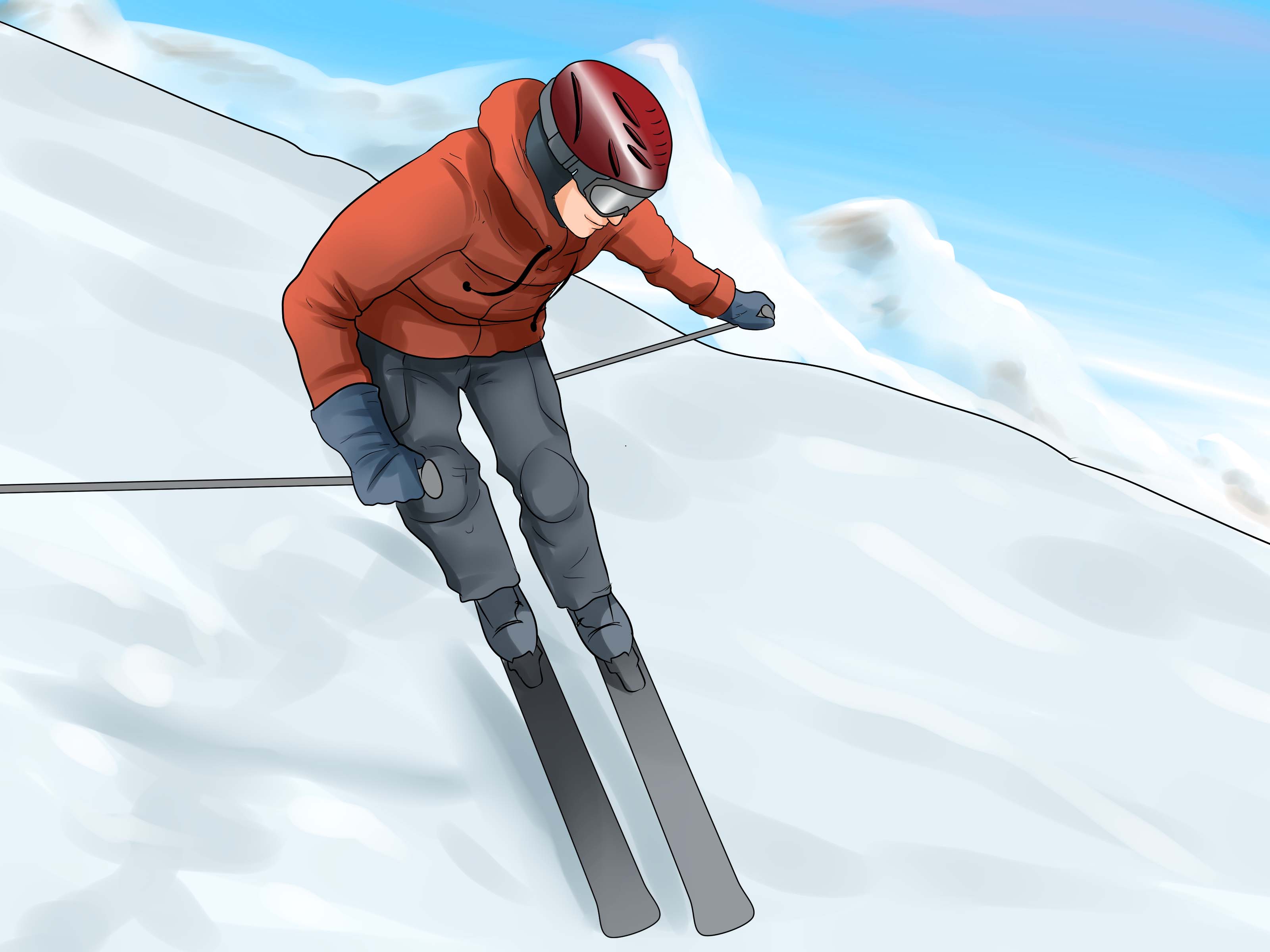
The most physically demanding popular route is the Last Degree ski expedition. A degree of latitude is roughly 60 nautical miles, so this journey usually means skiing from about 89° North to 90° North across drifting sea ice. Depending on conditions, teams may cover the distance over several days while pulling sleds loaded with food, fuel, tents, sleeping systems, and safety gear.
This is the route for people who do not just want to arrive at the North Pole; they want to earn every frozen inch of it. The terrain is not a smooth white carpet. Skiers may encounter pressure ridges, rubble fields, open-water leads, thin ice, whiteouts, and drift that can push the team off course. Some days, the ice may move in your favor. Other days, it may carry you backward while you sleep, because the Arctic has a dark sense of humor.
What training is required?
A Last Degree expedition requires strong endurance, cold-weather confidence, and the ability to function while tired, cold, and uncomfortable. Participants should be ready for long days on skis, sled hauling, camp chores, melting snow for water, managing moisture inside clothing layers, and following strict guide instructions. Prior winter camping, skiing, mountaineering, or expedition experience is extremely helpful.
Many reputable operators require screening before accepting participants. That is not snobbery; it is survival planning. The North Pole is not the right classroom for learning that you dislike cold, teamwork, or going to the bathroom in a windproof system while wearing several layers of clothing.
What makes skiing to the North Pole special?
Skiing the Last Degree offers the deepest connection to the environment. You hear the ice creak. You feel the snow texture change. You learn how much work is hidden behind every “epic expedition” photo on social media. The final arrival at 90° North feels different because your body has participated in the story.
This option also gives travelers a taste of historic polar exploration, though with modern navigation, satellite communication, technical clothing, and professional guides. You are not recreating the old expeditions exactly, which is good, because old polar explorers often had a troubling relationship with frostbite, nutrition, and common sense.
Pros of skiing the Last Degree
It is the most meaningful option for serious adventurers. The route offers challenge, teamwork, solitude, and a genuine sense of achievement. It is also shorter than a full unsupported North Pole expedition, making it more realistic for trained non-professionals.
Cons of skiing the Last Degree
It is physically and mentally demanding. Conditions can be brutal, and delays may disrupt the schedule. Costs are high because the expedition still needs aircraft support, guides, camp logistics, communications, emergency planning, and specialized gear. It also depends on the availability of safe ice access and seasonal logistics.
When Is the Best Time to Go to the North Pole?
North Pole expeditions are usually tied to narrow seasonal windows. Ski and fly-in trips have historically centered around April, when there is enough daylight and the sea ice may still support temporary operations. Icebreaker voyages, when available, often take place later in the Arctic summer, when ships can navigate the ice more effectively.
Timing is never just about comfort. Arctic sea ice changes dramatically through the year. It grows during winter and melts during summer, while long-term warming trends have reduced the extent and thickness of sea ice in recent decades. This matters for every expedition route. Thinner, less predictable ice can affect aviation, skiing, ship travel, and safety decisions.
How Much Does It Cost to Get to the North Pole?
There is no budget backpacker version of the geographic North Pole. Costs vary widely by route, season, operator, cabin class, support level, and included logistics. Fly-in trips and ski expeditions often cost tens of thousands of dollars per person. Icebreaker expeditions, when operating, may also sit in that range or higher depending on accommodations and itinerary length.
Why so expensive? Because you are paying for remote aircraft, polar guides, emergency systems, specialist clothing advice, communications, fuel, food, permits, camp infrastructure, medical planning, and a logistics chain that would make a wedding planner weep into a clipboard. At the North Pole, even a cup of hot soup has a backstory.
What to Pack for a North Pole Expedition
Your operator will provide a detailed gear list, and you should follow it exactly. This is not the moment to improvise because you found “basically the same thing” online for 70 percent off. Essential items often include expedition-grade base layers, insulated mid-layers, a polar parka, windproof shell layers, insulated boots, vapor barrier systems, mitts, liner gloves, goggles, face protection, headlamps if needed, personal medication, and dry bags.
For ski trips, gear may also include skis, bindings, sled harnesses, sleeping systems, insulated pads, stoves, navigation tools, and group safety equipment. Many operators supply or rent technical expedition gear. Always test boots, gloves, goggles, and layering systems before departure. The North Pole is a terrible place to discover that your socks bunch up like rebellious lasagna.
Health and Safety Considerations
Cold injuries are the main concern. Frostbite can affect fingers, toes, cheeks, nose, and ears. Hypothermia can develop when the body loses heat faster than it can produce it, especially if clothing becomes wet from sweat, snow, or condensation. Good guides teach travelers how to manage layers, protect skin, eat enough calories, drink enough fluids, and recognize early warning signs.
Remote travel also means limited medical access. Evacuation may be delayed by weather or aircraft availability. Travelers should have appropriate medical clearance, emergency evacuation coverage, and trip cancellation insurance that specifically covers polar expedition activities. Read the fine print. If your policy excludes “travel on drifting ice near the top of the planet,” that is not a small detail.
Travel Documents and Gateway Logistics
Many North Pole trips stage through Arctic gateways such as Longyearbyen, Svalbard, or other northern hubs depending on current logistics. Svalbard has a special travel status: it is part of Norway but outside the Schengen Area. Travelers who need a Schengen visa to pass through mainland Norway must make sure their visa allows the necessary entries, especially for the return from Svalbard to mainland Norway.
U.S. travelers visiting Norway for tourism generally do not need a visa for short stays under normal Schengen rules, but passport validity, entry rules, and travel authorization systems can change. Always check official travel information before booking. Also remember that remote Arctic trips may require additional operator paperwork, medical forms, insurance documentation, and signed risk acknowledgments. Yes, there will be forms. Adventure may be wild, but administration remains undefeated.
Which North Pole Route Is Right for You?
Choose an icebreaker expedition if you want the most comfortable and scenic way to reach the North Pole and are willing to wait for routes to become available. Choose a fly-in helicopter expedition if your priority is standing at 90° North with the shortest possible time commitment. Choose a Last Degree ski expedition if you want the challenge, hardship, and satisfaction of moving across the Arctic Ocean under your own power.
For most travelers, the fly-in route is the fastest, the icebreaker is the most comfortable, and the ski expedition is the most rewarding physically and emotionally. None of them is simple. All of them require flexibility, patience, and a willingness to let the Arctic have the final vote.
Extra Experience Section: What It Really Feels Like to Chase the Top of the World
The North Pole is not just a destination; it is an experience that rearranges your sense of scale. The first surprise is the quiet. Not ordinary quiet, like a library or a hotel hallway at midnight, but a huge, open silence that feels almost alive. On the ice, sound travels strangely. A boot crunch, a jacket rustle, or a distant crack in the sea ice can seem louder than it should. You become aware of small things: the rhythm of your breathing, the fog on your goggles, the way cold air finds the one square inch of skin you forgot to cover.
Travelers often describe the Arctic light as one of the most memorable parts of the journey. In spring, the sun may circle the horizon without fully setting, creating long shadows and a pale glow that makes the landscape feel dreamlike. The ice is not simply white. It can be blue, silver, gray, pink, or gold depending on the sun and cloud cover. Pressure ridges rise like frozen waves. Open leads reveal dark water beneath the ice, a reminder that the “ground” is really an ocean wearing a winter coat.
On a fly-in expedition, the emotional peak may come when the aircraft lands on the temporary ice runway. There is something wonderfully unreasonable about stepping out of a plane onto floating sea ice near the top of the world. The camp may include heated tents, communications gear, fuel stores, and expedition staff moving with calm efficiency. Everything looks temporary because everything is temporary. The ice drifts. The weather changes. The camp exists for a brief season and then disappears.
On a ski expedition, the experience becomes more personal. Your world narrows to the next ski stride, the next break, the next warm drink, the next safe campsite. A simple meal tastes luxurious. Dry socks become a treasure. Teamwork matters more than personality. The person who helps fix a frozen binding or shares a calm word in a whiteout becomes your favorite human for at least the next six hours. You learn that polar travel is not about dramatic hero poses; it is about small competent actions repeated again and again.
On an icebreaker, the wonder is mechanical as well as natural. Standing on deck as the ship breaks through sea ice can feel like watching engineering argue with geology. The hull rises, presses, cracks, and opens a path. Passengers may gather outside in parkas, cameras ready, while experts explain ice types, Arctic wildlife, navigation, and climate science. Even with warm cabins below, the place never lets you forget where you are.
The final moment at 90° North is oddly playful. People take photos, wave flags, hug teammates, call home by satellite phone if possible, or walk in tiny circles around the pole so they can technically travel through every time zone. It is a little silly and completely magnificent. There may be no mountain summit, no monument, and no permanent marker. Yet that is the magic. The North Pole is a point on a moving surface, an idea made physical for a few brief minutes under your boots.
Most people leave with two memories: the achievement of reaching 90° North and the humility of realizing how temporary human plans feel in the Arctic. The North Pole does not care about your itinerary, your camera battery, or your inspirational caption. It simply exists, cold and shifting, at the top of the world. Getting there is difficult. That is exactly why it matters.
Conclusion
There are three main ways to get to the North Pole: by icebreaker, by fly-in helicopter expedition, or by skiing the Last Degree. Each path offers a different balance of comfort, speed, cost, risk, and physical challenge. The icebreaker route is the most comfortable when available, the fly-in route is the fastest, and the ski route is the most demanding and immersive.
Whichever option you choose, the North Pole requires serious preparation. Work only with reputable expedition operators, verify current logistics, understand visa and insurance requirements, train honestly, and respect the Arctic environment. This is not a casual vacation; it is a rare journey to one of Earth’s most extreme places. Pack carefully, stay flexible, and bring a sense of humor. At 90° North, even the compass gives up and says, “You’re on your own, buddy.”