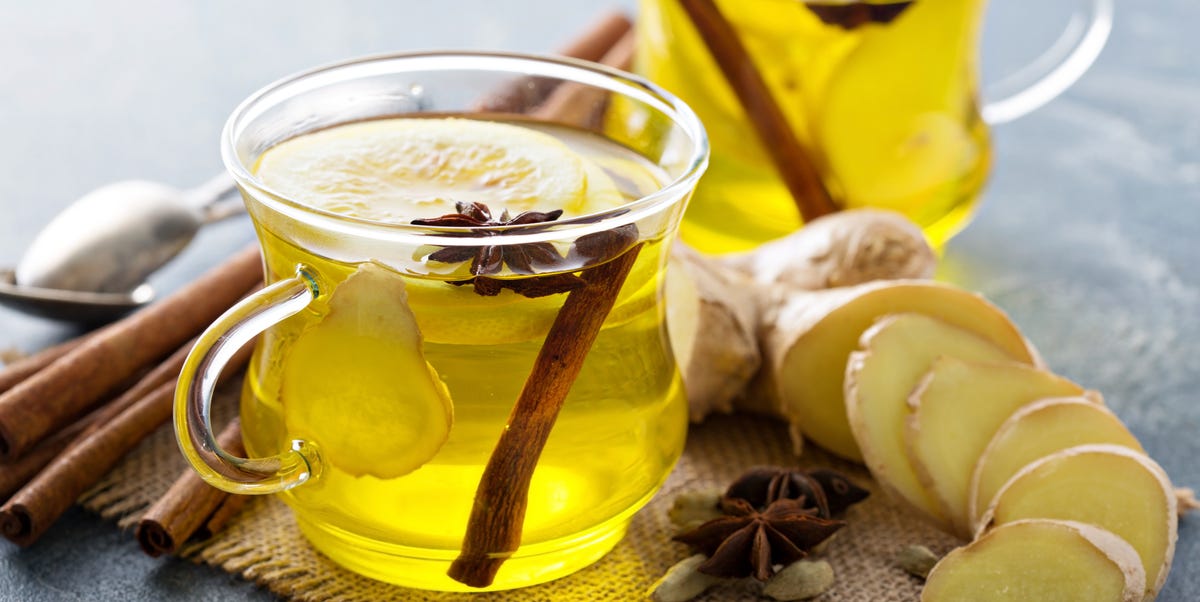

Ginger is one of those overachievers in the kitchen that somehow tastes warm, sharp, bright, and comforting all at once. It can wake up a stir-fry, save a bland cup of tea, and make cookies smell like a holiday with excellent manners. But beyond its culinary charm, ginger has earned serious attention for its potential health benefits too.
If you have ever sipped ginger tea for an upset stomach or reached for ginger chews when your body felt like it was auditioning for a pirate ship, you are not alone. Fresh ginger and dried ginger have both been studied for nausea, digestion, inflammation, and pain-related symptoms. The important part is this: ginger is helpful in some situations, promising in others, and absolutely not magic. It is a root, not a wizard.
In this guide, we will break down nine health benefits of ginger, compare fresh and dried ginger, and show practical ways to use both forms without turning your pantry into a wellness-themed obstacle course.
Fresh Ginger vs. Dried Ginger: What Is the Difference?
Fresh ginger and dried ginger come from the same plant, but they do not behave exactly the same way. Fresh ginger has a juicy texture and a lively, almost citrusy bite. Dried ginger is warmer, more concentrated, and easier to store. In practical terms, fresh ginger shines in teas, soups, sauces, smoothies, and savory dishes. Dried ginger works beautifully in baking, spice blends, oatmeal, and quick pantry-friendly remedies.
They also differ a bit in their natural compounds. Fresh ginger is especially known for gingerols, while dried ginger contains more shogaols after processing and dehydration. That sounds very science-lab, but the everyday takeaway is simple: both forms can be useful, and neither one needs to pick a fight with the other. Fresh ginger is the bold, juicy cousin. Dried ginger is the reliable one who always shows up on time.
| Form | Best For | Flavor Profile | Easy Uses |
|---|---|---|---|
| Fresh Ginger | Tea, soups, stir-fries, smoothies, dressings | Bright, spicy, zesty | Slice, grate, mince, steep |
| Dried Ginger | Baking, tea bags, oatmeal, spice rubs | Warm, concentrated, slightly sweeter | Stir into recipes or steep in hot water |
9 Health Benefits of Ginger
1. Ginger May Help Ease Pregnancy-Related Nausea
One of ginger’s most studied benefits is its role in easing nausea during pregnancy. Research suggests it may help reduce nausea associated with morning sickness, especially when used in modest amounts. That is why ginger tea, ginger chews, and ginger-infused warm water are so commonly recommended in real life.
Still, “natural” does not automatically mean “take as much as you want and become a ginger-powered superhero.” Pregnant women should talk with a healthcare professional before using ginger supplements, especially higher-dose capsules. Culinary amounts in food or tea are one thing. Concentrated supplement doses are another story entirely.
2. It Can Calm an Upset Stomach
Ginger has a long reputation as a stomach-settler, and this is one of the reasons it remains so popular. It may help reduce everyday queasiness, mild nausea, and that vague “my stomach and I are currently not on speaking terms” feeling. Ginger seems to work more directly on the digestive tract than on the brain, which helps explain why many people find it useful when their stomach feels off.
Fresh ginger tea is a classic option here. Slice a few coins of fresh ginger, steep them in hot water, and add lemon if you like. Dried ginger also works well in tea bags or as a pinch of powdered ginger stirred into warm water. If your stomach is sensitive, start small. Ginger should comfort your digestive system, not challenge it to a duel.
3. Ginger May Support Digestion
Another potential ginger benefit is digestive support. Some evidence suggests ginger may help food move through the digestive tract more efficiently and may stimulate digestive juices and saliva flow. That can make it especially appealing after a heavy meal or when bloating makes your jeans feel personally offended.
This does not mean ginger is a cure-all for chronic digestive problems. But as part of a balanced eating routine, it can be a helpful add-on. Try fresh grated ginger in soups and broths, or use dried ginger in oatmeal, yogurt, or warm milk alternatives for a cozy, digestion-friendly finish to the day.
4. It May Reduce Menstrual Cramp Severity
Among the more impressive uses for ginger is its potential to reduce the severity of menstrual cramps. Some studies suggest ginger supplements may help with dysmenorrhea, which is the medical term for painful periods. For many people, that makes ginger a practical option worth discussing with a clinician, especially if cramps regularly interrupt school, work, sleep, or basic human happiness.
Fresh and dried ginger can both fit into a comfort routine during a period. Ginger tea, warm soups with ginger, or even adding ginger to rice bowls can feel soothing. That said, if pain is severe or worsening, it is important not to shrug it off and say, “Well, I guess my uterus is just dramatic.” Persistent pain deserves medical attention.
5. Ginger Has Anti-Inflammatory Properties
Ginger contains compounds that have been linked to anti-inflammatory activity. This is one reason it keeps showing up in conversations about pain, recovery, and overall wellness. The word “inflammation” gets tossed around online like confetti at a parade, but in plain English, it refers to processes in the body that can contribute to discomfort and disease when they are excessive or ongoing.
Adding ginger to food is an easy way to include these plant compounds in your diet without overcomplicating things. Fresh ginger works beautifully in marinades, dressings, and stir-fries. Dried ginger is perfect in spice blends, roasted vegetables, and soups. No cleanse required. No mysterious powder from a stranger on the internet required either.
6. It May Offer Antioxidant Support
Ginger is also known for antioxidant activity. Antioxidants help protect cells from oxidative stress, which sounds very technical but basically refers to wear-and-tear damage caused by unstable molecules in the body. You do not need to memorize that for dinner conversation, but it helps explain why plant foods rich in active compounds are often associated with better long-term health habits.
Of course, one teaspoon of ginger will not cancel out an entire lifestyle built on sleep deprivation, stress, and late-night drive-thru decisions. Still, using ginger regularly in a varied diet is a smart, realistic move. Think of it as one good habit among many, not a hall pass for chaos.
7. Ginger May Modestly Ease Osteoarthritis Pain
Some evidence suggests ginger may help reduce symptoms of knee osteoarthritis, though the overall quality of research has been mixed. The keyword here is modestly. Ginger is not a miracle substitute for physical therapy, medication, movement, or medical care. But it may be a helpful piece of the puzzle for some adults dealing with joint discomfort.
If you are interested in using ginger for joint health, food-based use is a simple place to start. Add fresh ginger to sautéed vegetables, chicken marinades, or noodle bowls. Use dried ginger in soups, roasted squash, or anti-inflammatory-style spice blends. If you are considering supplements, get professional advice first, especially if you take blood thinners or have an upcoming surgery.
8. It May Help With Exercise-Related Muscle Soreness
Ginger has also been studied for muscle pain after exercise, and some research suggests it may modestly reduce soreness. That makes it appealing for active people who like to work out enthusiastically and then spend the next two days walking like they have been defeated by a staircase.
This does not mean ginger replaces sleep, hydration, protein, or recovery time. Sadly, nothing has managed to fully overthrow the consequences of overdoing leg day. But as part of a recovery-friendly routine, ginger can make sense. Try it in a smoothie with fruit, in a post-workout soup, or in a simple ginger-citrus tea.
9. Ginger May Be a Helpful Add-On for Treatment-Related Nausea
Ginger has been explored as an add-on for nausea related to chemotherapy and other medical treatments. The results are mixed, but some studies suggest it may help when used alongside standard anti-nausea medications. That “alongside” part matters. Ginger should not replace a treatment plan prescribed by a healthcare team.
This is also where safety becomes especially important. Ginger supplements can interact with certain medications, and high doses may not be appropriate for everyone. If someone is undergoing cancer treatment, preparing for surgery, or taking anticoagulants, they should check with a clinician before using concentrated ginger products. Ginger tea in food-level amounts may be one thing. High-dose supplements are a different conversation.
Best Uses for Fresh Ginger
Fresh Ginger Works Well In:
- Homemade ginger tea
- Soups and broths
- Smoothies
- Stir-fries and noodle dishes
- Salad dressings and marinades
- Fresh juices or wellness-style shots
Fresh ginger has a more vibrant flavor and a little theatrical flair. It announces itself. A few slices steeped in hot water create a strong, warming tea. Grated into garlic, soy sauce, and citrus, it makes marinades taste smarter than they actually are. It also pairs especially well with carrots, squash, lemon, honey, and turmeric.
Best Uses for Dried Ginger
Dried Ginger Shines In:
- Tea bags and quick hot drinks
- Oatmeal and overnight oats
- Baked goods like muffins and cookies
- Spice rubs for fish, chicken, or tofu
- Warm cereals and yogurt bowls
- Pantry-friendly soups and sauces
Dried ginger is the practical champion of the spice cabinet. It lasts longer, travels better, and does not require peeling, grating, or muttering at a cutting board. If fresh ginger is the charismatic lead singer, dried ginger is the drummer who quietly keeps the whole band together.
How Much Ginger Is Reasonable?
For most healthy adults, food-level use of ginger is generally considered safe. Some experts recommend staying around 3 to 4 grams per day, with lower amounts during pregnancy unless a clinician advises otherwise. Very high intakes can trigger heartburn, reflux, diarrhea, mouth irritation, or stomach discomfort.
If you are using ginger every now and then in tea, meals, or baking, you are probably in the casual-and-reasonable zone. If you are taking capsules, concentrated powders, extracts, or multiple ginger products at once, slow down and read labels. “More” is not always “better.” Sometimes more is just a faster route to heartburn with a side of regret.
Who Should Be Careful With Ginger?
Ginger deserves a caution label in a few situations. Talk to a healthcare professional before using concentrated ginger supplements if you are pregnant, taking blood thinners, dealing with a bleeding disorder, or preparing for surgery. The same goes for anyone managing a serious medical condition or undergoing treatment for cancer or chronic disease.
In short, ginger is a useful food and a promising supportive remedy, but it is not a substitute for diagnosis, medication, or individualized care. If symptoms are frequent, severe, or persistent, let a clinician handle the big stuff while ginger sticks to what it does best.
Real-Life Experiences With Fresh and Dried Ginger
One reason ginger remains so popular is that it fits into real life without needing a dramatic lifestyle overhaul. People do not need a special subscription box, a crystal shelf, or a six-step morning ritual involving chanting at the sun. They just need a small knob of fresh ginger, a jar of ground ginger, or a box of ginger tea in the cabinet.
A common experience with fresh ginger is using it when the stomach feels unsettled. Someone wakes up feeling queasy, slices a few pieces of ginger into hot water, and sips slowly. The effect is not always instant, and it is not the same as taking a prescription anti-nausea medicine, but many people describe a gradual settling feeling. The warmth helps, the flavor wakes up the senses, and the act of sipping something simple often feels manageable when a full meal sounds impossible.
Dried ginger often earns its stripes during busy weeks. It is easier to keep on hand, which means it actually gets used. A pinch goes into oatmeal on rushed mornings. A little gets stirred into soup on cold evenings. Someone baking muffins or banana bread adds ground ginger and suddenly the whole kitchen smells like competence and comfort. That consistency matters. The best healthy ingredient is often the one you will actually use instead of admiring from a distance like a decorative lifestyle choice.
People also tend to notice that fresh and dried ginger create different experiences. Fresh ginger feels sharper, brighter, and more energizing. It works well when you want a stronger tea or a lively flavor in savory food. Dried ginger feels warmer and gentler, especially in baked goods, oatmeal, or milder teas. Neither form is automatically better. They simply suit different moments. Fresh ginger is great when you want a bold kick. Dried ginger is ideal when you want convenience without culinary drama.
Another real-world pattern is that people often pair ginger with other simple habits rather than expecting it to do everything alone. A person dealing with mild nausea may use ginger tea while also eating smaller meals. Someone hoping to ease post-workout soreness may add ginger to meals while also prioritizing water, stretching, and rest. During a painful period, ginger tea may become part of a comfort routine that also includes a heating pad, lighter meals, and actual permission to rest. That layered approach tends to feel more realistic and more effective than treating ginger like a lone superhero in a root costume.
There is also a practical emotional side to ginger that does not get enough credit. Warm ginger tea feels soothing. Ginger in soup makes bland food taste less depressing. A sprinkle of dried ginger can make a basic breakfast feel intentional instead of accidental. Sometimes a food helps because of chemistry, sometimes because of comfort, and often because of both. That does not make the experience less real. It makes it more human.
Over time, many people end up using ginger not because it promises miracles, but because it is useful, flexible, and pleasantly low-maintenance. It can support digestion, add flavor, and fit into everyday routines without a fight. That may be the most impressive thing about it. Ginger is not flashy wellness theater. It is a practical ingredient with a long track record, a strong flavor, and just enough evidence to earn a regular place in the kitchen.
Final Thoughts
Ginger has earned its reputation honestly. It may help with nausea, digestive discomfort, menstrual cramps, inflammation-related pain, and some forms of soreness. Fresh ginger and dried ginger both have value, and the best choice usually depends on your taste, your routine, and what is actually in your kitchen right now.
If you want the simplest strategy, keep both forms around. Use fresh ginger when you want bright flavor and stronger tea. Use dried ginger when you want convenience, shelf life, and easy everyday cooking. That way, whether your stomach is grumbling, your joints are cranky, or your oatmeal is boring, ginger is ready for duty.
SEO Tags