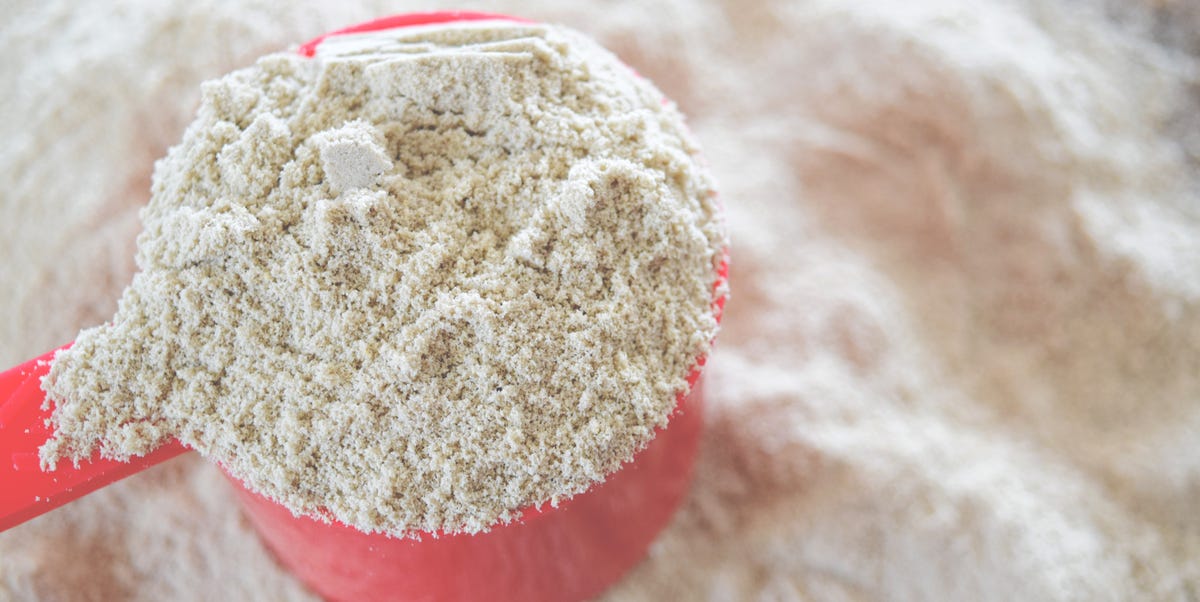

Plant-based protein powder has come a long way from the beige, gritty concoctions that tasted suspiciously like someone blended a cardboard box with lawn clippings. The best vegan protein powders of 2024 delivered solid protein, improved textures, genuinely enjoyable flavors, and formulas designed for everyone from casual smoothie drinkers to competitive athletes.
This guide compares 13 standout products using protein content, amino acid quality, ingredient transparency, independent certification, dietary accommodations, mixability, flavor, and overall usefulness. Product formulas can change, so always check the current container before buyingespecially when managing allergies or avoiding particular sweeteners.
Our Top Vegan Protein Powder Picks
- Best overall: Ritual Essential Protein Daily Shake 18+
- Best for serious training: Vega Sport Premium Protein
- Best organic sports formula: Garden of Life Sport Organic Plant-Based Protein
- Best everyday value: Orgain Organic Plant-Based Protein Powder
- Best minimalist formula: Naked Pea
- Best budget pea protein: NOW Sports Pea Protein
- Best chocolate flavor: KOS Organic Plant Protein
- Best without gums: Sprout Living Epic Protein Vanilla Lucuma
- Best short ingredient list: Truvani Plant-Based Protein
- Best high-protein option: OWYN Pro Elite Protein Powder
- Best brown rice protein: Sunwarrior Classic Protein
- Best hemp protein: Nutiva Organic Hemp Protein
- Best with probiotics: EarthChimp Organic Vegan Protein Powder
How We Chose the Best Plant-Based Protein Powders
A giant number printed on the front of a tub does not automatically make a protein powder excellent. We prioritized products offering roughly 18 to 30 grams of protein per serving, practical ingredient lists, complementary plant proteins or well-designed amino acid profiles, reasonable sugar levels, and clear allergen information.
Independent verification also mattered. Dietary supplements are not approved by the FDA for safety or effectiveness before reaching the market, meaning manufacturers carry much of the responsibility for safety and accurate labeling. Certifications from organizations such as NSF Certified for Sport and Informed Choice provide additional reassurance through outside testing and manufacturing oversight.
Flavor and texture were considered because a nutritionally impressive powder is not particularly useful when it remains untouched at the back of the pantry, quietly judging your abandoned fitness goals.
13 Best Vegan Protein Powders of 2024
1. Ritual Essential Protein Daily Shake 18+ Best Overall
Ritual earned the overall spot by balancing nutrition, transparency, and simplicity. Its vanilla shake provides 20 grams of pea protein, supplemented with L-methionine to create a more complete amino acid profile. One serving supplies approximately 8 grams of essential amino acids and 4 grams of branched-chain amino acids.
The formula is particularly appealing to shoppers who care about ingredient traceability. Ritual identifies ingredient suppliers and manufacturing locations and publishes information about heavy-metal testing. The vanilla flavor is noticeable without becoming cupcake frosting in powdered form.
Best for: Daily smoothies, breakfast shakes, and people who prioritize transparent sourcing.
Consider before buying: It comes primarily in familiar dessert flavors, so shoppers wanting a completely neutral powder should look elsewhere.
2. Vega Sport Premium Protein Best for Serious Training
Vega Sport was one of the strongest performance-oriented vegan protein powders available in 2024. It supplies 30 grams of plant protein and approximately 5 grams of BCAAs per serving, making it suitable for post-workout recovery and higher-protein nutrition plans.
The protein traditionally comes from multiple plant sources, including pea, pumpkin seed, sunflower seed, and alfalfa. Most importantly for tested athletes, Vega’s performance products have carried NSF Certified for Sport or Informed Choice credentials, depending on the product and formulation.
Best for: Strength training, endurance workouts, competitive athletes, and people who want 30 grams of protein without using two scoops from a smaller formula.
Consider before buying: The concentrated flavor and sweetener profile can seem bold when mixed only with water.
3. Garden of Life Sport Organic Plant-Based Protein Best Organic Sports Formula
Garden of Life Sport combines organic ingredients with an athlete-friendly protein dose. Each serving provides 30 grams of plant protein from sources such as peas, beans, lentils, and seeds, plus approximately 5.5 grams of BCAAs and 5 grams of glutamine.
The formula also includes a recovery blend containing ingredients such as tart cherry, turmeric, apple, blueberry, and goji berry. Those extras should not replace a balanced diet, but they make this a more comprehensive post-exercise shake than plain pea protein. The product has been associated with NSF Certified for Sport and Informed Choice testing.
Best for: Athletes wanting organic ingredients and independent sports certification.
Consider before buying: The long ingredient list may be unnecessary for anyone who prefers an ultra-simple powder. Stevia is also noticeable in some flavors.
4. Orgain Organic Plant-Based Protein Powder Best Everyday Value
Orgain became a supermarket staple for good reason: it is accessible, versatile, and usually more affordable per serving than boutique powders. Its classic organic formula provides 21 grams of vegan protein, with pea and brown rice among its principal protein sources.
Depending on the flavor and updated formula, a serving may also contain several grams of fiber or prebiotic fiber. Orgain offers chocolate, vanilla, unsweetened, and seasonal varieties, making it easy to find something that works in oatmeal, pancakes, or smoothies.
Best for: Families, new vegan-protein users, baking, and daily smoothies on a moderate budget.
Consider before buying: Some versions are thicker and sweeter than minimalist powders. Read the exact label because fiber and sweetener amounts vary among flavors.
5. Naked Pea Best Minimalist Formula
Naked Pea proves that a protein powder does not need an ingredient panel resembling a chemistry exam. The unflavored version contains one ingredient: yellow pea protein. It provides approximately 27 grams of protein per serving and contains no artificial flavors, colors, or sweeteners.
Because it is neutral rather than genuinely flavorless, Naked Pea works best in smoothies, soups, oatmeal, and recipes containing stronger ingredients. Blend it with banana and cocoa and it behaves beautifully. Shake it with plain water and expect peas to introduce themselves.
Best for: Ingredient purists, savory recipes, customized smoothies, and shoppers avoiding dairy, gluten, and soy.
Consider before buying: Unflavored pea protein has an earthy taste and can become chalky if too little liquid is used.
6. NOW Sports Pea Protein Best Budget Pea Protein
NOW Sports offers a straightforward way to add protein without paying premium-brand prices. The unflavored pea protein isolate provides 24 grams of protein per serving, along with more than 4,000 milligrams of naturally occurring BCAAs and approximately 2,000 milligrams of arginine.
Flavored varieties are also available, although protein amounts can differ slightly. The powder is especially useful for recipes because it does not bring a complicated blend of fruits, greens, vitamins, and mystery sparkle dust to the mixing bowl.
Best for: Cost-conscious shoppers, meal-prep fans, and people who want a flexible unflavored powder.
Consider before buying: Its texture is functional rather than milkshake-smooth. A blender usually produces better results than a spoon and blind optimism.
7. KOS Organic Plant Protein Best Chocolate Flavor
KOS is designed for people who want their protein shake to taste like a treat rather than a contractual obligation. Each serving supplies 20 grams of protein from a five-source blend of pea, flaxseed, quinoa, pumpkin seed, and chia seed proteins.
The complementary blend provides all nine essential amino acids. KOS also includes fiber, digestive enzymes, vitamins, and minerals, creating a thicker, more filling shake than a single-ingredient isolate. The chocolate flavor has a rich cocoa character that works particularly well with oat milk and frozen banana.
Best for: Chocolate lovers, breakfast smoothies, and shoppers seeking an all-in-one organic blend.
Consider before buying: The larger ingredient list may not suit people who want protein and absolutely nothing else.
8. Sprout Living Epic Protein Vanilla Lucuma Best Without Gums
Sprout Living Epic Protein stands out by emphasizing whole-food ingredients and avoiding gums, artificial flavors, erythritol, and sugar alcohols. Vanilla Lucuma delivers 20 grams of complete plant protein with real vanilla, lucuma, baobab, and cinnamon.
The result is a gently sweet, almost graham-cracker-like flavor that feels more culinary than candy-inspired. It blends smoothly but still has the substantial body expected from a whole-food formula.
Best for: People avoiding gums or sugar alcohols, smoothie enthusiasts, and anyone bored with standard vanilla.
Consider before buying: Premium ingredients typically mean a premium price, and lucuma’s distinctive flavor may not disappear in delicate recipes.
9. Truvani Plant-Based Protein Best Short Ingredient List
Truvani combines a short organic ingredient list with a surprisingly dessert-like flavor. Depending on the variety, formulas contain roughly three to eleven ingredients and provide about 20 grams of protein from sources such as pea, pumpkin seed, and chia seed.
The brand avoids erythritol, gums, stevia, artificial flavors, and added sugar in its core formulas, using monk fruit for sweetness. Chocolate earned particular praise in independent taste testing for its natural cocoa flavor and smooth consistency.
Best for: People who read every ingredient label, dislike stevia, or want a richer shake without sugar alcohols.
Consider before buying: Monk fruit still has a distinctive sweetness, and Truvani is not among the cheapest options per serving.
10. OWYN Pro Elite Protein Powder Best High-Protein Option
OWYN Pro Elite delivers 30 grams of vegan protein per serving, making it one of the most convenient choices for people with higher protein targets. Its multi-source blend uses ingredients such as pea, pumpkin seed, flax, and chia proteins.
OWYN is also known for avoiding major allergens, including dairy and soy, although anyone with a serious allergy should always verify the current label and manufacturing statement. The powder comes in approachable vanilla and chocolate flavors and contains no sugar in the Pro Elite version.
Best for: Higher-protein diets, workout recovery, and shoppers avoiding several common allergens.
Consider before buying: Thirty grams can be more than some people need in a snack, and the thick texture may require extra liquid.
11. Sunwarrior Classic Protein Best Brown Rice Protein
Sunwarrior Classic takes a different path from the pea-heavy competition by using fermented whole-grain brown rice protein. Depending on the flavor and serving size, it provides approximately 18 to 20 grams of organic plant protein.
It is vegan, soy-free, gluten-free, dairy-free, and available unflavored or flavored. Brown rice protein has a mild toasted-grain personality that works well in oatmeal, energy bites, and fruit smoothies.
Best for: People who do not tolerate pea protein well or want an organic rice-based alternative.
Consider before buying: Rice protein can feel slightly sandy when stirred by hand, and flavored versions may contain stevia.
12. Nutiva Organic Hemp Protein Best Hemp Protein
Nutiva Organic Hemp Protein is the earthy, practical member of the group. It uses hemp seed protein and provides approximately 15 grams of plant protein per serving. Hemp naturally contributes fiber and minerals, so it behaves more like a ground whole-food ingredient than an ultra-refined isolate.
The flavor is nutty and grassy, which can be excellent with berries, banana, cinnamon, nut butter, or cocoa. It is considerably less convincing with plain water unless your dream beverage has always been “forest floor, lightly shaken.”
Best for: Whole-food smoothies, people seeking hemp protein, and recipes where added fiber is welcome.
Consider before buying: It provides less protein per scoop than concentrated pea isolates and has a visibly rustic texture.
13. EarthChimp Organic Vegan Protein Powder Best with Probiotics
EarthChimp combines organic pea, pumpkin, sunflower, and coconut proteins to deliver 20 grams of complete plant protein. The formula includes probiotics and digestive enzymes while avoiding gums, refined sugar, artificial flavoring, and common dairy ingredients.
Its texture is thicker than a pure isolate but generally smoother than many fiber-heavy powders. EarthChimp works especially well in blended breakfasts, where the extra body helps turn fruit and plant milk into something that resembles an actual meal rather than colorful water.
Best for: Smoothie drinkers, shoppers avoiding gums, and people who want protein plus probiotics in one scoop.
Consider before buying: Added digestive ingredients are not essential for everyone, and probiotic benefits can depend on the strains, amounts, storage, and individual user.
How to Choose the Right Vegan Protein Powder
Match the Protein Amount to Your Goal
A powder containing 18 to 22 grams is convenient for breakfast, snacks, and moderate activity. Products containing around 30 grams may be more practical after demanding workouts or for people with higher daily protein needs.
Protein powder is not automatically necessary, however. The NIH notes that many athletes can meet their needs through food, while supplements can help when convenience, appetite, or scheduling makes adequate intake difficult.
Look Beyond the Total Grams
Protein is made from amino acids, including nine essential amino acids the body cannot manufacture. Soy is naturally complete, while brands using pea, rice, pumpkin, chia, quinoa, or other sources may combine proteins or add a limiting amino acid to improve the overall profile. A varied plant-based diet also supplies complementary amino acids throughout the day; every meal does not need to become an elaborate protein-combining puzzle.
Check Sweeteners and Digestive Additions
Stevia and monk fruit reduce added sugar but have distinctive aftertastes. Sugar alcohols can cause bloating or digestive discomfort in some people. Inulin, acacia fiber, probiotics, and enzyme blends may be useful additionsor unnecessary complicationsdepending on your digestion and existing diet.
Prioritize Third-Party Testing When It Matters Most
Competitive athletes should look for the certification on the exact product, not merely the brand’s homepage. NSF Certified for Sport and Informed Sport or Informed Choice programs screen certified products for label accuracy, contaminants, or prohibited substances according to their respective standards. A company may certify only selected formulas.
Respect Allergies and Medical Needs
“Plant-based” does not mean allergen-free. A powder may contain soy, coconut, peanuts, tree nuts, or ingredients processed in shared facilities. People with kidney disease, significant digestive conditions, allergies, pregnancy-related concerns, or medication interactions should discuss supplement use with a qualified clinician or registered dietitian.
What Using Vegan Protein Powder Is Actually Like
Nutrition labels tell you how much protein is in the scoop. They do not tell you whether the scoop will disappear into the powder, whether your shaker bottle will sound like it contains gravel, or whether the vanilla flavor will make your coffee taste like a birthday candle. Everyday experience matters.
The First Week: Texture Is Usually the Biggest Surprise
People switching from whey often expect plant protein to dissolve the same way. It usually does not. Pea protein creates a thicker drink, rice protein may feel slightly sandy, and hemp protein proudly refuses to pretend it is anything other than a ground seed. None of those textures are automatically bad, but liquid ratios matter.
A useful starting point is 10 to 12 ounces of liquid for every standard scoop. Add the liquid first, then the powder. This prevents the mysterious concrete layer that otherwise forms in the bottom corner of a shaker bottle. Letting the drink sit for one minute after shaking can also improve hydration and reduce dry pockets.
Blender Results Are Different from Shaker-Bottle Results
In a blender, KOS, Orgain, Truvani, Sprout Living, and EarthChimp become creamy enough to feel like breakfast. Add frozen banana and the experience becomes dangerously close to dessert. In a shaker bottle, minimalist options such as Naked Pea and NOW Sports are convenient but noticeably more utilitarian.
For commuting, a smooth flavored powder usually wins. For cooking, the unflavored isolates are far more flexible. A spoonful can disappear into tomato soup, lentil stew, pancake batter, overnight oats, or homemade energy bites without turning dinner into vanilla pudding.
Sweetness Can Become More Noticeable Over Time
A sample that tastes exciting on day one may feel intensely sweet by day twelve. This is especially common when a powder is mixed with sweetened plant milk, banana, dates, and flavored yogurtthe smoothie equivalent of wearing four perfumes at once.
When a formula tastes too sweet, switch to unsweetened soy milk, cold coffee, ice, or plain oats. Another practical trick is combining half a scoop of flavored protein with half a scoop of an unflavored powder. This keeps the protein content while turning down the dessert volume.
Digestive Comfort Is Highly Individual
Some users tolerate single-source pea or rice protein better than complex blends. Others prefer formulas containing fiber, enzymes, or probiotics. The only reliable approach is to begin with a partial serving and observe how the body responds before committing to a heroic double scoop.
Rapidly increasing protein and fiber at the same time can be uncomfortable. Adequate fluids and gradual changes are far less glamorous than a dramatic transformation challenge, but they usually produce a better week.
The Best Powder Is the One That Fits an Existing Habit
A 30-gram sports powder makes sense after training. A lightly flavored 20-gram option is easier for breakfast. Unflavored pea protein is useful for recipes, while hemp excels in thick berry smoothies. Buying according to an imaginary future lifestyle often leads to an expensive tub becoming kitchen décor.
The most successful routine is usually boringly simple: keep a shaker at work, add one dependable powder to morning oatmeal, or blend the same three-minute smoothie after exercise. Consistency beats owning seven flavors and treating the pantry like a protein-powder museum.
Final Verdict
Ritual Essential Protein Daily Shake 18+ was the best all-around vegan protein powder of 2024 for its transparent sourcing, complete amino acid approach, approachable flavor, and practical 20-gram serving. Vega Sport and Garden of Life Sport were stronger choices for athletes seeking 30 grams of protein and sports-focused certification.
Orgain offered the easiest balance of availability and value, while Naked Pea and NOW Sports suited shoppers who wanted uncomplicated protein without a parade of extras. KOS, Truvani, and Sprout Living proved that plant protein could taste enjoyable without requiring a blender full of peanut butter to negotiate peace.
No single powder is best for every person. Choose according to protein needs, allergies, sweetener preferences, budget, certification requirements, and how the product will actually be used. The right vegan protein powder should make nutrition easiernot become another large container you move every time you need the oatmeal.