
Canned chickpeas are the pantry equivalent of a reliable friend: they may not arrive in a flashy package, but they are always ready when dinner has become a five-alarm emergency. Also called garbanzo beans, canned chickpeas are already cooked, which means you are not starting from scratch. You are starting from “I have 20 minutes and one questionable zucchini.” That is a beautiful place to begin.
With the right method, canned chickpeas can be creamy, crispy, saucy, smoky, tangy, crunchy, or wonderfully mashed into something that makes toast feel like it got a promotion. You can sauté them until golden, bake them into a crunchy snack, simmer them in tomato sauce, toss them into salads, blend them into hummus, or turn them into a fast dinner with whatever vegetables are loitering in your refrigerator.
This guide explains how to cook canned chickpeas using several easy methods, how to season them, what mistakes to avoid, and how to turn one humble can into meals that do not taste like a pantry rescue mission.
Start Here: How to Prepare Canned Chickpeas
Before you sauté, roast, or transform your chickpeas into a snack that mysteriously disappears before dinner, give them a little attention. The prep is simple, but it makes a major difference in flavor and texture.
1. Check the can before opening
Skip cans that are swollen, leaking, severely rusted, or badly dented along the seam. A can should look boringly normal. This is one situation where boring is a compliment.
2. Drain and rinse the chickpeas
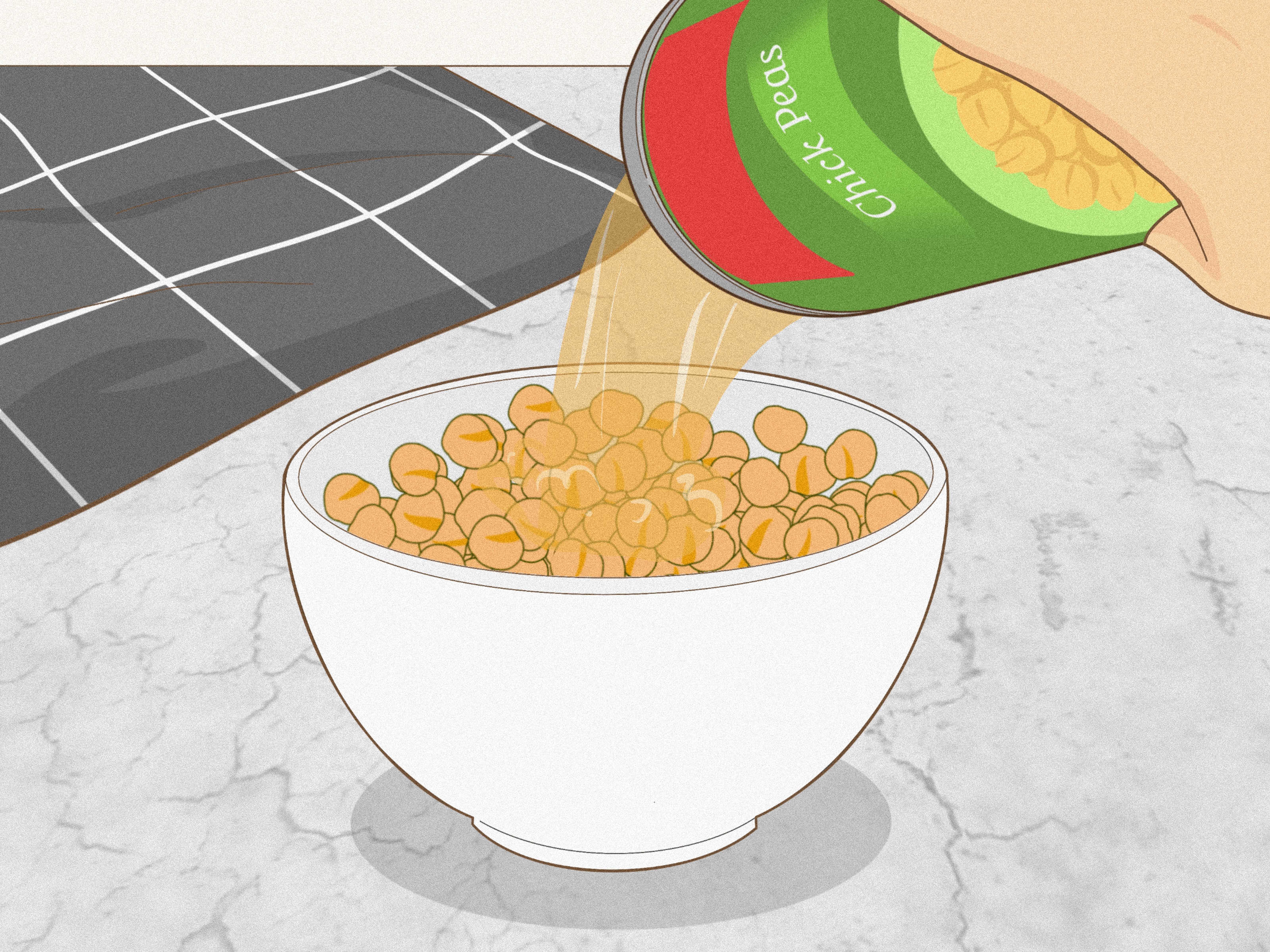
Pour the chickpeas into a colander and rinse them under cool running water. Rinsing removes the thick canning liquid, reduces the salty taste, and gives the beans a cleaner flavor. It also helps seasonings stick more evenly later.
3. Dry them well
If you want crispy roasted chickpeas or nicely browned sautéed chickpeas, dryness is not optional. Spread the chickpeas on a clean kitchen towel or paper towels and gently pat them dry. Some skins may loosen and fall away. You can discard them, but there is no need to turn this into a tiny bean surgery operation.
4. Decide what texture you want
- Crispy: Dry thoroughly, use oil, and cook in a skillet, oven, or air fryer.
- Creamy: Simmer in broth, sauce, or water until softer and more tender.
- Saucy: Add chickpeas to tomato sauce, curry, soup, or braising liquid.
- Mashed: Warm them first, then mash with olive oil, lemon, garlic, or broth.
- Fresh and quick: Toss rinsed chickpeas into salads, grain bowls, or wraps.
How to Sauté Canned Chickpeas in a Skillet
Sautéed chickpeas are one of the fastest ways to make canned beans taste intentional. They become warm and tender inside, lightly crisp outside, and ready to carry nearly any flavor profile you throw at them.
Basic Sautéed Chickpeas Recipe
You will need:
- 1 can chickpeas, drained, rinsed, and dried
- 1 to 2 tablespoons olive oil or another cooking oil
- Salt and black pepper
- Optional seasonings such as garlic powder, smoked paprika, cumin, chili flakes, curry powder, or Italian seasoning
- Optional finishers such as lemon juice, fresh herbs, grated Parmesan, hot sauce, or tahini
Step-by-Step Method
- Heat a large skillet over medium heat for about one minute.
- Add the oil and let it warm until it looks glossy and loose.
- Add the dried chickpeas in a single layer. They may make a few dramatic popping sounds. This is normal. They are simply announcing their arrival.
- Cook for 7 to 12 minutes, shaking the pan or stirring every couple of minutes.
- Once the chickpeas are golden in spots and slightly crisp around the edges, add dried spices and salt.
- Cook for another 30 to 60 seconds, just until fragrant.
- Finish with lemon juice, chopped parsley, grated cheese, or another bright ingredient.
For the best browning, avoid stirring constantly. Chickpeas need a little time against the hot pan to develop color. If you keep moving them every three seconds, they will remain pale and polite instead of becoming golden and delicious.
Easy Sautéed Chickpea Flavor Ideas
- Smoky Taco Chickpeas: Cumin, smoked paprika, chili powder, garlic powder, lime juice, and cilantro.
- Greek-Style Chickpeas: Oregano, lemon zest, garlic, feta, parsley, and chopped olives.
- Warm Curry Chickpeas: Curry powder, turmeric, cumin, a splash of coconut milk, and spinach.
- Garlic Parmesan Chickpeas: Garlic powder, black pepper, grated Parmesan, and parsley.
- Spicy Honey Chickpeas: Chili flakes, paprika, a small drizzle of honey, and a pinch of salt.
How to Bake Canned Chickpeas for a Crispy Snack
Baked chickpeas are crunchy, customizable, and much more exciting than staring at a bag of chips while pretending you are not hungry. They are excellent as a snack, but they also work as a topping for salads, soups, grain bowls, roasted vegetables, pasta, and even pizza.
Basic Oven-Roasted Chickpeas
You will need:
- 1 can chickpeas, drained, rinsed, and dried very well
- 1 tablespoon olive oil
- 1/2 teaspoon salt, or to taste
- Optional spices
How to Bake Them
- Preheat the oven to 400°F.
- Line a rimmed baking sheet with parchment paper, or lightly oil the pan.
- Toss the dried chickpeas with olive oil and salt.
- Spread them in a single layer with a little space between them.
- Roast for 25 to 35 minutes, shaking the pan once or twice.
- Add delicate herbs, cheese, citrus zest, or sugar-based seasonings after roasting so they do not burn.
- Cool the chickpeas on the baking sheet for 5 to 10 minutes. They often become crisper as they cool.
The exact cooking time depends on your oven, the moisture level of the chickpeas, and whether your baking sheet has been secretly warped since 2014. Start checking around 25 minutes. You want them deeply golden, dry on the outside, and pleasantly nutty rather than hard enough to qualify as landscaping gravel.
Best Seasonings for Roasted Chickpeas
Dry spices work best before roasting. Sticky or fresh ingredients are usually better after the chickpeas come out of the oven.
- Classic Savory: Garlic powder, onion powder, paprika, and black pepper.
- Warm and Earthy: Cumin, coriander, turmeric, and a pinch of cayenne.
- Ranch-Inspired: Dried dill, garlic powder, onion powder, parsley, and salt.
- Sweet and Spicy: Cinnamon, cayenne, a tiny pinch of brown sugar, and salt.
- Middle Eastern-Inspired: Za’atar, sumac, sesame seeds, and lemon zest.
- Everything Bagel Style: Everything seasoning added during the last few minutes of roasting.
How to Cook Canned Chickpeas in Sauces, Soups, and Curries
Not every chickpea needs to be crispy. In fact, canned chickpeas are especially good at soaking up bold sauces. They are already cooked, so they do not need a long simmer to become edible. However, a few extra minutes in a flavorful liquid can turn them from “bean from a can” into “why is this weeknight dinner unexpectedly excellent?”
Tomato-Braised Chickpeas
For a simple tomato chickpea skillet, sauté onion in olive oil until soft. Add garlic, red pepper flakes, tomato paste, canned tomatoes, chickpeas, salt, and a splash of broth or water. Simmer for 10 to 15 minutes until the sauce thickens. Finish with spinach, basil, parsley, feta, Parmesan, or a fried egg.
Serve tomato-braised chickpeas with crusty bread, pasta, rice, couscous, polenta, or a spoon. No judgment. The spoon has earned it.
Quick Chickpea Curry
Heat oil in a skillet, then cook onion, garlic, and ginger until fragrant. Add curry powder, cumin, turmeric, and a pinch of chili flakes. Stir in chickpeas, diced tomatoes, and coconut milk. Simmer for 10 minutes, then add spinach or kale. Serve over rice with lemon or lime wedges.
Because canned chickpeas are firm enough to hold their shape, they are ideal for quick curries. They will absorb flavor without collapsing into mush after one short simmer.
Chickpeas in Soup
Add canned chickpeas to vegetable soup, chicken soup, minestrone, lentil soup, or a brothy pasta dish during the final 10 minutes of cooking. They bring a creamy bite and make lighter soups more filling.
For a thicker soup, mash about one-quarter of the chickpeas directly in the pot. This adds body without needing cream or flour. It is a small trick with a big payoff, like wearing actual pants for a video call.
How to Make Canned Chickpeas Softer for Hummus and Mash
Canned chickpeas are convenient, but some brands are firmer than others. That is fine for salads and skillet meals, yet it can make hummus or mashed chickpeas feel slightly grainy. The solution is simple: cook them a little longer before blending or mashing.
Quick Softening Method
- Add drained chickpeas to a saucepan.
- Cover with water and add a small pinch of baking soda.
- Simmer for 5 to 7 minutes, until the chickpeas are very soft.
- Drain well and rinse if needed.
- Blend while still warm with tahini, lemon juice, garlic, olive oil, and salt for smoother hummus.
For a rustic chickpea mash, warm the chickpeas with olive oil, garlic, broth, lemon juice, and black pepper. Mash with a fork or potato masher until chunky. Spoon it over toast, fold it into pasta, or use it as a side dish with roasted chicken, fish, or vegetables.
Other Easy Ways to Cook Canned Chickpeas
Air-Fried Chickpeas
Preheat the air fryer to about 390°F. Toss dried chickpeas with a little oil and salt, then cook for 12 to 16 minutes, shaking the basket once or twice. Season after cooking if your seasoning contains sugar, cheese, or fresh herbs.
Sheet-Pan Chickpeas
Toss chickpeas with chopped vegetables such as cauliflower, bell peppers, zucchini, red onion, or sweet potatoes. Add olive oil, salt, pepper, and spices. Roast at 400°F until the vegetables are tender and the chickpeas are browned. Serve with tahini sauce, yogurt sauce, pesto, or vinaigrette.
Warm Chickpea Salad
Sauté chickpeas with olive oil, garlic, and lemon. Toss with arugula, chopped cucumber, tomatoes, herbs, feta, and a quick vinaigrette. The warmth of the chickpeas slightly wilts the greens and makes the salad feel more like dinner than a side project.
Crispy Chickpea Tacos
Sauté chickpeas with taco seasoning, lime juice, and a splash of water. Lightly mash some of them so they cling to the tortillas. Add shredded cabbage, salsa, avocado, cheese, and hot sauce. This is one of the easiest meatless meals you can make without buying a cartful of specialty ingredients.
Common Mistakes When Cooking Canned Chickpeas
Skipping the drying step
Wet chickpeas steam instead of brown. For roasted or sautéed chickpeas, take the extra few minutes to dry them. It is the difference between crunch and disappointment.
Overcrowding the pan
Whether you are roasting or sautéing, crowded chickpeas trap steam. Use a large skillet or baking sheet and keep them in a fairly even layer.
Adding garlic too early
Fresh garlic burns quickly. Cook chickpeas first, then add minced garlic during the last minute or two. Burned garlic has the personality of a smoke alarm: loud, bitter, and impossible to ignore.
Using too much oil
A little oil helps chickpeas brown and carry seasoning. Too much oil can make them greasy and prevent true crispness. Aim for a light coating, not a chickpea swimming lesson.
Expecting roasted chickpeas to stay crunchy forever
Roasted chickpeas are crispiest soon after cooking. They can soften as they sit because they absorb moisture from the air. Store them loosely covered at room temperature for the best texture, and re-crisp them in the oven or air fryer if needed.
How to Store Cooked Canned Chickpeas
Once a can is opened, move any unused chickpeas to a covered container and refrigerate them promptly. Use cooked chickpea leftovers within about three to four days. For best quality, keep saucy chickpea dishes in shallow containers so they cool quickly.
Roasted chickpeas are best eaten the day they are made. Sautéed, braised, curried, or soup-style chickpeas often taste even better the next day because the flavors have had time to mingle, gossip, and form a delicious little neighborhood.
Practical Kitchen Experiences: What You Learn After Cooking Canned Chickpeas Often
The first lesson most home cooks learn is that canned chickpeas are not a shortcut in the lazy sense. They are a shortcut in the smart sense. There is a difference. Starting with canned chickpeas means skipping soaking, long simmering, and the mysterious moment when you realize dinner will be ready at approximately midnight. You can still build flavor from scratch; you are simply beginning with beans that have already done their part.
One of the most useful real-world discoveries is that a single can can go in several directions depending on your mood. On a busy evening, chickpeas may become a quick skillet meal with garlic, olive oil, lemon, and spinach. On a weekend, the same can may become crispy roasted chickpeas for salads and snacking. On another day, they may disappear into a creamy hummus or tomato sauce. This flexibility makes canned chickpeas especially valuable for people who want to waste less food without eating the same meal repeatedly.
Another common experience is learning that texture matters more than people expect. Chickpeas that are simply warmed through are pleasant, but chickpeas that are browned in a skillet or roasted until crisp have a completely different personality. They add contrast to soft foods such as soup, pasta, mashed sweet potatoes, creamy sauces, and grain bowls. A handful of crispy chickpeas can make leftovers feel freshly planned instead of reheated under pressure.
Home cooks also learn quickly that seasoning is less about following a strict formula and more about using a flavor direction. Lemon, garlic, olive oil, and herbs push chickpeas toward Mediterranean-style meals. Cumin, chili powder, and lime make them taco-friendly. Curry powder, ginger, and coconut milk create a warming dinner. Smoked paprika, black pepper, and Parmesan make them snackable. The chickpeas are not picky. They are basically the culinary equivalent of a person who enjoys every playlist at a road trip.
There is also a valuable lesson in not chasing perfection. Roasted chickpeas do not always emerge with identical crunch. Some will be crisp, some will be tender in the center, and a few may roll under the oven rack with surprising athletic ability. That does not mean the batch failed. It means you made food in a real kitchen, where ovens run hot, towels are missing, and someone has probably moved your favorite sheet pan.
Finally, frequent chickpea cooks tend to keep a few supporting ingredients nearby: lemons, garlic, onions, canned tomatoes, leafy greens, tortillas, rice, pasta, and a few favorite spices. With those ingredients, a can of chickpeas becomes less of a backup plan and more of a meal-building tool. The best experience is opening the pantry, seeing that little can, and realizing dinner is not only possible. It might actually be good.
Final Thoughts
Learning how to cook canned chickpeas gives you an easy path to fast, budget-friendly meals without sacrificing flavor. Sauté them for golden edges, bake them for crunch, simmer them in sauces and soups, soften them for smooth hummus, or toss them into a sheet-pan dinner. Once you understand the simple rulesrinse, dry when crispness matters, season generously, and choose the right cooking method for your desired texturecanned chickpeas become one of the most useful ingredients in your kitchen.