
Note: This article is written for web publishing in standard American English and synthesizes widely accepted Christian teaching on prayer, Scripture-based guidance, and practical devotional methods without using copied source text.
Introduction: Prayer Is Not a Performance Review
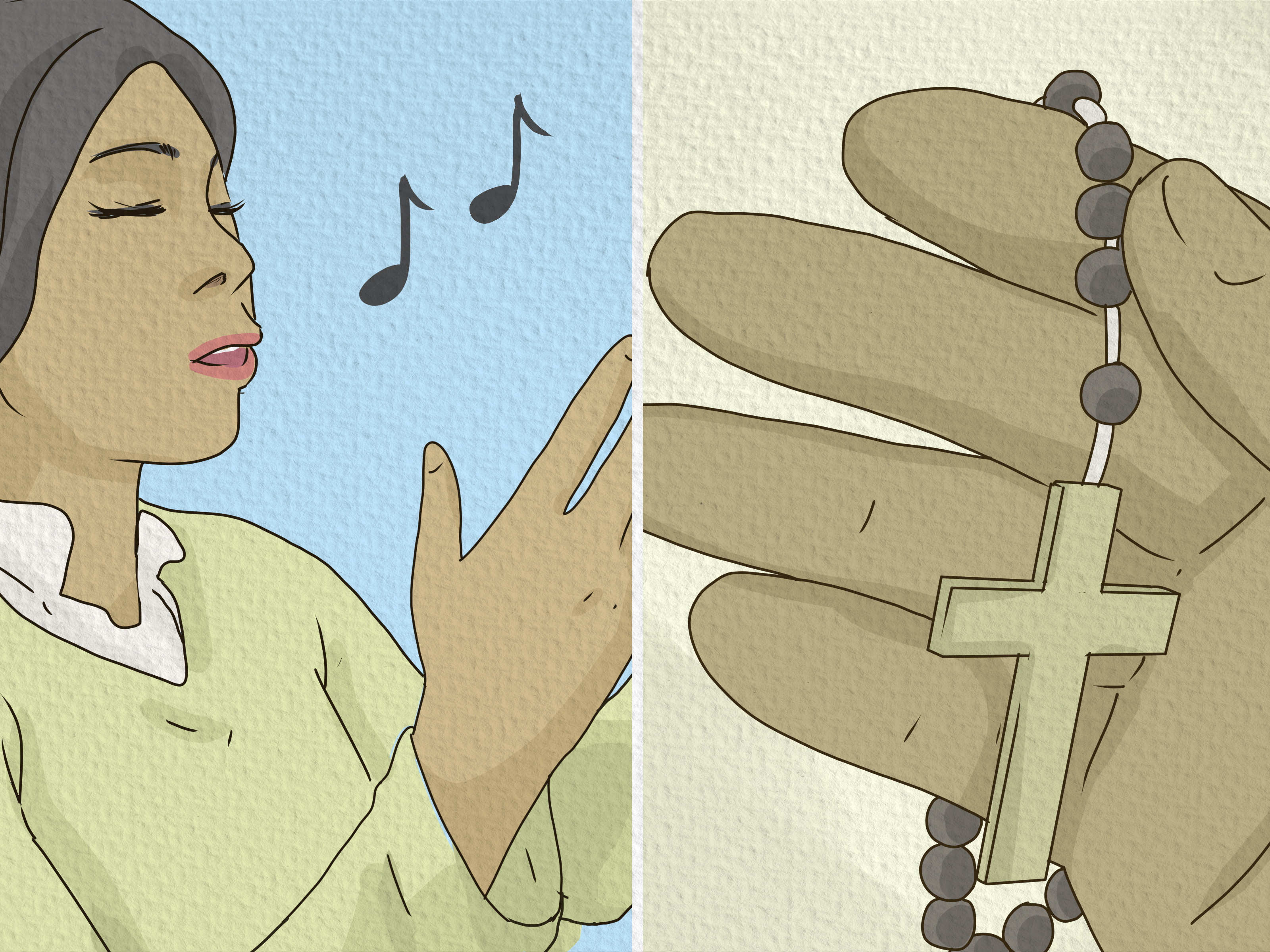
Learning how to pray to Jesus can feel intimidating at first, especially if you imagine prayer as a perfect speech delivered in stained-glass vocabulary. The good news? Jesus never asked people to sound like professional theologians with a dramatic soundtrack playing in the background. Prayer is not a talent show, a religious password, or a spiritual customer-service ticket. At its heart, prayer is honest conversation with the living Christ.
Christians believe Jesus is not distant, distracted, or too busy managing the universe to listen. The New Testament presents Jesus as Savior, Lord, mediator, intercessor, teacher, and friend. That means praying to Jesus can include worship, confession, gratitude, requests, silence, Scripture meditation, and simple cries for help when your brain has exactly three functioning tabs open.
This guide explores verses about prayer, biblical principles, and practical Christian prayer techniques that can help beginners and longtime believers pray with more confidence, depth, and consistency.
Can Christians Pray Directly to Jesus?
Yes. Christian prayer is often described as prayer to the Father, through the Son, by the Holy Spirit. This pattern is clear in the Lord’s Prayer, where Jesus teaches His disciples to pray, “Our Father.” Yet the Bible also shows believers speaking directly to Jesus.
In Acts 7:59, Stephen prays to Jesus as he faces death, saying, “Lord Jesus, receive my spirit.” In Revelation 22:20, the church prays, “Come, Lord Jesus.” In 2 Corinthians 12:8–9, Paul pleads with the Lord about his suffering and receives Christ’s answer about grace being sufficient. These examples show that praying to Jesus is not strange or unbiblical; it is part of a living relationship with Him.
Still, prayer is not about choosing the “correct heavenly department.” God is one. Christians may pray to the Father, to Jesus, or in dependence on the Holy Spirit. The important thing is faith, humility, honesty, and a heart open to God’s will.
Key Bible Verses About Praying to Jesus
Matthew 6:9–13: The Lord’s Prayer
When the disciples wanted to learn prayer, Jesus gave them a model. The Lord’s Prayer teaches worship, surrender, dependence, forgiveness, and protection from temptation. It is short enough to memorize but deep enough to spend a lifetime exploring. That is efficient spiritual design.
John 14:13–14: Asking in Jesus’ Name
Jesus teaches His followers to ask in His name. This does not mean adding “in Jesus’ name” as a magic stamp at the end of a prayer. It means praying in alignment with His character, mission, authority, and will. The phrase is less like a spell and more like a signature of trust.
Hebrews 4:15–16: Come Boldly for Grace
Hebrews says believers can approach God with confidence because Jesus understands human weakness. This is one of the most comforting prayer passages in the Bible. You do not have to clean up your entire life before praying. Prayer is often where the cleanup begins.
Philippians 4:6–7: Pray Instead of Panic
Paul tells believers to bring requests to God with thanksgiving. The result is not always instant problem removal, but the peace of God guarding the heart and mind. Prayer may not change every circumstance immediately, but it can change the way you stand inside the circumstance.
1 Thessalonians 5:16–18: Pray Without Ceasing
“Pray without ceasing” does not mean you must kneel beside your bed twenty-four hours a day and ignore homework, work, laundry, or lunch. It means cultivating an ongoing awareness of God throughout daily life. Short prayers count. Whispered prayers count. Silent prayers while doing dishes count.
Psalm 23: The Prayer of Trust
Psalm 23 is not addressed directly to Jesus in its original Old Testament setting, but Christians often read it through the lens of Jesus as the Good Shepherd. It teaches trust, rest, guidance, courage, and hope. When you do not know what to say, praying through Psalm 23 can help your heart find words.
Romans 8:26–27: Help When Words Fail
Romans teaches that the Spirit helps believers in weakness. This matters because sometimes prayer feels clumsy, tired, or wordless. God is not limited by your vocabulary. Even a sigh can become prayer when offered to Him.
How to Pray to Jesus: A Simple Step-by-Step Method
1. Begin Honestly
Start where you actually are, not where you think a “good Christian” should be. You might begin with, “Jesus, I want to know You better,” or “Lord, I feel anxious today,” or “Jesus, I do not even know how to pray, but I am here.” Honest prayer is better than polished pretending.
2. Address Jesus with Reverence and Trust
You can say “Lord Jesus,” “Jesus,” “Christ my Savior,” or simply “Lord.” The words matter less than the posture of the heart. Reverence does not require stiffness. You can be respectful without sounding like you swallowed a Bible dictionary.
3. Praise Him for Who He Is
Praise turns your attention from your problems to Christ’s character. You might thank Jesus for His mercy, patience, sacrifice, resurrection, compassion, wisdom, or faithfulness. Praise is not flattery; it is remembering reality.
4. Confess What Needs Healing
Confession is not spiritual self-hatred. It is telling the truth before the One who already knows and still loves you. You can confess sin, pride, anger, jealousy, laziness, fear, or anything that is pulling your heart away from God. Ask Jesus for forgiveness and help to change.
5. Thank Him Specifically
Thanksgiving trains the soul to notice grace. Instead of only saying, “Thank You for everything,” name a few specific gifts: a meal, a friend, a peaceful moment, protection, a lesson learned, or strength to get through a hard day. Specific gratitude has a way of waking up joy.
6. Bring Your Requests
Jesus welcomes your needs. Pray for wisdom, healing, courage, provision, guidance, family, friends, church, school, work, decisions, and the world. Ask boldly, but hold your requests with open hands. Christian prayer says, “Lord, this is what I desire, but I trust Your will above mine.”
7. Listen and Sit Quietly
Prayer is not only talking. Silence helps you become attentive to Scripture, conscience, conviction, peace, and the quiet work of the Holy Spirit. You do not need to force a mystical experience. Sometimes listening simply means making room for God instead of immediately checking your phone like it contains the thirteenth apostle.
8. End in Jesus’ Name
Many Christians end prayers by saying, “In Jesus’ name, amen.” This is a beautiful practice when it expresses trust in Christ’s authority and surrender to His will. “Amen” means agreement, confidence, or “let it be so.” It is a small word with a strong backbone.
Helpful Prayer Techniques for Beginners and Growing Christians
The ACTS Prayer Method
ACTS stands for Adoration, Confession, Thanksgiving, and Supplication. It is one of the simplest ways to structure prayer. Begin by adoring Jesus for who He is. Confess sin and weakness. Thank Him for specific gifts. Then bring your requests. This method keeps prayer balanced so it does not become a holy shopping list with “amen” at checkout.
The Lord’s Prayer Pattern
You can use each line of the Lord’s Prayer as a doorway into your own words. “Our Father” can lead you to reflect on God’s love. “Your kingdom come” can lead you to pray for justice, mercy, evangelism, and personal obedience. “Give us today our daily bread” can lead you to pray for practical needs. This pattern teaches your desires to line up with God’s priorities.
Praying Scripture
Praying Scripture means turning Bible passages into personal prayer. For example, after reading Psalm 23, you might pray, “Jesus, be my Shepherd today. Guide me where I am confused. Give me courage where I feel afraid.” This technique is especially helpful when your mind feels blank.
The Jesus Prayer
A traditional short prayer says, “Lord Jesus Christ, Son of God, have mercy on me.” Many Christians repeat this slowly as a way of focusing the heart on humility and mercy. It is not meant to be empty repetition. It is a simple, Scripture-shaped cry for grace.
Breath Prayer
A breath prayer pairs a short prayer with breathing. For example, inhale while thinking, “Lord Jesus,” and exhale while praying, “give me peace.” Another example is, “Jesus, guide me” on the inhale and “I trust You” on the exhale. This can help during stress, anxiety, or busy moments.
Prayer Journaling
Writing prayers can help you focus. A journal also lets you look back and notice growth, answered prayers, changed desires, and patterns in your spiritual life. You do not need fancy leather notebooks, though they do make people feel approximately 18 percent more spiritual. A simple notes app works too.
Fixed-Time Prayer
Choose a regular time each day to pray: morning, lunch break, after school, before bed, or during a walk. Consistency matters more than length. Five sincere minutes every day will shape you more than one dramatic two-hour prayer session followed by three weeks of spiritual disappearance.
Praying with Others
Christian prayer is personal, but it is not only private. Praying with family, friends, a small group, or a church community can strengthen faith. Shared prayer teaches us to care beyond ourselves and reminds us that we are part of the body of Christ.
Examples of Simple Prayers to Jesus
A Morning Prayer
Lord Jesus, thank You for this new day. Help me walk with wisdom, patience, and love. Guide my words, my choices, and my attitude. Teach me to notice Your presence in ordinary moments. Amen.
A Prayer for Anxiety
Jesus, I feel overwhelmed. Please calm my heart and help me trust You one step at a time. Give me courage for what I can do and peace about what I cannot control. Amen.
A Prayer for Forgiveness
Lord Jesus, I confess my sin and ask for Your mercy. Thank You for Your death and resurrection. Help me turn away from what harms my soul and walk in new obedience. Amen.
A Prayer Before Reading the Bible
Jesus, open my heart to Your Word. Help me understand what is true, receive what is helpful, and obey what You show me. Let Scripture shape my thoughts and actions today. Amen.
A Prayer for Decision-Making
Lord Jesus, give me wisdom. Help me choose what honors You, serves others, and forms my character well. Close doors that would harm me and open doors that fit Your will. Amen.
Common Mistakes to Avoid When Praying
Thinking You Must Sound Impressive
Jesus warned against praying for show. Long words do not make prayers stronger. A sincere “Lord, help me” can be more faithful than a paragraph that sounds like it was assembled by a committee of medieval poets.
Treating Prayer Like a Transaction
Prayer is not a vending machine where you insert faith and select blessings. God is not manipulated by volume, repetition, or dramatic wording. Prayer is relationship, not spiritual bargaining.
Only Praying in Emergencies
Emergency prayers are good. Many people meet God in crisis. But prayer grows deeper when it becomes daily conversation, not only a smoke alarm. Talk to Jesus in ordinary moments too.
Ignoring Confession
If prayer only includes requests, the heart can become self-focused. Confession keeps us honest. It helps us receive grace and grow in holiness.
Giving Up Too Quickly
Some prayers are answered quickly. Others require patience. Some answers are yes, some are no, and some are wait. Persistent prayer is not nagging God; it is learning to trust Him over time.
How to Build a Daily Prayer Habit
Start small. Choose a realistic time and place. Connect prayer to something you already do, such as waking up, brushing your teeth, eating lunch, walking, or going to bed. This makes prayer part of your rhythm instead of another item floating around your brain like a lost sticky note.
Use a short structure: praise, confession, gratitude, request, and silence. Keep a list of people and needs you want to pray for. Read a few verses before praying. End by asking, “Jesus, what is one faithful step I can take today?”
Do not measure prayer by emotional intensity. Some days will feel warm and peaceful. Other days will feel dry. Faithfulness matters in both. A quiet prayer offered on a tired day is still precious to God.
Experiences Related to Praying to Jesus
Many people who begin learning how to pray to Jesus describe the first stage as awkward but meaningful. At first, prayer may feel like talking into the air. That does not mean nothing is happening. It often means the soul is learning a new kind of attention. Like any relationship, comfort grows through repeated presence. A person who prays for the first time may not feel thunder, fireworks, or a choir of angels warming up in the hallway. More often, the first gift is simpler: a sense of being honest before God.
One common experience is discovering that prayer changes the person praying. Someone may begin with a request like, “Jesus, fix this situation,” and over time find themselves praying, “Jesus, make me patient, wise, and loving in this situation.” That shift matters. Prayer does not make people passive; it forms courage, humility, and endurance. It helps believers stop treating every inconvenience like a personal apocalypse.
Another experience is learning to pray through distraction. Nearly everyone who prays regularly has had this moment: you begin with deep spiritual focus, and twelve seconds later you are wondering whether penguins have knees. Distraction is not failure. It is an invitation to gently return. Short prayers, Scripture phrases, and written prayer lists can help. Over time, returning to Jesus becomes part of the practice.
People also often experience comfort when praying directly to Jesus during fear or grief. The Gospels show Jesus meeting people in pain with compassion. Because of that, Christians do not pray to a cold idea of God. They pray to the crucified and risen Lord who knows sorrow, betrayal, exhaustion, and suffering. This makes prayer deeply personal. A believer can say, “Jesus, You understand this,” and that sentence alone can carry hope.
Another meaningful experience is gratitude becoming more natural. At first, thanksgiving may feel like a task. But daily prayer trains the heart to notice small mercies: a conversation that helped, a temptation resisted, a safe drive, a meal, a kind message, a moment of clarity. Gratitude does not deny hardship. It simply refuses to let hardship become the only narrator.
Some believers find that praying Scripture gives them words when emotions are too tangled. Psalms of lament help people pray sadness. The Lord’s Prayer helps people pray with balance. Gospel stories help people imagine bringing their needs to Jesus as others did. Over time, the Bible becomes not only a book to study but a language for prayer.
Finally, many discover that prayer grows best in community. Private prayer is vital, but praying with others can strengthen faith, deepen compassion, and remind believers that they are not carrying life alone. A simple prayer with a friend can become a turning point. A church prayer gathering can widen the heart. Family prayer can teach children that Jesus is not merely a Sunday topic but a daily presence.
The experience of praying to Jesus is not always dramatic, but it is often quietly transformative. It teaches honesty, dependence, patience, gratitude, and love. It turns ordinary days into places of meeting with God. And yes, it can begin with one very simple sentence: “Lord Jesus, teach me to pray.”
Conclusion: Start Simple, Stay Honest, Keep Returning
Learning how to pray to Jesus is less about mastering a formula and more about growing in relationship with Christ. The Bible gives clear guidance: pray with humility, trust, thanksgiving, confession, persistence, and surrender. Use the Lord’s Prayer as a model. Pray Scripture when you need words. Use short prayers when life feels crowded. Sit quietly when your soul needs stillness.
Most importantly, come as you are. Jesus is not impressed by religious performance, and He is not surprised by weakness. Prayer begins when you turn toward Him. Whether your prayer is long, short, spoken, written, whispered, or silent, the invitation remains the same: draw near to Christ, and keep coming back.