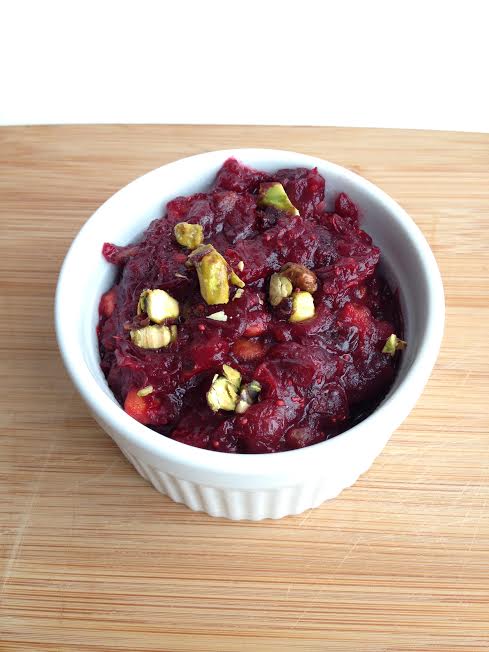

Cranberry sauce may be assigned “supporting side dish” status, but this pistachio cranberry sauce has leading-character energy. Tart cranberries cook into a glossy ruby sauce, fresh orange adds brightness, and toasted pistachios bring buttery flavor and a satisfying crunch. It looks festive, tastes sophisticated, and requires less work than convincing everyone that the rolls are not ready yet.
This easy cranberry sauce recipe is designed for Thanksgiving, Christmas, and other holiday meals, but it is far too useful to visit the table only once a year. Serve it with roast turkey, glazed ham, pork tenderloin, baked Brie, sandwiches, grain bowls, or even vanilla ice cream. Best of all, the sauce can be prepared ahead, giving you one less saucepan to supervise when the kitchen becomes holiday traffic control.
Why Pistachios Belong in Cranberry Sauce
Classic whole-berry cranberry sauce delivers sweetness, acidity, and a soft, jammy texture. Pistachios add the element it often lacks: crunch. Their mellow, slightly sweet flavor balances the sharpness of cranberries without overpowering the fruit.
The color combination is another advantage. Deep red cranberries and green pistachios naturally look holiday-ready, even if your decorating strategy is limited to placing one candle on the table and calling it ambiance.
Orange completes the flavor trio. Its juice softens the cranberries’ acidity, while the zest adds citrus aroma without introducing excessive liquid. A small amount of cinnamon provides warmth, and a pinch of salt makes the fruit and nuts taste more vivid.
Pistachio Cranberry Sauce Recipe
This recipe makes approximately 2 1/4 cups, or about eight servings. It can easily be doubled for a large gathering, although a wider saucepan is preferable when increasing the batch.
Ingredients
- 1 12-ounce bag fresh or frozen cranberries, about 3 cups
- 1/2 cup fresh orange juice
- 1/2 cup water
- 2/3 cup granulated sugar
- 1 teaspoon finely grated orange zest
- 1/4 teaspoon ground cinnamon
- 1/8 teaspoon fine salt
- 1/2 cup shelled, unsalted pistachios
- 1 to 2 tablespoons maple syrup, optional
- Additional orange zest or chopped pistachios for garnish, optional
Equipment
- Medium saucepan
- Wooden spoon or heat-resistant spatula
- Fine grater or citrus zester
- Cutting board and chef’s knife
- Serving bowl or airtight storage container
Instructions
-
Sort and rinse the cranberries.
Place the cranberries in a colander and rinse them under cool water. Discard any berries that are badly bruised, shriveled, or unusually soft. Frozen cranberries may be used directly from the freezer and do not need to be thawed. -
Toast the pistachios.
Add the pistachios to a dry skillet over medium-low heat. Cook for 3 to 5 minutes, stirring frequently, until they smell nutty and look slightly deeper in color. Transfer them immediately to a plate so the hot pan does not continue cooking them. -
Prepare the cooking liquid.
Combine the orange juice, water, sugar, cinnamon, and salt in a medium saucepan. Bring the mixture to a gentle simmer over medium heat, stirring until the sugar dissolves. -
Cook the cranberries.
Add the cranberries and return the mixture to a gentle boil. Reduce the heat to medium-low and simmer uncovered for 10 to 12 minutes. Stir occasionally as the berries burst and release their natural pectin. -
Adjust the texture.
For a chunky cranberry sauce, leave some of the berries whole. For a smoother result, press more of them against the side of the saucepan with the back of the spoon. Avoid cooking until the mixture looks extremely thick; it will firm considerably while cooling. -
Add the orange zest.
Remove the saucepan from the heat and stir in the orange zest. Taste carefully. Add maple syrup if you want more sweetness or a rounder, caramel-like flavor. -
Cool the sauce.
Let the cranberry sauce cool for about 30 minutes, then transfer it to a covered container and refrigerate until fully chilled. -
Finish with pistachios.
Coarsely chop the toasted nuts. Fold about two-thirds of them into the cooled sauce shortly before serving. Scatter the remainder over the top for maximum crunch and a polished presentation.
The Simple Science Behind the Sauce
Cranberries Thicken Naturally
Cranberries contain natural pectin, the carbohydrate that helps jams and fruit spreads set. As the berries cook and burst, pectin enters the liquid. Sugar and acidity help create the familiar gel-like consistency, so this sauce does not require cornstarch, flour, or commercial pectin.
The mixture will look somewhat loose when it leaves the stove. That is normal. As it cools, its structure becomes noticeably thicker. Continuing to boil until it resembles cold jam can produce an overly stiff sauce after refrigeration.
Timing Protects the Pistachio Crunch
Adding all the pistachios during cooking may soften them and dull their green color. Folding them into cooled sauce keeps their texture distinct. If the sauce will be stored for several days, refrigerate the toasted pistachios separately and add them shortly before the meal.
Orange Adds More Than Sweetness
Fresh orange juice contributes acidity, sweetness, and liquid, while zest provides concentrated citrus oils. Adding the zest after cooking preserves more of its fresh aroma. Grate only the brightly colored outer peel; the white pith underneath can taste bitter.
How to Control Sweetness and Texture
Cranberries are naturally assertive, so sugar is doing real work here rather than merely causing mischief. Still, the ideal sweetness depends on how the sauce will be served. Rich turkey and gravy can handle a tart condiment, while a cheese board may benefit from a sweeter version.
Begin with the listed 2/3 cup of sugar. Once the cooked mixture is safe to taste, add maple syrup one tablespoon at a time if necessary. Adding sweetness gradually is easier than trying to rescue a sauce that has wandered into candy territory.
For a looser sauce, stir in a tablespoon of water or orange juice after it cools. For a thicker sauce, return it to the saucepan and simmer briefly. Remember that reheated cranberry sauce will loosen and then set again as it chills.
Common Mistakes and Easy Fixes
The Sauce Is Too Runny
If the sauce is still warm, wait before declaring an emergency. Cranberry sauce thickens as it cools. If it remains watery after chilling, simmer it uncovered for another 3 to 5 minutes and cool it again.
The Sauce Is Too Thick
Stir in water, orange juice, or cranberry juice one tablespoon at a time. Warm the sauce gently if it is too firm to mix. A small adjustment is usually enough; there is no need to turn the bowl into cranberry soup.
It Tastes Too Tart
Add maple syrup, honey, or sugar in small increments. When using granulated sugar after the sauce has cooled, warm the mixture so the crystals dissolve completely. A tiny pinch of salt can also soften the perception of sharp acidity.
The Flavor Is Flat
Fresh orange zest and a pinch of salt often solve the problem. A teaspoon of lemon juice can sharpen an overly sweet batch, while cinnamon, ginger, or allspice can add warmth. Use spices conservatively so the cranberry flavor remains recognizable.
The Pistachios Became Soft
The nuts were probably added too early or stored in the sauce for too long. The flavor will still be good, but the crunch cannot be fully restored. Add a fresh handful of toasted pistachios immediately before serving and accept the compliments with dignity.
Flavor Variations Worth Trying
Maple Pistachio Cranberry Sauce
Replace part of the granulated sugar with pure maple syrup. Start with 1/2 cup sugar and 2 tablespoons maple syrup. This version has a deeper flavor that pairs especially well with ham, pork, roasted squash, and sweet potatoes.
Ginger-Orange Cranberry Sauce
Add 1 teaspoon freshly grated ginger with the cranberries. Ginger supplies gentle heat and keeps a sweet holiday plate from feeling heavy. Chopped crystallized ginger can be used for a sweeter, more noticeable bite.
Spiced Cranberry Pistachio Sauce
Simmer the sauce with one cinnamon stick, two cloves, or one star anise pod. Remove whole spices before cooling. Choose one dominant spice rather than inviting the entire spice cabinet to the saucepan.
Savory Pistachio Cranberry Relish
Reduce the sugar to 1/2 cup and add a tablespoon of apple cider vinegar. Finish with finely chopped rosemary, black pepper, or minced jalapeño. This variation works particularly well with roasted meats and sandwiches.
Pomegranate and Pistachio Version
Replace some of the water with unsweetened pomegranate juice. Garnish the finished sauce with pomegranate arils and pistachios for additional color, texture, and tart fruit flavor.
What to Serve With Pistachio Cranberry Sauce
Roast turkey is the obvious partner, but it should not monopolize the bowl. Pistachio cranberry sauce also complements roast chicken, pork loin, duck, baked ham, lamb, and meatless holiday roasts. Its acidity cuts through rich foods, while the nuts echo the toasted flavors found in stuffing and roasted vegetables.
For an appetizer, spoon the sauce over warm Brie or goat cheese and serve it with crackers. It can also be layered onto crostini with ricotta, whipped feta, or cream cheese.
Leftovers are remarkably cooperative. Spread the sauce on a turkey sandwich, stir it into oatmeal, spoon it over pancakes, swirl it through yogurt, or use it as a topping for cheesecake. For a quick dressing, whisk a spoonful with olive oil, vinegar, salt, and black pepper.
Make-Ahead, Storage, and Freezing Tips
Prepare the cranberry base up to several days before serving and keep it in a covered container in the refrigerator. Store the toasted pistachios separately at room temperature in an airtight container, then combine them with the sauce shortly before the meal.
Refrigerate leftovers promptly rather than leaving the bowl on the table throughout a long holiday evening. For conservative food-safety planning, use refrigerated leftovers within 3 to 4 days. If the sauce develops mold, an unusual odor, bubbling, or an off flavor, discard it.
The cranberry base can be frozen in an airtight freezer-safe container. Leave a little room for expansion and thaw it overnight in the refrigerator. Stir well after thawing, as minor separation may occur. Add freshly toasted pistachios after thawing instead of freezing the nuts in the sauce.
Frequently Asked Questions
Can frozen cranberries be used?
Yes. Add frozen cranberries directly to the saucepan without thawing. They may take an extra minute or two to return to a simmer, but the finished flavor and texture will be very similar.
Should the pistachios be salted or unsalted?
Unsalted pistachios provide the greatest control over seasoning. Roasted salted pistachios can still be used; omit the added salt initially and adjust after tasting.
Can canned cranberry sauce be upgraded with pistachios?
Absolutely. Warm whole-berry canned sauce with orange zest and a small splash of orange juice. Cool it, then fold in toasted pistachios. It will not have exactly the same texture as freshly cooked sauce, but it is an excellent shortcut.
Is pistachio cranberry sauce gluten-free?
The basic recipe contains no gluten ingredients. Check the labels on packaged nuts, spices, and sweeteners if preparing it for someone with celiac disease or a serious gluten sensitivity, since manufacturing and cross-contact practices vary.
Can it be made without nuts?
Yes. For a nut-free crunch, consider roasted pumpkin seeds or sunflower seeds, provided they meet the dietary needs of your guests. Always disclose substitutions when food allergies are involved.
Kitchen Experiences: Lessons From Making Pistachio Cranberry Sauce
The first lesson this sauce teaches is that cranberries are dramatic. One moment they are floating peacefully in orange-scented syrup; the next, they are popping like tiny kitchen fireworks. A saucepan with reasonably high sides prevents red splatters from redecorating the stovetop. Gentle heat also works better than an aggressive boil, which can evaporate the liquid before all the berries soften.
It is tempting to keep cooking because the hot sauce appears thinner than expected. That was the mistake in one early batch: it looked perfect on the stove but became nearly sliceable after a night in the refrigerator. The better approach is to stop when most cranberries have burst and the liquid lightly coats the spoon. Cooling will finish the thickening process without further assistance.
Toasting the pistachios may seem like an optional flourish, but it produces one of the biggest improvements. Raw pistachios are mild; a few minutes in a dry skillet makes them more fragrant and noticeably nuttier. They can change from toasted to scorched quickly, however, so stirring is essential. Once their aroma becomes obvious, move them out of the skillet immediately. A hot pan has no respect for good intentions.
Another useful discovery is that chopping the nuts into mixed sizes creates better texture. Fine pieces distribute pistachio flavor throughout the sauce, while larger pieces provide distinct crunch. Reserving a few bright green pieces for the top also makes the bowl look deliberate and festive rather than as though someone accidentally dropped trail mix into it.
The sauce tastes more integrated after resting overnight. Orange, cinnamon, sugar, and cranberry settle into a balanced flavor, which makes this a reliable make-ahead holiday side dish. The pistachios are the exception: they stay crispest when stored separately. Folding them in shortly before dinner takes less than a minute and avoids the sadness of a soggy nut.
Serving temperature changes the experience too. Straight from the refrigerator, the sauce is firm, sharply tart, and refreshing. At room temperature, it becomes softer and more aromatic. For a holiday meal, taking it out of the refrigerator about 20 minutes before serving offers a pleasant middle ground.
The most enjoyable test involves leftovers. Pistachio cranberry sauce is excellent in a turkey sandwich with mayonnaise and peppery greens, but it may be even better spooned over baked Brie. The warm cheese loosens the sauce, the cranberries cut through the richness, and the pistachios supply crunch. It creates the kind of appetizer that looks carefully planned even when it is actually a refrigerator rescue mission.
Finally, tasting is more valuable than following the sugar measurement with absolute loyalty. Cranberries, oranges, and personal preferences vary. Add sweetness slowly, keep the acidity lively, and remember that the goal is balance. A successful sauce should taste tart, fruity, gently sweet, and nuttynot like dessert jam wearing a Thanksgiving name tag.
Conclusion
Pistachio cranberry sauce turns a familiar holiday condiment into something brighter, crunchier, and more versatile. Fresh cranberries create the naturally thick base, orange adds fragrance, and toasted pistachios provide a savory contrast to the sweet-tart fruit. The recipe is simple enough for a first-time holiday cook, yet attractive enough to earn a permanent place on the celebration table.
Prepare the cranberry base in advance, keep the pistachios crisp until serving, and adjust the sweetness to suit the rest of the menu. Whether it accompanies turkey, crowns baked Brie, or upgrades tomorrow’s sandwich, this jewel-toned sauce proves that side dishes do not have to behave like background scenery.
Note: Pistachios are tree nuts and can cause serious allergic reactions. Clearly inform guests that the sauce contains pistachios, avoid cross-contact when accommodating allergies, and use an appropriate nut-free alternative when necessary.