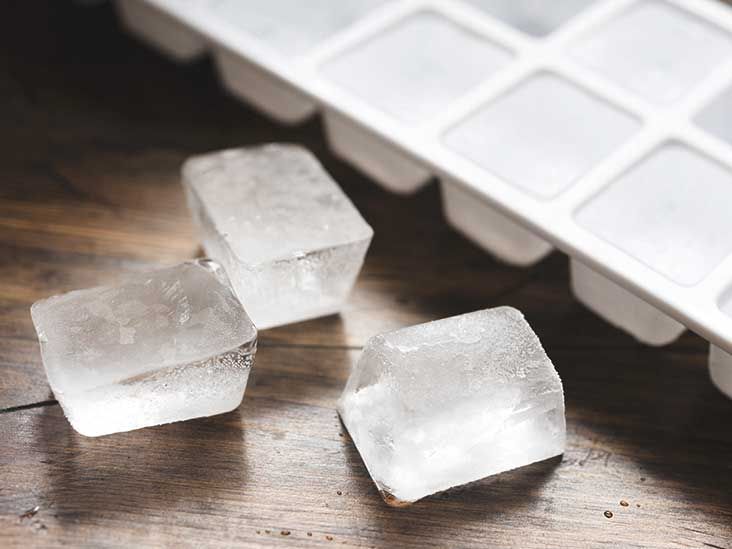

For some people, the sound of ice rattling in a glass is refreshing. For othen a hot afternoon is usually nothing to worry about, but a persistent, hard-to-control urge to chew ice may be a condition called pagophagia.
Pagophagia is strongly associated with iron deficiency, sometimes even before a person develops full-blown anemia. It can also appear during pregnancy, alongside certain behavioral or mental health conditions, or as a deeply ingrained sensory habit. Although frozen water may seem harmless, constantly crunching it can punish teeth, irritate the jaw, and allow an underlying health problem to remain unnoticed.
This guide explains what pagophagia feels like, why it happens, how healthcare professionals evaluate it, and which treatments can help silence the freezer’s surprisingly persuasive sales pitch.
What Is Pagophagia?
Pagophagia is a persistent craving for and repeated consumption of ice, including ice cubes, crushed ice, freezer frost, or heavily iced drinks. It is generally considered a form of pica, an eating disorder involving repeated consumption of substances that provide little or no nutritional value.
Clinical descriptions of pica generally require the behavior to continue for at least one month, be inappropriate for the person’s developmental stage, and be significant enough to warrant medical attention. A toddler occasionally putting unusual objects in their mouth is different from an older child or adult consuming several cups of ice every day and feeling unable to stop.
Liking Ice Is Not Always Pagophagia
Enjoying crushed ice after finishing a drink does not automatically mean someone has a disorder. Pagophagia becomes more likely when the behavior is:
- Persistent for weeks or months
- Difficult or uncomfortable to resist
- Frequent enough to require constant access to ice
- Associated with fatigue, weakness, dizziness, or other symptoms
- Causing dental damage, jaw soreness, embarrassment, or disruption
- Replacing meals, snacks, water, or normal daily activities
Some people describe filling multiple insulated cups each day, buying bags of ice specifically for chewing, or feeling anxious when no ice is available. At that point, the habit deserves more attention than a casual shrug and another trip to the ice maker.
What Causes Pagophagia?
Pagophagia is not caused by one universal problem. However, the most important and best-established association is iron deficiency.
Iron Deficiency With or Without Anemia
A strong craving for ice can occur when the body’s iron stores are low, even if a standard hemoglobin test has not yet reached the range used to diagnose anemia. This distinction matters because a person may feel tired, foggy, or unusually interested in the contents of an ice tray while being told that their basic blood count is “normal.”
Clinical reports and studies have repeatedly found pagophagia among people with iron deficiency. In many cases, the craving decreases or disappears after iron stores are restored. Researchers have not established that every person who chews ice is iron deficient, but persistent ice craving is important enough that clinicians commonly order blood tests to investigate it.
Why Iron Levels Become Low
Finding iron deficiency is only the beginning. The next question is why the deficiency developed. Common possibilities include:
- Heavy menstrual bleeding: Regularly losing more blood than the body can replace may gradually drain iron stores.
- Pregnancy: The body needs additional iron to support increased blood volume and fetal development.
- Gastrointestinal bleeding: Ulcers, inflammation, polyps, colorectal cancer, or other digestive conditions can cause slow blood loss that may not be visible.
- Low dietary intake: Restrictive eating patterns or diets lacking sufficient iron may contribute.
- Reduced absorption: Celiac disease, inflammatory bowel disease, stomach or intestinal surgery, and some bariatric procedures can interfere with iron absorption.
- Frequent blood donation: Repeated donation can lower iron stores in some people.
- Increased needs during growth: Children and adolescents may require more iron during periods of rapid development.
In adult men and postmenopausal women, unexplained iron-deficiency anemia may require evaluation for gastrointestinal blood loss. Premenopausal women may also need digestive evaluation when menstrual bleeding does not fully explain the deficiency or when warning symptoms are present.
Pregnancy and Pagophagia
Pregnancy increases iron requirements, so pagophagia during pregnancy should be discussed with an obstetric clinician rather than dismissed as another quirky craving. Ice itself is not the nutritional problem; the concern is that the craving may reveal iron deficiency or anemia.
Possible accompanying symptoms include extreme fatigue, weakness, dizziness, headaches, shortness of breath, rapid heartbeat, pale skin, and difficulty concentrating. Prenatal vitamins contain iron in many cases, but pregnant people should still avoid adding extra iron without professional guidance.
Behavioral, Sensory, and Mental Health Factors
Not every case is caused by low iron. Pagophagia may sometimes be connected with sensory-seeking behavior, developmental conditions, stress, compulsive behavior, or another mental health condition. The cold temperature, crunch, oral stimulation, or repetitive ritual may become soothing or rewarding.
When laboratory tests are normal and the behavior continues, a clinician may explore triggers, emotional patterns, environmental cues, and other pica behaviors. This does not mean the craving is imaginary. It means the treatment may need to focus on behavior and sensory regulation rather than a nutrient deficiency alone.
Why Does Iron Deficiency Trigger Ice Cravings?
The exact biological explanation remains uncertain. One theory proposes that chewing ice temporarily increases alertness in people whose brains are receiving less oxygen because of anemia. A small study found that chewing ice improved response time on an attention task among participants with anemia but not among participants without anemia. This is an interesting hypothesis, not a final answer carved into an ice sculpture.
Other explanations involve oral inflammation, dry mouth, sensory stimulation, or neurological responses to cold. More research is needed to explain why one iron-deficient person craves ice while another never gives the freezer a second glance.
Signs That May Accompany Pagophagia
Pagophagia may be the most noticeable symptom, but iron deficiency can produce other clues:
- Persistent tiredness or weakness
- Shortness of breath during ordinary activity
- Dizziness, headaches, or lightheadedness
- Pale skin or pale inner eyelids
- Rapid or pounding heartbeat
- Difficulty concentrating or reduced exercise tolerance
- Brittle or unusually shaped nails
- Hair shedding
- Sore or inflamed tongue
- Restless legs, particularly at night
- Feeling unusually cold
Iron deficiency can exist before obvious anemia develops, so the absence of dramatic symptoms does not rule it out.
How Pagophagia Is Diagnosed
There is no single “ice craving test.” Diagnosis begins with an honest conversation about the behavior. A healthcare professional may ask:
- How much ice do you consume each day?
- How long has the craving been present?
- Can you comfortably go without chewing ice?
- Do you crave any other nonfood substances?
- Have you noticed fatigue, bleeding, digestive symptoms, or weight changes?
- Are you pregnant, menstruating heavily, donating blood, or following a restrictive diet?
- Have you had gastrointestinal surgery or a condition that affects absorption?
Blood Tests
The evaluation commonly includes a complete blood count and iron studies. Tests may measure:
- Hemoglobin and hematocrit: Indicators of the blood’s oxygen-carrying capacity
- Mean corpuscular volume: The average size of red blood cells
- Ferritin: A marker used to estimate stored iron
- Serum iron and transferrin saturation: Measures related to circulating and available iron
- Total iron-binding capacity: Information about iron transport
A complete blood count alone may miss iron deficiency without anemia. Ferritin is especially useful, although infection, inflammation, liver disease, and other conditions can affect its interpretation. A clinician should evaluate the results in context instead of treating one number as the unquestioned ruler of the iron kingdom.
Finding the Underlying Cause
Additional testing depends on age, symptoms, medical history, and laboratory findings. It may include pregnancy testing, evaluation for heavy menstrual bleeding, stool testing, celiac disease screening, or gastrointestinal procedures. Unexplained abdominal pain, weight loss, black stools, visible blood, or ongoing digestive symptoms can make further evaluation particularly important.
Can Chewing Ice Harm Your Health?
Ice melts, so it does not create the same poisoning or intestinal blockage risks associated with some other forms of pica. Nevertheless, constant chewing can cause genuine problems.
Dental Damage
Ice is hard enough to chip enamel, crack fillings, damage crowns, fracture teeth, and worsen sensitivity. Tiny cracks may eventually become large, expensive cracksthe dental equivalent of ignoring a small windshield chip until the entire thing looks like a spiderweb.
The American Dental Association advises against chewing ice because it can crack teeth and lead to restorative treatment such as crowns, root canals, or extraction.
Jaw Pain and Headaches
Repeated forceful chewing can strain the jaw muscles and aggravate temporomandibular joint discomfort. Some people develop facial soreness, clicking, tension headaches, or pain while eating regular food.
Disruption and Embarrassment
Pagophagia can interfere with meetings, classes, sleep, travel, and relationships. A person may organize daily routines around obtaining ice or try to hide the noise from family and coworkers. The social effects may not appear on a laboratory report, but they still matter.
Pagophagia Treatment
The most effective treatment depends on the underlying cause. Simply ordering someone to stop chewing ice is rarely helpful when the craving is being driven by iron depletion or a compulsive behavioral pattern.
1. Correct Iron Deficiency
When tests confirm iron deficiency, treatment may involve oral iron, intravenous iron, dietary changes, or a combination of approaches. The appropriate method depends on the severity of the deficiency, the cause, the person’s ability to absorb iron, medication tolerance, pregnancy status, and whether blood loss is continuing.
Oral iron can cause nausea, constipation, abdominal discomfort, or dark stools. Intravenous iron may be considered when oral products are not tolerated, absorption is poor, deficiency is severe, or rapid replacement is clinically necessary. Ice cravings often improve after iron replacement, sometimes within days or weeks, although the timeline varies.
Do not begin high-dose iron solely because you crave ice. Excess iron can be harmful, and accidental overdose is particularly dangerous for young children. Iron supplements may also interact with certain medications. Testing and professional guidance help confirm whether supplementation is appropriate.
2. Treat the Reason Iron Is Low
Replacing iron without stopping ongoing blood loss or correcting poor absorption can lead to a frustrating cycle: levels rise, levels fall, and the ice machine receives another standing ovation. Treatment may therefore include managing heavy menstrual bleeding, addressing gastrointestinal disease, adjusting nutrition, treating an ulcer, or investigating another source of blood loss.
3. Add Iron-Rich Foods
Food can support recovery and help maintain iron stores, although diet alone may not correct a significant deficiency. Iron-rich choices include:
- Lean beef, poultry, seafood, and organ meats
- Beans, lentils, chickpeas, and tofu
- Iron-fortified cereals and breads
- Spinach and other leafy green vegetables
- Nuts, seeds, and dried fruit
Plant-based iron is generally absorbed less efficiently than iron from animal sources. Pairing plant sources with vitamin C-rich foods, such as citrus fruit, bell peppers, tomatoes, or strawberries, can improve absorption.
4. Protect the Teeth While Treatment Takes Effect
People waiting for treatment to work can reduce dental stress by allowing ice to melt rather than chewing it, choosing chilled water, or using a cold reusable bottle. Sugar-free gum may offer oral stimulation for some adults, although it may not be suitable for everyone with jaw problems.
Avoid switching from cubes to freezer frost scraped from appliances. Frost can be contaminated by food residue or cleaning products, and attacking a freezer wall with a spoon is not a dental wellness strategy.
5. Use Behavioral Treatment When Needed
When iron levels are normal or the behavior continues after correction, behavioral treatment may help. Strategies can include identifying triggers, changing routines, limiting access to chewing ice, practicing alternative responses, and rewarding periods without the behavior. Cognitive behavioral therapy or support from a clinician experienced in eating disorders, compulsive behaviors, or developmental conditions may be appropriate.
Caregivers of children should use calm supervision and positive reinforcement rather than punishment or shame. Persistent pica-related behavior deserves medical and developmental evaluation, not a lecture delivered beside an empty ice tray.
When to Contact a Healthcare Professional
Arrange a medical appointment when ice craving lasts several weeks, feels compulsive, requires large daily quantities, or is accompanied by fatigue, weakness, heavy periods, pregnancy, digestive symptoms, or another pica behavior.
Seek urgent care for chest pain, fainting, severe shortness of breath, a very rapid heartbeat, vomiting blood, black or bloody stools, uncontrolled bleeding, or symptoms of a seriously cracked or infected tooth. Pregnant people and children with persistent pica symptoms should be evaluated promptly.
Experiences With Pagophagia: What the Condition Can Feel Like
The following are composite examples created from commonly reported patterns. They are not individual patient testimonials and are not substitutes for medical advice.
The Office Ice-Cup Routine
Imagine an employee who begins every workday by filling a large insulated cup with crushed ice. At first, it seems like a harmless preference. Within several months, one cup becomes four. She selects lunch restaurants according to ice quality, brings an extra tumbler to meetings, and feels distracted when the office machine is being cleaned.
She is also tired, but she blames deadlines, poor sleep, and the general condition of being an adult with an inbox. When climbing stairs starts leaving her unusually winded, she mentions both symptoms during a medical visit. Blood tests reveal low ferritin and iron-deficiency anemia. Further discussion uncovers menstrual bleeding that has become much heavier during the past year.
Her treatment addresses both the iron deficiency and the bleeding. The craving does not disappear the moment she swallows the first tablet, but it gradually becomes less commanding. One afternoon, she realizes that the same cup of ice has been sitting untouched for hours. That small change is meaningful: the freezer has stopped behaving like her supervisor.
The “My Blood Count Was Normal” Experience
Another person chews ice daily and experiences headaches, restless legs, poor concentration, and reduced workout endurance. A previous basic blood count was within the laboratory’s reference range, so iron deficiency was never discussed. Because the ice craving continues, a new clinician orders ferritin and additional iron studies instead of relying only on hemoglobin.
The results show depleted iron stores without significant anemia. This illustrates why pagophagia can be a useful clue. Iron deficiency develops in stages, and hemoglobin may remain normal during part of that process. After the cause is evaluated and treatment begins, concentration improves and the craving fades.
The lesson is not that every normal blood count is misleading. It is that persistent symptoms may justify a more complete assessment, especially when several iron-related clues appear together.
When Iron Is Not the Explanation
A third person has chewed ice since adolescence. Testing repeatedly shows adequate iron stores, and there are no signs of blood loss or malabsorption. The behavior becomes strongest during stressful phone calls and long periods of computer work. He enjoys the crunch and describes the cold sensation as calming.
Instead of unnecessary iron supplements, treatment focuses on the habit loop. He tracks when cravings occur, keeps ice out of immediate reach, switches to chilled water, schedules short movement breaks, and works with a therapist on stress-related repetitive behavior. Progress is gradual rather than cinematic. There is no dramatic scene in which he throws an ice tray into the sunset. He simply chews less often, feels more in control, and stops waking with a sore jaw.
The Common Thread
These experiences differ, but they share an important theme: pagophagia is information. It may communicate iron depletion, ongoing blood loss, a sensory need, a behavioral cycle, or several factors at once. Treating it successfully requires curiosity rather than embarrassment. A person does not need to wait for severe anemia, a broken tooth, or a freezer-related family intervention before asking for help.
Conclusion
Pagophagia is more than a fondness for a frosty beverage. A persistent compulsion to chew ice is closely associated with iron deficiency and may appear before anemia is obvious. It can also be related to pregnancy, sensory preferences, developmental conditions, stress, or compulsive behavior.
A healthcare professional can check iron stores, look for blood loss or absorption problems, and recommend appropriate treatment. Correcting the underlying cause often reduces the craving while protecting energy levels, concentration, teeth, and jaw health. The main takeaway is simple: when the ice tray starts feeling less like an appliance and more like a food group, it is worth having a conversation with a clinician.