
Healthcare used to have a fairly predictable ritual: drive somewhere, find parking, sit in a waiting room reading a magazine from an archaeological era, see a clinician, and then drive home. Virtual care has changed that routine dramatically. Today, a patient can discuss medication side effects from the kitchen table, meet a therapist during a lunch break, or review blood pressure readings without putting on shoes.
That convenience is real. Telehealth and virtual care can reduce travel, make appointments easier to fit around work or caregiving, and connect patients with clinicians who may be dozens or hundreds of miles away. Research also suggests that telehealth can deliver outcomes comparable with in-person care for many types of chronic disease management, behavioral healthcare, follow-up visits, and selected new medical concerns.
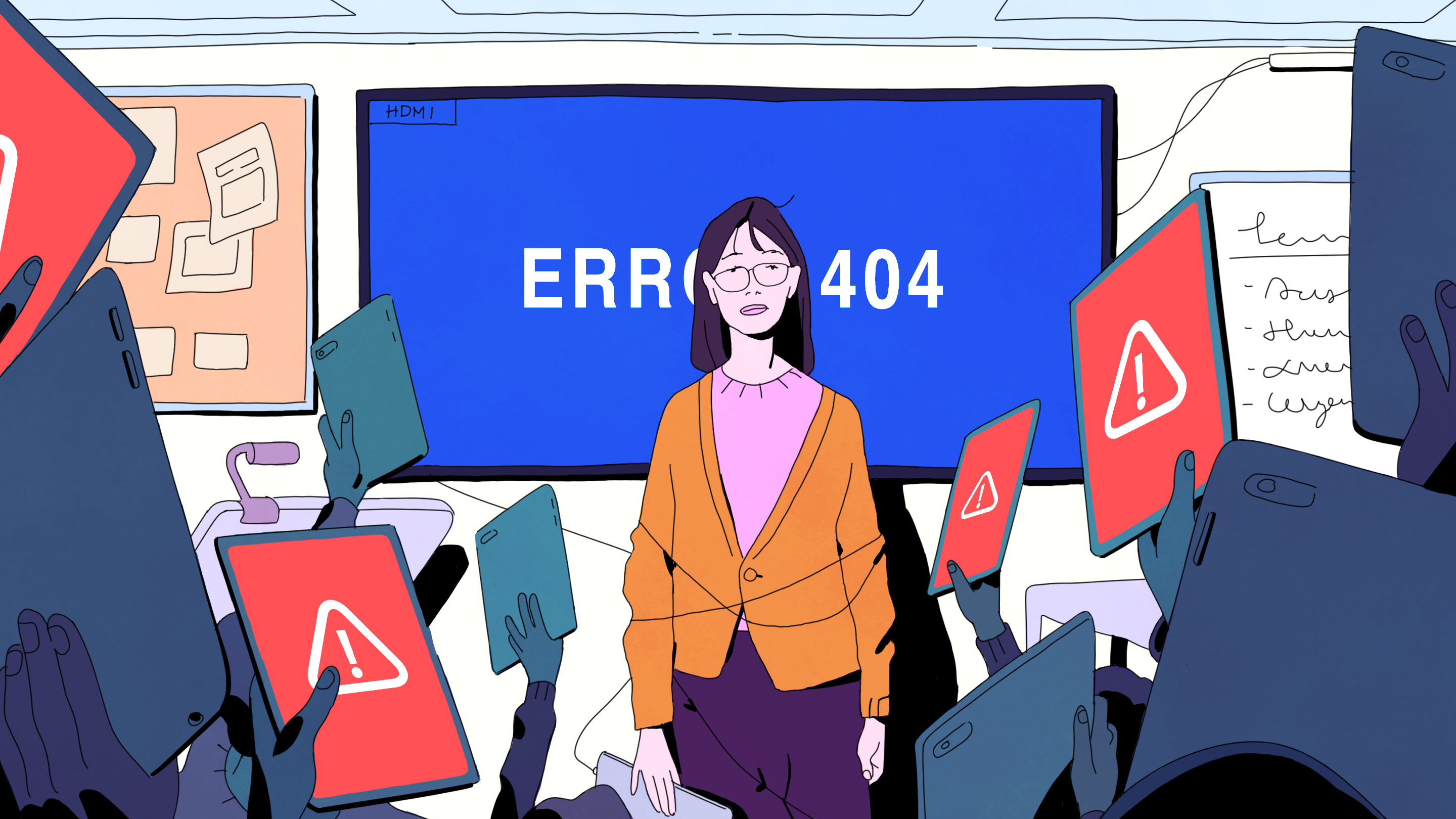
But convenience and quality are not exactly the same thing. A video camera cannot listen to lungs by itself, feel a suspicious lump, measure swelling accurately, or notice every subtle physical clue. And for patients without reliable broadband, private space, digital skills, or suitable devices, a supposedly convenient virtual appointment can become an Olympic event involving forgotten passwords and frozen screens.
So, is virtual care better? The most useful answer is: sometimes. The real question is whether it is the right kind of care for the right patient, problem, and moment.
What Does Virtual Care Actually Include?
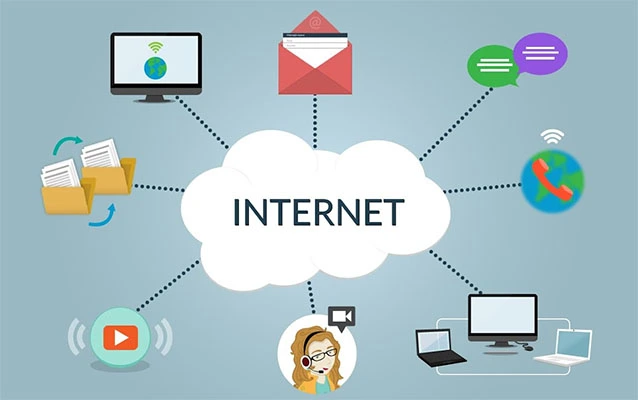
The term virtual care covers considerably more than a video call with a doctor. Telehealth may include live video appointments, telephone visits, secure messaging, remote patient monitoring, digital questionnaires, online prescription management, and specialty consultations performed from a distance.
Remote monitoring can add another layer. A patient with hypertension might transmit home blood pressure readings. Someone with diabetes may share glucose information. People with certain heart conditions can use connected devices that help their healthcare team follow measurements between appointments.
This distinction matters because asking whether virtual care works is a little like asking whether transportation works. A bicycle is excellent for some trips and a terrible choice for crossing the Pacific. Different virtual healthcare tools have different strengths.
Why Virtual Care Can Be Better
It Removes the Geography From Many Appointments
One of telehealth’s biggest advantages is access. A 15-minute medical conversation should not always require two hours of transportation, parking, waiting, and rearranging the rest of the day.
This can be especially valuable for rural patients, people with mobility limitations, parents managing childcare, and employees who cannot easily take half a day away from work. Virtual appointments can also make specialty care more reachable when the nearest specialist is far from home.
Transportation barriers are not merely annoying. They can contribute to delayed appointments, missed visits, and gaps in care. When appropriate virtual care turns a difficult trip into a phone or video appointment, convenience becomes a genuine healthcare advantage rather than a luxury.
It Works Particularly Well for Some Ongoing Conditions
Evidence reviewed by the Agency for Healthcare Research and Quality has supported telehealth for several chronic conditions, including diabetes, heart failure, asthma, obesity, depression, and other behavioral health needs.
That makes intuitive sense. Chronic disease management often depends on repeated conversations, medication adjustments, symptom tracking, education, and review of measurements rather than a complete physical examination at every visit.
Imagine a patient whose blood pressure medication was adjusted two weeks ago. If the patient has reliable home measurements and no alarming symptoms, a virtual follow-up may answer the important questions efficiently: Are the numbers improving? Is dizziness occurring? Is the medication being taken correctly? Does the dose need adjustment?
Dragging that patient across town simply so both people can sit in different chairs may add inconvenience without adding much clinical value.
Mental Healthcare Is a Natural Fit
Behavioral health has become one of virtual medicine’s strongest use cases. Counseling, psychotherapy, medication follow-ups, and some psychiatric evaluations depend heavily on conversation and observation rather than hands-on examination.
For some patients, meeting a therapist from a familiar environment can also make care easier to access consistently. Someone who would postpone an appointment because of a one-hour commute may be more willing to attend when the commute consists of opening a laptop.
Virtual behavioral healthcare is not right for every situation, particularly emergencies or cases requiring more intensive support, but it has dramatically expanded the ways patients can connect with mental health professionals.
Is Telehealth as Accurate as an Office Visit?
For appropriately selected problems, the answer can be surprisingly encouraging.
A study published in JAMA Network Open comparing diagnoses made during video telemedicine appointments with subsequent in-person assessments found a high degree of diagnostic agreement overall. The results support the idea that video visits can be useful for many new concerns, particularly in specialties where diagnosis relies heavily on history, visible findings, and clinical judgment.
However, diagnostic performance was not identical for every specialty or medical problem. Conditions requiring a hands-on physical examination naturally create more limitations.
This is where discussions of virtual versus in-person care sometimes wander off course. Healthcare does not need one winner. The goal is not to prove that a webcam can defeat a stethoscope in single combat. The goal is to choose the most appropriate setting for each clinical question.
Where Virtual Care Starts to Struggle
A Camera Is Not a Complete Physical Examination
A skilled clinician can gather useful information over video. They can evaluate breathing patterns, speech, movement, facial symmetry, visible rashes, mental status, and many other clues. Patients can sometimes be guided through simple self-examinations as well.
Still, some information cannot reliably travel through a screen.
A clinician may need to palpate an abdomen, examine an ear, listen to the heart and lungs, assess a joint directly, test reflexes, obtain a throat swab, draw blood, perform imaging, or measure vital signs using clinical equipment. When those findings are central to the diagnosis, an office visit has an obvious advantage.
New severe abdominal pain, significant breathing difficulty, major injuries, rapidly worsening neurological symptoms, and other potentially serious problems should not be forced into a virtual format simply because telehealth happens to be available.
Follow-Through Can Get Lost After the Video Ends
One overlooked weakness of virtual care is what happens after the appointment.
Research examining diagnostic tests and referrals ordered through primary care found that recommended follow-up was completed less often within the specified period when the order originated from a telehealth visit than when it came from an in-person appointment. Completion was far from perfect in either group, which suggests that the broader healthcare system deserves plenty of blame too.
Still, it highlights an important point: a successful virtual appointment is not merely a successful video call. If the clinician orders a colonoscopy, laboratory work, imaging, a cardiac test, or a specialty consultation, someone must make sure the next step actually occurs.
Telehealth becomes weaker when it operates as an isolated digital island.
The Digital Divide Is Also a Healthcare Divide
The phrase virtual care access sounds wonderfully democratic until someone’s internet connection disappears every time the neighbor turns on a microwave.
Reliable broadband and suitable devices remain unevenly distributed. But hardware is only part of the issue. Digital literacy matters too. Patients may need to download software, manage passwords, activate camera permissions, navigate a portal, upload photographs, or troubleshoot audio.
Those steps may be routine to a technology enthusiast and deeply frustrating to someone who rarely uses digital services.
Research has repeatedly identified differences in telemedicine adoption according to factors such as age, income, education, race and ethnicity, location, language, and access to technology. Audio-only telephone care can help close some gaps, especially for people who cannot reliably connect by video, but telephone appointments also provide clinicians with less visual information.
The danger is obvious: if healthcare systems declare themselves “digital first” without providing alternatives, virtual care may improve access for people who already have excellent technology while creating another obstacle for people who do not.
Older Adults and People With Disabilities Need Choice, Not Assumptions
It is tempting to assume that older patients dislike technology and younger patients automatically want everything online. Real life is considerably messier.
Many older adults successfully use virtual visits and appreciate avoiding difficult transportation. At the same time, hearing impairment, visual impairment, cognitive challenges, limited dexterity, or unfamiliarity with digital platforms may make certain telehealth systems harder to use.
Accessibility features can help: larger text, captions, simplified interfaces, caregiver participation when appropriate, interpreter access, and the ability to switch from video to telephone.
The best system does not ask, “Can this patient use telehealth?” It asks, “What format makes this particular patient’s care easiest, safest, and most effective?”
Privacy Can Be More Complicated at Home
Healthcare organizations have privacy and security responsibilities when providing telehealth, and covered providers must follow applicable health information privacy rules. Patients, however, also need an environment where they can speak openly.
That is not guaranteed simply because someone is home.
A patient may be discussing depression from a bedroom while family members are in the hallway. A teenager may hesitate to discuss a sensitive issue while a parent is ten feet away. A worker may be taking an appointment from a parked car. Another patient may live with someone they do not want hearing the conversation.
Headphones, secure portals, trusted telehealth platforms, device passwords, and private spaces can improve confidentiality. But privacy should be treated as a clinical requirement, not a tiny checkbox located somewhere beneath the “Join Meeting” button.
Continuity Matters More Than the Screen
Not all virtual care is created equal.
There is an important difference between seeing your regular physician through video and opening an app that connects you with an unfamiliar clinician who has limited access to your medical history.
Convenient one-time visits can be useful for uncomplicated problems. However, fragmented care can create duplicate prescriptions, repeated testing, inconsistent recommendations, and poor communication between clinicians.
Virtual care generally becomes more powerful when it is integrated with a patient’s regular healthcare system. The clinician can review previous diagnoses, medications, laboratory results, specialist notes, and upcoming tests. If an in-person examination becomes necessary, there is a clear path to arrange one.
In other words, the best virtual care often feels less like an internet product and more like ordinary healthcare delivered through an additional door.
Which Appointments Are Often Well Suited to Virtual Care?
Although decisions should always depend on individual circumstances, virtual care may work particularly well for:
- Routine follow-up for stable chronic conditions.
- Medication reviews and some prescription adjustments.
- Mental health counseling and selected psychiatric services.
- Reviewing laboratory or imaging results.
- Discussing treatment plans after an established diagnosis.
- Minor symptoms that can be assessed primarily through history and observation.
- Post-procedure or postoperative check-ins when hands-on assessment is unnecessary.
- Remote monitoring of blood pressure, glucose, weight, or other appropriate health measurements.
When Is In-Person Care Usually More Valuable?
An office, urgent care center, or emergency setting may be preferable when a patient needs:
- A detailed physical examination.
- Laboratory testing, imaging, cultures, or other procedures.
- Evaluation of significant new abdominal, neurological, cardiac, or respiratory symptoms.
- Assessment of an injury that may require imaging or treatment.
- Vaccination or injectable medication.
- Close evaluation of symptoms that cannot be clearly assessed through video.
- Emergency treatment or immediate stabilization.
A good virtual clinician should also be willing to say, “This needs to be examined in person.” That is not a failed telehealth appointment. It is appropriate triage.
The Future Is Probably Hybrid Care
The most useful healthcare system may not be virtual or physical. It may be deliberately hybrid.
Consider someone managing diabetes. A yearly comprehensive examination might occur in person. Shorter medication reviews could happen through video. Glucose measurements might arrive automatically from a connected device. Lab work could be completed locally. Questions that do not require an appointment could be handled through secure messaging.
Each tool does the job it is best suited to perform.
This model can preserve the physical examination while reducing unnecessary travel. It can maintain continuity without pretending every conversation deserves an office visit. And it can give patients more control over how healthcare fits into their lives.
How Patients Can Decide Between Virtual and In-Person Care
Before choosing a virtual appointment, consider four practical questions.
1. Does the clinician probably need to examine me physically?
If touching, listening, testing, measuring, or imaging the affected area is likely to influence the diagnosis, an in-person appointment may save an extra step.
2. Do I have the technology and privacy to participate comfortably?
A virtual visit should simplify care. If connecting requires borrowing a device, finding broadband, remembering six passwords, and shouting confidential information over background noise, the convenience calculation has changed.
3. Is the virtual clinician connected to my regular care?
Access to medical history and an easy route for follow-up make virtual healthcare considerably more useful.
4. What happens if the problem cannot be resolved remotely?
Patients should know whether they can transition easily to an office visit, testing center, specialist, urgent care facility, or emergency department when needed.
So, Is Virtual Care Better for Everyone?
Noand that is not an argument against it.
Virtual care is one of the most useful expansions of modern healthcare precisely because it gives patients and clinicians another option. It can save time, eliminate unnecessary travel, improve access to specialists, support chronic disease management, and make behavioral healthcare much easier to obtain.
But virtual care is not a universal replacement for traditional medicine. Physical examinations remain essential. Diagnostic follow-through matters. Reliable technology cannot be assumed. Privacy may be harder to achieve than expected, and healthcare can become fragmented when convenient digital services are disconnected from a patient’s usual medical team.
The smartest question, therefore, is not whether virtual care is better than in-person medicine. It is whether a particular virtual visit will provide the information, relationship, follow-up, and safety that a particular patient needs.
Sometimes the best doctor’s office really is the couch. Sometimes you need an exam table, a stethoscope, and actual laboratory equipment. Good healthcare knows the difference.
Experiences With Virtual Care: Convenience Meets Real Life
The easiest way to understand virtual healthcare is to imagine what it feels like in ordinary life rather than on a technology company’s promotional page.
Consider a working parent who needs a routine medication follow-up. An in-person appointment scheduled for 10:30 a.m. may involve leaving work at 9:45, driving to the clinic, finding parking, waiting, spending 15 minutes with the clinician, driving back, and discovering that half the workday has quietly vanished. A virtual appointment can reduce that entire operation to opening a laptop at 10:25 and returning to work shortly after 10:45.
For this person, virtual care does not merely feel convenient. It can make the difference between attending the appointment and postponing it for another month.
Now picture an older adult who lives 60 miles from a specialist. The patient is recovering from surgery and needs to discuss pain levels, medication tolerance, mobility, and wound healing. If the clinician can visually inspect the healing area and no hands-on procedure is required, a video appointment may prevent an exhausting round trip. A family member can even join from another location to help ask questions and remember instructions.
That is virtual care at its best: healthcare bending around the patient’s life rather than demanding that the patient’s life bend around healthcare.
But there is another version of the experience.
A patient develops persistent abdominal discomfort and schedules a video appointment because it is available that afternoon. The clinician gathers a detailed history but cannot properly examine the abdomen. An office assessment is recommended for the next day. The patient has now completed two appointments instead of one.
Telehealth was not uselessthe first clinician may have provided appropriate triagebut it was not necessarily more efficient either.
Then there is the technology problem. Imagine someone receiving a link five minutes before an appointment, discovering that the browser cannot access the microphone, resetting a forgotten portal password, downloading an application, entering a verification code sent to an old phone number, and finally joining the appointment 17 minutes late. At that point, driving to the clinic may suddenly sound relaxing.
Privacy creates another real-world complication. A therapy appointment might technically be available from anywhere, but meaningful conversation can be difficult when a patient shares a small apartment with family members. The care is accessible digitally but not necessarily accessible emotionally.
These experiences illustrate why patient choice matters so much. People do not simply need access to virtual care. They need access to the right modality.
A well-designed healthcare system might allow patients to start virtually when appropriate, transition quickly to in-person evaluation when necessary, complete testing without navigating multiple disconnected systems, and continue follow-up online afterward. It should also maintain telephone options and accessible alternatives for people who cannot comfortably use video.
The real achievement of virtual care is therefore not replacing the doctor’s office. It is giving medicine another flexible way to reach people. When the technology disappears into the background and the patient’s medical needs determine the format, virtual healthcare stops feeling like a digital experiment and starts feeling like what it should have been all along: simply another way to receive good care.
Note: This article provides general educational information and is not a substitute for individualized medical evaluation. Symptoms that are severe, rapidly worsening, or potentially life-threatening require appropriate urgent or emergency care rather than reliance on a routine virtual appointment.