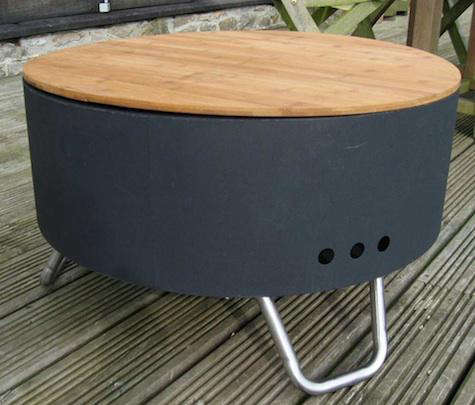

Some backyard upgrades whisper. Others crackle, glow, and politely demand marshmallows. The Revolver Fire Pit belongs in the second group. It is the kind of outdoor fire pit that makes a small patio feel intentional, a chilly evening feel cinematic, and a regular Tuesday feel like it deserves grilled sausages and a better playlist.
At its core, the Revolver Fire Pit is a compact, wood-burning outdoor fire pit with a smart multi-use design. The best-known version, commonly associated with Fire Sense or HotSpot models, combines a black powder-coated steel body, an internal fire cage, a grill rack, a spark screen, and a removable wooden or hardwood tabletop. In plain backyard English: it can work as a fire pit, a small grill, or a cocktail table when the flames are out and the metal has fully cooled. That is a lot of personality for one round object.
But a fire pit is not just a decorative bowl with attitude. It affects your patio layout, your safety routine, your smoke management, your neighbors’ patience, and the overall way your outdoor space works. This guide explores what makes the Revolver Fire Pit appealing, where it fits best, how to use it responsibly, and what real-life experience with a compact fire pit can teach you before you invite eight people over and discover everyone wants the chair closest to the heat.
What Is a Revolver Fire Pit?
The phrase Revolver Fire Pit usually refers to a small, round, portable wood-burning fire pit designed for outdoor entertaining. Unlike large masonry fire pits that become permanent backyard architecture, this style is more flexible. It can sit on a patio, move to a different corner of the yard, and serve multiple roles depending on the evening.
The Revolver Fire Pit’s standout feature is its convertible design. When used as a fire pit, it creates a contained wood-burning flame for warmth and atmosphere. With the grill rack in place, it can handle simple outdoor cooking such as hot dogs, burgers, kebabs, or vegetables. When not in use as a fire feature, the wooden tabletop turns it into a small garden table. That makes it useful even when nobody is in the mood to smell like campfire cologne.
Key Design Features
Most Revolver-style fire pits share several practical features:
- Powder-coated steel body: A durable black steel finish gives the unit a clean, contemporary look.
- Internal fire cage: This helps protect the outer finish from direct flame, ash, and shifting wood.
- Grill rack: A removable cooking surface allows light grilling over wood fire.
- Domed fire screen: A spark screen helps reduce flying embers when wood is burning.
- Wooden tabletop: Once the unit is completely cool, the top converts the pit into a small table.
- Compact size: Many models are around 24 inches wide, making them suitable for small patios and modest backyards.
This is not a massive bonfire machine. It is a compact outdoor fire pit for people who want warmth, ambiance, and occasional cooking without turning the backyard into a medieval village square.
Why the Revolver Fire Pit Works So Well Outdoors
The best outdoor products earn their space. Patio real estate is valuable, especially if your backyard is more “cozy city courtyard” than “estate with a vineyard and dramatic fountain.” The Revolver Fire Pit makes sense because it does more than one job.
It Saves Space
A standard fire pit may sit unused during warm afternoons or rainy weeks. A table may be useful but not very exciting when the temperature drops. The Revolver Fire Pit blends both ideas. Its removable tabletop means the unit can hold drinks, snacks, books, citronella candles, or that one bowl of chips everyone claims they are “just having a few” from.
For small patios, townhome courtyards, condo gardens, and compact decks with proper heat-resistant protection, this kind of multi-use design can be especially attractive. Instead of buying a separate fire pit, grill, and side table, one unit can cover several casual outdoor needs.
It Creates a Natural Gathering Point
Outdoor fire has an ancient magic to it. People gather around it without needing instructions. Chairs somehow form a circle. Conversations slow down. Phones disappear for at least three minutes, which in modern society counts as a spiritual retreat.
A compact fire pit like the Revolver creates a defined center for outdoor entertaining. Place it on a non-combustible surface, arrange seating at a safe distance, add soft lighting, and suddenly the patio feels like an outdoor room. The fire becomes the anchor. Everything elsethe chairs, blankets, drinks, and storiesrevolves around it.
It Adds Seasonal Flexibility
A backyard should not retire the moment the air gets crisp. A wood-burning fire pit extends patio season into cooler evenings. Spring nights become more inviting. Fall gatherings feel warmer and more memorable. Even summer evenings benefit from a small flame after sunset, especially when the mood calls for a little glow and a lot of snack-based decision-making.
Designing a Patio Around a Revolver Fire Pit
A fire pit looks best when it feels planned, not randomly dropped into the yard like a metal UFO. The goal is to build a safe, comfortable, and attractive zone around it.
Start With the Surface
The Revolver Fire Pit should sit on a level, non-combustible surface such as concrete, stone, brick, gravel, or patio pavers. Avoid placing it directly on grass, mulch, wood decking, outdoor rugs, or any surface that can scorch, melt, or catch fire. If the patio surface is sensitive to heat, use a proper heat-resistant barrier recommended for outdoor fire pits.
This step matters because heat does not care how expensive your deck was. Fire is not impressed by receipts.
Give It Breathing Room
Outdoor fire pits should be positioned away from the house, fences, siding, deck railings, shrubs, low branches, umbrellas, and anything else that could burn. Many safety organizations recommend keeping fire pits at least 10 feet away from structures and combustible materials. More distance is better when the yard allows it, especially in windy areas or regions with wildfire concerns.
Do not place the fire pit under a covered patio, pergola with fabric, tree canopy, or low overhang. The smoke, heat, and sparks need open air above them.
Arrange Seating With Safety and Comfort
Chairs should be close enough for warmth but far enough to avoid heat discomfort, sparks, and accidental contact. A good layout leaves clear walking paths around the fire pit, because nobody wants the evening’s dramatic moment to be someone tripping while holding a paper plate of grilled corn.
Use sturdy outdoor chairs with low-flammability materials when possible. Avoid trailing blankets, loose sleeves, and dangling fabrics near the flame. If children or pets are present, establish a clear “no-go” zone around the pit and keep adults actively supervising.
Wood, Smoke, and Responsible Burning
The Revolver Fire Pit is typically a wood-burning fire pit, so the quality of your wood makes a major difference. Good firewood burns hotter, cleaner, and with less smoke. Bad firewood smolders, complains, and tries to turn your patio into a fog machine.
Use Seasoned, Dry Hardwood
Seasoned hardwood is the best choice for a cleaner backyard fire. Oak, maple, hickory, ash, and birch are common options. The wood should be dry, split, and properly stored with airflow. Damp or green wood creates more smoke, more popping, and less enjoyable heat.
For cleaner burning, many environmental guidelines recommend wood with moisture content around 20 percent or lower. A simple moisture meter can help if you use your fire pit often. It may not be glamorous, but neither is coughing through an entire evening because one log was basically a tree-flavored sponge.
Do Not Burn Trash or Treated Wood
Never burn plastic, garbage, painted wood, pressure-treated lumber, plywood, cardboard with coatings, yard waste, or construction scraps. These materials can release toxic smoke and create unsafe sparks or residues. Fire pits are for clean firewood, not for making your backyard smell like a haunted recycling center.
Pay Attention to Air Quality
Wood smoke contains fine particles and gases that can irritate the lungs and affect air quality. Children, teenagers, older adults, and people with asthma, COPD, heart disease, or other respiratory conditions can be more sensitive to smoke. Before lighting a fire, consider wind direction, local burn restrictions, wildfire risk, and whether the smoke will blow directly into a neighbor’s open window.
A responsible fire pit owner is not just someone who owns tongs and a bag of marshmallows. It is someone who knows when not to light the fire.
Cooking on a Revolver Fire Pit
The grill rack gives the Revolver Fire Pit extra usefulness, but it is best suited for casual outdoor cooking rather than precision chef work. Think hot dogs, skewers, burgers, foil packets, corn, and simple grilled vegetables. If you are trying to reverse-sear a steak with laboratory accuracy, use a dedicated grill. If you want a relaxed backyard meal with a little smoke and charm, the Revolver can absolutely join the party.
Best Foods for Fire Pit Grilling
Simple foods work best over a small wood fire:
- Hot dogs and sausages
- Burgers or small patties
- Vegetable skewers
- Corn on the cob wrapped in foil
- Campfire potatoes
- Marshmallows and s’mores
Use long-handled tools, keep food secure, and avoid leaning directly over flames. Cooking over a fire pit is fun, but it is not the time to test whether your eyebrows are flame-resistant. Spoiler: they are not.
Clean the Grill Rack After Use
Once everything is cool, clean the grill rack to prevent grease buildup and rust. Remove ash from the fire bowl only after it is completely cold. Store ashes in a metal container with a tight-fitting lid, away from anything combustible. Do not dump warm ashes into a trash can, planter, paper bag, or plastic bin.
Safety Tips for Using the Revolver Fire Pit
Fire pit safety is not the boring part. It is the part that lets you keep enjoying the fun part.
Before Lighting
- Check local rules, burn bans, and fire restrictions.
- Place the fire pit on a stable, non-combustible surface.
- Keep it at least 10 feet from anything that can burn.
- Clear leaves, sticks, furniture cushions, and clutter from the area.
- Keep water, sand, or a proper fire extinguisher nearby.
- Use only dry, seasoned wood.
During Use
- Never leave the fire unattended.
- Use the spark screen when wood is burning.
- Keep children and pets away from the fire pit.
- Avoid loose clothing and dangling fabrics.
- Do not overload the bowl with oversized logs.
- Do not use gasoline, lighter fluid, or alcohol to start or restart the fire.
After the Fire
- Let the fire die down safely and follow the manufacturer’s instructions.
- Make sure flames and embers are completely out before leaving.
- Allow the entire unit to cool before touching, moving, covering, or adding the tabletop.
- Dispose of ashes only after they are fully cold.
The removable tabletop is one of the Revolver Fire Pit’s most useful features, but it should never be placed on a hot fire pit. Wait until the metal has fully cooled. The table mode is for after the fire, not during the “still capable of cooking a hot dog” phase.
Revolver Fire Pit vs. Built-In Fire Pit
A built-in fire pit is permanent, dramatic, and often beautiful. It can be made of stone, brick, concrete, or metal and integrated into a larger landscape design. But it also requires more space, planning, expense, and commitment.
The Revolver Fire Pit is better for people who want flexibility. Renters, small-space homeowners, casual entertainers, and anyone who likes rearranging their patio every few months may prefer a portable fire pit. It can be stored, repositioned, or replaced more easily than a masonry feature.
The tradeoff is scale. A compact fire pit will not heat a large yard or host a crowd of twenty people equally. It works best for small groups, intimate gatherings, and cozy outdoor evenings where the guest list is not longer than the grocery receipt.
Maintenance: Keeping It Good-Looking and Useful
Powder-coated steel is durable, but outdoor life is not gentle. Rain, humidity, ash, heat, and temperature swings all take a toll. A little maintenance helps the Revolver Fire Pit last longer and look better.
Clean Out Ash Regularly
Ash holds moisture, and moisture encourages corrosion. Once the ashes are completely cool, remove them from the bowl and store or dispose of them safely. Do not let a thick layer of ash sit in the pit for weeks, especially after rain.
Protect It From Weather
Use a weather-resistant cover when the fire pit is not in use. Store the wooden tabletop indoors or in a dry place if possible. Wood can warp, stain, or crack when exposed to repeated moisture and direct sun.
Inspect Before Each Season
Before the first fire of the season, check for rust, loose parts, damaged screens, unstable legs, or worn cooking surfaces. If anything looks unsafe, repair or replace it before lighting a fire. Outdoor gear should earn trust every season, not rely on last summer’s good behavior.
Who Should Buy a Revolver Fire Pit?
The Revolver Fire Pit is a strong fit for people who want a stylish, compact, multi-purpose outdoor fire pit. It is especially appealing if you:
- Have a small or medium patio
- Want a fire pit that can also function as a table
- Like casual grilling but do not need a full-size outdoor kitchen
- Prefer portable outdoor furniture over permanent installations
- Host small gatherings more often than large parties
- Enjoy wood-burning ambiance and are willing to manage smoke responsibly
It may not be ideal if you live in an area with frequent burn bans, have very close neighbors, need a large heat source, or want a smoke-free experience. In those cases, a propane fire table, electric patio heater, or professionally installed gas feature may be a better fit.
Real Backyard Experience: What Living With a Revolver Fire Pit Feels Like
The first thing you notice about a Revolver Fire Pit is that it changes how people behave outdoors. Without a fire pit, guests tend to drift. Someone stands near the door. Someone else hovers by the snack table. One person gets emotionally attached to the patio chair with the least wobbly leg. Add a fire pit, and the group suddenly has a center of gravity.
A compact fire pit works best when the evening is casual. Four chairs, a small stack of dry hardwood, a safe non-combustible surface, and a few simple snacks are enough. The mood does not need to be heavily produced. In fact, the charm comes from how quickly the space feels finished. A backyard that looked ordinary at 5 p.m. can feel like a tiny lodge retreat by 7:30.
The tabletop feature is more useful than it sounds. During the day, the fire pit can hold drinks, a plant, a tray of lemonade, or a board game. It does not sit there looking like a cold empty bowl, which is what many fire pits do when they are off duty. The Revolver design gives the piece a reason to exist even before sunset.
When the fire is lit, the experience depends heavily on preparation. Dry wood makes the night pleasant. Damp wood turns the whole patio into a smoke negotiation. Guests start moving chairs in slow circles, trying to escape the smoke cloud that appears to have chosen a favorite person. The lesson is simple: buy or store good wood, keep it dry, and do not overload the pit.
Cooking over the grill rack feels fun in a relaxed, camp-style way. Hot dogs, sausages, and skewers work especially well because they do not require perfect heat control. Burgers can work too, but the cook needs to pay attention because wood fire has personality. It does not behave like a gas grill with neat little knob settings. It flares, settles, shifts, and occasionally reminds you that nature was not designed by a thermostat engineer.
The fire screen is one of those features people appreciate more after using the pit a few times. Sparks happen, especially with certain woods. A screen does not eliminate every risk, but it helps contain embers and gives the setup a more finished, thoughtful feel. It also sends a subtle message to guests: yes, we are having fun, but no, we are not auditioning for a backyard disaster documentary.
The biggest practical challenge is cooling time. After the fire is out, the unit can stay hot for longer than impatient people expect. That means the tabletop has to wait. The cover has to wait. Moving the pit has to wait. A good habit is to treat the fire pit as “active” until the next morning unless you are absolutely sure everything is cold. It is not dramatic; it is just smart.
Over time, a Revolver Fire Pit becomes less of a product and more of a ritual. It encourages slower evenings. It makes people sit down. It stretches conversations. It turns basic food into outdoor food, which science has not officially proven to be better, but every person holding a toasted marshmallow knows the truth. The best part is not the steel body, the grill rack, or the wooden top. The best part is that it gives the backyard a reason to be used more often.
Conclusion: A Small Fire Pit With Big Backyard Energy
The Revolver Fire Pit is a smart choice for outdoor living because it combines style, function, and flexibility in one compact design. It can warm a patio, host casual grilling, serve as a small table, and create the kind of glowing atmosphere that makes people stay outside longer than planned.
Its strengths are clear: multi-purpose design, small-space friendliness, easy entertaining value, and classic wood-fire charm. Its responsibilities are just as clear: use dry seasoned wood, place it on a safe surface, respect local fire rules, manage smoke, supervise children and pets, and never treat fire casually.
For homeowners, renters, patio lovers, and backyard hosts who want a practical outdoor fire pit without committing to a built-in feature, the Revolver Fire Pit offers a compelling balance. It is part fire pit, part grill, part table, and part excuse to spend more time outside. Honestly, that is a pretty good resume for a round steel bowl.
Note: This article is written for web publication in clean HTML body format and does not include raw source links or AI citation markers inside the publishable article content.