
Honey is one of the most delightful things in a kitchengolden, fragrant, naturally shelf-stable, and somehow capable of making toast feel like it went to finishing school. Unfortunately, humans are not the only creatures impressed by it. Ants, those tiny six-legged food critics, can detect a sweet opportunity from an impressive distance. Leave one sticky drip on the side of a honey jar, and suddenly your pantry looks like it is hosting a very small parade.
The good news is that keeping ants out of honey does not require panic, harsh chemicals, or throwing away a perfectly good jar. In most cases, the solution is simple: remove the smell trail, block access, and make the honey harder to reach than a VIP lounge. Ants are persistent, but they are not magicians. If they cannot smell, reach, or enter the container, they move on to less protected snacks.
This guide breaks the problem into three practical methods: storing honey correctly, creating a physical barrier, and controlling the ant trail at its source. These ant-proof honey storage tips are based on common integrated pest management principles, food-storage best practices, and real-life kitchen experiencethe kind learned after finding ants in places where ants were absolutely not invited.
Why Ants Love Honey So Much
Ants are naturally drawn to sugars because sweet foods provide quick energy for workers and colonies. Honey is basically a five-star buffet for sweet-feeding ants: concentrated sugar, strong aroma, sticky texture, and easy calories. To an ant, a honey drip on a countertop is not a mess; it is breaking news.
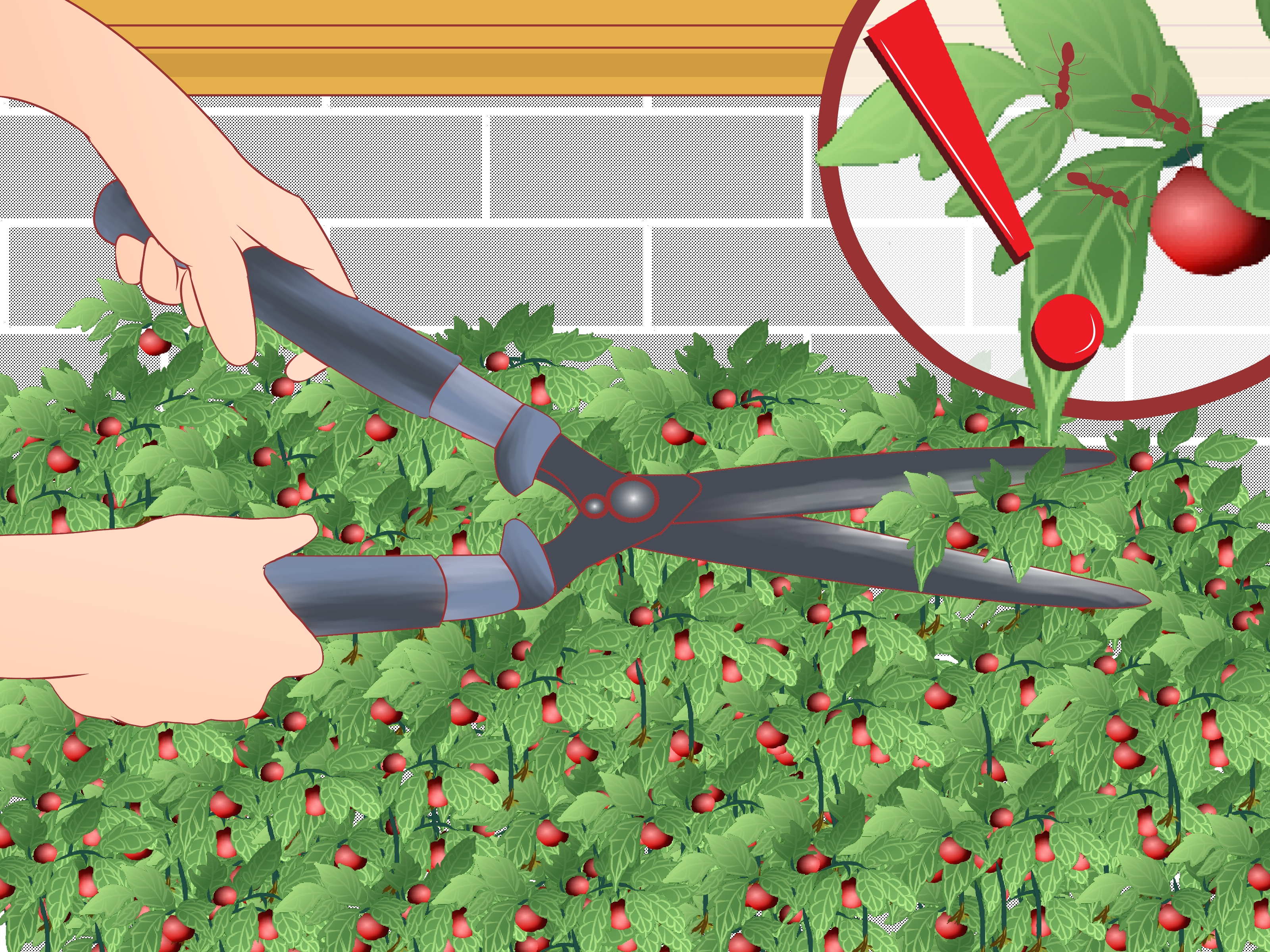
Once a scout ant finds honey, it may leave a pheromone trail that tells other ants where to go. That is why a single ant can turn into a line of ants surprisingly fast. The trail is invisible to us, but to ants it is a glowing highway sign that says, “Free dessert this way.”
Another reason honey attracts ants is residue. Even if the jar is closed, a sticky rim, a honey-coated spoon, or a few drops on the shelf can be enough to invite them. Ants do not need a full spoonful. A tiny smear can keep them interested for hours.
Way 1: Store Honey in a Clean, Airtight Container
The first and most important way to keep ants out of honey is to store it in a container ants cannot enter. This sounds obvious, but many honey problems begin with small storage mistakes: a lid that does not seal tightly, a squeeze bottle with honey around the cap, or a jar that was closed while the rim was still sticky.
Choose the Right Honey Container
Glass jars with tight-fitting lids are excellent for storing honey. Food-safe plastic containers can also work, especially squeeze bottles, as long as the cap closes securely. The goal is simple: no gaps, no cracks, no sticky invitation written in sugar.
If your honey came in a flimsy container or the lid no longer seals well, transfer it to a clean glass jar with a screw-top lid. A mason jar, clamp-lid jar, or other airtight pantry container can do the job nicely. Avoid containers with warped lids, loose caps, or old residue around the threads.
Wipe the Jar Every Time You Use It
One of the most overlooked ant prevention habits is wiping the outside of the honey container after each use. Honey is thick, slow, and dramatic. It slides down the side of the jar like it is making a grand exit. That sticky trail is exactly what ants detect.
After pouring or spooning honey, wipe the rim, lid, and sides with a warm damp cloth. Then dry the container before putting it away. A clean jar gives ants less scent to follow and keeps your pantry from becoming a sugar-scented airport terminal.
Use Clean, Dry Utensils
Always use a clean, dry spoon, honey dipper, or knife when removing honey from the jar. Crumbs, butter, tea, water, or jam residue can contaminate the container and create extra smells that attract insects. Moisture can also affect honey quality over time, so keeping water out of the jar is a smart food-storage habit.
If you use honey daily, consider keeping a dedicated honey spoon nearby. This makes it easier to avoid double-dipping with utensils that have touched bread, peanut butter, or other foods. Your honey deserves boundaries. So do your ants.
Store Honey in the Right Place
Honey is best stored in a cool, dry cabinet or pantry, away from direct sunlight and heat sources. It does not need refrigeration. In fact, refrigeration can speed up crystallization, making honey thicker and harder to pour. Crystallized honey is still safe to eat, but if your goal is smooth, easy honey, room-temperature storage is usually better.
Do not store honey near the stove, dishwasher, sink, fruit bowl, trash can, or pet food station. These areas often contain moisture, crumbs, odors, and ant traffic. A clean upper cabinet or sealed pantry bin is a better choice.
Way 2: Create a Physical Barrier Around the Honey
If ants are already active in your kitchen, an airtight jar may not feel like enough. In that case, create a physical barrier. This is especially useful in warm weather, in older homes, or in kitchens where ants seem to appear every spring as if they pay rent.
Use the Water Moat Method
The classic “water moat” method is simple and surprisingly effective. Place the honey jar on a small plate or shallow bowl. Then place that plate inside a larger shallow dish filled with a little water. The water forms a moat that ants cannot easily cross.
This method is popular because it does not involve pesticides near food. It is also cheap, quick, and oddly satisfying. Your honey jar becomes a tiny castle, and the ants are left outside the drawbridge reconsidering their life choices.
For best results, keep the inner plate dry and make sure the honey jar does not touch the outer dish. If the jar or plate creates a bridge across the water, ants may use it. Ants are small, but they are excellent engineers when snacks are involved.
Try a Sealed Storage Bin
Another strong option is to store honey inside a larger airtight food-storage container or pantry bin. This gives you double protection: the honey jar is sealed, and the storage bin creates a second barrier. It also keeps your pantry neater, which is a pleasant bonus unless you enjoy archaeological digs behind the flour.
A clear plastic bin with a locking lid works well because you can see what is inside. Store honey with similar sweet items such as maple syrup, molasses, jam, or sugar. If one container leaks, you will notice it quickly and clean it before ants discover it.
Keep the Shelf Clean and Dry
A barrier works best when the surrounding area is clean. Remove jars, wipe the shelf with warm soapy water, and dry it thoroughly. Pay attention to corners, shelf seams, and the bottom of containers. Ants often follow edges because they provide a protected travel route.
Do not rely only on strong-smelling deterrents such as cinnamon, vinegar, lemon peel, or essential oils around honey. Some scents may temporarily confuse ants, but they are not a substitute for sealing food and removing trails. Also, strong odors can affect the smell of nearby pantry items. Honey with a surprise note of “cleaning cabinet” is not exactly gourmet.
Way 3: Remove Ant Trails and Block Entry Points
Keeping ants out of honey is easier when you deal with the larger ant problem. If ants are repeatedly reaching your pantry, they are entering somewhere and following a trail. Stop the trail, remove the food source, and seal the entry point.
Clean Ant Trails With Soapy Water
When you see ants near honey, do not just wipe away the ants and call it a day. Clean the path they used. Ants communicate with scent trails, and those trails can remain even after the visible ants are gone. Use warm soapy water to clean countertops, shelves, cabinet edges, baseboards, and any route ants appear to follow.
A mild dish soap solution is usually enough for routine cleaning. Avoid spraying insecticide directly on food surfaces or near open pantry items. If you use any pest-control product, follow the label carefully and keep it away from food, children, and pets.
Seal Cracks, Gaps, and Entry Points
Ants can enter through tiny openings around windows, doors, pipes, electrical lines, baseboards, and foundation cracks. Once you identify where they are coming from, seal gaps with caulk, weatherstripping, or other appropriate materials. Even a small improvement can reduce repeat visits.
Look for trails near windowsills, under sinks, behind appliances, and along pantry walls. Outdoor vegetation touching the house can also provide ant pathways. Trim branches, move mulch away from the foundation, and keep outdoor trash areas tidy. Your honey problem may begin outside long before the ants reach the jar.
Use Ant Bait Carefully When Needed
If cleaning and sealing are not enough, ant bait can help control the colony. Baits work because worker ants carry the bait back to the nest, where it affects more ants than a surface spray would. This process takes patience. A bait station may need several days or longer to show results.
Place ant bait near trails, not inside the honey jar area or directly beside food. Keep bait away from children, pets, and food-preparation surfaces. Do not spray ants that are feeding on bait, because that can prevent them from carrying it back to the colony. It feels backward to let ants walk away, but in this case, they are doing your delivery work.
What Not to Do When Ants Get Into Honey
If ants have entered the honey itself, the safest and most practical choice is to discard the contaminated honey. While honey is naturally resistant to many microbes because of its low moisture and high sugar content, insects introduce dirt, body parts, bacteria, and other contaminants. Scooping out visible ants does not guarantee the rest is clean.
Do not heat the honey and assume that fixes everything. Heating may change honey’s flavor and texture, and it does not remove physical contamination. Do not add insect repellents, oils, or powders near an open jar. Food should stay food, not become a science experiment with breakfast consequences.
Also avoid leaving honey uncovered “just for a minute.” Ants are quick, and kitchens are full of distractions. One minute becomes twenty, the toast gets cold, and the ants begin their board meeting.
How to Ant-Proof Your Honey Routine
The best ant prevention system is boring in the best possible way. Use the honey, wipe the jar, close the lid, and put it back in a protected spot. Clean spills immediately. Rinse sticky measuring spoons. Do not leave honey packets, tea mugs, or dessert plates sitting out overnight.
If you buy honey in bulk, divide it into smaller jars. Keep the large container sealed in a protected pantry bin and use a smaller daily jar for the kitchen counter or breakfast table. This limits how often the main supply is opened and reduces the chance of sticky buildup.
For families, label the honey jar with a friendly reminder: “Wipe me before I attract an army.” It sounds silly, but it works better than discovering a living dotted line across your countertop before coffee.
Best Places to Store Honey to Avoid Ants
The best location for honey is a dry, clean, enclosed cabinet away from heat, moisture, and strong odors. A sealed pantry container adds even more protection. If your kitchen has a history of ant activity, avoid storing honey on open shelves or directly on the countertop.
Countertop storage is convenient, but it also exposes the jar to more spills, crumbs, sunlight, and ant scouts. If you do keep honey on the counter, use the water moat method during ant season or place the jar in a small lidded container when not in use.
For honey packets or single-serve sticks, store them in a zip-top bag or airtight box. Loose packets can leak, and one tiny tear is enough to perfume a drawer with sugar. Ants will notice. Ants notice everything except social boundaries.
Natural Ant Deterrents: Helpful or Hype?
Many people use natural deterrents such as vinegar, lemon juice, peppermint, cinnamon, coffee grounds, or bay leaves. Some may temporarily disrupt scent trails or make an area less appealing. However, natural deterrents work best as supporting actors, not the star of the show.
The reliable steps are still sanitation, sealed storage, physical barriers, and entry-point control. If you like using vinegar to clean an ant trail, that can be useful. But sprinkling cinnamon around a sticky honey jar while the lid remains loose is like locking the front door while leaving the garage open and playing welcome music.
How to Handle Crystallized Honey Without Attracting Ants
Crystallization is natural. It does not mean honey has spoiled. If your honey turns grainy or solid, place the closed jar in warm water and let it gently loosen. Stir with a clean, dry utensil if needed. Avoid boiling temperatures, and do not leave the jar open during the process.
After warming honey, wipe the jar carefully. Warm honey flows more easily, which means it also drips more easily. Those glossy little drips may look harmless, but to ants they are tiny billboards.
Extra Experiences and Practical Lessons From Real Kitchens
Anyone who has dealt with ants in honey learns a few lessons quickly. The first lesson is that ants are rarely interested in your schedule. They do not wait until the weekend cleaning session. They appear on a Tuesday morning when you are late, holding toast in one hand and making the kind of face usually reserved for printer jams.
One of the most useful experiences is learning that the outside of the jar matters as much as the inside. Many people focus only on closing the lid, but ants often gather because honey is smeared around the cap or pooled underneath the bottle. Squeeze bottles are especially guilty. They seem neat until the cap collects a sticky ring that slowly becomes an ant invitation. A quick rinse and wipe after use prevents most of this trouble.
Another practical lesson is that pantry organization is pest prevention. When honey sits behind cereal boxes, baking supplies, and half-open snack bags, small leaks can go unnoticed. By the time ants arrive, the trail may run through several shelves. Keeping sweet items together in a washable bin makes cleanup easier and helps you spot sticky problems early. It also saves you from pulling everything out of the pantry while muttering dramatic things about moving to a cabin with no kitchen.
The water moat method is especially helpful during heavy ant season. It may look a little odd at first, but it works well for households where ants appear every year despite regular cleaning. A shallow dish with water creates a simple barrier without placing chemicals near food. The key is maintenance. Change the water every day or two, keep the dish clean, and make sure no spoon, label, towel, or nearby container creates a bridge. Ants will absolutely use a bridge. They are tiny, but they have the determination of commuters during rush hour.
Families with children often find that the honey problem is really a “sticky hands and forgotten spoon” problem. Kids may close the jar, but not before leaving honey on the handle, counter, chair, floor, and possibly the family dog. A simple routine helps: use honey over a plate, wipe the bottle, rinse the spoon, and put the jar away immediately. It sounds strict, but it is easier than explaining why breakfast now includes wildlife.
Another experience worth noting is that ants often come back if the original trail is not cleaned thoroughly. You can move the honey jar, but if the pheromone trail remains, scouts may keep checking the old route. Cleaning with warm soapy water along the full path makes a noticeable difference. Follow the line of ants as far as you can. It may lead to a window crack, a pipe opening, or a gap behind a cabinet. Once you find the entry point, sealing it can prevent repeat invasions.
People who buy local raw honey sometimes worry when it crystallizes and wonder whether ants caused the change. Usually, the answer is no. Crystallization is a normal sugar process and can happen even in perfectly stored honey. The real ant issue is access and residue, not crystallization. Keep the jar sealed, dry, and clean, and your honey can stay useful for a long time.
The biggest takeaway from real kitchen experience is this: prevention is much easier than rescue. It takes ten seconds to wipe a honey jar and close it tightly. It takes much longer to empty a cabinet, wash shelves, follow ant trails, inspect baseboards, and mourn the loss of a beautiful jar of wildflower honey. Ant-proofing is not about perfection. It is about removing the easy wins that ants are looking for.
Conclusion
Keeping ants out of honey comes down to three dependable habits: seal the honey properly, create a physical barrier when needed, and remove the ant trail at its source. A clean airtight jar is your first defense. A water moat or sealed pantry bin adds extra protection. Cleaning trails, sealing cracks, and using bait responsibly can help stop ants from returning.
Honey may be sweet, but your kitchen does not have to become an ant café. With a little routine maintenance and a few clever storage tricks, you can keep your honey clean, your pantry calm, and your breakfast free from uninvited guests. The ants can find another restaurant.
SEO Tags