“Seems Like She Used It To Dry Her Feet And Hands”: Woman Is Furious After She Realizes What A Bidet Really Is

Every so often, the internet gifts us a story that is part bathroom etiquette lesson, part cultural comedy, and part warning label for anyone who walks into an unfamiliar restroom with too much confidence. The now-famous tale behind the headline “Seems Like She Used It To Dry Her Feet And Hands” is one of those stories: a guest encounters a bidet, misunderstands its purpose, uses the nearby towel in a way the host never intended, and then gets upset after learning what the fixture is actually for.
Awkward? Absolutely. Memorable? Unfortunately for everyone involved, yes. But beneath the laughs is a surprisingly useful conversation about bidets, hygiene, cultural assumptions, bathroom design, guest etiquette, and why a little curiosity can save a person from a very long, very silent car ride home.
Bidets are common in many parts of Europe, Asia, South America, and the Middle East, yet many Americans still meet them the way one might meet an espresso machine with fourteen buttons: suspiciously, from a distance, and with no real plan. In the United States, bidets have gained attention thanks to toilet paper shortages, wellness trends, smart bathrooms, sustainability concerns, and people realizing that water is better at cleaning things than dry paper. Revolutionary? Not exactly. Practical? Very.
What Happened in the Viral Bidet Story?
The story centers on a host who had a bidet in the bathroom and a small towel placed nearby for drying after use. A guest, unfamiliar with bidets, apparently assumed the low fixture was something else entirely. According to the viral discussion, it seemed as if she used the bidet to wash or dry her feet and hands, then used the towel without understanding its intended purpose.
When she later realized that the bidet was designed for intimate hygiene after using the toilet, she was furious and embarrassed. The host, meanwhile, did not believe he had done anything wrong because the bidet was clean, the towel was placed close to the fixture, and the bathroom setup made sense to people who already knew what a bidet was.
That last sentence is the entire problem. Things that are “obvious” to one person can look like bathroom riddles to another. A bidet is not mysterious if you grew up using one. But if you did not, it can resemble a tiny sink, a low foot bath, a decorative plumbing decision, or a porcelain object installed by someone with a puzzling sense of drama.
What Is a Bidet, Really?
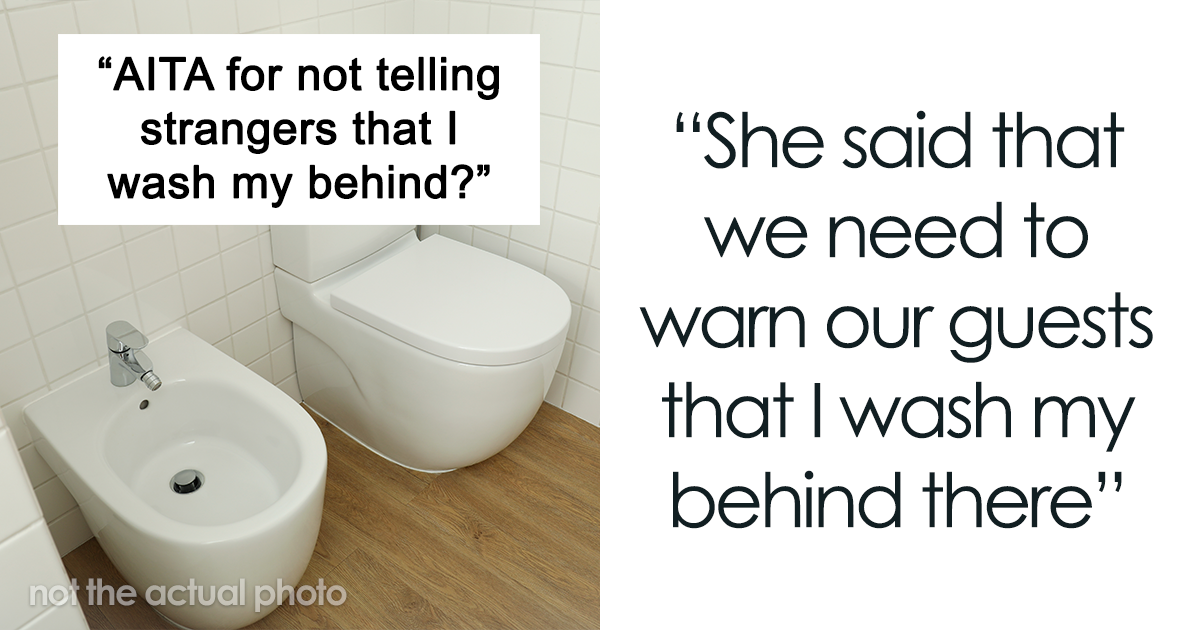
A bidet is a bathroom fixture or toilet attachment that uses water to clean the genital and anal area after urination or a bowel movement. Traditional bidets are standalone fixtures, often placed next to the toilet and shaped somewhat like a low sink. Modern versions may be built into a toilet seat, installed as an attachment under the seat, or designed as a handheld sprayer.
The basic idea is simple: after using the toilet, a controlled stream of water helps rinse the area. Some bidets include adjustable pressure, warm water, heated seats, air dryers, self-cleaning nozzles, night lights, remote controls, and enough features to make your old toilet paper roll feel like it belongs in a museum exhibit titled “Before We Knew Better.”
Despite the comedy surrounding the viral story, the bidet itself is not strange. It is a practical hygiene tool. In fact, the real oddity is probably the American habit of relying almost entirely on dry paper and calling the job done. If you spilled peanut butter on your arm, you would not rub it with a dry napkin and proudly declare victory. Bathrooms, however, have their own traditions, and traditions are stubborn little creatures.
Why Bidets Confuse So Many Americans
Bidets are still relatively unfamiliar in many U.S. homes. While they have become more popular, especially after pandemic-era toilet paper shortages, they are not yet as standard as shower curtains, plungers, or that one decorative hand towel nobody is allowed to touch.
Cultural Exposure Matters
People understand what they have seen before. Someone raised in a household with a bidet may use it without thinking twice. Someone encountering one for the first time may hesitate, guess, or do the worst possible thing: improvise. That is how a hygiene fixture becomes a foot-washing station in someone’s imagination.
Bathroom Design Does Not Always Explain Itself
A standalone bidet can be especially confusing because it looks like a small basin. If there is a towel beside it, a guest may assume the towel is for hands, feet, or general drying. Without a sign, explanation, or prior knowledge, misunderstanding becomes possible. The internet may laugh, but the design issue is real.
Americans Are Quiet About Bathroom Habits
Many people would rather discuss taxes, dental surgery, or their worst dating app message than ask, “Excuse me, what is this little toilet-sink thing?” Bathroom embarrassment creates silence, and silence creates mistakes. The viral story is funny because it feels extreme, but the social pressure behind it is familiar.
Are Bidets More Hygienic Than Toilet Paper?
For many people, yes. A bidet can offer a cleaner, gentler experience than wiping with dry toilet paper alone. Water helps remove residue more effectively, and because the cleaning is largely hands-free, it may reduce some contact with fecal matter. That does not mean handwashing becomes optional. Soap still deserves its moment.
Dry toilet paper can also irritate sensitive skin, especially with repeated wiping. People with hemorrhoids, anal fissures, chronic diarrhea, mobility limitations, or skin conditions around the perianal area may find water-based cleaning more comfortable. A gentle rinse can reduce friction, which is often the villain in bathroom discomfort.
However, “more hygienic” does not mean “magical.” A bidet must be used correctly, cleaned regularly, and adjusted properly. Too much pressure can irritate skin. Water should be directed externally, not internally. For women, water flow should generally follow front-to-back hygiene principles to reduce the chance of moving bacteria toward the urinary tract or vaginal area.
How to Use a Bidet Without Creating a Situation
Using a bidet is not complicated, but the first time can feel like operating unfamiliar machinery in a room where no one wants to read the manual aloud. Here is the simple version.
Start Gently
If the bidet has adjustable pressure, begin low. This is not a car wash. The goal is to rinse, not pressure-clean your soul. Increase the spray only if needed and only to a comfortable level.
Aim Correctly
Position yourself so the water reaches the area you want to clean. For toilet-seat bidets, controls usually adjust the nozzle or spray pattern. For handheld sprayers, angle matters. Keep the water external and avoid forcing water into sensitive areas.
Dry Afterward
After rinsing, pat dry with toilet paper or a dedicated clean towel. The key word is dedicated. A bidet towel is not a guest hand towel, not a face towel, not a foot towel, and not a mysterious decorative napkin. It has a job, and that job is private.
Wash Your Hands
Even if the bidet did most of the cleaning, wash your hands with soap and water after using the restroom. Good hygiene is not a choose-your-own-adventure novel. The ending should always include soap.
The Towel Problem: Where the Viral Story Gets Tricky
The towel is the emotional center of the viral bidet drama. The guest reportedly used a towel near the bidet without knowing what it was for, then reacted strongly after learning its purpose. This raises a fair question: should hosts label bidet towels or explain them to guests?
There is no universal rule, but hospitality works best when it prevents confusion. If a bathroom contains a fixture many guests may not recognize, a small sign or a clear towel setup can help. Something as simple as a neatly folded stack labeled “bidet drying towels” or “please use paper towels for hands” can prevent a comedy from becoming a family legend.
Hosts do not need to deliver a TED Talk on bathroom technology before dinner. But if guests are likely to be unfamiliar with a bidet, a little clarity is kind. Nobody wants to discover after dessert that they misunderstood the porcelain.
Guest Etiquette: Ask Before You Experiment
The guest side of the lesson is equally important: when you do not know what something is, ask or leave it alone. This applies to bidets, smart toilets, towel warmers, Japanese toilet panels, European shower switches, and any bathroom button that looks like it might launch a satellite.
Curiosity is less embarrassing than a wrong assumption. A quick “Hey, what is the small fixture in the bathroom?” may feel awkward for three seconds. Using it incorrectly and then realizing what happened may haunt a person for years. Choose the three seconds.
Why Bidets Are Becoming More Popular in the United States
The bidet’s American comeback has several causes. The first is practical: toilet paper shortages during the COVID-19 pandemic made many people rethink their bathroom routines. When store shelves went empty, water-based cleaning suddenly seemed less foreign and more like a backup plan with excellent timing.
The second reason is comfort. Modern bidet attachments can be affordable, easy to install, and surprisingly pleasant to use. Many people start with a simple cold-water attachment and later upgrade to warm water, heated seats, or air drying. This is how a person who once mocked bidets becomes the household’s most passionate bidet ambassador.
The third reason is sustainability. Toilet paper production uses trees, energy, water, and chemicals. Bidets do use water, and electric models use power, but they can significantly reduce toilet paper use. For households trying to reduce waste, a bidet can be one small bathroom change with a noticeable effect.
Health Benefits and Risks: The Balanced View
A bidet can be helpful for many users, but it is not a cure-all. It may make cleaning easier for people with limited mobility, arthritis, pregnancy discomfort, postpartum sensitivity, hemorrhoids, fissures, or frequent bowel movements. It can also reduce rubbing, which may help people with irritation from toilet paper.
Still, safe use matters. High pressure can irritate delicate skin. Overuse may dry or inflame the area. Shared bidets should be cleaned and maintained so nozzles do not become contaminated. Anyone with active infections, open sores, severe irritation, unexplained bleeding, or ongoing pain should speak with a healthcare professional instead of assuming a bidet will solve the issue.
The best bidet routine is boring in the best way: gentle pressure, external rinsing, proper direction, clean equipment, patting dry, and handwashing. No drama. No mystery towels. No angry group chat afterward.
What the Viral Story Says About Modern Manners
The reason this story spread is not just because it involves a bidet. It spread because it exposes a social truth: people often get angry when embarrassment has nowhere else to go. The guest may have felt tricked, humiliated, or blindsided. The host may have felt unfairly blamed for owning a normal bathroom fixture. Both reactions are understandable, even if the internet naturally chose chaos and popcorn.
Good manners live in the middle. A host can make unfamiliar spaces easier to navigate. A guest can avoid using unknown items as if they are part of a puzzle room. Both sides can laugh, apologize lightly if needed, and move on. After all, the bathroom is already doing enough emotional labor.
Practical Tips for Hosts With Bidets
If you have a bidet and often host people, consider making your bathroom setup guest-proof. Use separate towels for hands and bidet drying. Place hand towels near the sink and bidet towels near the bidet. If the bidet is standalone, a discreet label can prevent confusion. For toilet-seat attachments, a small instruction card can help first-time users avoid blasting themselves with surprise water pressure.
Keep the bidet clean, especially the nozzle area. Follow manufacturer instructions for maintenance. If you use reusable drying towels, provide a covered hamper for used ones and wash them frequently. The goal is to make the bathroom feel clean and intuitive, not like a secret exam in European plumbing.
Practical Tips for First-Time Bidet Users
If you are new to bidets, relax. They are not as intimidating as they look. Sit normally on the toilet if it is a seat attachment. Use the lowest pressure setting first. Adjust slowly. Rinse briefly. Pat dry. Wash your hands. That is the whole routine.
For standalone bidets, the process can vary. Some people sit facing the controls; others face away depending on the design and what they are cleaning. When in doubt, do not guess wildly. Look for instructions or ask the host. It is better to admit you are unfamiliar than to turn a bidet into a foot spa with consequences.
The Bigger Lesson: Hygiene Is Cultural, Not Universal
Bathroom habits feel personal, but they are also cultural. What seems obvious in one country may seem strange in another. In some places, water-based cleaning is standard. In others, toilet paper dominates. Some bathrooms have bidets, some have handheld sprayers, some have wet wipes, and some have toilets with control panels more complicated than a television remote.
The viral bidet story is funny, but it also reminds us not to assume everyone shares the same bathroom knowledge. Hygiene tools carry cultural context. A little explanation can prevent embarrassment, and a little humility can prevent outrage.
Experiences Related to the Bidet Misunderstanding
Anyone who has traveled, visited a newly renovated home, or stayed in a boutique hotel knows the feeling of meeting an unfamiliar bathroom feature and trying to act like a competent adult. You walk in confidently, close the door, and suddenly the toilet has buttons. The shower has three knobs and none of them control temperature in a way recognized by science. A towel is folded into a triangle, which feels decorative but might also be functional. You begin questioning everything.
The bidet misunderstanding fits perfectly into this category of everyday confusion. Imagine visiting a friend’s house for dinner. The bathroom is spotless, modern, and slightly intimidating. Next to the toilet is a low porcelain fixture with a faucet. There is a small towel nearby. If you have never seen a bidet before, your brain starts searching for familiar categories. Sink? Too low. Foot bath? Maybe. Fancy European hand-washing station? Possibly. Tiny bathtub for a very serious cat? Not impossible.
This is how assumptions happen. Most people do not want to appear clueless, especially in someone else’s home. So instead of asking, they guess. And bathrooms are not forgiving places for guesses. A wrong guess in the kitchen might mean using the salad fork for dessert. A wrong guess in the bathroom can become the kind of story people retell with their eyes watering from laughter.
One common first-time bidet experience is the “surprise spray.” A person turns a knob too far, too fast, and suddenly understands why water pressure deserves respect. Another common experience is the “where is the dryer?” moment, when a user realizes that not every bidet has an air-drying feature and that patting dry is part of the process. Then there is the “which towel is safe?” panic, a deeply human moment in which a guest stares at three towels and realizes each one may have a different social meaning.
The best experiences happen when hosts make things obvious. A small basket of clean bidet towels, a separate hand towel near the sink, and a tiny instruction card can transform confusion into confidence. Guests appreciate not having to decode bathroom architecture while pretending they are fine. A friendly note such as “Bidet towels are in the basket; hand towels are by the sink” is not awkward. It is mercy in linen form.
For users who become comfortable with bidets, the experience often changes from confusion to loyalty. Many people say they feel cleaner, use less toilet paper, and prefer the gentler rinse to repeated wiping. Some become almost evangelical about it. They start with “I bought a bidet attachment” and within weeks are saying things like “I can never go back,” with the intensity of someone who has discovered indoor plumbing twice.
Still, the viral story proves that good technology needs good communication. A bidet may be clean, useful, and normal to the host, but unfamiliar to the guest. The guest may have made a funny mistake, but the embarrassment was real. The ideal takeaway is not to shame someone for not knowing. It is to make private spaces easier to understand, and to remember that everyone has been confused by an object at least once.
In the end, the bidet is not the villain. The towel is not the villain. Even the furious guest is not necessarily the villain. The real villain is silent assumption, wearing a tiny cape and hiding beside the toilet. Ask questions. Label things. Start with low water pressure. And never use a mysterious bathroom towel until you know exactly what life it has lived.
Conclusion
The story of the woman who became furious after realizing what a bidet really is may be hilarious, but it also has practical value. It shows how easily bathroom habits can collide when culture, design, embarrassment, and assumptions meet in one small room. Bidets are useful hygiene tools that can improve comfort, reduce toilet paper use, and make personal cleaning easier for many people. But like any unfamiliar fixture, they work best when people know what they are, how to use them, and which towel is absolutely not for drying hands.
For hosts, the lesson is simple: make your bathroom setup clear. For guests, the lesson is even simpler: ask before experimenting. A bidet is not a foot bath, not a tiny sink, and not a porcelain personality test. It is a cleaning tool. Used correctly, it can be comfortable, sanitary, and surprisingly life-changing. Used incorrectly, it can become internet history.