
Note: This article is for informational purposes only and should not replace advice from your OB-GYN, midwife, or healthcare professional.
Pregnancy has a funny way of turning lunch into a detective story. One minute you are craving a big Greek salad like it is your life’s purpose. The next minute you are standing in front of a package of feta, squinting at the label like you are defusing a tiny dairy bomb. If that sounds familiar, welcome to the club.
The good news is that feta cheese is not automatically off-limits during pregnancy. The not-so-good news is that the answer depends on a few details, and yes, one of those details is whether the milk used to make it was pasteurized. In other words, feta is not the villain. Mystery feta is the villain.
This guide breaks down what makes feta safe or risky during pregnancy, how to shop smarter, what to ask at restaurants, and what to do if you already ate some before your inner food-safety detective showed up late to the party.
The Short Answer
Yes, you can usually eat feta cheese during pregnancy if it is made with pasteurized milk and has been stored and handled safely. That is the key point.
No, you should not eat feta if it is made from unpasteurized milk, if the label is unclear, or if the source feels questionable. Homemade cheese, imported cheese with vague labeling, cheese from a place that cannot confirm how it was made, or cheese that has been sitting around like it has a lease agreement with the refrigerator all deserve extra caution.
If you want the simplest rule possible, here it is: look for “made with pasteurized milk” on the label. If you cannot verify that, skip it and choose another cheese.
Why Feta Gets the Side-Eye During Pregnancy
The Listeria Issue
The biggest concern with feta in pregnancy is listeria, a harmful bacterium that can contaminate certain foods. Pregnant women are more vulnerable to listeria infection than the general population, and the tricky part is that the infection can be mild in the mother while still being dangerous for the baby.
That is why healthcare guidance tends to sound a little dramatic around soft cheeses. It is not because feta is secretly plotting against your pregnancy. It is because listeria can lead to serious complications, including miscarriage, stillbirth, premature delivery, or severe illness in a newborn. Not exactly the vibe anyone wants from a salad topping.
Why Soft Cheeses Are Mentioned So Often
Feta is a soft cheese, and soft cheeses are mentioned frequently in pregnancy food-safety guidance because they have been linked to contamination risks more often than harder cheeses. Moisture content, refrigeration issues, cross-contamination, and uncertain production methods can all play a role.
That said, not all soft cheeses are created equal. In the United States, major health authorities generally agree that soft cheeses made with pasteurized milk are usually safe during pregnancy. The real problem is unpasteurized cheese and cheese with unclear origins or handling.
You may notice that some websites or clinicians sound stricter and advise avoiding soft cheeses more broadly. Usually, that extra-cautious approach reflects concern about uncertain labels, deli handling, or outbreak history. So if advice has seemed inconsistent, you are not imagining things. The best interpretation is this: verified pasteurized feta is usually okay; unknown feta is not worth the gamble.
When Feta Is Usually Safe During Pregnancy
Feta is generally a reasonable choice when all of the following are true:
- It is clearly labeled made with pasteurized milk.
- It comes from a reputable brand or seller.
- The package is sealed, refrigerated, and within its use-by or expiration date.
- It has been stored properly at home.
- It is served in a clean, fresh dish rather than from a questionable buffet or salad bar.
Examples of lower-stress feta situations include:
- Packaged crumbled feta from a grocery store with a clear pasteurized label.
- Feta added to a homemade salad using a newly opened package.
- Baked feta pasta or a cooked egg dish with feta, served hot.
- A restaurant dish where the staff can confirm the feta is pasteurized.
If you like feta because it adds bold flavor without needing a mountain of cheese, that is actually one of its strengths. A little goes a long way, which is nice when you want flavor without turning your meal into a salt festival.
When You Should Skip Feta
There are times when feta deserves a polite but firm “not today.”
- It is made from unpasteurized or raw milk.
- The label does not clearly say pasteurized.
- It is homemade or locally made and no one can confirm pasteurization.
- It is served from a deli counter, salad bar, or buffet where storage and cross-contamination are harder to judge.
- It is part of a recalled product.
- It smells off, looks slimy, or seems old enough to have life experience.
Also, be extra careful with imported cheeses and artisanal products if labeling is unclear. “Traditional,” “farmhouse,” and “small-batch” can sound charming, but when you are pregnant, clear food-safety information is more romantic than mystery.
How to Check Whether Feta Is Pregnancy-Safe
At the Grocery Store
Turn the package over and check the ingredients. What you want to see is simple: pasteurized milk. If that phrase is present, great. If the wording is vague, missing, or confusing, do not guess.
Other helpful signs include:
- A sealed package from a well-known manufacturer.
- A recent sell-by or use-by date.
- Proper refrigeration in the store.
- No damaged packaging.
At a Restaurant
Yes, you are allowed to ask. In fact, this is one of those moments when asking is smart, not annoying. A quick question such as, “Is the feta pasteurized?” is perfectly reasonable. If the server does not know and the kitchen cannot confirm, choose another topping or another dish.
That may feel disappointing in the moment, but not as disappointing as spending the rest of the evening spiraling on your phone searching “ate mystery feta while pregnant now what.”
Is Feta Safer in Cooked Dishes?
Yes, cooked dishes can offer extra reassurance. Heating foods until they are steaming hot can reduce the risk from certain bacteria. So feta baked into a casserole, melted into a hot pasta dish, or stirred into a thoroughly cooked omelet can feel like the more cautious option.
That does not mean cold pasteurized feta is automatically unsafe. It means that if you are the kind of person who likes a wider margin of safety, hot dishes are a nice compromise. Think of it as the cozy sweater version of cheese decisions.
What About Feta in Salads?
Feta in salad is probably the most common pregnancy question, and the answer is: it can be fine, but source matters a lot.
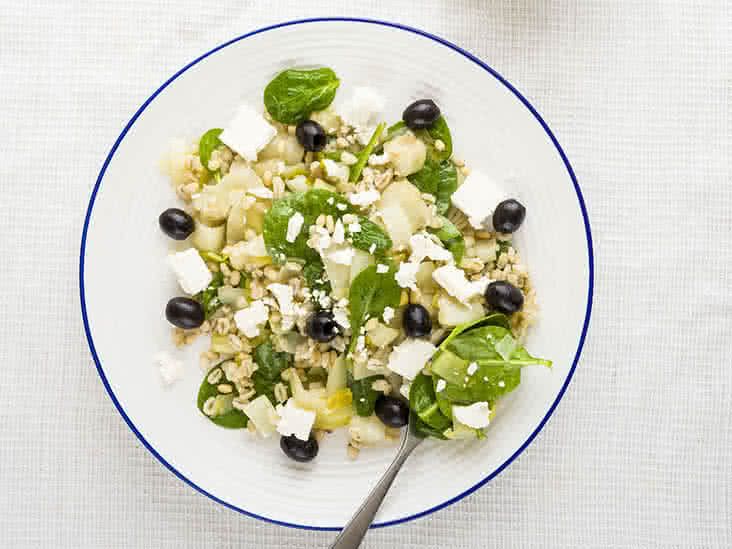
A homemade salad with pasteurized feta from a freshly opened package is usually a much better bet than a salad from a buffet, deli case, or premade container that has been sitting around under who-knows-what conditions. If you are making the salad at home, you control the cheese, the temperature, the utensils, and the cleanliness. That is a beautiful amount of control for a pregnant person whose body currently has its own agenda.
If you order a salad out and cannot verify the feta, ask for it to be left off or swapped for another cheese. Parmesan, cheddar, pasteurized mozzarella, cottage cheese, and cream cheese-based toppings are often easier to feel confident about.
What If You Already Ate Feta Before Checking?
First: do not panic. One accidental bite of feta does not mean disaster. Many people eat pasteurized feta without any issue at all, and many exposures turn out to be low risk.
Now take a practical approach:
- Check the package if you still have it.
- See whether it says made with pasteurized milk.
- Think about where it came from and how it was served.
- Watch for symptoms if the source was risky or uncertain.
Symptoms that deserve prompt attention include fever, chills, muscle aches, fatigue, diarrhea, upset stomach, headache, or feeling flu-ish after a questionable food exposure. If you ate unpasteurized or unknown-source feta and then develop symptoms, call your healthcare provider. If you know the product was recalled, contact your provider even more quickly.
When in doubt, your OB-GYN or midwife would much rather answer a cautious question than hear that you sat at home trying to “just see how it goes” while Google handed you emotional damage.
Does Feta Have Any Nutritional Value During Pregnancy?
It does. Feta can provide calcium, protein, and flavor, and for some people that matters a lot when appetite changes, nausea, or food aversions make eating feel like a daily negotiation. A sprinkle of feta can turn a bland plate of vegetables into something you actually want to eat, which is no small achievement during pregnancy.
Still, feta is fairly salty, so it is best treated as a flavorful ingredient rather than the main event. Think “accent cheese,” not “I built my whole lunch around a bucket of brine.” Pair it with vegetables, grains, beans, eggs, or cooked lean proteins for a balanced meal.
Best Alternatives If You Do Not Want the Stress
If feta feels like too much mental paperwork right now, you have options. Pregnancy already comes with enough forms, questions, and weirdly strong opinions from strangers.
Easy alternatives include:
- Pasteurized mozzarella for a mild, easy swap.
- Parmesan for a salty, savory punch.
- Cottage cheese for a softer, protein-rich option.
- Cream cheese in spreads or dips.
- Cheddar for reliability, because cheddar rarely causes drama.
Common Real-Life Experiences Around Feta and Pregnancy
One of the most common experiences is the “I already ate it, now I’m worried” moment. It usually starts with a salad, a wrap, or a grain bowl. The meal was delicious. Then, about 20 minutes later, the brain kicks in with: “Wait. Was that feta pasteurized?” From there, many pregnant women go straight into label-hunting mode, text the restaurant, or search the fridge like they are working a crime scene. In a lot of these situations, the cheese turns out to be pasteurized and everything is fine. The experience feels dramatic, but the outcome is often reassuring.
Another common situation is the restaurant guessing game. You ask whether the feta is pasteurized. The server says, “I think so?” which is not exactly the confidence level anyone is hoping for. Then the kitchen gets asked, someone disappears for seven minutes, and eventually you are told either yes, no, or something wildly unhelpful like, “It comes in a bag.” Many pregnant diners decide that if the answer is not clear, they would rather choose another topping than spend the whole meal wondering whether they just made a questionable dairy decision over lunch.
Then there is the family advice circus. One person says, “I ate whatever I wanted and my baby was fine.” Another says, “My doctor told me to avoid all soft cheese.” Someone else jumps in with a story about European cheese traditions. Suddenly a simple feta question becomes a panel discussion nobody asked for. This is one reason the topic feels more confusing than it should. People are often sharing personal experiences, not standardized food-safety guidance. Personal stories can be comforting, but they are not the same thing as clear labeling and current medical advice.
Many pregnant women also experience the home kitchen confidence boost. Once they learn that pasteurized feta is usually okay, they start feeling much better about using it at home. They buy a sealed package, check the label, store it properly, and use it in meals they control. A spinach omelet with feta. Roasted vegetables with a few crumbles on top. A chickpea salad with cucumbers, tomatoes, and lemon. The key difference is confidence. When you know where the cheese came from and how it has been handled, the whole experience gets a lot less stressful.
And of course, there is the pregnancy craving plot twist. Sometimes the very food you were indifferent to before pregnancy suddenly becomes the thing you cannot stop thinking about. Feta can fall into that category because it is salty, tangy, and punches up otherwise boring meals. Many people find that once they understand the rule, check for pasteurization, and choose trusted sources, they are able to enjoy feta again without the guilt spiral. It stops being a scary mystery food and goes back to being what it should be: cheese with a passport and a personality.
Final Verdict
So, is feta cheese safe during pregnancy?
Usually yes, if it is made with pasteurized milk and handled properly. That is the practical, evidence-based answer.
Skip it if it is unpasteurized, unlabeled, homemade, or from a source that cannot confirm what is in it. If you want extra reassurance, choose feta in a hot cooked dish or use a lower-risk cheese alternative instead.
Pregnancy food advice can sometimes sound like it was written by someone trying to take all joy out of lunch. But this is one area where the rule is actually pretty clear: pasteurized feta is generally okay, mystery feta is not. And honestly, that is a standard worth applying to a lot of life decisions.